Artwork
One on seven details of pietra-dura work showing flowers and birds on the walls of the Diwan-i Am, Delhi Palace and Fort
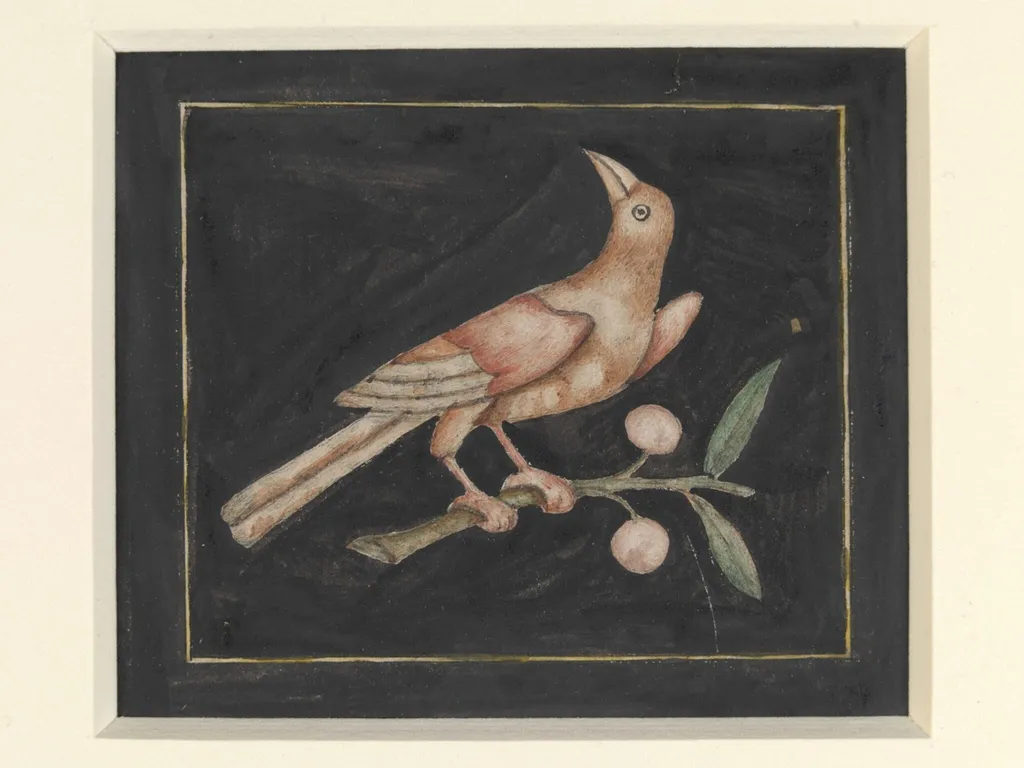
One on seven details of pietra-dura work showing flowers and birds on the walls of the Diwan-i Am, Delhi Palace and Fort is a paint painting by the Romanticist artist Unknown. It dates from 1845 and is held in the collection of the Victoria and Albert Museum.
About this work
Overview
This fragment is one of seven surviving pieces of pietra‑dura inlay that once decorated the walls of the Diwan‑i‑Am, the great audience hall of the Delhi Palace and Fort. Executed in 1845 by an unidentified craftsman, the work integrates colored stone into a marble surface, preserving a glimpse of the original decorative scheme.
Subject & Meaning
The composition centers on a bird perched upon a branch, surrounded by stylised leaves and what appear to be small fruits or berries. The bird’s beak is open, suggesting a song, while the surrounding flora creates a tranquil natural tableau that reflects the courtly appreciation of garden motifs.
Technique & Style
The inlay employs finely cut stone pieces in shades of brown, pink and green, set against a dark background edged with a thin gold border. Soft, feathery brush‑like strokes in the stone convey texture, and subtle colour gradations give the leaves and fruit a naturalistic appearance despite the medium’s rigidity.
History & Provenance
Created in the mid‑nineteenth century, the fragment was part of a larger decorative program for the Diwan‑i‑Am. Over time the original wall panels were dismantled, and only seven sections, including this one, have survived. The piece now resides in a museum collection, its provenance traced to the Delhi fort’s historic interiors.
Context
Pietra‑dura, an inlay technique that originated in Italy and spread to Mughal India, was employed in the mid‑1800s to embellish royal spaces with intricate, durable ornamentation. The use of floral and avian motifs aligns with contemporary court aesthetics that favored representations of nature as symbols of prosperity and harmony.
Artist & collection

 Domestic Scene
 Giacomo and Cardinal Marco, investing Andrea, Abbot of San Zeno, with his Benefice
 The Nymph of Fontainebleau
 Portrait of a Woman
 Madonna and Child with Saints in the Enclosed Garden
 Venus and Minerva
 Family Group of Four on Sofa
 Wall painting from Room H of the Villa of P. Fannius Synistor at Boscoreale
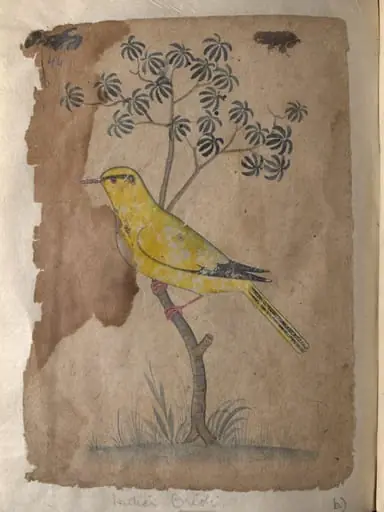 Depictions of a Shikra and a Indian oriole of Northern India
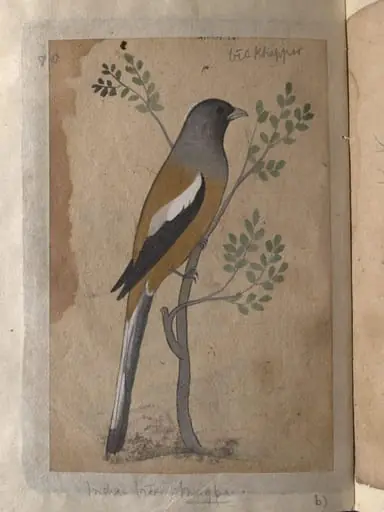 Depictions of a Grey partridge and a Indian tree-pie of Northern India
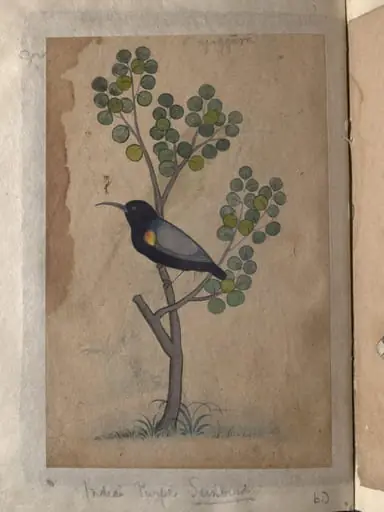 Depictions of a common Indian bee-eater and a Indian purple sunbird of Northern India
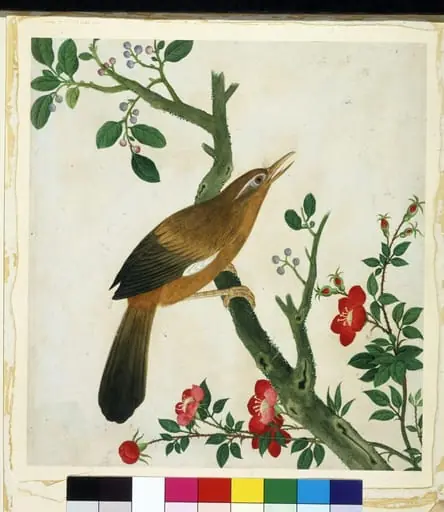 Laughing Thrush
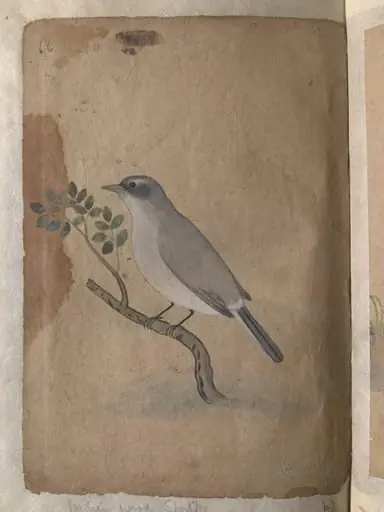 Depictions of a Indian spotted dove and a Common Indian wood-shrike of Northern India
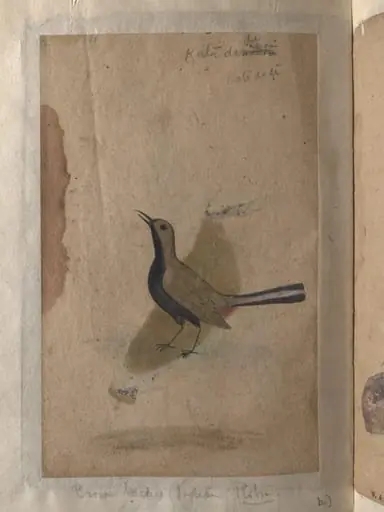 Depictions of a India pitta and Brown-backed Indian robin of Northern India
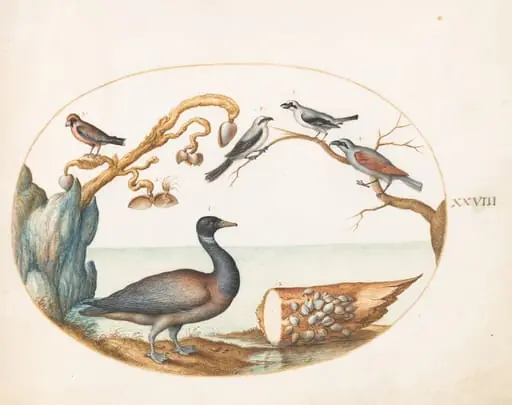 Plate 28: Barnacle Goose with Shrikes and Other Birds
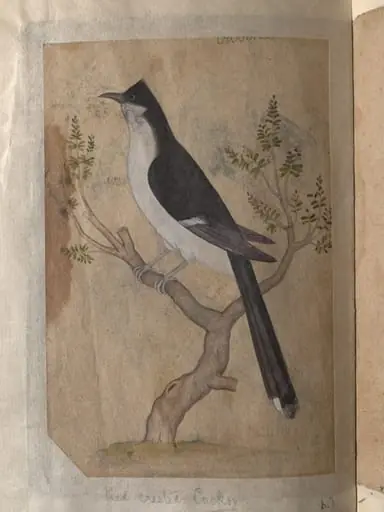 Depictions of a Indian fruit-bat and Pied crested cuckoo of Northern India
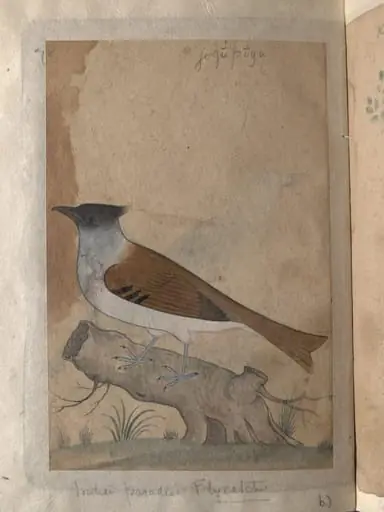 Depictions of Indian house crow and a Indian paradise flycatcher of Northern India