Artwork
Portrait of Wincenty Tyszkiewicz (1757–1816)
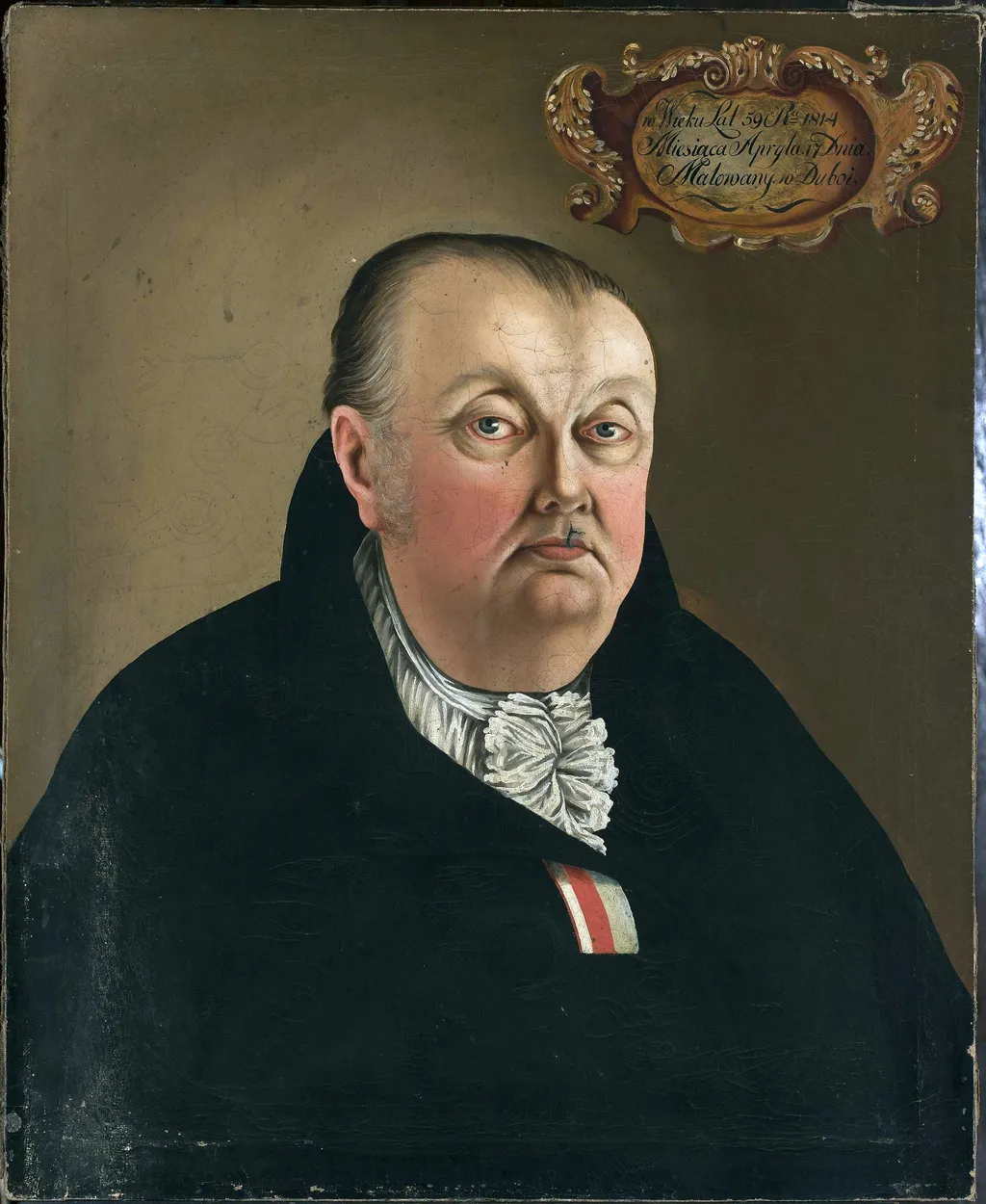
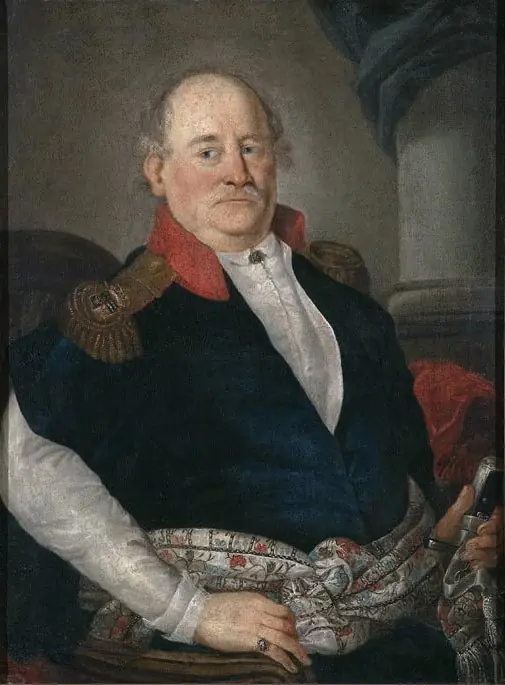
Portrait of Wincenty Tyszkiewicz (1757–1816) is an oil painting by the Neoclassicist artist Unknown. It dates from 1814 and is held in the collection of the National Museum in Warsaw. The work is an oil portrait of a dignified gentleman, rendered in a restrained palette of dark attire and a crisp white lace collar.
About this work
If you’re curious about where to see this painting, check out the National Museum in Warsaw.
This portrait shows a serious-looking man in a black robe with a white lace collar. His face is round, with a short beard and a neutral expression. Above his head, there’s a decorative plaque with writing in a fancy script.
The plaque includes a date—1814—and mentions the man’s name, though we can’t read it all. His clothing looks formal, like something a noble or official would wear.
If you’re curious about where to see this painting, check out the National Museum in Warsaw.
Overview
The work is an oil portrait of a dignified gentleman, rendered in a restrained palette of dark attire and a crisp white lace collar. The sitter’s round face, short beard, and composed expression convey a formal presence. A decorative plaque above his head bears an inscription in an elaborate script, including the year 1814 and the name Wincenty Tyszkiewicz, identifying the subject.
Subject & Meaning
Wincenty Tyszkiewicz (1757–1816) appears as a member of the Polish nobility or civil service, indicated by his formal black robe and the ornamental lace. The neutral gaze and modest demeanor suggest a conventional portrayal intended to record status rather than convey personal emotion, reflecting early‑19th‑century conventions of portraiture for the landed elite.
Technique & Style
Executed in oil on canvas, the painting employs a smooth brushwork that emphasizes the sheen of the fabric and the subtle modeling of the face. The limited colour scheme—deep blacks, muted flesh tones, and the stark white of the collar—creates a restrained visual hierarchy, while the ornamental plaque adds a decorative, almost Rococo‑inspired flourish.
History & Provenance
Created in 1814, the portrait entered the collection of the National Museum in Warsaw, where it is currently displayed. Its provenance traces back to the Tyszkiewicz family, who likely commissioned the work to commemorate the sitter’s later years, shortly before his death in 1816.
Context
The painting belongs to a period when Polish aristocracy sought to affirm their identity through portraiture, despite the political upheavals of the Napoleonic era. Such works served both as personal memorials and as visual affirmations of lineage, aligning with broader European trends in elite portraiture during the early 19th century.
Artist & collection

 Domestic Scene
 Giacomo and Cardinal Marco, investing Andrea, Abbot of San Zeno, with his Benefice
 The Nymph of Fontainebleau
 Portrait of a Woman
 Madonna and Child with Saints in the Enclosed Garden
 Venus and Minerva
 Family Group of Four on Sofa
 Wall painting from Room H of the Villa of P. Fannius Synistor at Boscoreale
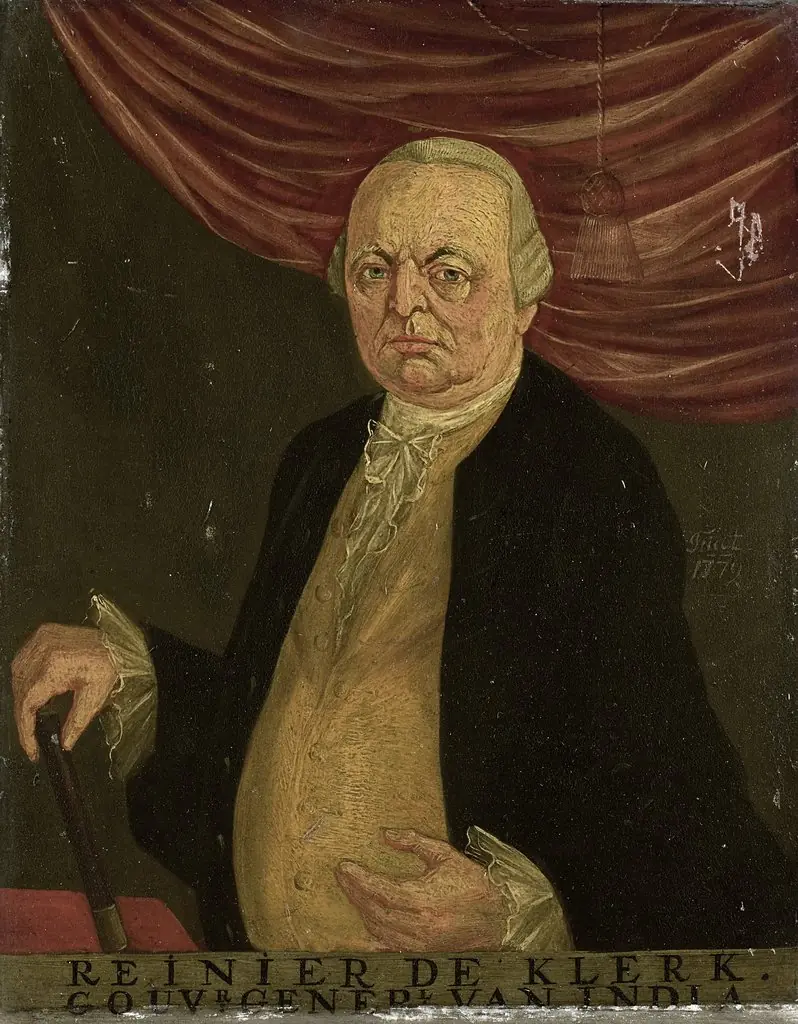 Portrait of Reinier de Klerk (1710-80). Gouverneur-generaal (1777-80)
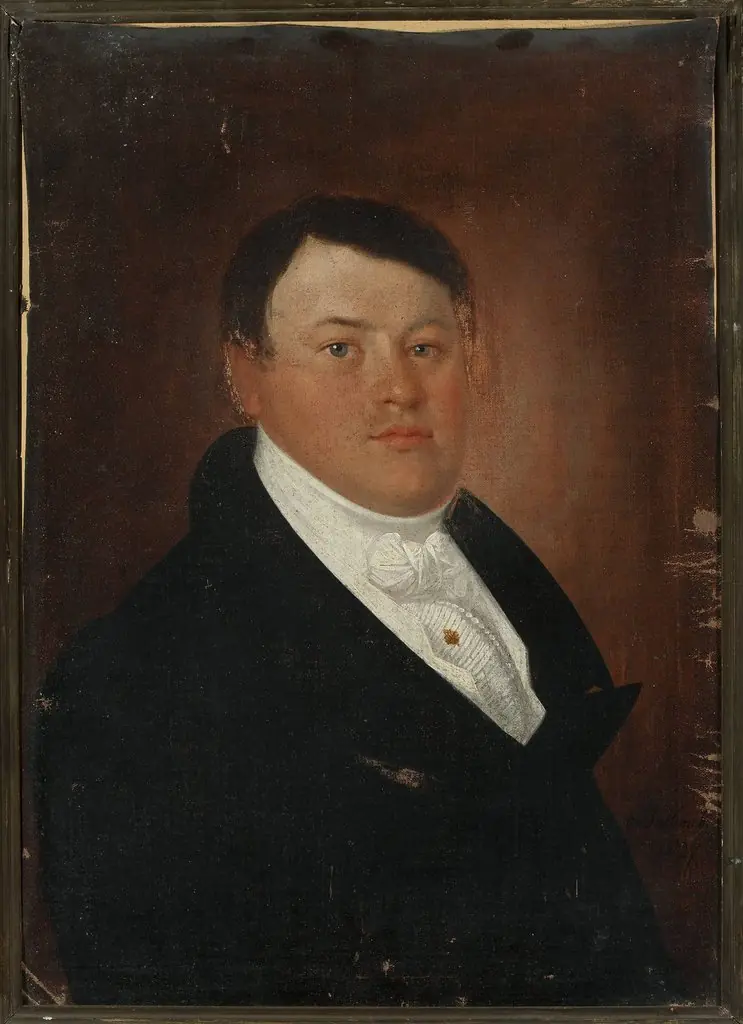 Portrait of a man
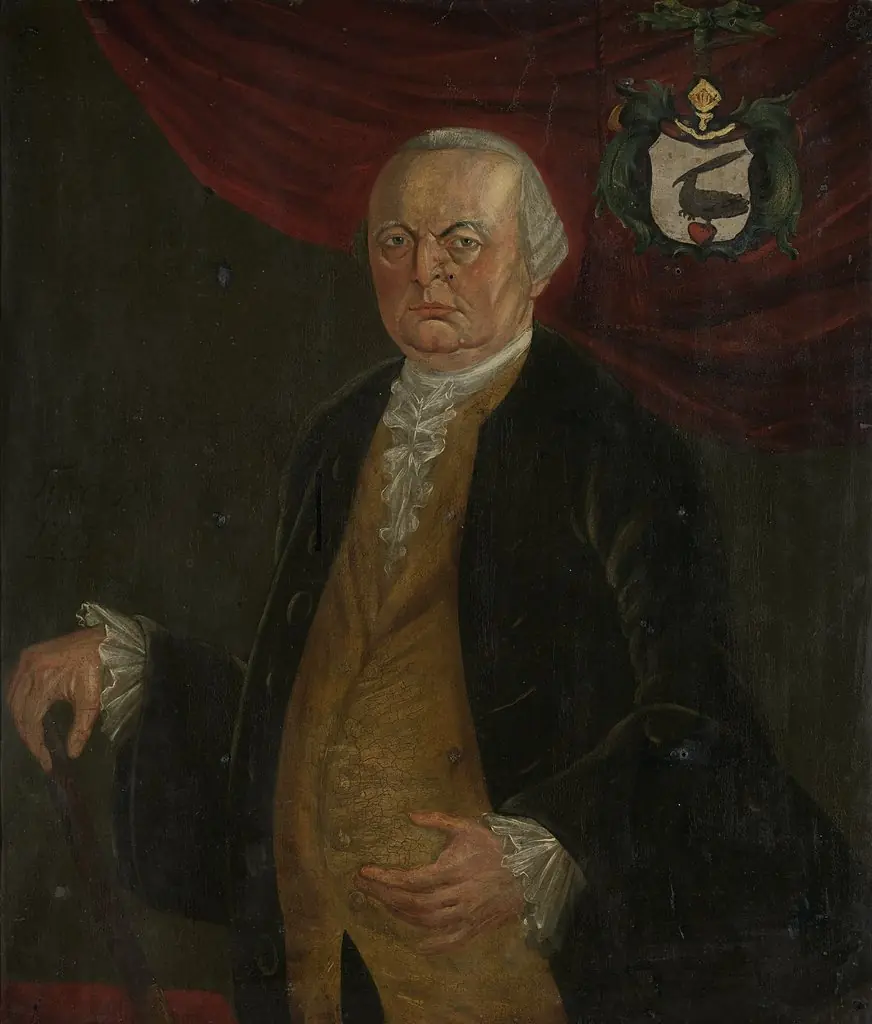 Portrait of Reinier de Klerk (1710-80), Gouverneur-generaal (1777-80)
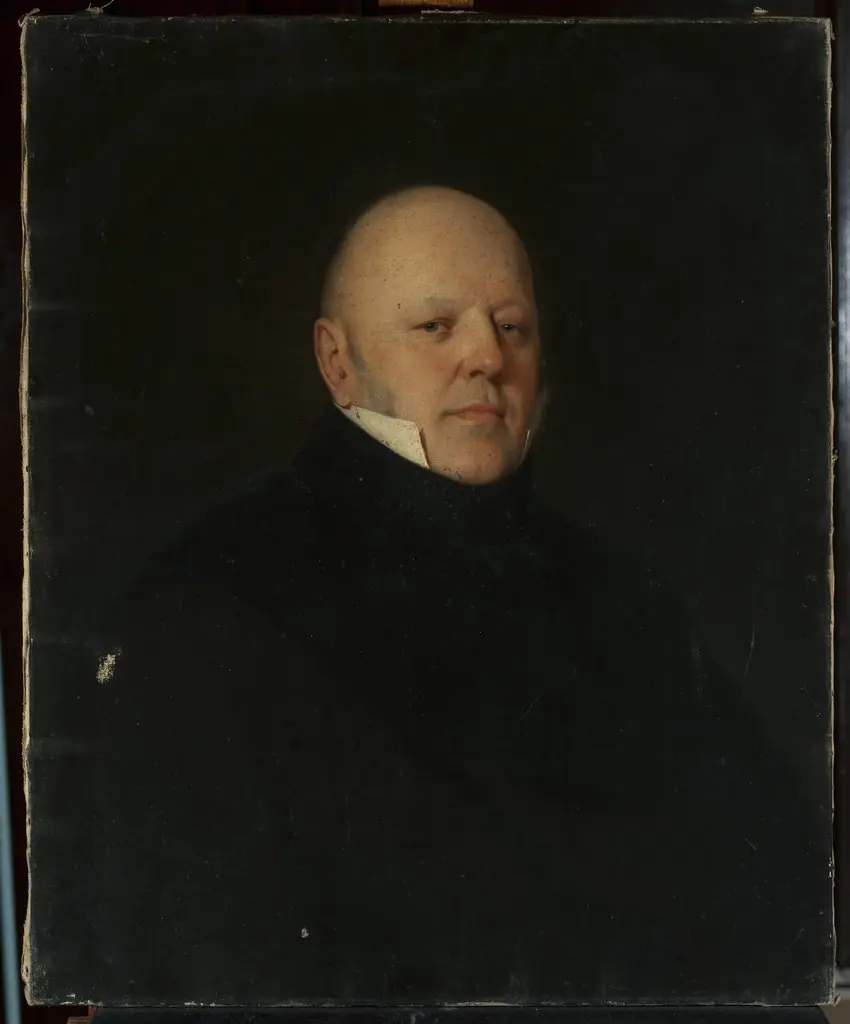 Portrait of Łubieński (?)
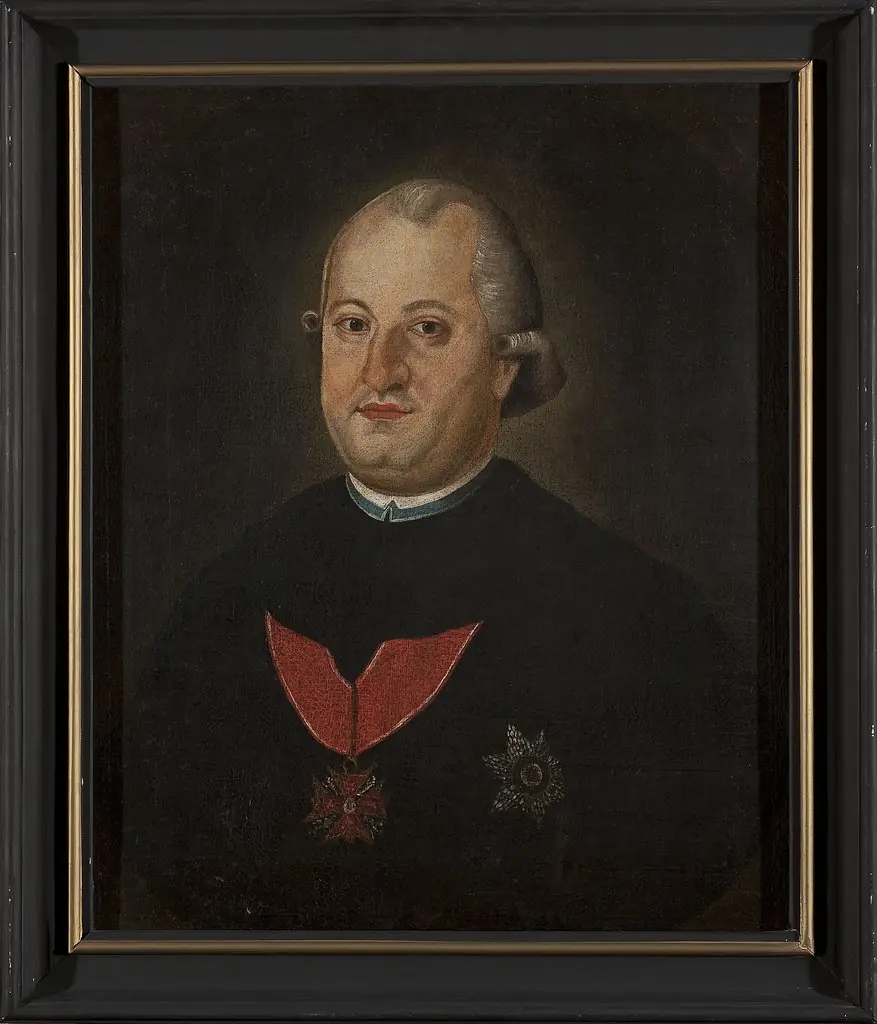 Portrait of Teodor Siemieński (d. 1794), prelate and canon in Warsaw
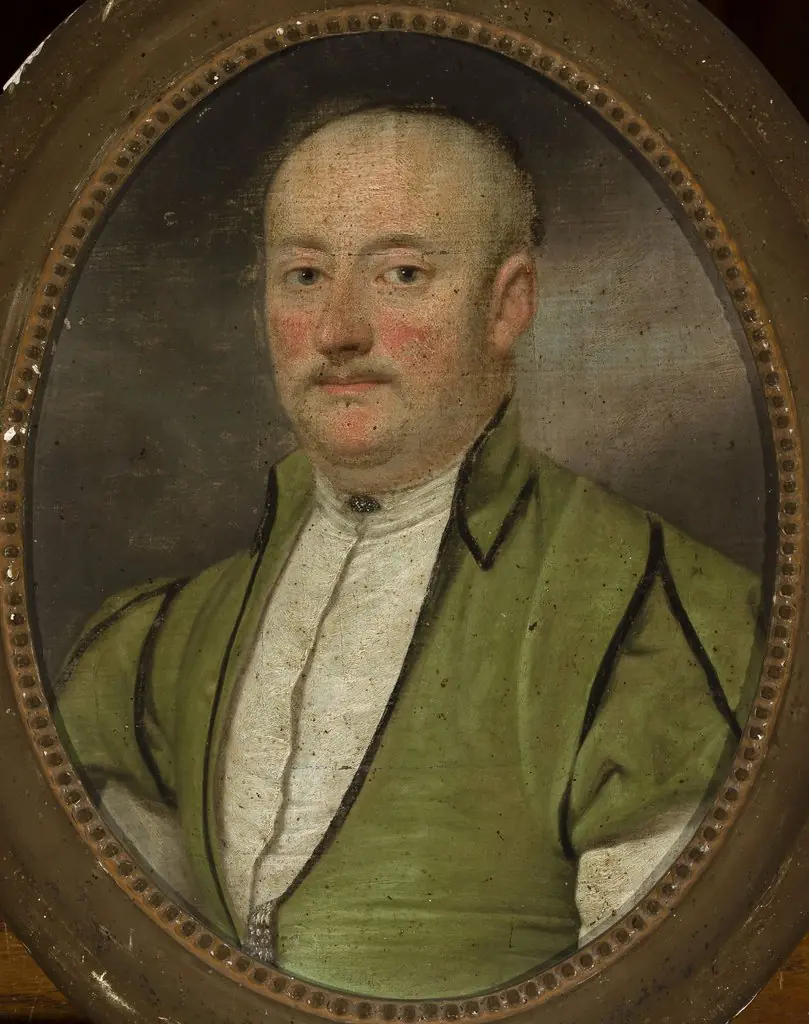 Portrait of Karol Węgliński
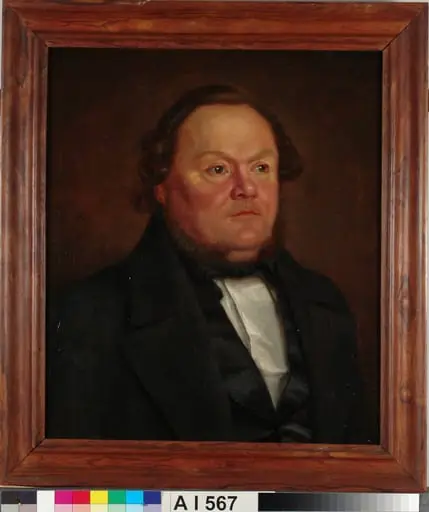 Oulun kaupunginvoudin Jacob Forssin muotokuva
 Portrait of Petrus Albertus van der Parra (1714-1775)
 Professor, dr. med. J.D. Herholdt
 Portrait of Augustus III (1696–1763), King of Poland
 Portrait of N.Aubert, a French Teacher in Moscow
 Portrait of Marcin Morawski (1770–1830)