Artwork
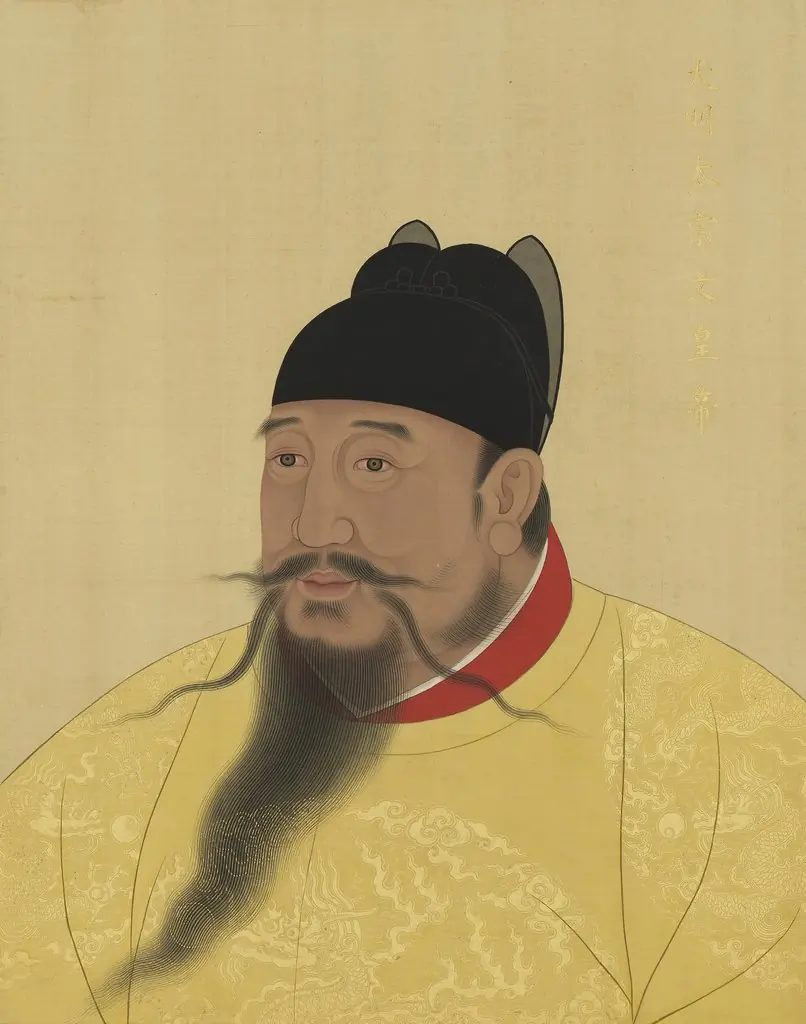
明代帝后半身像册(一)-宣宗章皇帝
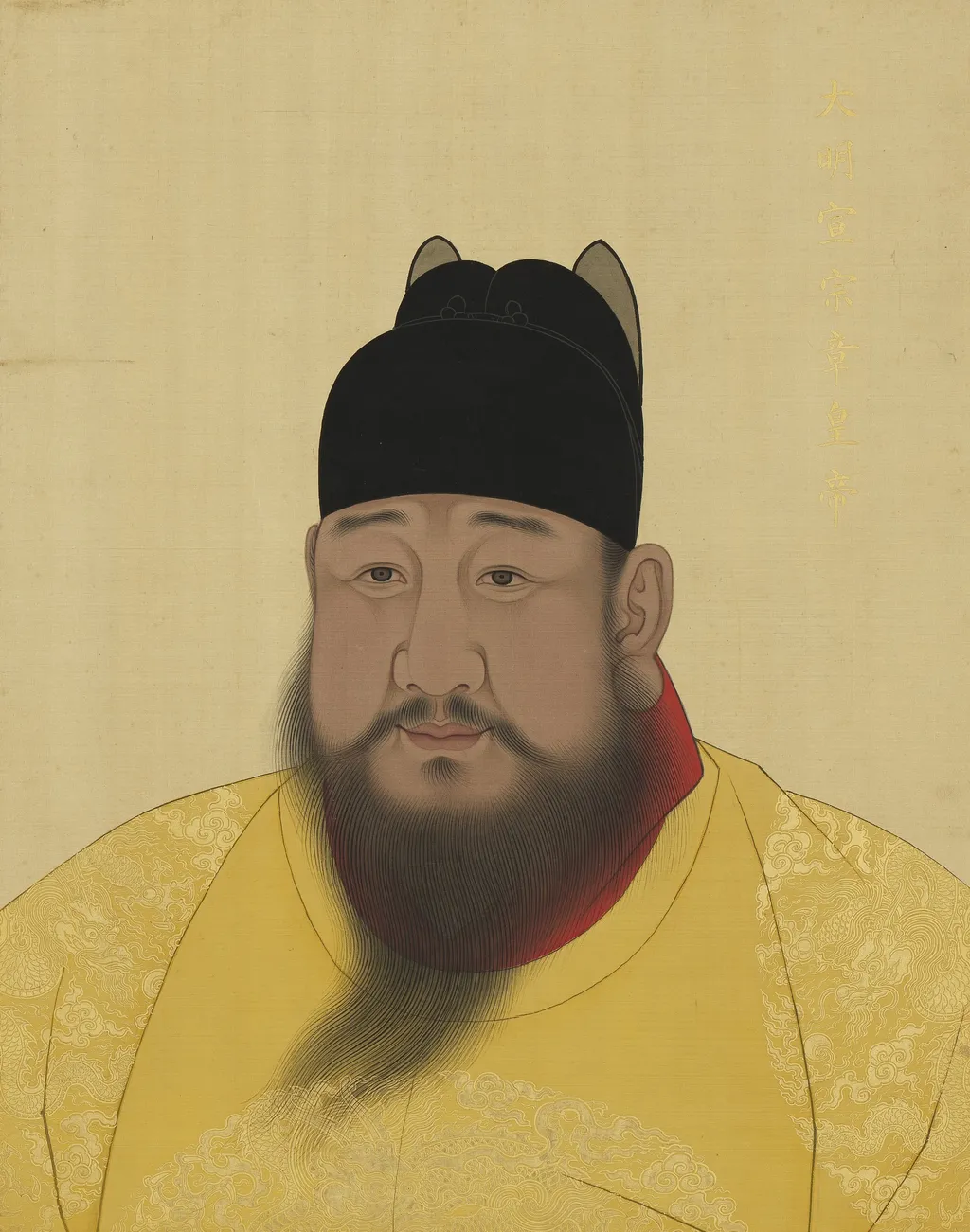
明代帝后半身像册(一)-宣宗章皇帝 is an unspecified painting by Unknown. It dates from 1850 and is held in the collection of the National Palace Museum. The work is a portrait from the Ming dynasty depicting an imperial figure.
About this work
Overview
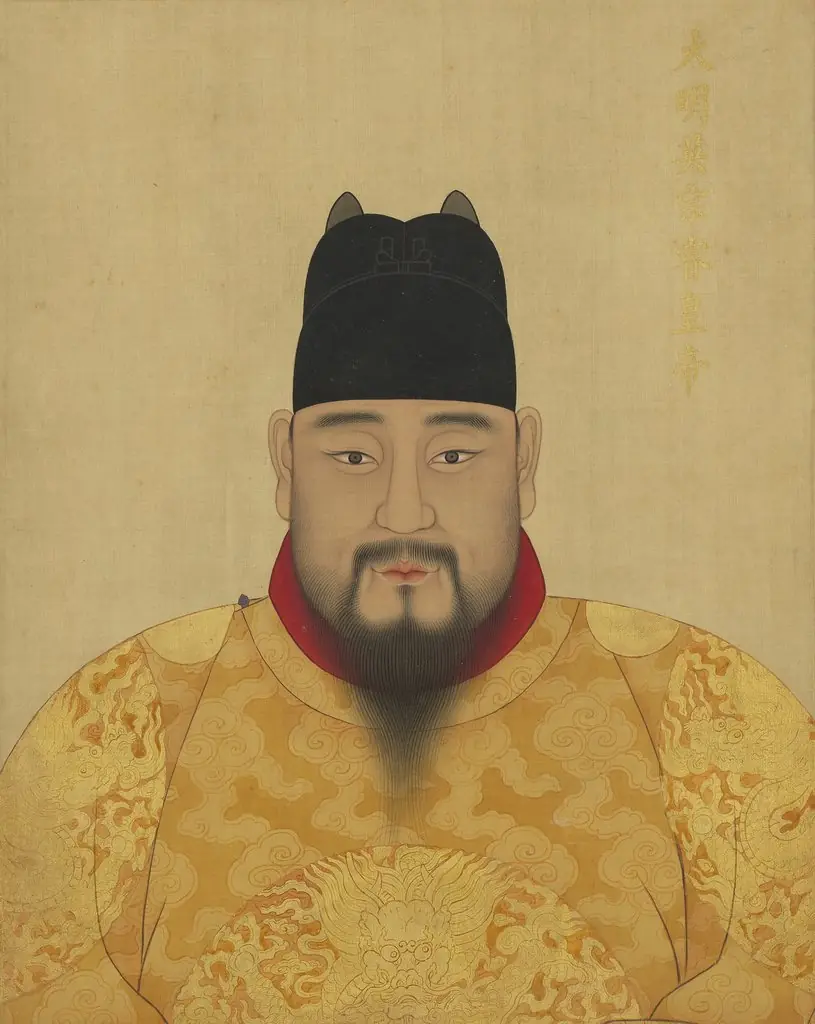
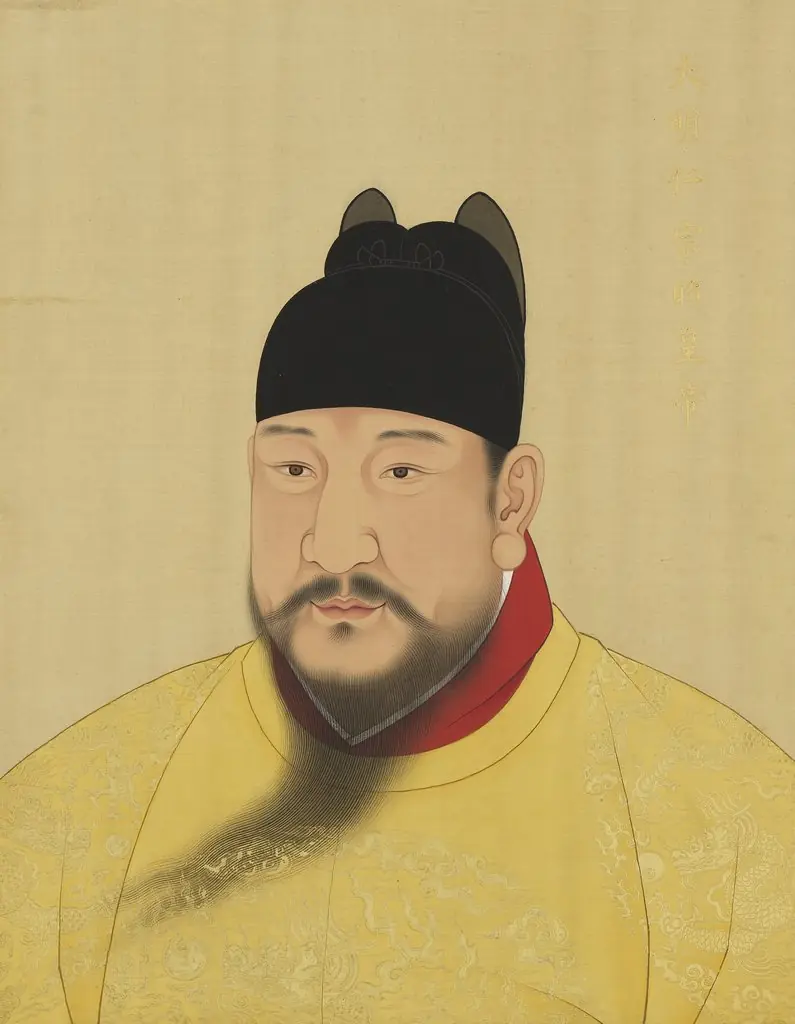
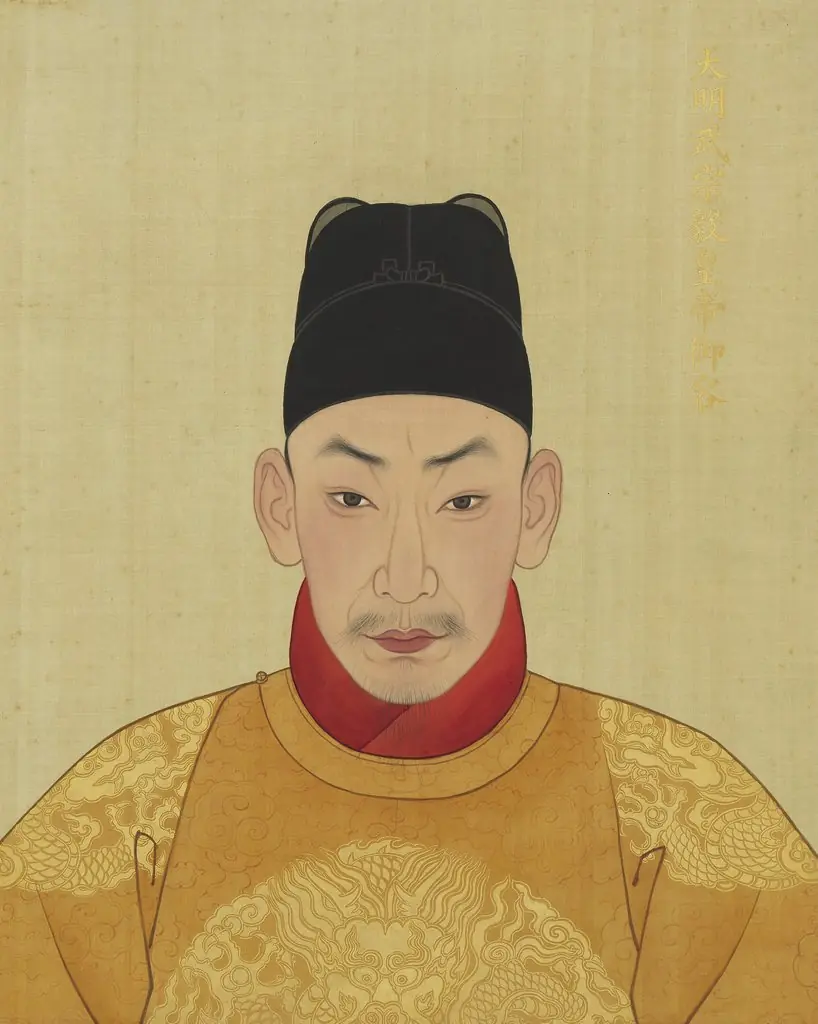
The work is a portrait from the Ming dynasty depicting an imperial figure. Rendered on paper, the image shows a man in a black hat with two pointed flaps, a yellow robe adorned with white motifs, and a light tan background. The composition focuses on the sitter’s solemn expression and straight‑ahead gaze.
Subject & Meaning
The portrait represents the Ming emperor known as the Zhengtong Emperor, also titled Emperor Xuanzong. As a half‑length depiction, it emphasizes his authority through formal attire and a dignified demeanor, reflecting the courtly conventions of imperial representation in the 15th century.
Technique & Style
Executed with fine, delicate brushwork, the artist employs thin, controlled lines to delineate facial features, the flowing robe, and the hat’s structure. The restrained palette—primarily black, yellow, white, and a muted tan ground—conveys a sense of elegance and restraint characteristic of Ming court portraiture.
History & Provenance
The painting is part of a series of half‑length imperial portraits compiled during the Ming period. It entered the collection of the National Palace Museum in Taipei, where it is catalogued among other court artworks that survived the relocation of the imperial collection in the 20th century.
Context
During the Ming era, portraiture served both documentary and propagandistic purposes, reinforcing the emperor’s legitimacy. The use of the yellow robe, a color reserved for the sovereign, and the specific hat style align the work with official visual codes prescribed by the court.
Artist & collection

 Domestic Scene
 Giacomo and Cardinal Marco, investing Andrea, Abbot of San Zeno, with his Benefice
 The Nymph of Fontainebleau
 Portrait of a Woman
 Madonna and Child with Saints in the Enclosed Garden
 Venus and Minerva
 Family Group of Four on Sofa
 Wall painting from Room H of the Villa of P. Fannius Synistor at Boscoreale