Artwork
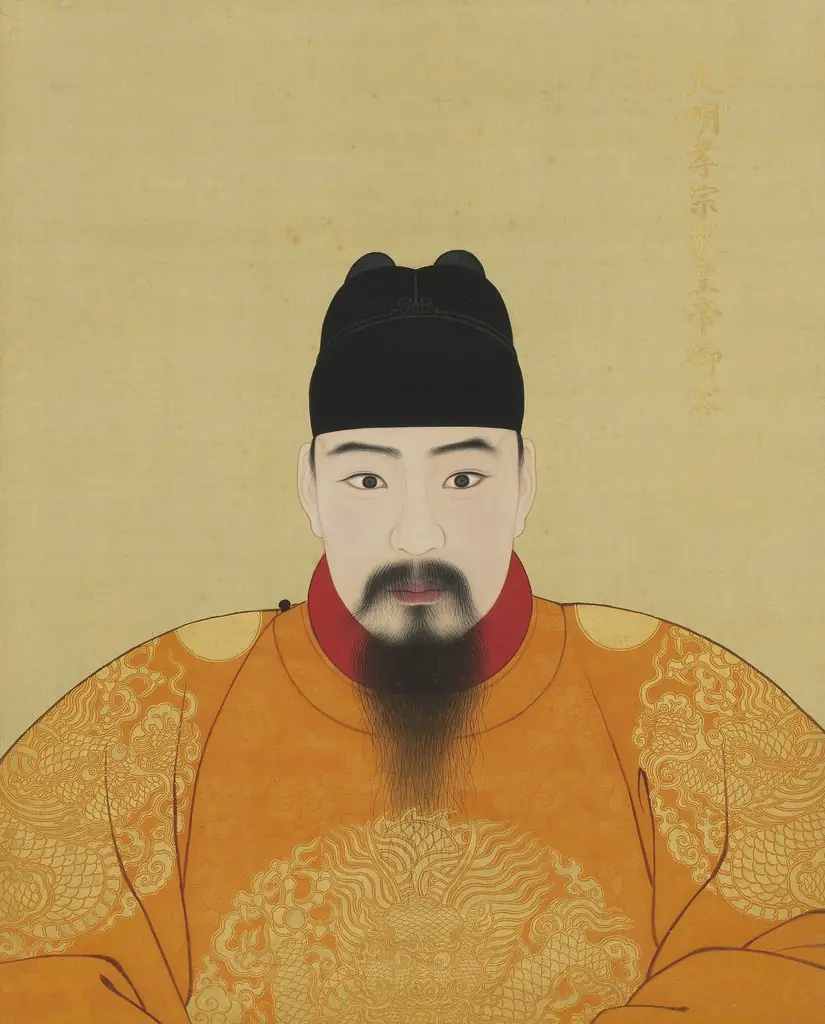
明代帝后半身像册(一)-武宗毅皇帝
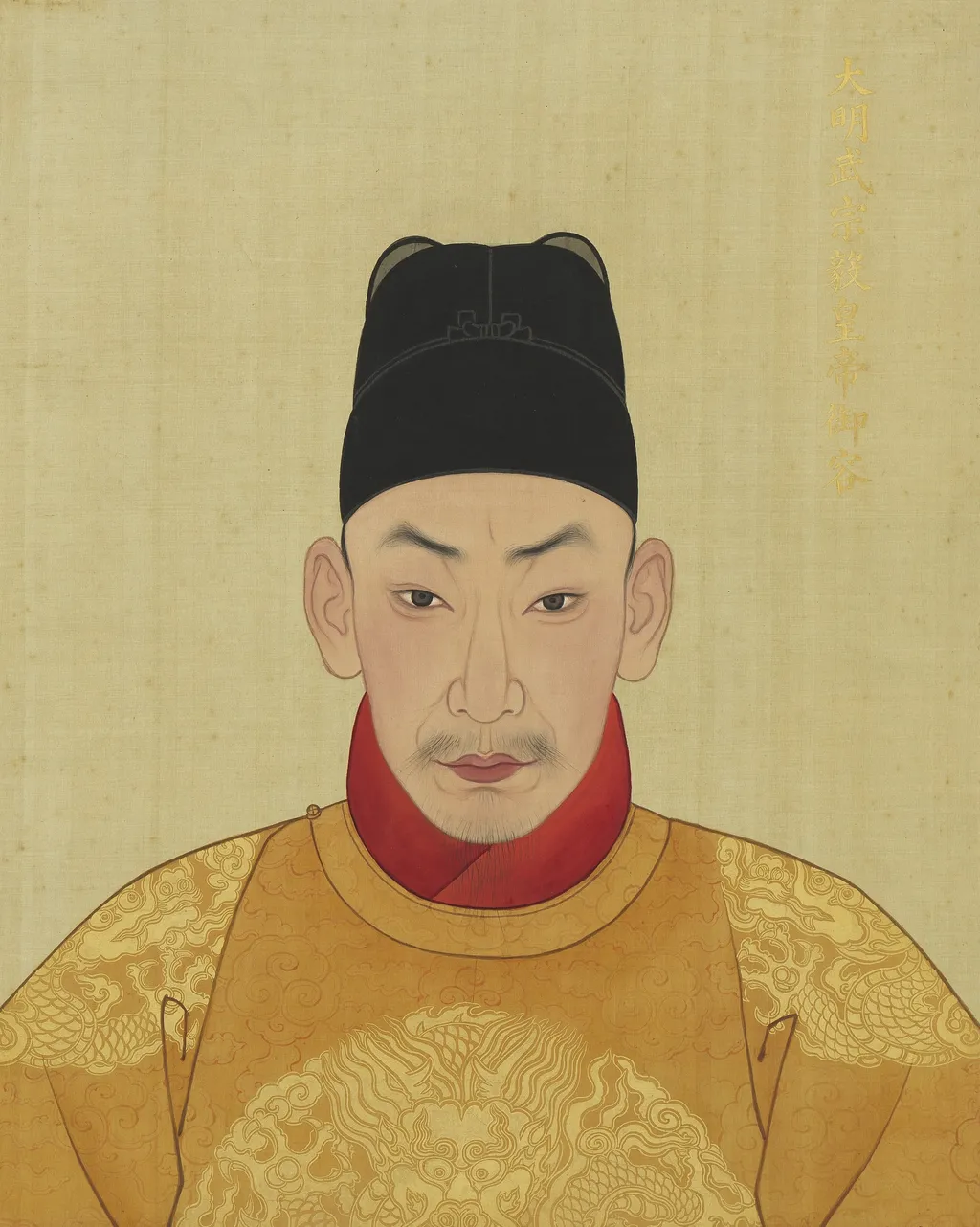
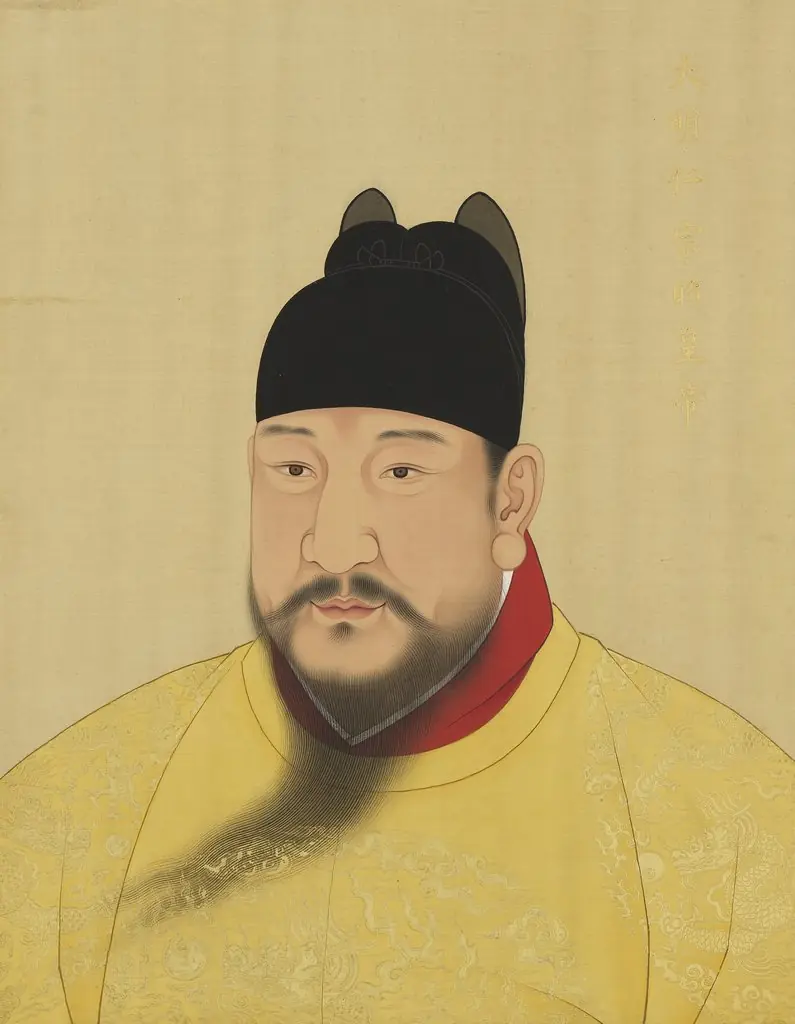
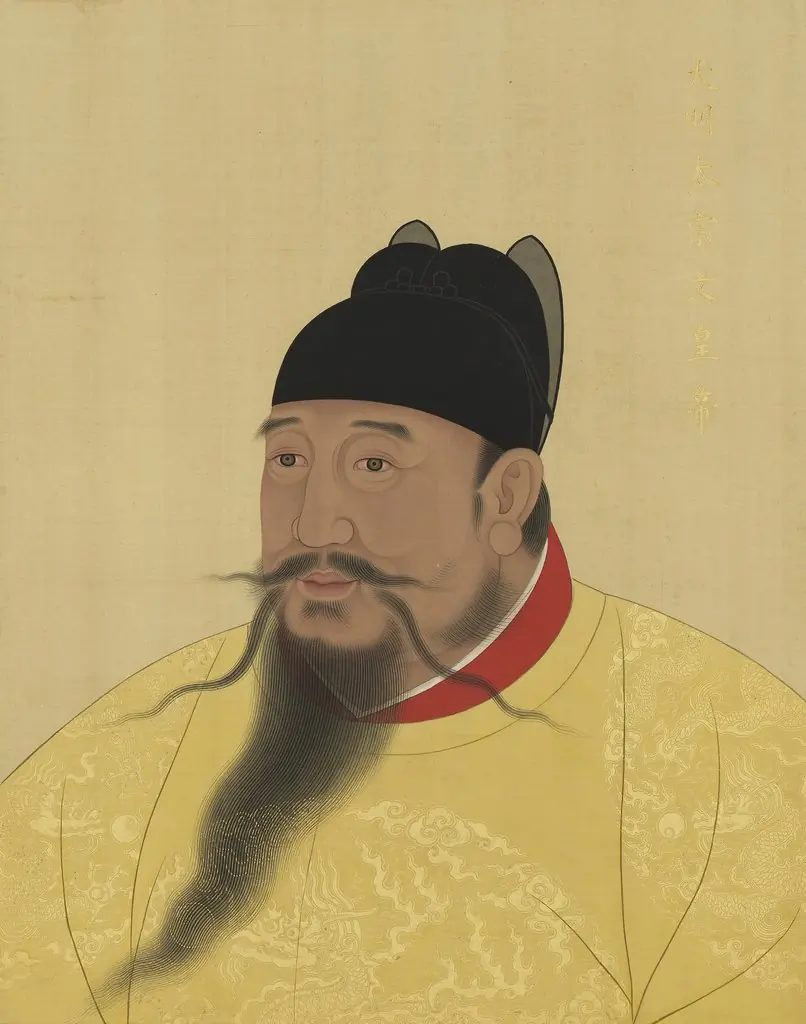
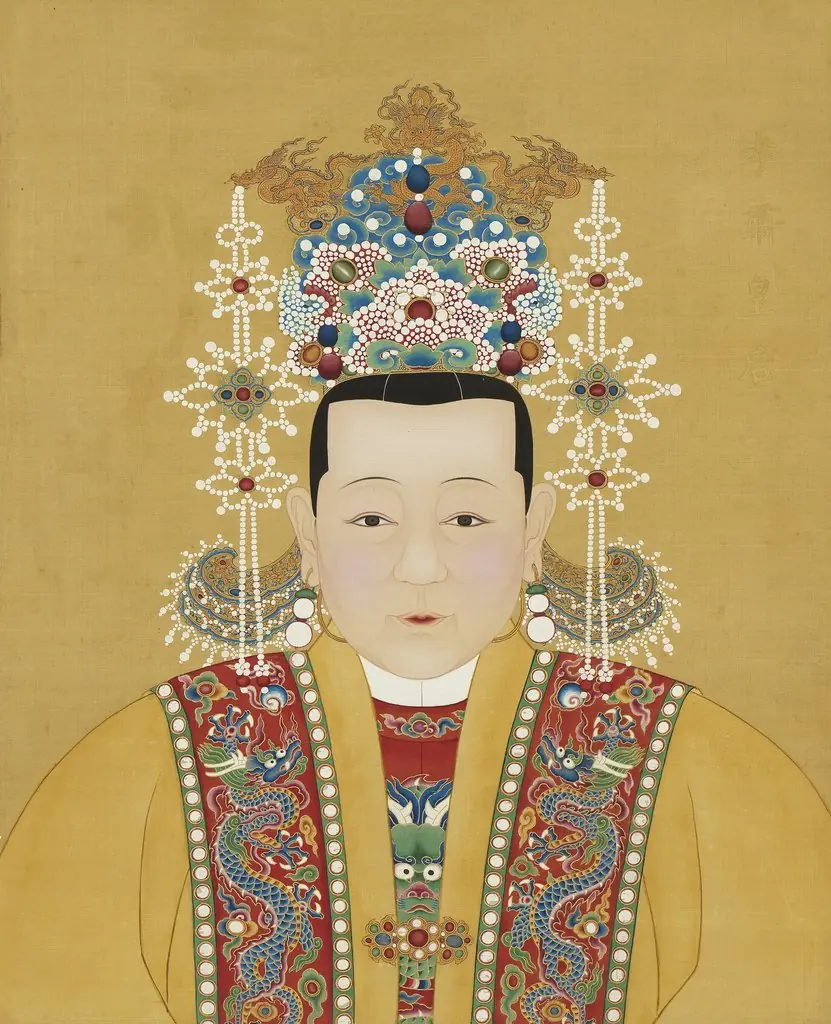
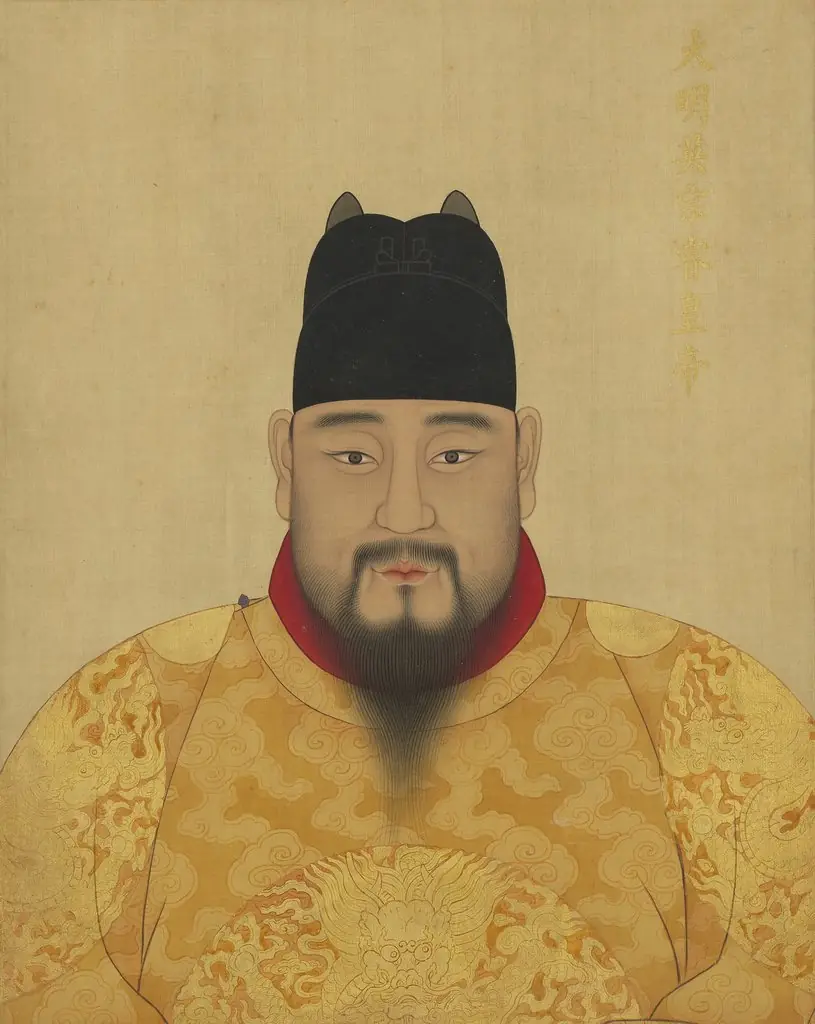
明代帝后半身像册(一)-武宗毅皇帝 is an unspecified painting by Unknown. It dates from 1850 and is held in the collection of the National Palace Museum. The work is a half‑length portrait from the Ming dynasty, portraying an imperial figure in a formal pose.
About this work
Overview
The work is a half‑length portrait from the Ming dynasty, portraying an imperial figure in a formal pose. Rendered on a neutral, beige ground, the composition focuses on the sitter’s face and upper garments, emphasizing his dignified bearing.
Subject & Meaning
The portrait represents Emperor Wu Zong Yi, a ruler of the Ming court, identified by his distinctive black hat and yellow ceremonial robe. The solemn expression and careful rendering convey the authority and decorum expected of an emperor in official portraiture.
Technique & Style
Executed with fine brushwork, the painting displays meticulous attention to the texture of the robe’s patterned embroidery and the subtle modeling of facial features. The use of layered glazes creates a gentle gradation of tone, lending the figure a three‑dimensional presence without overt chiaroscuro.
History & Provenance
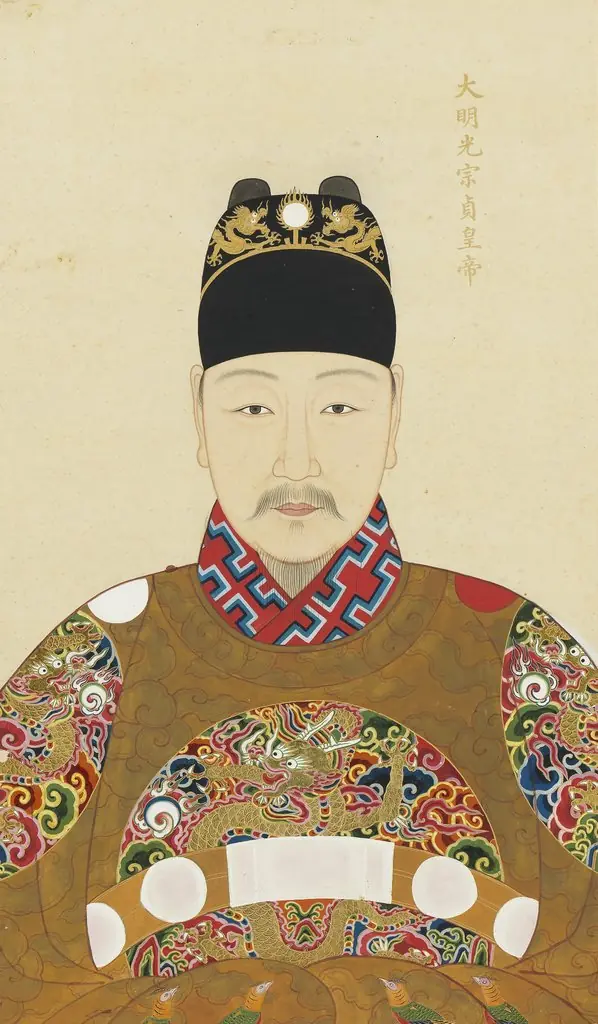
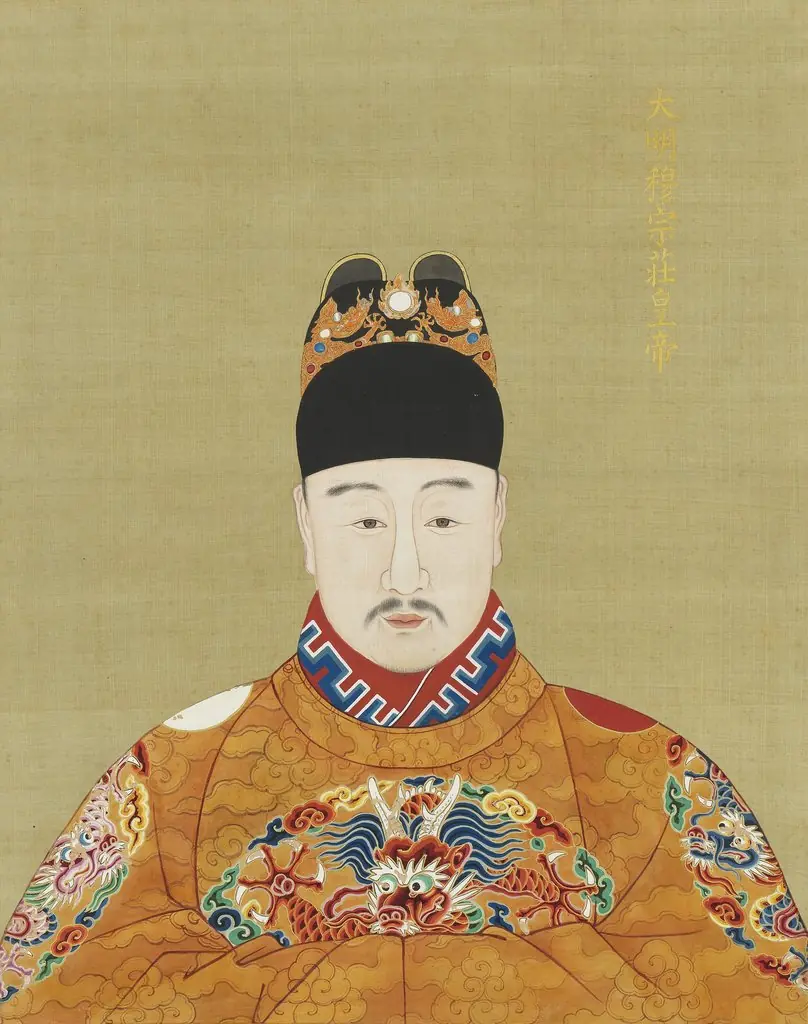
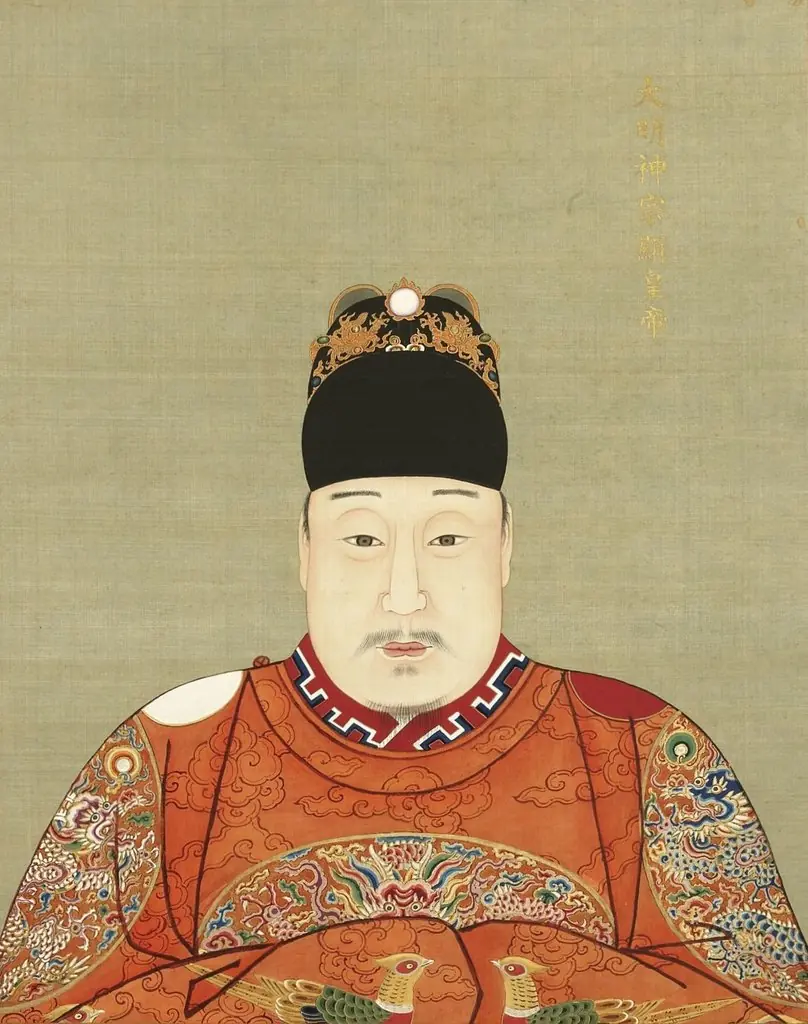
Part of a series of imperial half‑body portraits compiled during the Ming period, the piece has been preserved within Chinese collections and later entered museum holdings, where it serves as a representative example of court portraiture from that era.
Context
Imperial portraits of the Ming dynasty were produced to affirm the sovereign’s legitimacy and to provide a visual record for ceremonial and administrative purposes. The yellow robe, reserved for the emperor, and the formal headgear reflect the strict hierarchical symbolism embedded in court attire.
Artist & collection

 Domestic Scene
 Giacomo and Cardinal Marco, investing Andrea, Abbot of San Zeno, with his Benefice
 The Nymph of Fontainebleau
 Portrait of a Woman
 Madonna and Child with Saints in the Enclosed Garden
 Venus and Minerva
 Family Group of Four on Sofa
 Wall painting from Room H of the Villa of P. Fannius Synistor at Boscoreale