Artwork
Die büßende Magdalena
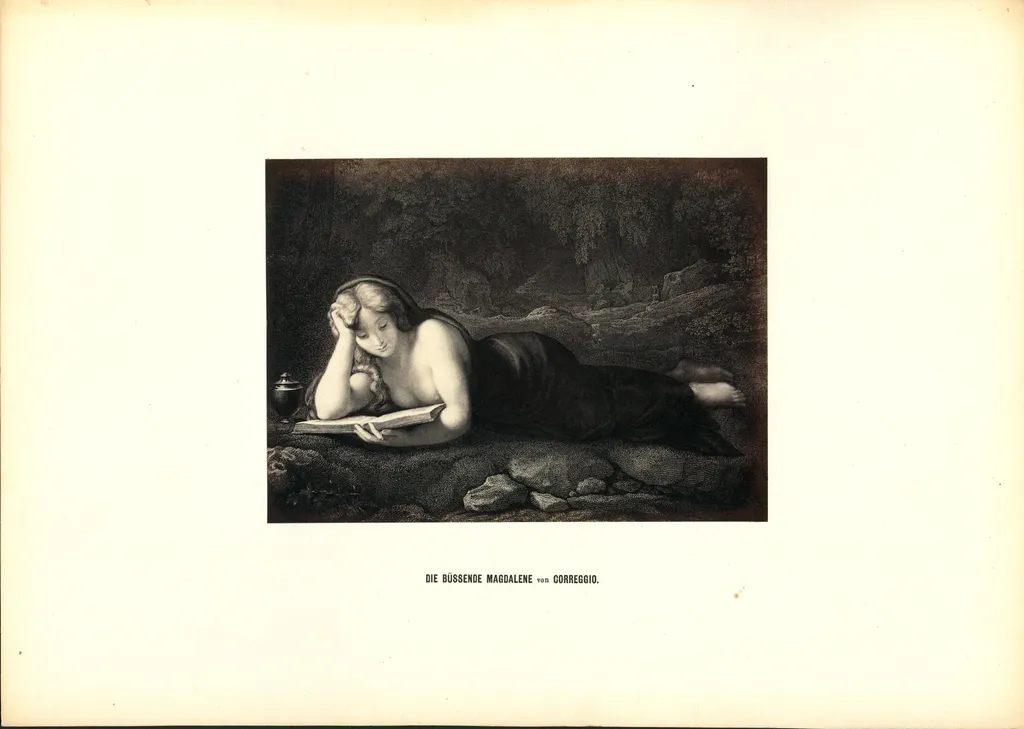
Die büßende Magdalena is an unspecified painting by the Early Baroque Italian artist Unknown. It dates from 1623 and is held in the collection of the Staatliche Kunstsammlungen Dresden. This oil painting portrays Mary Magdalene in a moment of quiet introspection, set against a deep, unbroken shadow.
About this work
Overview
Her reclining form, draped in a somber robe and head covering, is illuminated subtly by a soft light that emphasizes her posture and the book in her hand.
This oil painting portrays Mary Magdalene in a moment of quiet introspection, set against a deep, unbroken shadow. Her reclining form, draped in a somber robe and head covering, is illuminated subtly by a soft light that emphasizes her posture and the book in her hand. The composition avoids narrative detail, focusing instead on solitude and inner stillness, characteristic of Counter-Reformation devotional art.
Subject & Meaning
The figure is identified as Mary Magdalene, traditionally associated with repentance and spiritual transformation. The book she holds alludes to her role as a witness to Christ’s resurrection and her devotion to sacred texts. Her hand resting on her forehead suggests meditation or sorrow, reinforcing the theme of penitence central to her iconography in early modern religious art.
Technique & Style
The artist employs chiaroscuro to model the figure against the dark background, creating depth without overt lighting sources. Brushwork is restrained, favoring smooth transitions and muted tones. The absence of landscape or architectural elements narrows focus to the figure’s emotional state, aligning with a trend toward intimate, psychologically grounded religious imagery in the 17th century.
History & Provenance
The painting resides in the Gemäldegalerie Alte Meister in Dresden, where it has been held since at least the 18th century. Its attribution and early ownership remain uncertain, though stylistic analysis links it to Northern European traditions of devotional painting, possibly from the Rhineland or Netherlands during the early 1600s.
Context
Created during a period when the Catholic Church emphasized personal piety and contemplative devotion, the image reflects broader efforts to inspire spiritual reflection through art. Unlike dramatic martyrdom scenes, this work invites quiet engagement, aligning with Jesuit and Benedictine spiritual practices that valued inner prayer over external spectacle.
Legacy
The painting contributes to a quiet but persistent tradition of Magdalene imagery that prioritizes psychological realism over theatricality. While less widely known than Baroque interpretations, its restrained composition influenced later devotional works that favored solitude and subtlety as vehicles for spiritual connection.
Artist & collection

 Domestic Scene
 Giacomo and Cardinal Marco, investing Andrea, Abbot of San Zeno, with his Benefice
 The Nymph of Fontainebleau
 Portrait of a Woman
 Madonna and Child with Saints in the Enclosed Garden
 Venus and Minerva
 Family Group of Four on Sofa
 Wall painting from Room H of the Villa of P. Fannius Synistor at Boscoreale
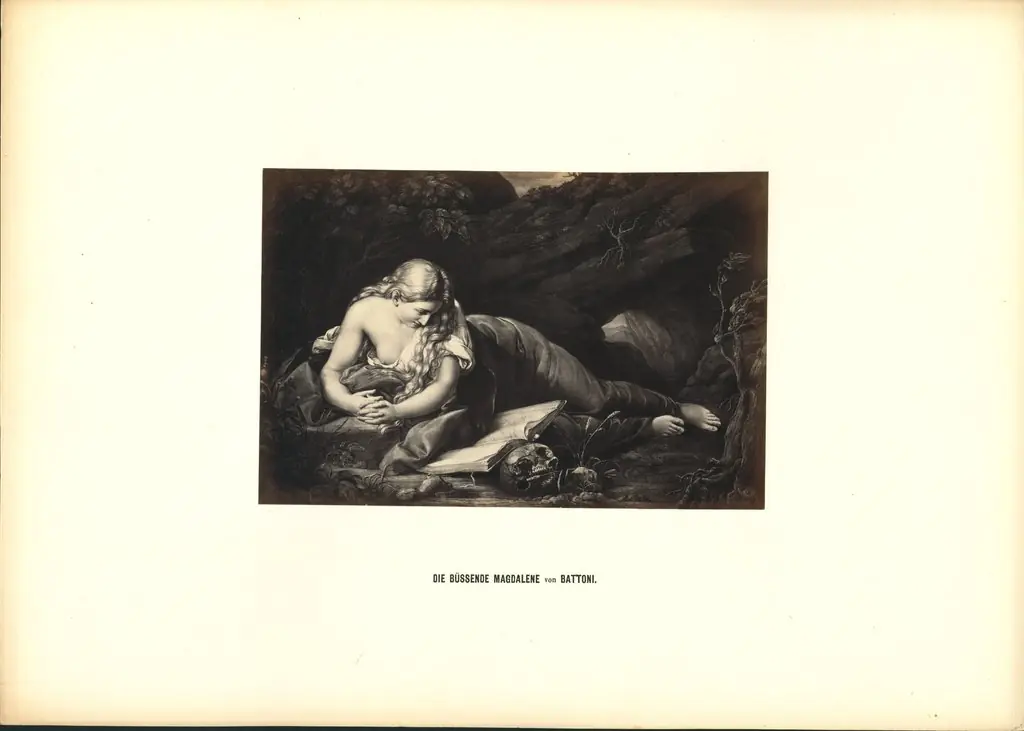 Maddalena penitente
 Young Woman Sitting near a Tree
 Ever of Thee, I'm Fondly Dreaming - Sheet Music Cover
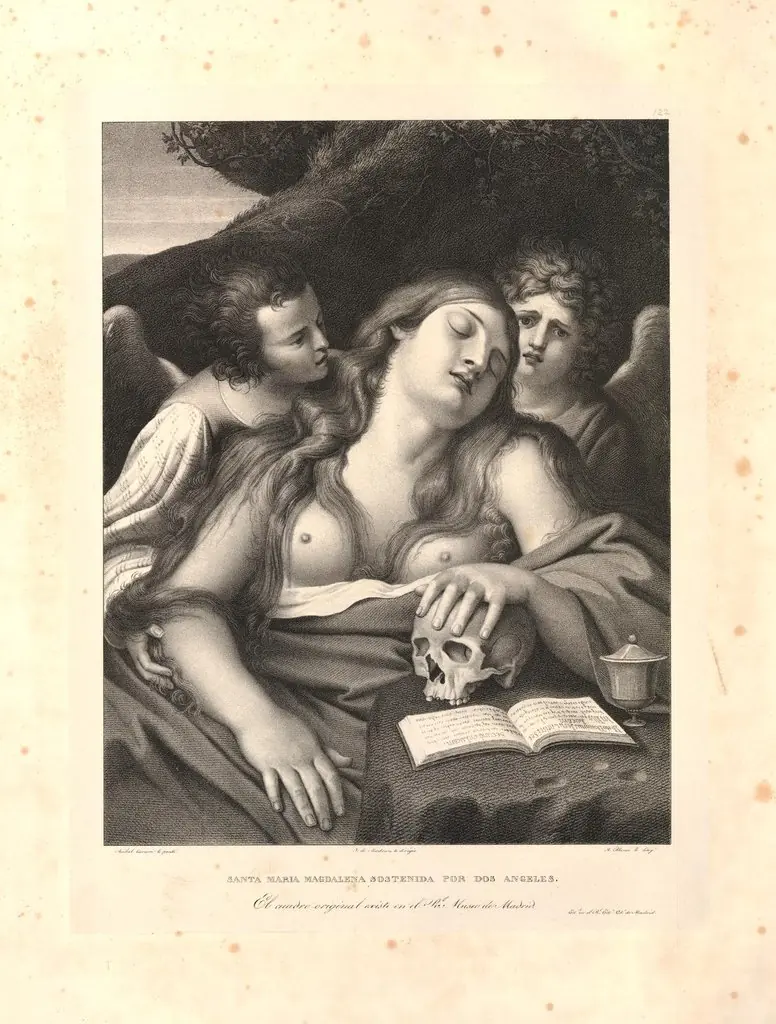 Mary Magdalene and Two Angels
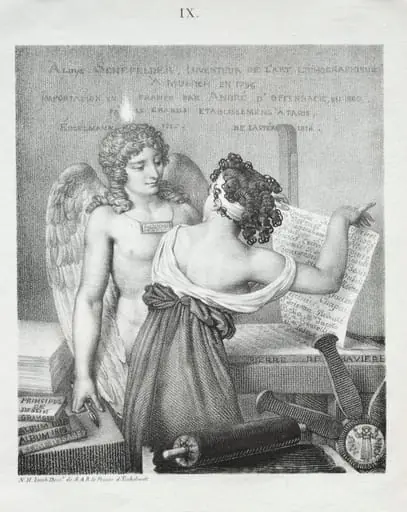 The Genius of Lithography
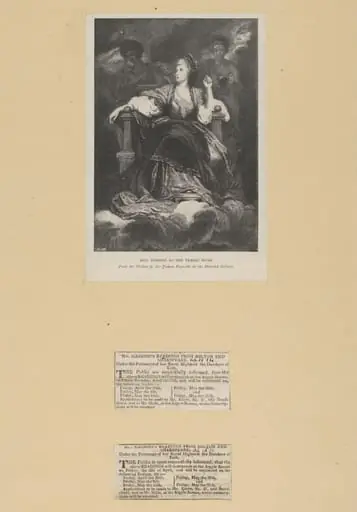 H Beard Print Collection
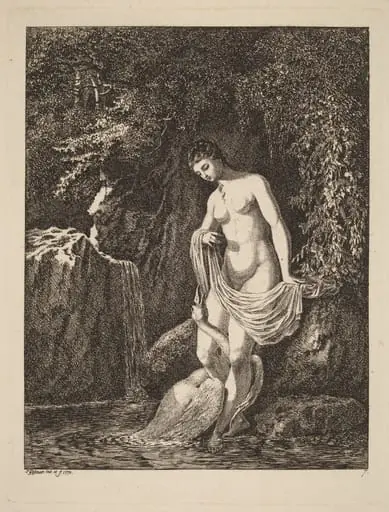 Leda and the Swan
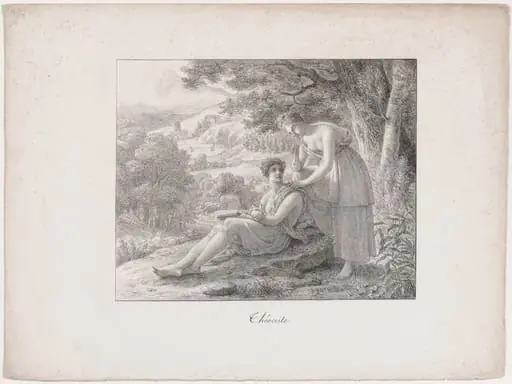 Théocrite (Theorcritus)
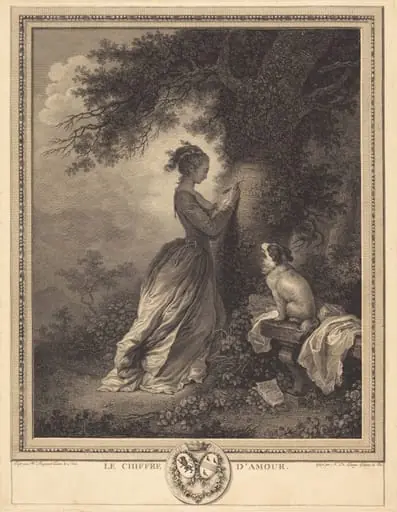 Le Chiffre d'amour
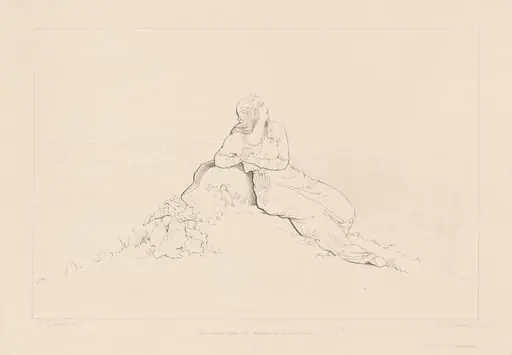 The Sunrise Drew Her Thoughts to Europe
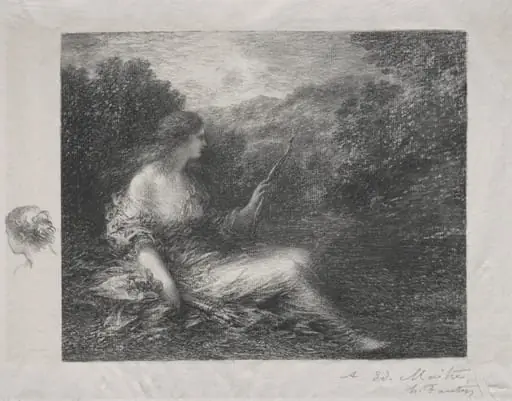 The Huntress
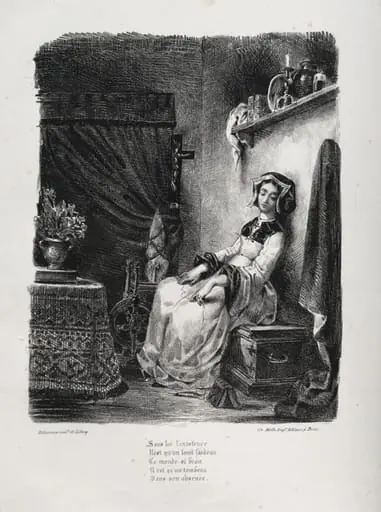 Illustrations for Faust: Marguerite with the wheel