Artwork
Maddalena penitente
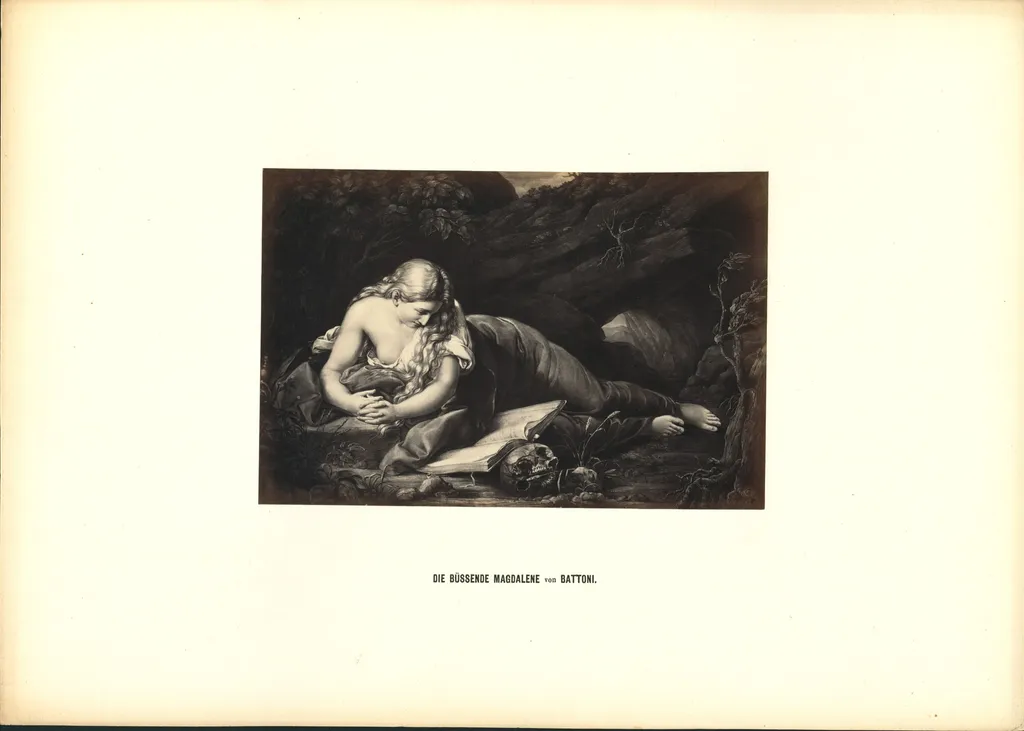
Maddalena penitente is an oil painting by the Rococo painting artist Pompeo Batoni. It dates from 1742 and is held in the collection of the Staatliche Kunstsammlungen Dresden.
About this work
Overview
Executed during the height of the Rococo era, the painting diverges from the period’s ornamental tendencies by emphasizing quiet introspection.
Painted in 1742 by Pompeo Batoni, *Maddalena penitente* is an oil-on-canvas work portraying Mary Magdalene in a moment of private devotion. Executed during the height of the Rococo era, the painting diverges from the period’s ornamental tendencies by emphasizing quiet introspection. It resides today in the Gemäldegalerie Alte Meister in Dresden, where it is valued for its restrained emotional tone and refined execution.
Subject & Meaning
The figure of Mary Magdalene is shown not as a saint in glory, but as a penitent soul absorbed in contemplation. Her bowed head and clasped hands signal inner reflection, while the skull and open book at her feet evoke themes of mortality and spiritual study. The absence of overt drama or celestial intervention underscores a personal, intimate encounter with faith, aligning with Counter-Reformation ideals of sincere repentance.
Technique & Style
Batoni employs chiaroscuro to model the figure with subtle gradations of light, isolating her against a shadowed, rocky landscape. The texture of her robe is rendered with soft, fluid brushwork, contrasting with the roughness of the terrain and the matte surface of the book. The composition is tightly focused, eliminating distractions to heighten the psychological weight of the scene, reflecting Batoni’s mastery of controlled realism.
History & Provenance
Commissioned during Batoni’s early career, the painting entered the collection of the Saxon royal family in the 18th century and has remained in Dresden since. Its presence in the Gemäldegalerie Alte Meister reflects its early recognition as a significant example of Italian religious painting. No major alterations or reworkings are documented, preserving its original state and intent.
Context
Created in the mid-18th century, the work responds to enduring Catholic devotional traditions that emphasized personal penitence. While Rococo art often favored elegance and movement, Batoni’s approach aligns more closely with the quiet solemnity of earlier Baroque models. The painting reflects a broader cultural moment in which religious imagery sought to inspire inward reflection rather than public spectacle.
Legacy
Though not widely reproduced, *Maddalena penitente* remains a key example of Batoni’s ability to merge portraiture with spiritual narrative. It influenced later artists seeking to depict religious subjects with psychological depth rather than theatricality. Its enduring presence in a major European collection affirms its role as a quiet but significant contribution to 18th-century sacred art.
Artist & collection
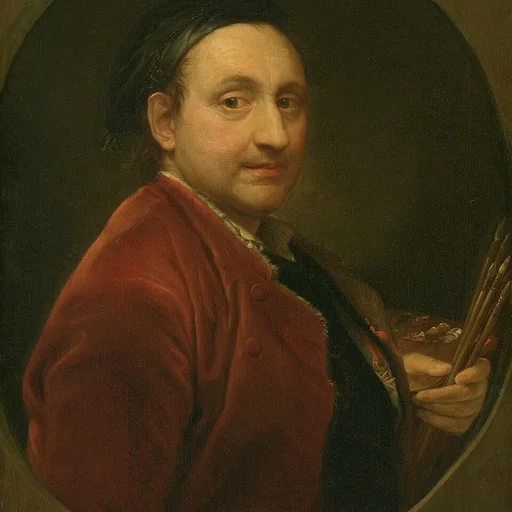
Artist
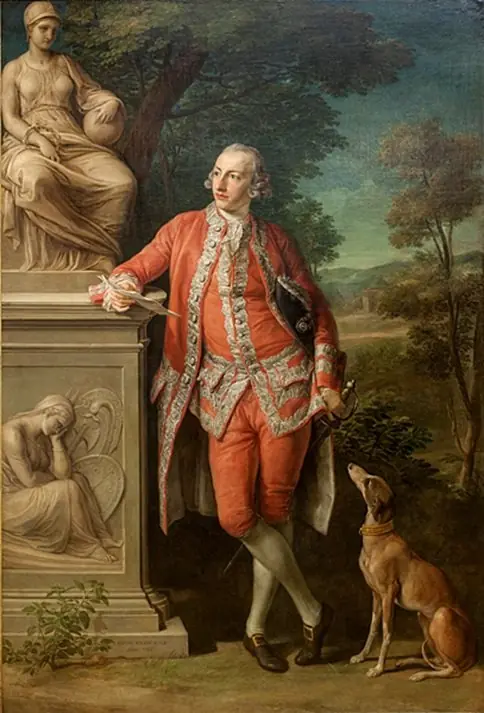
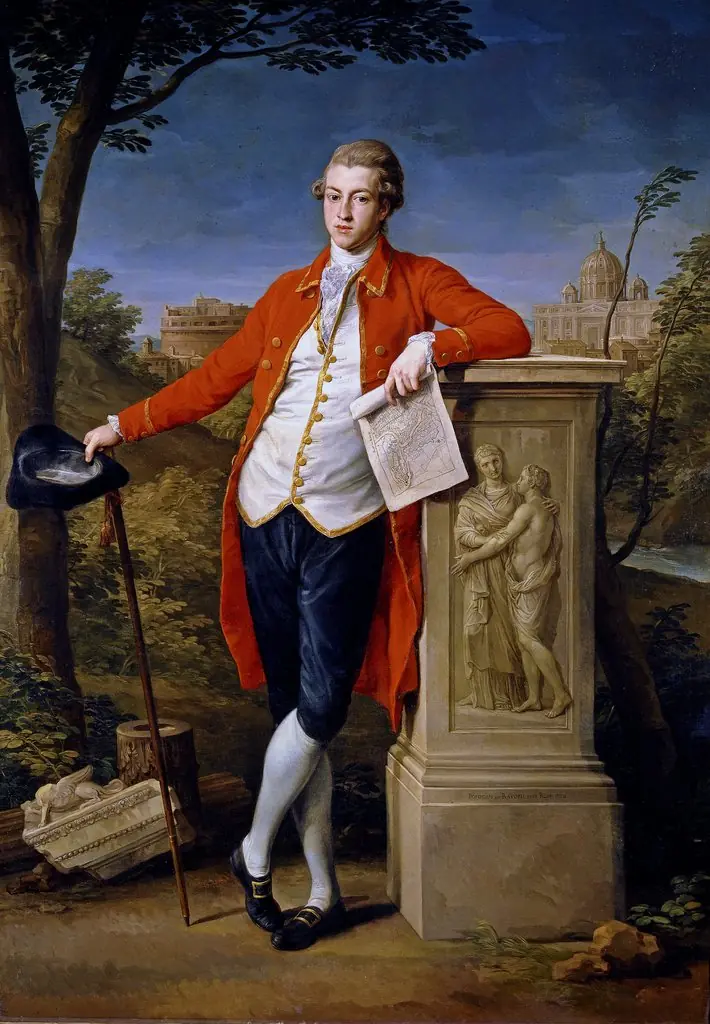
Pompeo Girolamo Batoni (25 January 1708 – 4 February 1787) was an Italian painter who displayed a solid technical knowledge in his portrait work and in his numerous allegorical and mythological pictures.

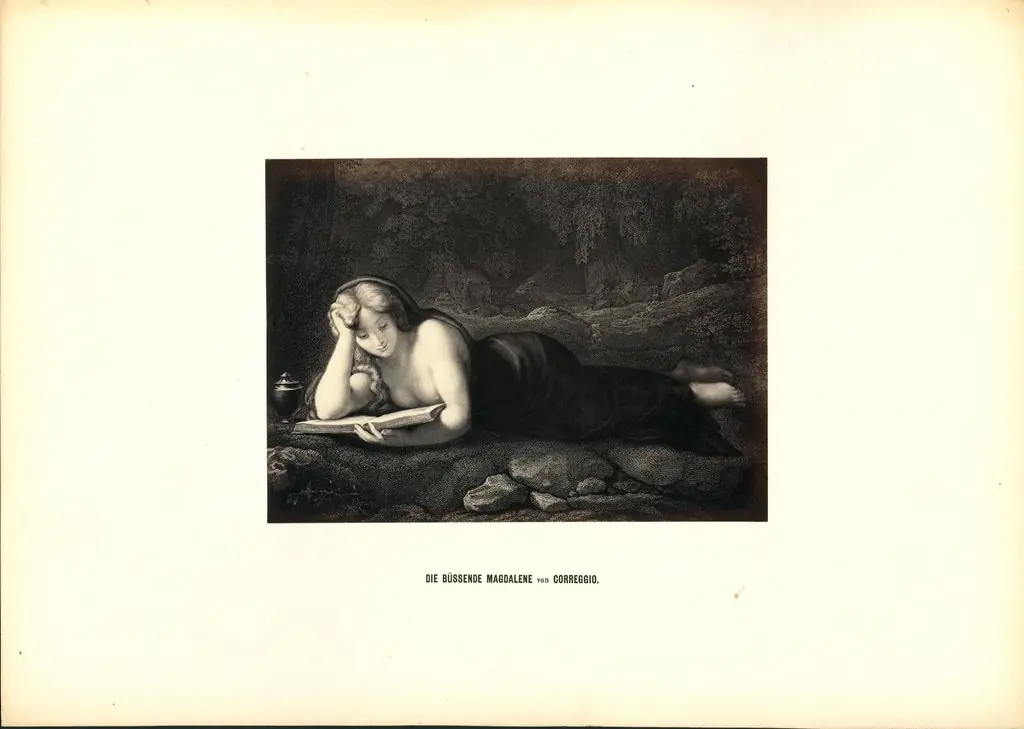 Die büßende Magdalena
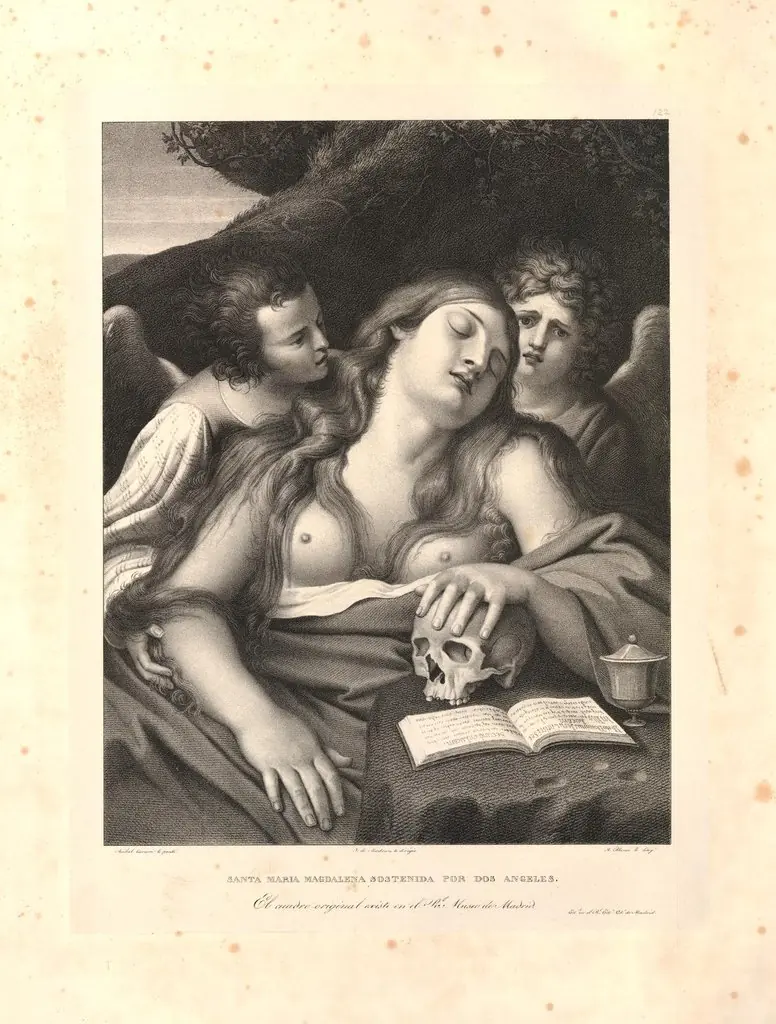 Mary Magdalene and Two Angels
 La nuit
 Print showing Nell Gwyn and her sons
 Young Woman Sitting near a Tree
 H Beard Print Collection
 Hüssener, Auguste: Andruckbogen mit vier Gemäldereproduktionen
 Tristan and Isolde, Act II: Signal in the Night
 Stripping the Slain
 Holy Family
 Inspiration
 H Beard Print Collection