Artwork
Romeo and Juliet
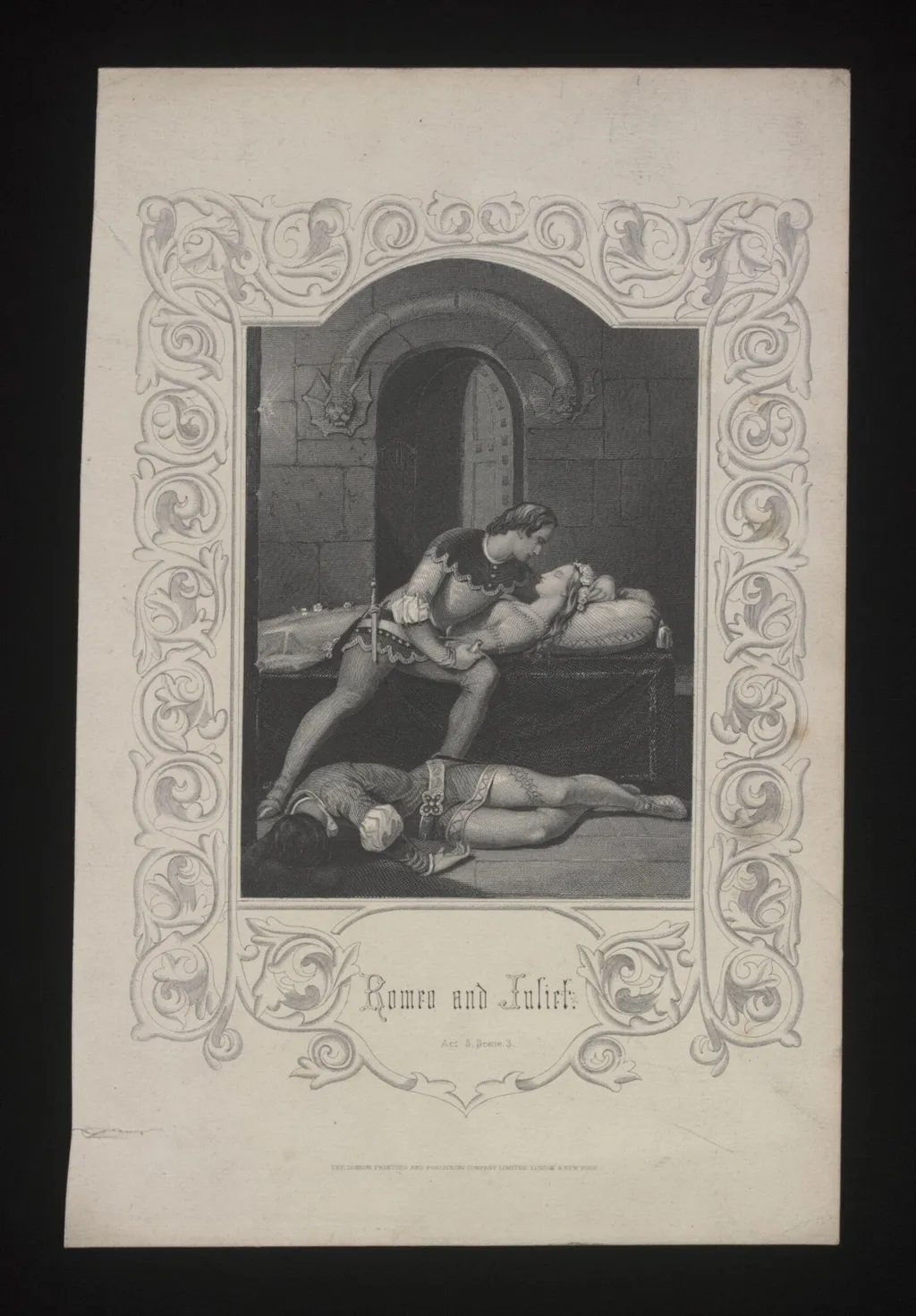
Romeo and Juliet is a print by Unknown. It dates from 1850 and is held in the collection of the Victoria and Albert Museum.
About this work
Overview
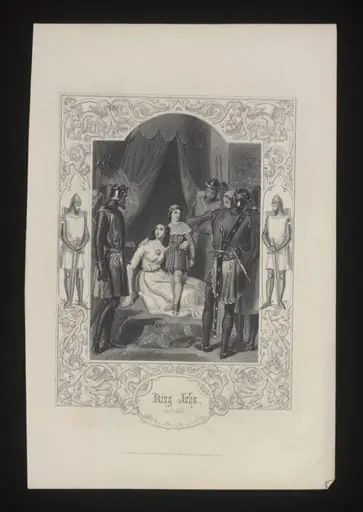
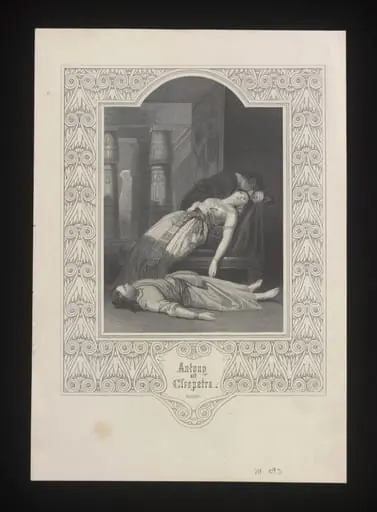
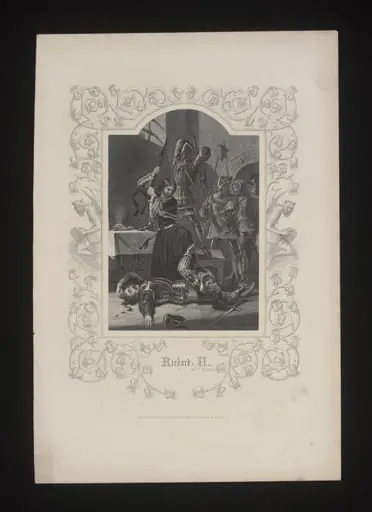
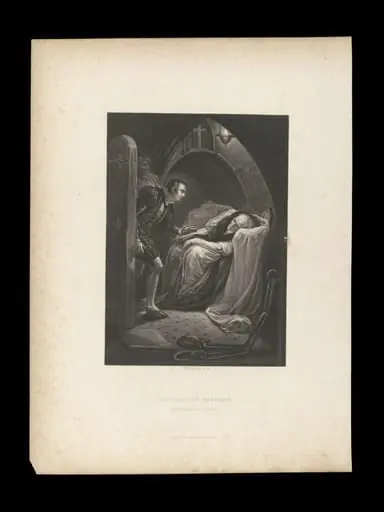
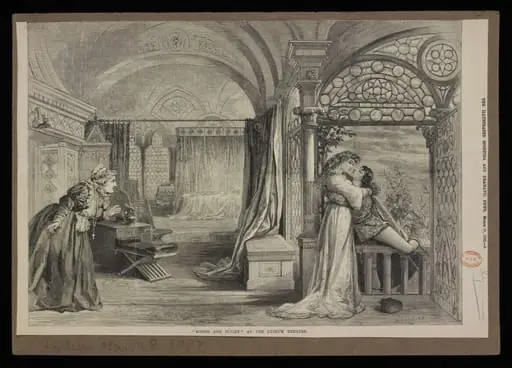
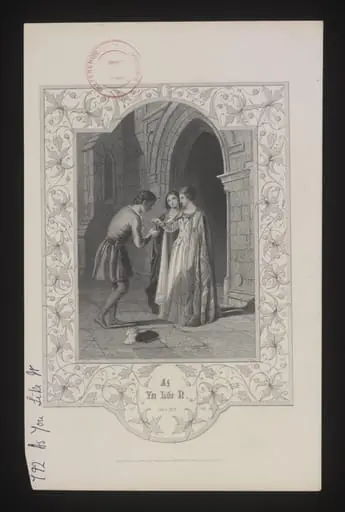
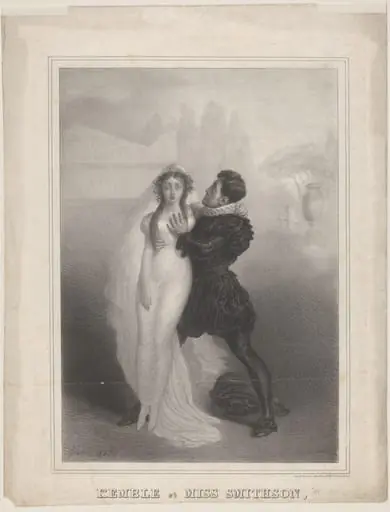
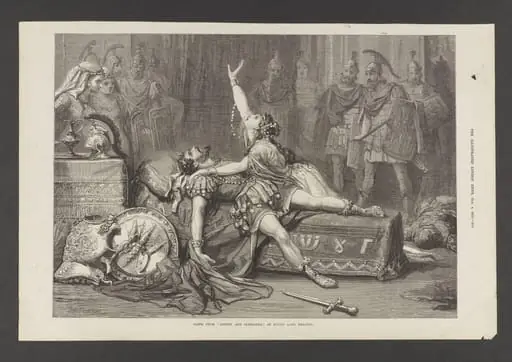
This mid-nineteenth-century print depicts a pivotal moment from William Shakespeare’s Romeo and Juliet, specifically Act 5, Scene 3. It captures the tragic convergence of the two lovers in the Capulet tomb, following their mutual deaths. The composition emphasizes emotional gravity over theatrical flourish, aligning with Victorian-era tastes for literary illustration grounded in solemnity.
Subject & Meaning
The scene portrays Romeo kneeling beside Juliet’s seemingly lifeless form, moments before his own suicide. Their proximity underscores the intimacy of their final union, while the dim lighting and somber tones reinforce the inevitability of their fate. The print translates Shakespeare’s language into visual silence, highlighting the quiet devastation of love extinguished by circumstance.
Technique & Style
The print employs fine line engraving and subtle tonal gradations to evoke depth and mood. While not using sfumato—a technique associated with oil painting—it mimics its soft transitions through delicate hatching and cross-contour shading. This approach lends a painterly quality to the printed image, bridging the gap between theatrical drama and intimate portraiture.
History & Provenance
Produced during a surge of illustrated Shakespeare editions in Victorian Britain, this print likely originated as part of a collected volume or standalone literary print series. Its circulation reflects a broader cultural interest in making canonical literature accessible through visual media, particularly in middle-class households seeking refined domestic decoration.
Context
The mid-nineteenth century saw a revival of interest in Shakespearean drama, fueled by stage performances and illustrated publications. Prints like this one served both educational and sentimental purposes, reinforcing moral and emotional narratives tied to classical texts. The choice of this particular scene reflects contemporary fascination with tragic romance and the aesthetics of loss.
Legacy
Though not widely attributed to a single artist, such prints contributed to the visual lexicon of Shakespeare in popular culture. They helped standardize iconic moments from the plays for generations of readers, influencing later theatrical and cinematic interpretations. Their quiet dignity endures as a testament to the power of print to preserve literary emotion.
Artist & collection

 Domestic Scene
 Giacomo and Cardinal Marco, investing Andrea, Abbot of San Zeno, with his Benefice
 The Nymph of Fontainebleau
 Portrait of a Woman
 Madonna and Child with Saints in the Enclosed Garden
 Venus and Minerva
 Family Group of Four on Sofa
 Wall painting from Room H of the Villa of P. Fannius Synistor at Boscoreale