Artwork
Rooster
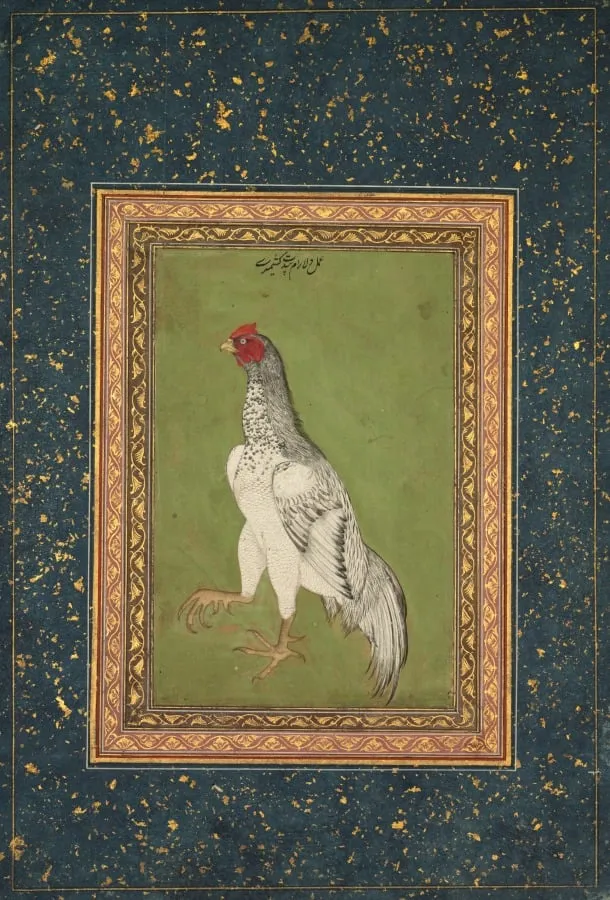
Rooster is an unspecified painting by the Baroque artist Unknown. It dates from 1620 and is held in the collection of the Cleveland Museum of Art.
About this work
A single rooster stands on a bare patch of dirt, feathers ruffled, eyes sharp. Its spurs look ready to fight.
This bird might have been a prized fighter in the Mughal court. The emperor wanted animals painted with careful detail—no drama, just life. The artist made every feather count.
Look up more paintings tagged india, mughal, 17th century to see how they did it.
Overview
The painting depicts a solitary rooster perched on a patch of bare earth, its plumage ruffled and eyes keen. The bird’s sharp beak and prominently spurred feet convey a sense of readiness for combat, suggesting it may have been valued as a fighting champion within a Mughal setting.
Subject & Meaning
The rooster is presented not as an allegorical figure but as a real animal, emphasizing its physical attributes and potential role in cockfighting. By focusing on the bird’s fierce expression and combat-ready limbs, the work reflects a courtly interest in documenting notable creatures with a straightforward, observational approach.
Technique & Style
Executed with meticulous attention to individual feathers, the artist employs fine brushwork to render texture and volume. The composition is restrained, lacking narrative embellishment, and relies on subtle tonal variations to convey the bird’s form against a minimal background, exemplifying the Mughal court’s preference for realistic representation.
History & Provenance
Commissioned during the reign of Emperor Jahangir (early 17th century), the painting belongs to a series of animal portraits ordered by the monarch. Jahangir’s patronage encouraged court painters to capture the natural world with precision, aiming to evoke wonder through visual fidelity rather than literary description.
Context
Within Mughal art, detailed studies of fauna served both documentary and aesthetic purposes, reflecting the empire’s fascination with nature and its integration into court culture. This rooster portrait aligns with contemporary works that prioritize exacting detail, situating it among a broader corpus of Indian paintings from the 1600s that document wildlife.
Artist & collection

 Domestic Scene
 Giacomo and Cardinal Marco, investing Andrea, Abbot of San Zeno, with his Benefice
 The Nymph of Fontainebleau
 Portrait of a Woman
 Madonna and Child with Saints in the Enclosed Garden
 Venus and Minerva
 Family Group of Four on Sofa
 Wall painting from Room H of the Villa of P. Fannius Synistor at Boscoreale
 Rooster
 Untitled
 A pair of Brahminy ducks
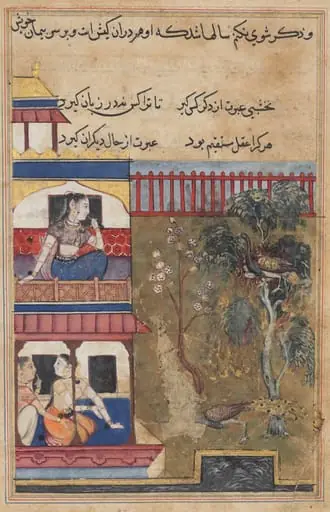 The queen of Rum watches the peahen prefer to burn rather than abandon her eggs while the peacock flees the nest, from a Tuti-nama (Tales of a Parrot): Thirty-ninth Night
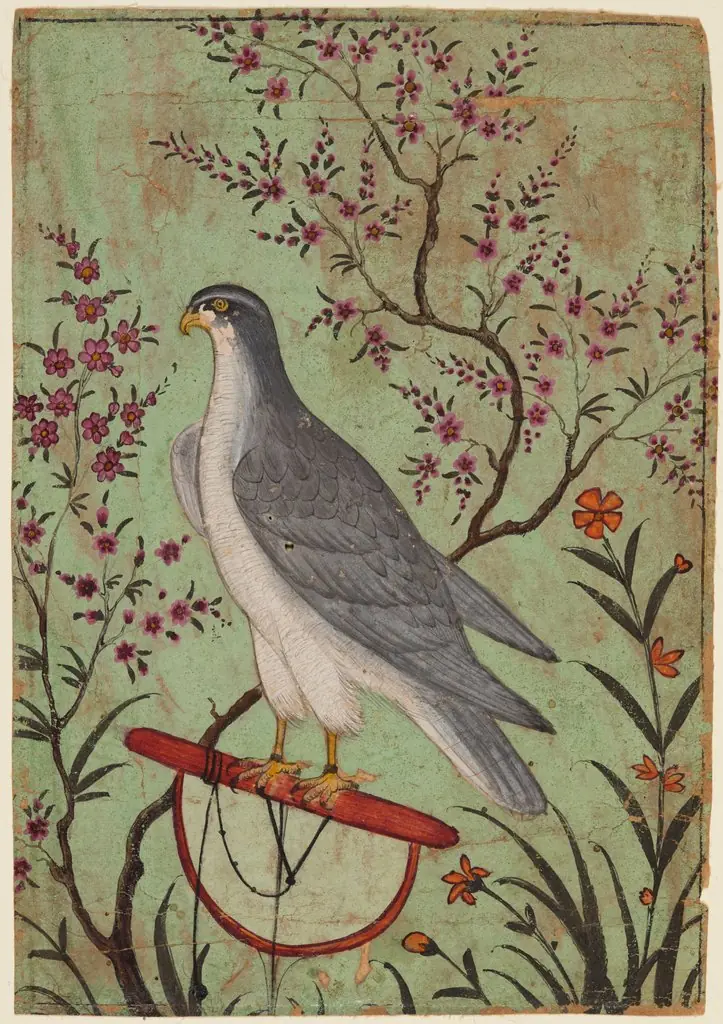 Falcon on a Perch
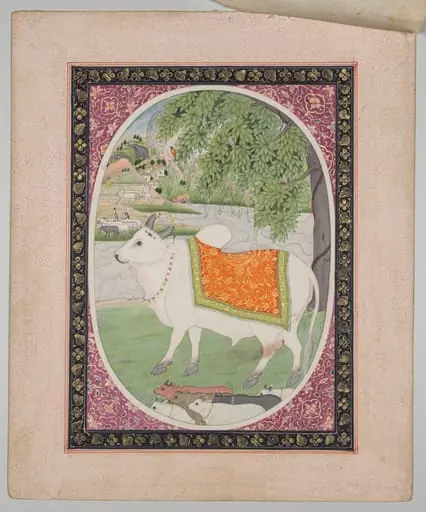 Taurus, from a "Mandi Astrology Series"
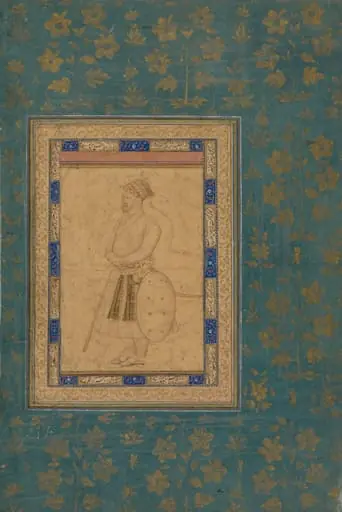 Portrait of an Unidentified Noble from Shah Jahan's Court
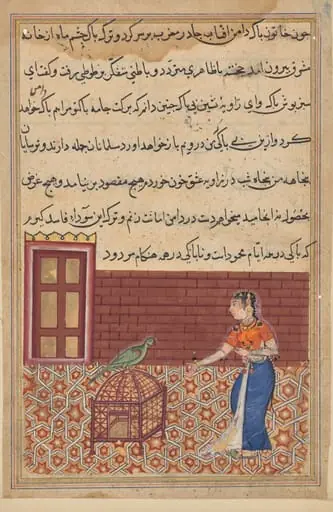 The parrot addresses Khujasta at the beginning of the fifty-first night, from a Tuti-nama (Tales of a Parrot): Fifty-first Night