Artwork
Sadhus Gathered Around a Fire
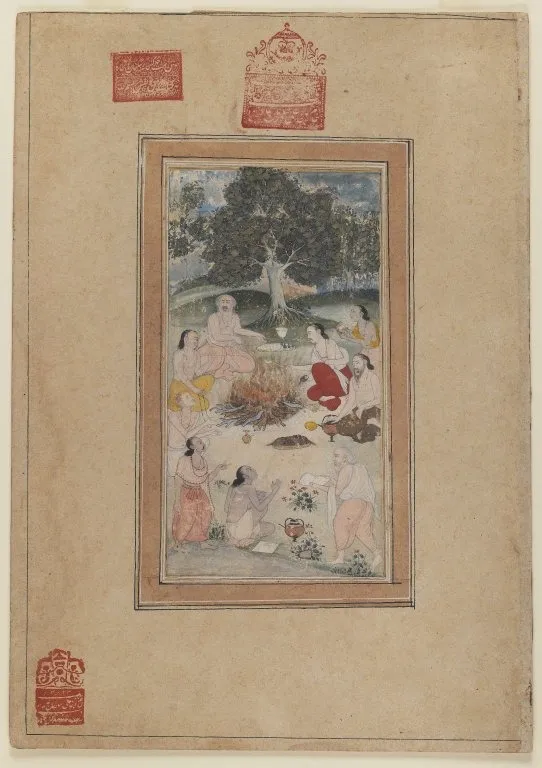
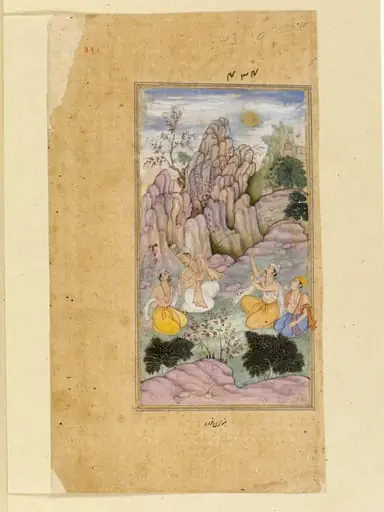
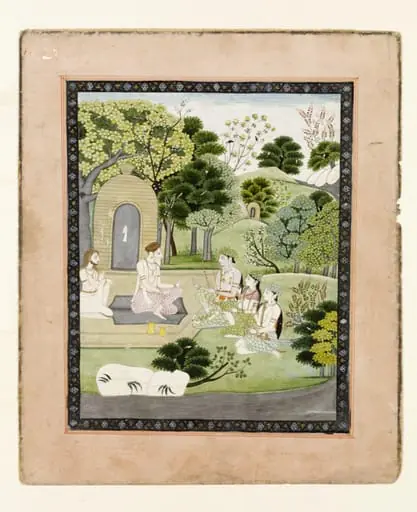
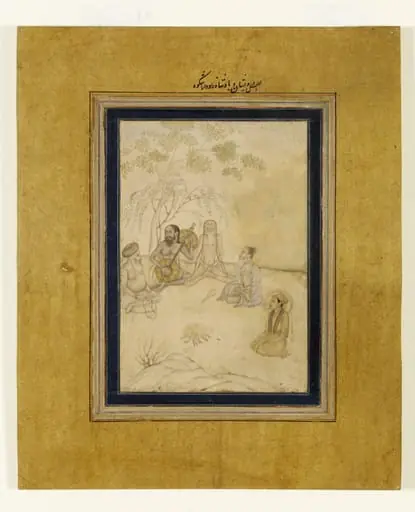
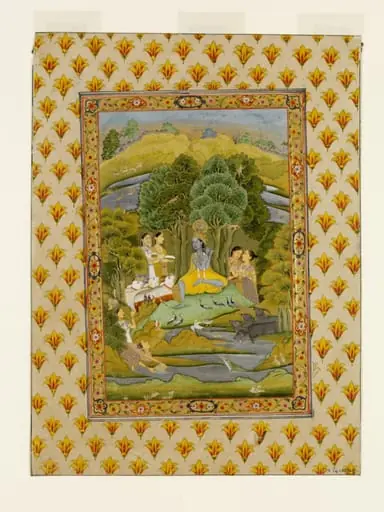
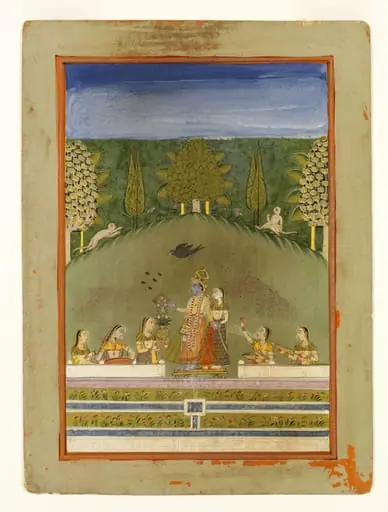
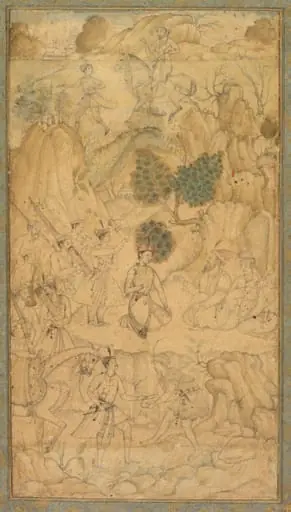
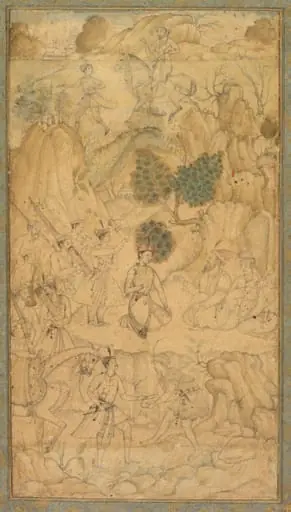
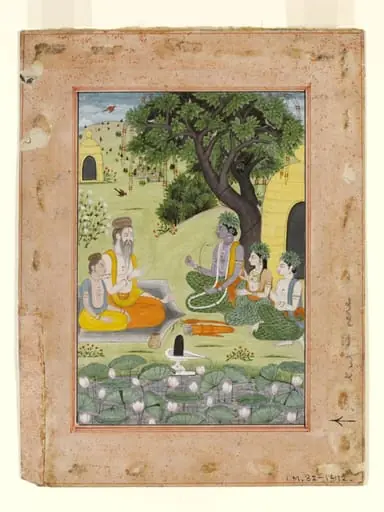
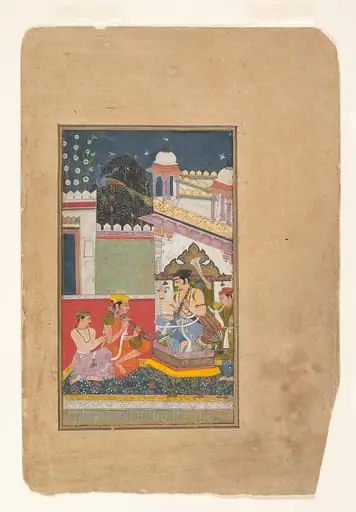
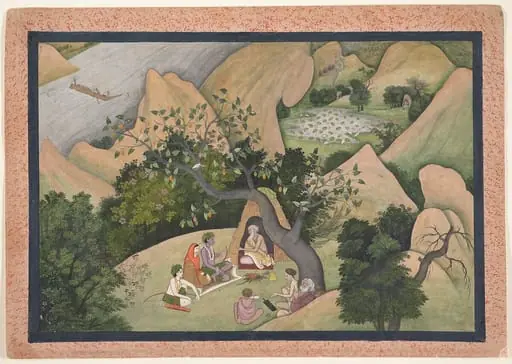
Sadhus Gathered Around a Fire is an unspecified painting by Unknown. It dates from 1600 and is held in the collection of the Brooklyn Museum. This painting depicts a group of Hindu ascetics, known as sadhus, gathered around a communal fire.
About this work
Overview
Their varied postures and attire suggest different levels of spiritual discipline, while the fire serves as both a practical and symbolic center.
This painting depicts a group of Hindu ascetics, known as sadhus, gathered around a communal fire. The scene is set in an open, likely rural or pilgrimage site, with figures arranged in a loose circle. Their varied postures and attire suggest different levels of spiritual discipline, while the fire serves as both a practical and symbolic center. The composition emphasizes stillness and shared ritual rather than dramatic action.
Subject & Meaning
The sadhus represent renunciants who have withdrawn from worldly life to pursue spiritual insight. Their gathering around fire reflects traditional practices of meditation, purification, and communal devotion. The flame may symbolize divine presence, the impermanence of material existence, or the transformative power of ascetic discipline. The absence of elaborate ritual objects points to a focus on inner experience over formal ceremony.
Technique & Style
The painting employs muted earth tones and soft brushwork to convey texture and atmosphere. Figures are rendered with attention to detail in clothing and bodily posture, yet lack idealized features, suggesting observational realism. Background elements are simplified, directing focus to the group and the fire. Light is subtly modeled to suggest the glow of embers, enhancing the intimate, nocturnal mood.
History & Provenance
The work originates from late 19th-century India, likely produced in a regional atelier familiar with both indigenous traditions and emerging colonial-era artistic influences. It was probably commissioned by a British collector or Indian patron interested in documenting religious life. Its early documentation is sparse, but it entered institutional collections in the early 20th century through private donations or acquisitions.
Context
During the colonial period, European and Indian artists increasingly turned to ethnographic subjects, documenting religious practices as cultural artifacts. This painting reflects that trend, capturing sadhus not as exotic figures but as participants in a living tradition. It aligns with broader efforts to record spiritual customs amid rapid social change, though it avoids overt political or missionary commentary.
Legacy
The painting contributes to a visual archive of Hindu asceticism, preserving details of dress, gesture, and ritual that might otherwise have been overlooked. While not widely exhibited, it remains a reference for scholars studying religious performance and colonial-era art. Its quiet dignity offers a counterpoint to sensationalized depictions of ascetics, grounding them in daily practice rather than spectacle.
Artist & collection

 Domestic Scene
 Giacomo and Cardinal Marco, investing Andrea, Abbot of San Zeno, with his Benefice
 The Nymph of Fontainebleau
 Portrait of a Woman
 Madonna and Child with Saints in the Enclosed Garden
 Venus and Minerva
 Family Group of Four on Sofa
 Wall painting from Room H of the Villa of P. Fannius Synistor at Boscoreale