Artwork
Scenă alegorică
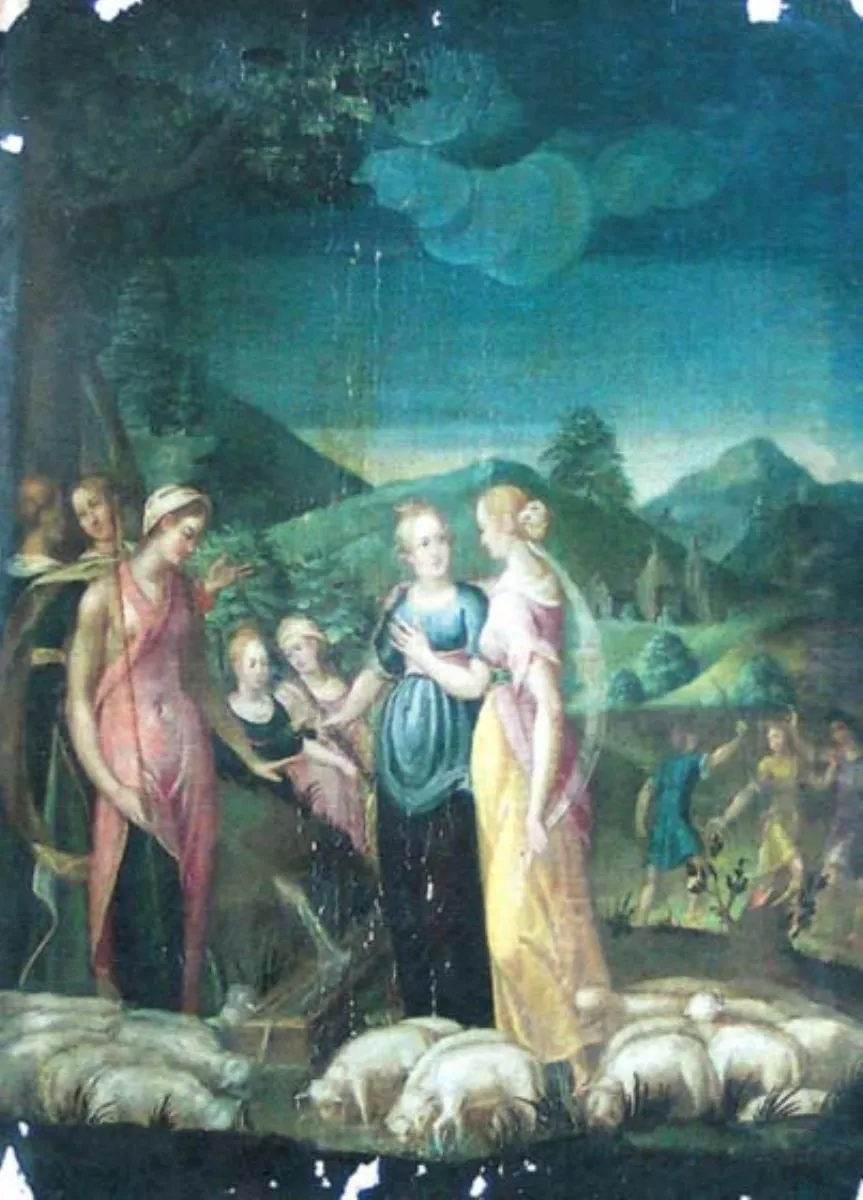
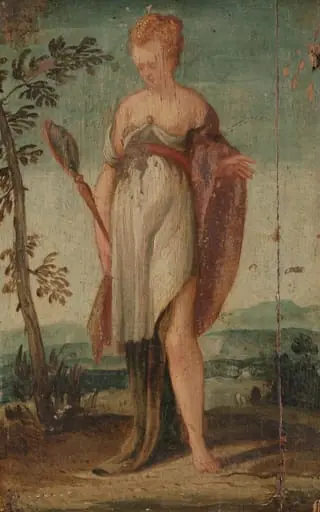
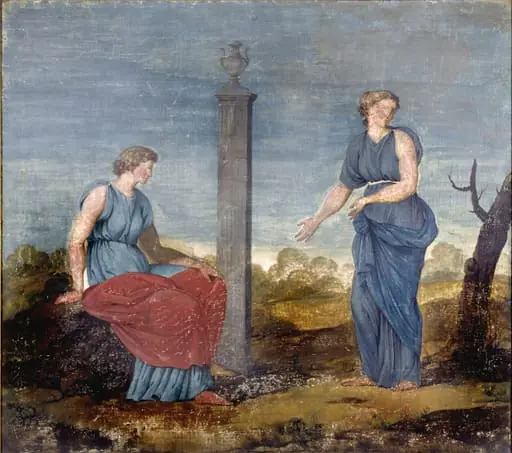
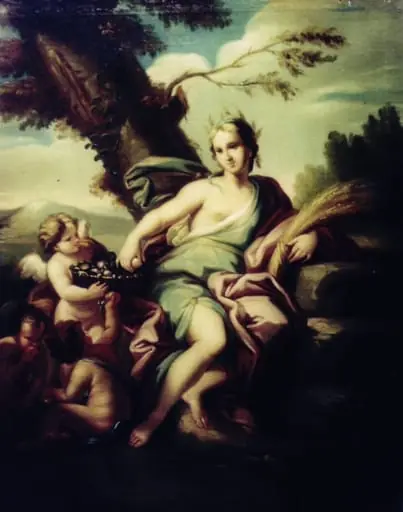
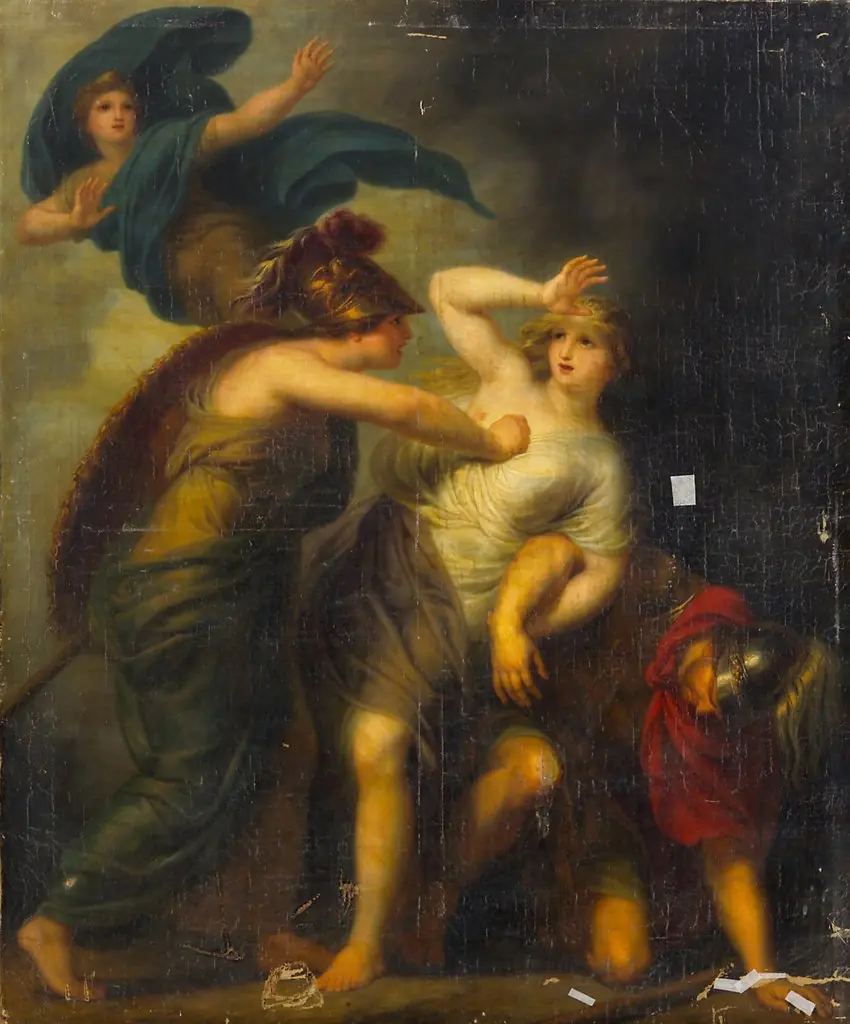
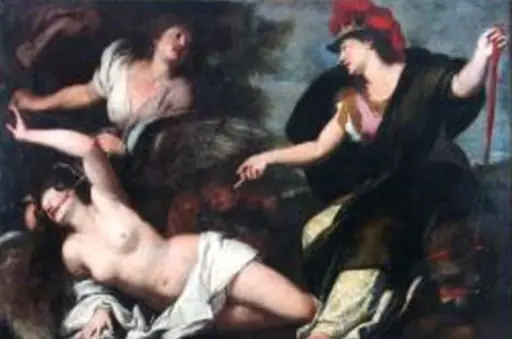
Scenă alegorică is an unspecified painting by Unknown. It dates from 1650 and is held in the collection of the Romanian Academy in Bucharest. This allegorical painting depicts a group of women in flowing garments within a pastoral landscape.
About this work
Overview
The scene is set against rolling hills and a luminous, atmospheric sky, with sheep grazing in the foreground and distant figures engaged in labor.
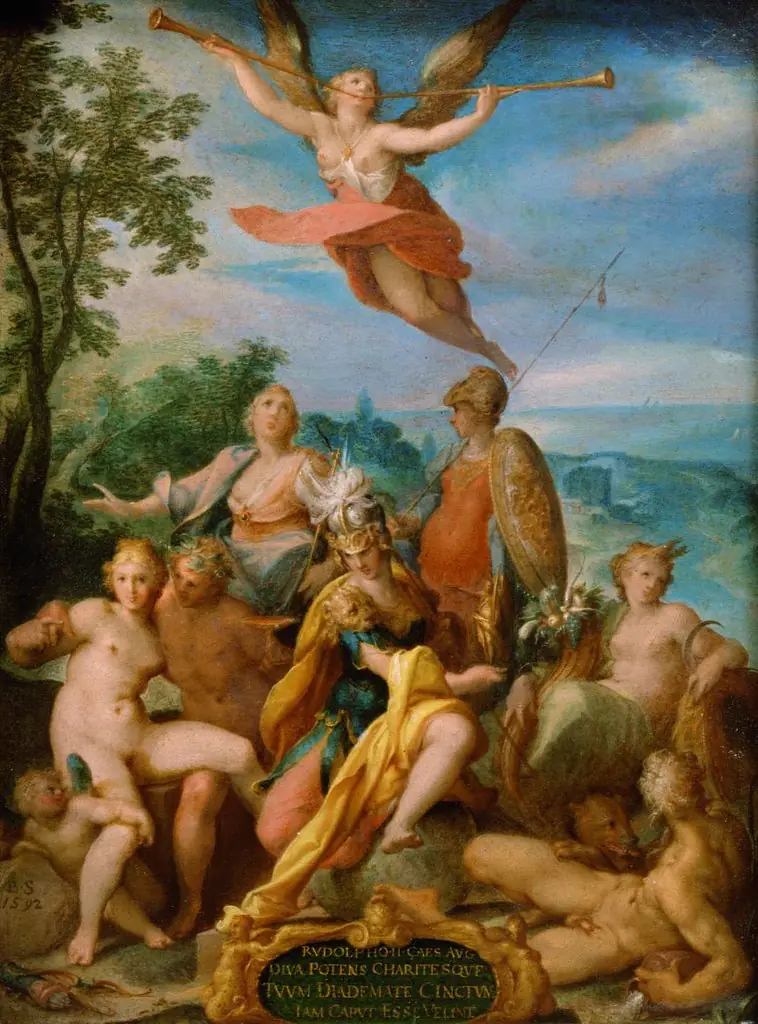
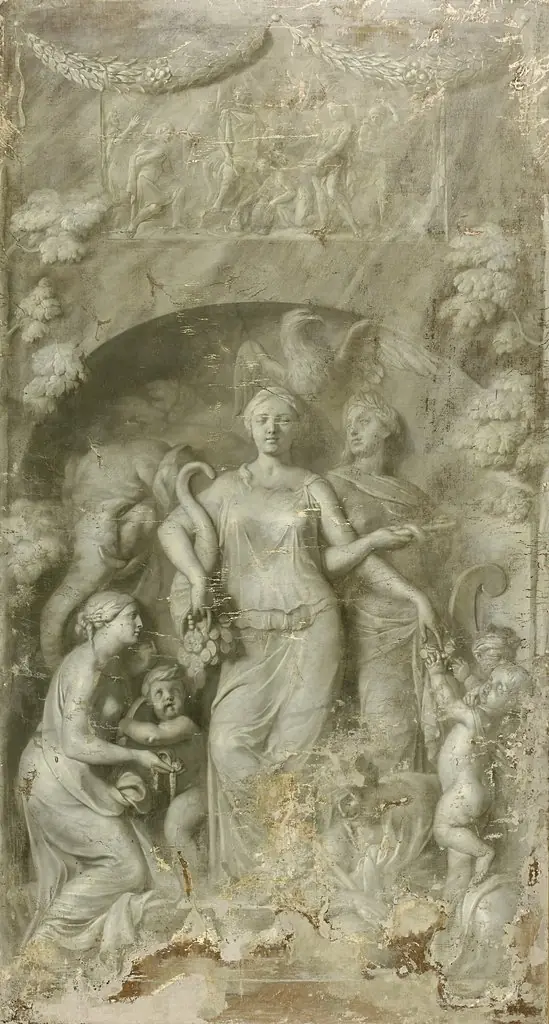
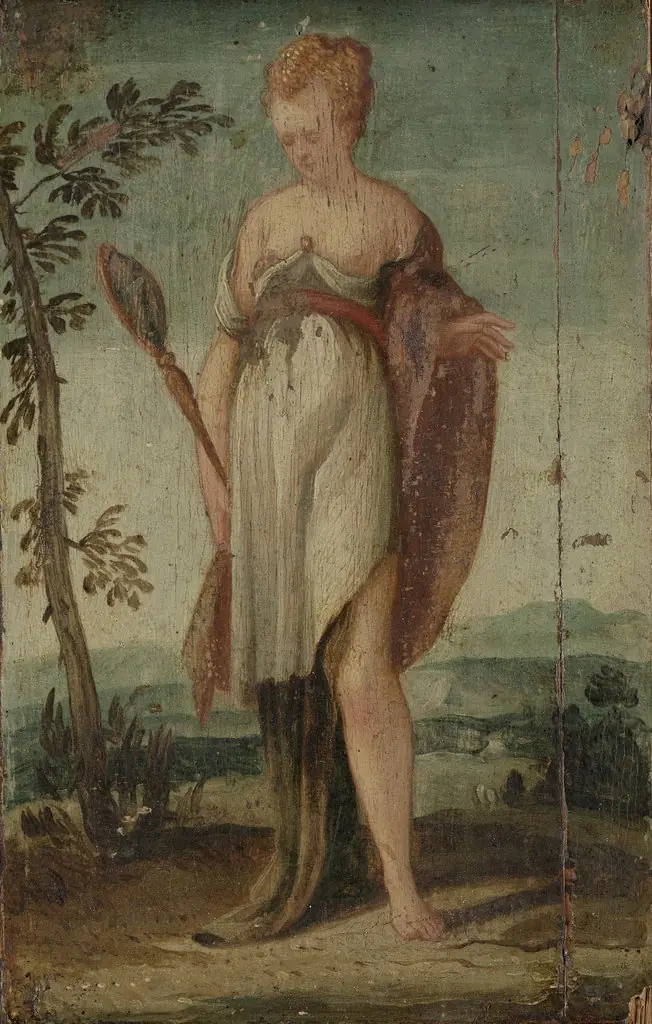
This allegorical painting depicts a group of women in flowing garments within a pastoral landscape. The scene is set against rolling hills and a luminous, atmospheric sky, with sheep grazing in the foreground and distant figures engaged in labor. The composition balances naturalism with an ethereal quality, achieved through careful modulation of light and color to suggest a symbolic rather than literal narrative.
Subject & Meaning
The figures, dressed in muted yet rich hues, appear to embody abstract ideals—perhaps virtue, labor, or harmony with nature. Their serene postures and the tranquil setting suggest an idealized vision of rural life, while the presence of sheep and distant workers hints at themes of sustenance and communal effort. The lighting draws attention to their faces, emphasizing their symbolic role over individual identity.
Technique & Style
The artist employs chiaroscuro to model forms with subtle gradations of light and shadow, enhancing the three-dimensionality of the figures and landscape. Soft transitions between colors, particularly in the sky and robes, create a hazy, dreamlike atmosphere. Brushwork is delicate yet deliberate, avoiding sharp outlines to unify the scene in a cohesive, poetic tone.
History & Provenance
The painting’s origin and early ownership remain undocumented in public records. It was likely produced in the late 19th or early 20th century, during a period when allegorical landscapes remained popular among academic and symbolist painters. Its current location and acquisition history are not publicly detailed, suggesting it may have been privately held for much of its existence.
Context
This work aligns with late Romantic and Symbolist traditions that favored idealized nature and allegorical figures over realism. Contemporary movements like Impressionism focused on fleeting light, while this painting uses light more deliberately to convey mood and meaning. Its pastoral theme reflects broader cultural nostalgia for rural simplicity amid industrialization.
Legacy
Though not widely exhibited or studied, the painting contributes to a quieter lineage of allegorical art that prioritized emotional resonance over narrative clarity. Its use of light and composition echoes influences from earlier European traditions, yet its subdued palette and introspective tone mark it as a personal, rather than public, statement within its era.
Artist & collection
 Domestic Scene
 Giacomo and Cardinal Marco, investing Andrea, Abbot of San Zeno, with his Benefice
 The Nymph of Fontainebleau
 Portrait of a Woman
 Madonna and Child with Saints in the Enclosed Garden
 Venus and Minerva
 Family Group of Four on Sofa
 Wall painting from Room H of the Villa of P. Fannius Synistor at Boscoreale