Artwork
Seated Official
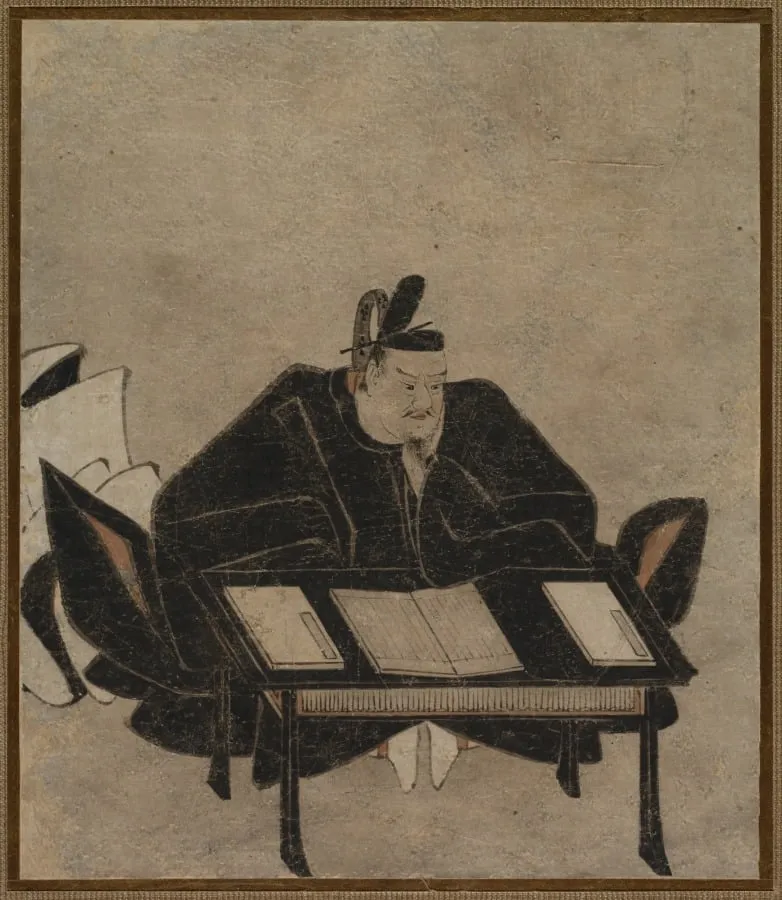
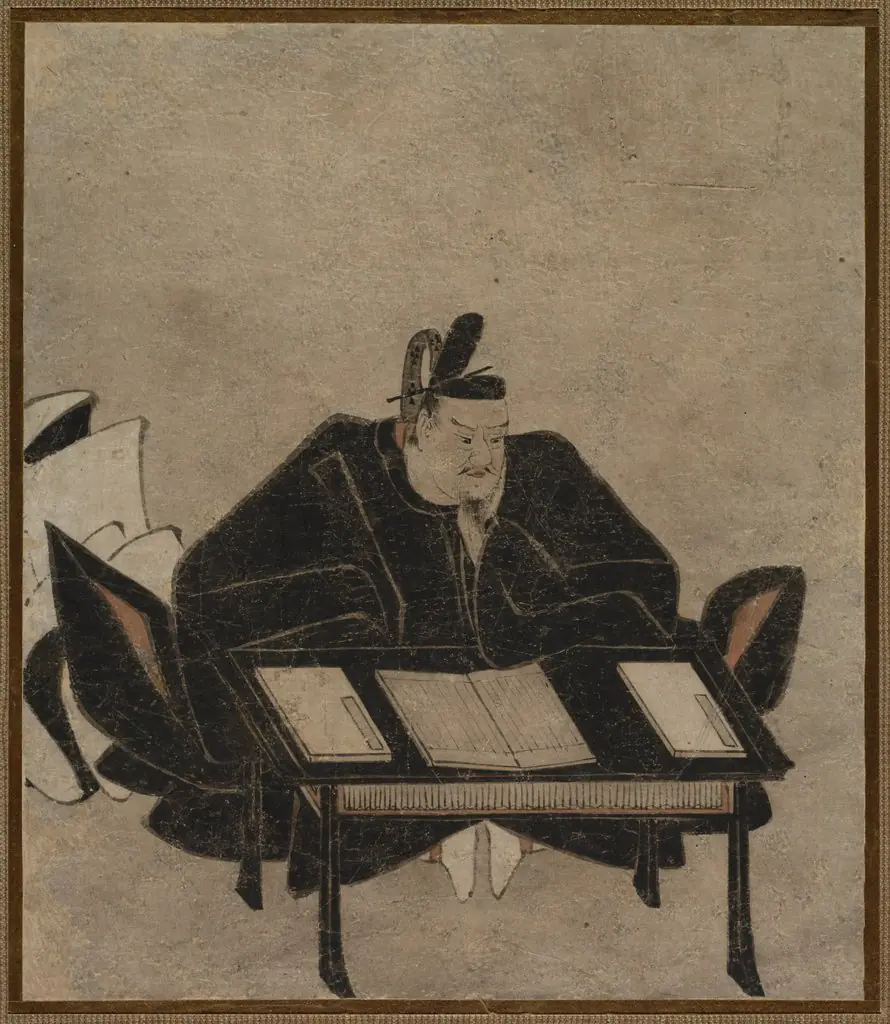
Seated Official is an unspecified painting by the Baroque artist Unknown. It dates from 1704 and is held in the collection of the Cleveland Museum of Art. This painting depicts a seated male figure in formal attire, engaged with folded papers at a low table.
About this work
Overview
This painting depicts a seated male figure in formal attire, engaged with folded papers at a low table. The composition is minimal, with no background detail to distract from the figure. Colors are applied in broad, flat planes without modeling or perspective, emphasizing silhouette and posture over spatial realism. The overall effect is one of quiet concentration and formal restraint.
Subject & Meaning
The figure is likely a scholar or government official, identified by his elaborate robes and the act of reading or writing. His expression is solemn, suggesting contemplation or duty. The folded papers imply administrative or literary work, common in elite scholarly culture. The absence of narrative elements focuses attention on the individual’s role and demeanor rather than a specific event.
Technique & Style
The artist employs simplified forms and unmodulated color, rejecting chiaroscuro and linear perspective. Robes and surfaces are rendered as flat planes with sharp edges, creating a graphic quality. Light falls evenly, eliminating shadows to enhance the two-dimensional structure. This approach reflects a deliberate move away from naturalism toward symbolic clarity and visual economy.
History & Provenance
The work’s origin is not documented in detail, but its stylistic traits align with late medieval or early Renaissance portraiture in East Asian or certain European traditions that favored symbolic representation over realism. Its survival suggests it was valued within a scholarly or bureaucratic context, possibly commissioned for personal or institutional use.
Context
This image emerges from a cultural milieu where literacy and bureaucratic service were markers of social status. Similar depictions appear in courtly or scholarly art across Eurasia, where the act of reading signified authority and moral cultivation. The plain background and frontal pose echo conventions used to convey dignity without embellishment.
Legacy
Though not part of a major artistic movement, the work exemplifies a tradition of restrained portraiture that prioritized function over spectacle. Its aesthetic influenced later stylized depictions of officials in both religious and secular contexts, where clarity of role outweighed individual expression. It remains a quiet testament to the visual language of governance and learning.
Artist & collection

 Domestic Scene
 Giacomo and Cardinal Marco, investing Andrea, Abbot of San Zeno, with his Benefice
 The Nymph of Fontainebleau
 Portrait of a Woman
 Madonna and Child with Saints in the Enclosed Garden
 Venus and Minerva
 Family Group of Four on Sofa
 Wall painting from Room H of the Villa of P. Fannius Synistor at Boscoreale
 Untitled
 Portrait of Sugawara Michizane
 Portrait of Sugawara Michizane
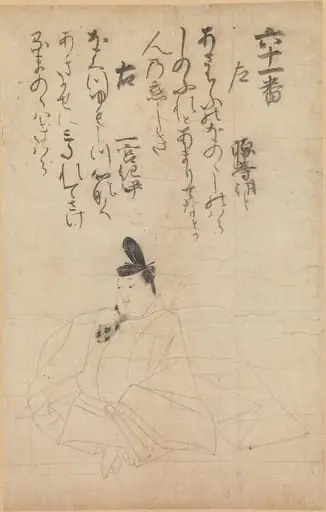 Untitled
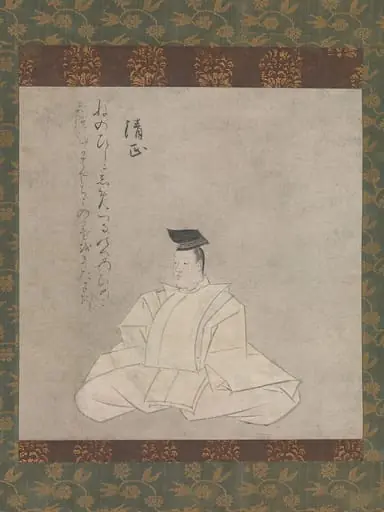 藤原清忠 「業兼本 時代不同歌合絵巻」 断簡|The Poet Fujiwara Kiyotada, from the “Narikane Version” of Thirty-six Poetic Immortals
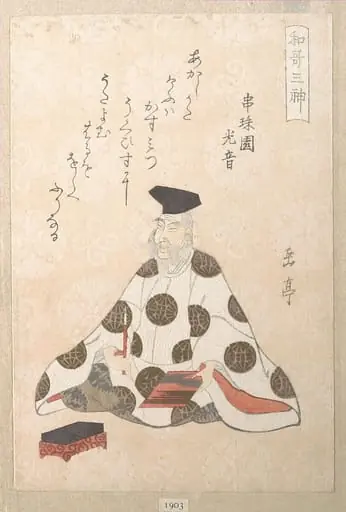 『和歌三神』 柿本人麻呂|Kakinomoto no Hitomaro (ca. 662–710), One of the Three Gods of PoetryFrom the Spring Rain Collection (Harusame shū), vol. 1
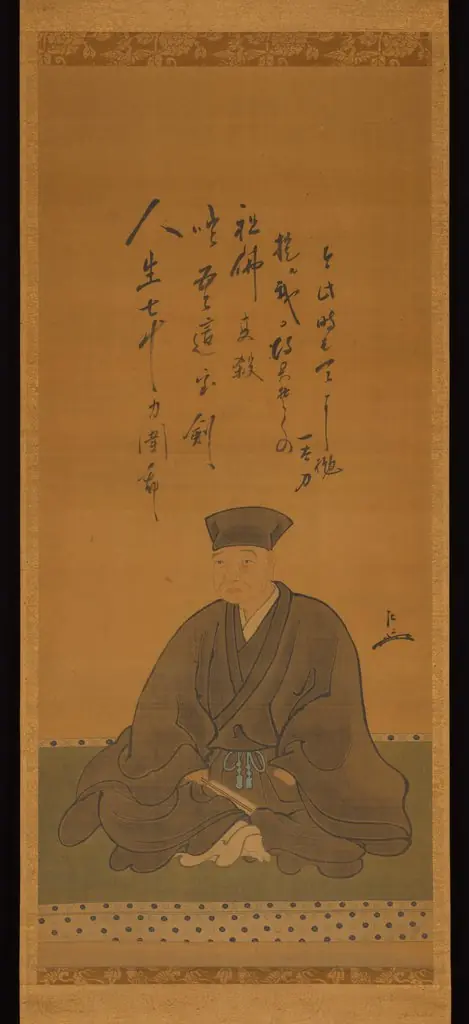 Portrait of Sen no Rikyū with his Death Poem
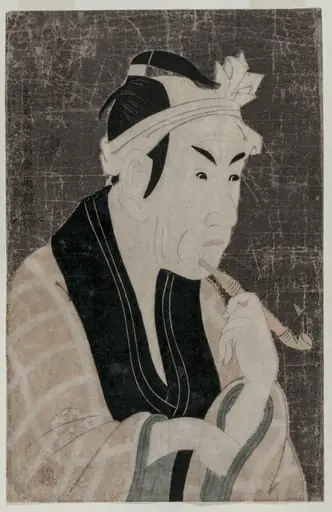 Matsumoto Koshiro IV as Gorobei, the Fish Seller from Sanya
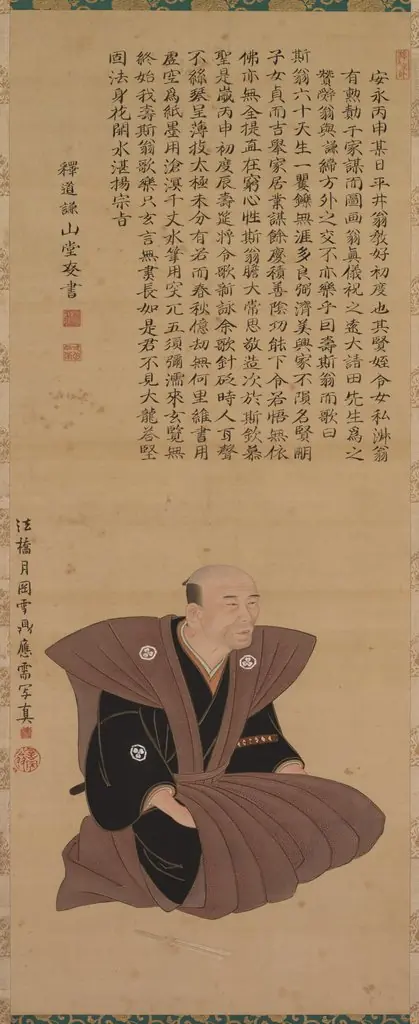 Pair of Portraits of Samurai-Officials: Hirai Kyosei and Hirai Rinsei
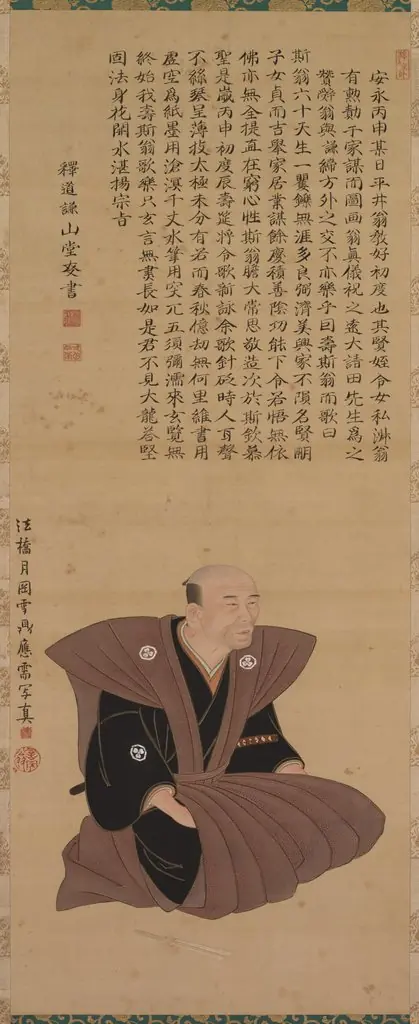 Portrait of Samurai-Official: Hirai KyoseiHirai Kyosei
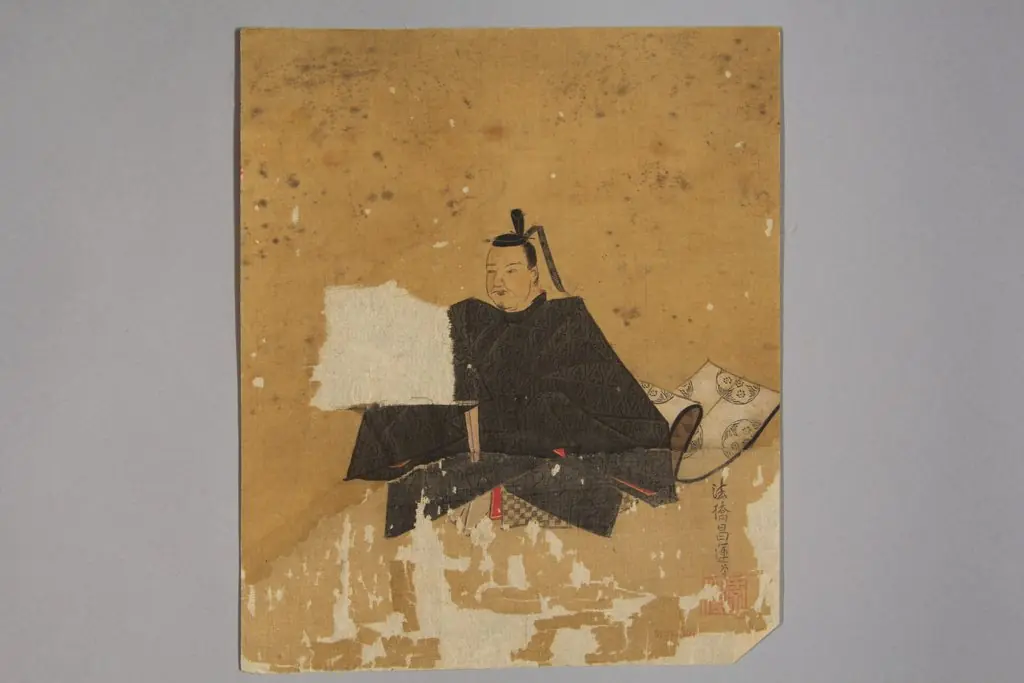 Immortal Poet
 Seated Official