Artwork
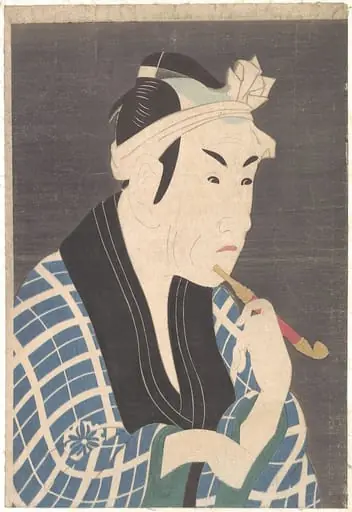
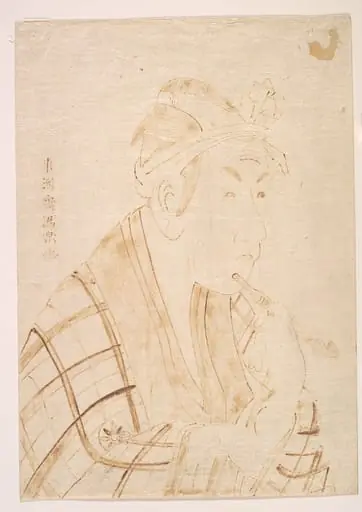
Matsumoto Koshiro IV as Gorobei, the Fish Seller from Sanya
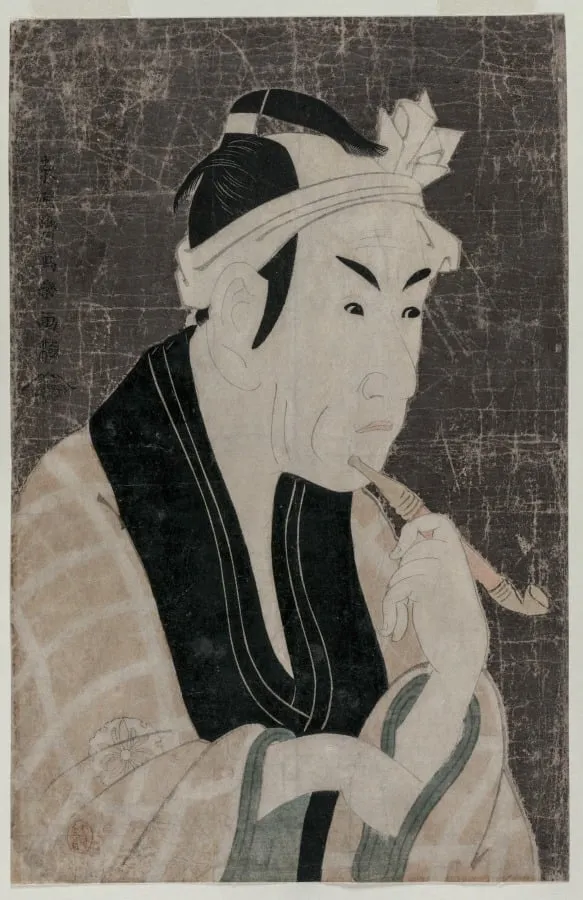
Matsumoto Koshiro IV as Gorobei, the Fish Seller from Sanya is a print by the Romanticist artist Tōshū. It dates from 1794 and is held in the collection of the Cleveland Museum of Art.
About this work
The actor's role as a fish merchant who helps courtesans avenge their father's murder is a unique one.
You see a portrait of an actor playing a fish seller.
He's dressed in a simple robe, holding a fish.
The actor, Matsumoto Koshiro IV, was known for his "gentle style" of acting, which is interesting because it's different from what you'd expect from a revenge play.
The play, "A Medley of Tales of Revenge", was performed at the Kiri Theater in 1794.
The actor's role as a fish merchant who helps courtesans avenge their father's murder is a unique one.
This painting is one of seven portraits created by the artist for this play.
Check out the work of artist: Tōshūsai Sharaku (Japanese, active 1794–95) for more like this.
Overview
This ukiyo-e print by Tōshūsai Sharaku depicts Matsumoto Koshiro IV in the role of Gorobei, a fish seller, from the 1794 play 'A Medley of Tales of Revenge' at the Kiri Theater. The image showcases the actor in a simple robe, holding a fish.
Subject & Meaning
Gorobei, a fish merchant near Yoshiwara, aids two courtesans in avenging their father’s murder in the play. Despite the violent context, Matsumoto Koshiro IV’s specialization in 'wagoto' (gentle style) acting adds a layer of complexity to the character’s portrayal.
Technique & Style
Sharaku employed a gray mica background, a popular yet soon-to-be-banned technique in 1794, due to governmental edicts restricting luxurious printing methods. This print is one of 28 bust portraits within Sharaku’s approximately 150 designs created during his brief, ten-month career.
History & Provenance
One of seven portraits Sharaku created for 'A Medley of Tales of Revenge', this work was produced during Sharaku’s active period as a print designer in 1794. The play’s performance at the Kiri Theater coincided with the artist’s peak activity.
Context
Created amidst governmental efforts to curb the merchant class’s luxuries through censorship, this print reflects the tension between artistic expression and regulatory constraints of late 18th-century Japan.
Legacy
As part of Sharaku’s distinctive oeuvre, this portrait contributes to the artist’s reputation for capturing the nuances of theatrical personalities, despite his short career. It remains a characteristic example of his work within the ukiyo-e tradition.
Artist & collection


 Untitled
 Untitled
 Untitled
 Untitled
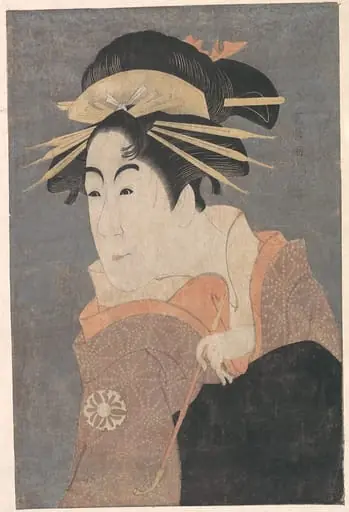
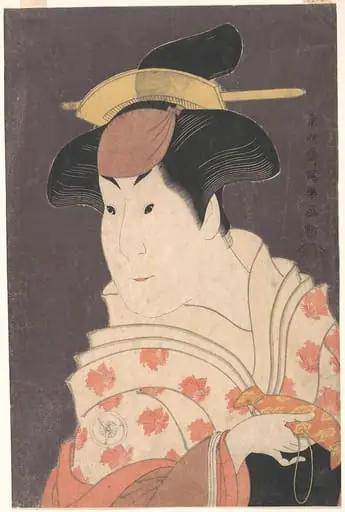 東洲斎写楽画 四代岩井半四郎の重の井 『恋女房染分手綱』|Iwai Hanshirō IV as Shigenoi in the Play "Koinyōbō Somewake Tazuna"
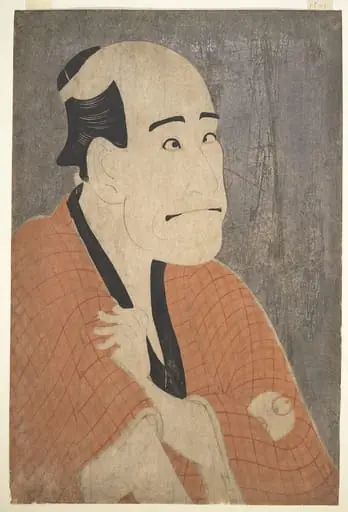
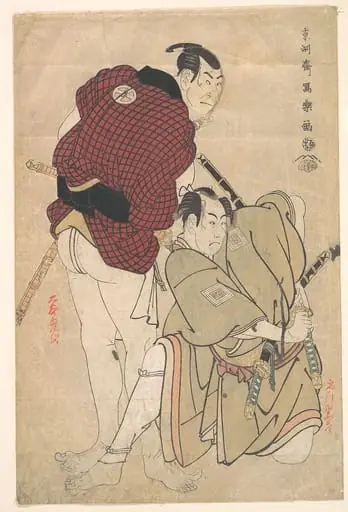
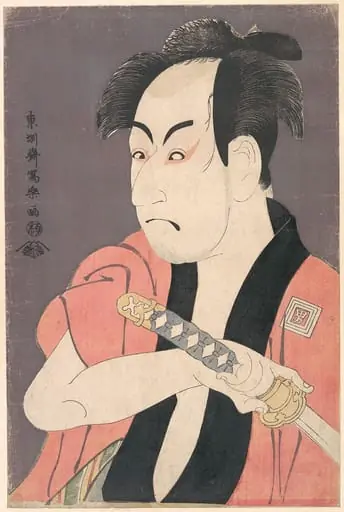 東洲斎写楽画 初代市川男女蔵の奴一平 『恋女房染分手綱』|Ichikawa Omezō I in the Role of Yakko Ippei from the Play "Koinyōbō somewake tazuna"
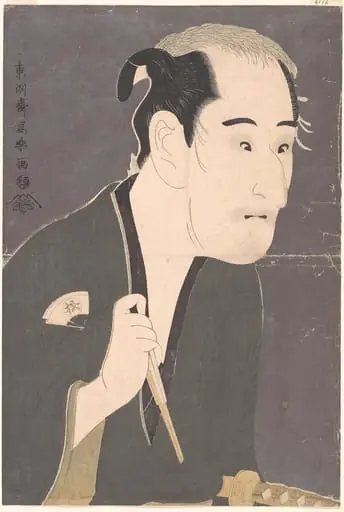
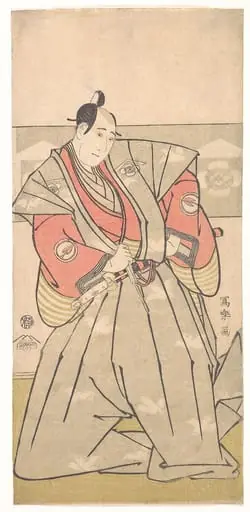
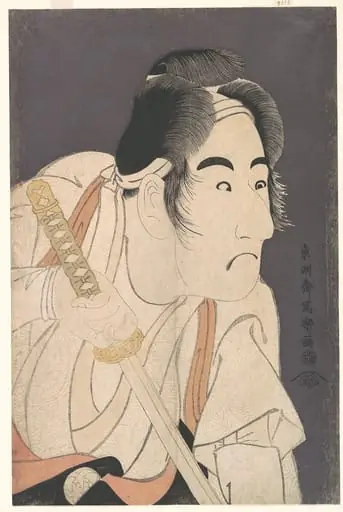 東洲斎写楽画 二世坂東三津五郎の石井源蔵 『花菖蒲文禄曽我』|Bandō Mitsugorō II as Ishii Genzō in the Play "Hana-ayame Bunroku Soga"
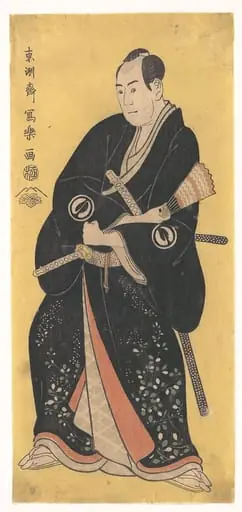 Untitled