Artwork
Untitled
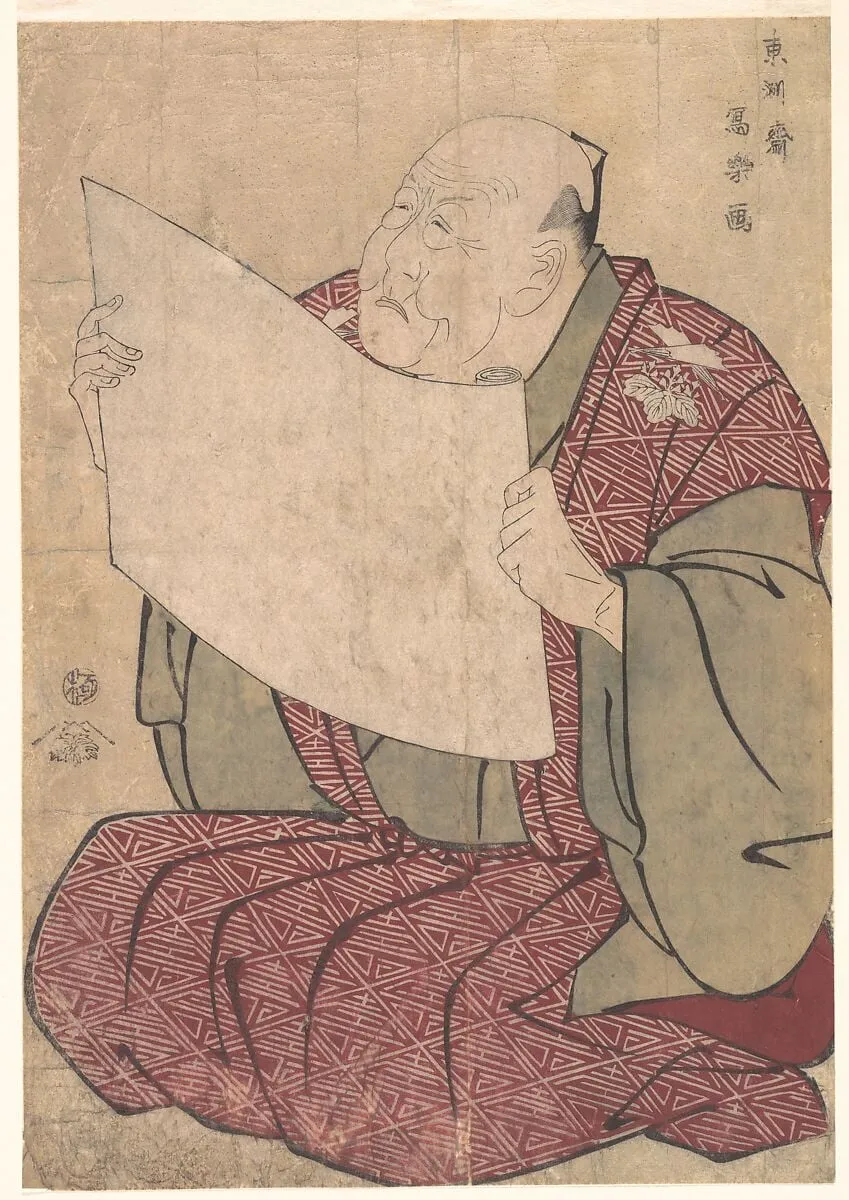
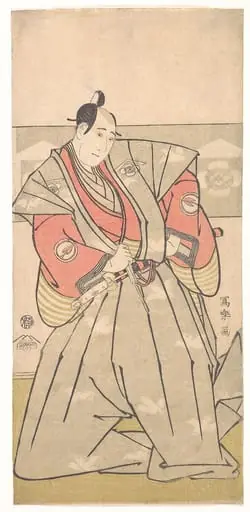
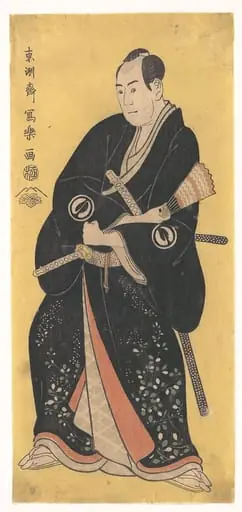
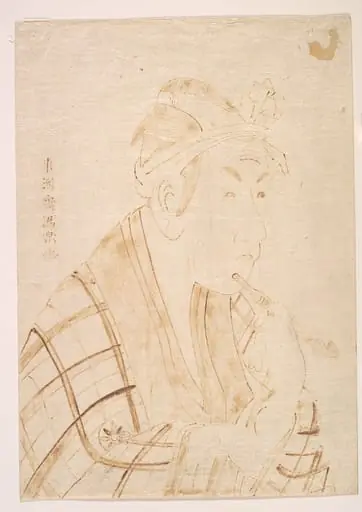
Untitled is an ink print by the Romanticist artist Tōshū. It dates from 1794 and is held in the collection of the Library of Congress.
About this work
Overview
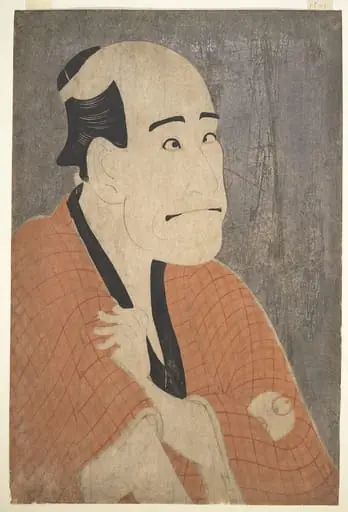
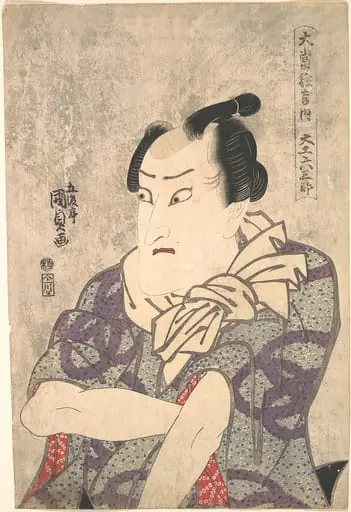
Created in 1794, this woodblock print by the enigmatic Edo-period artist Tōshūsai Sharaku presents a solitary figure engaged in reading. Rendered in ink and color on paper, the image is distinguished by the inclusion of fine white mica particles that catch the light, adding a subtle sparkle to the composition.
Subject & Meaning
The central figure, cloaked in a dark robe, holds an unfurled scroll, his profile illuminated from the side. The pose suggests a moment of quiet contemplation, while the luminous mica on his skin evokes a fleeting, almost theatrical sheen, hinting at the performative aspects of reading in contemporary culture.
Technique & Style
Sharaku employed traditional woodblock carving, applying ink and pigments alongside powdered mica—a practice that imparts a glass‑like glint to the surface. The print’s shadows are modeled through delicate cross‑hatching, a method common among ukiyo‑e artists for achieving depth without relying on color alone.
History & Provenance
The work belongs to the brief, intense period of Sharaku’s output, which spanned roughly ten months before the artist vanished from the historical record. The reasons for his sudden disappearance remain unknown, and the print’s early ownership history is similarly obscure, reflecting the artist’s overall mystery.
Context
Produced during the late 18th‑century boom in portraiture of actors and literati, the print aligns with the era’s fascination with capturing fleeting moments of everyday life. The use of mica, while not unprecedented, was a relatively rare embellishment that set Sharaku’s work apart within the crowded market of ukiyo‑e prints.
Artist & collection


 Untitled
 Untitled
 Untitled
 Untitled
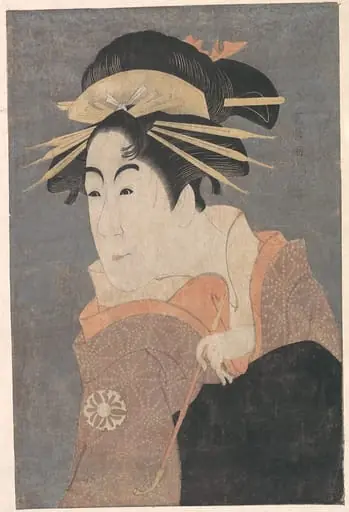
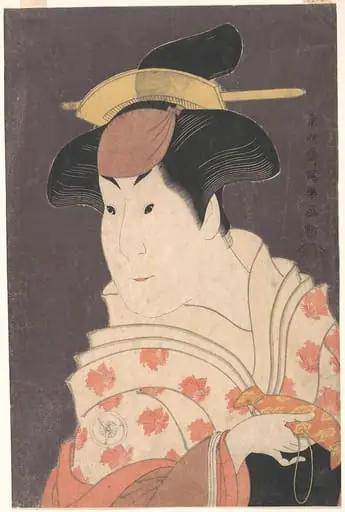 東洲斎写楽画 四代岩井半四郎の重の井 『恋女房染分手綱』|Iwai Hanshirō IV as Shigenoi in the Play "Koinyōbō Somewake Tazuna"
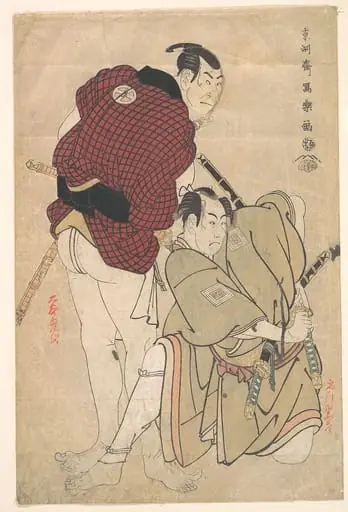
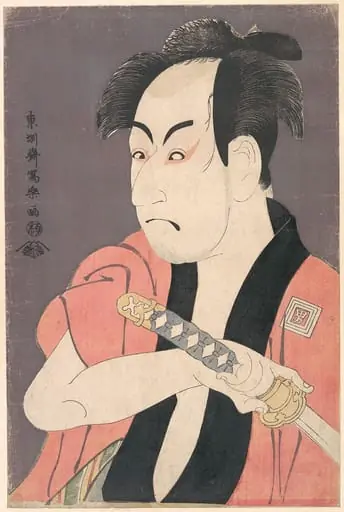 東洲斎写楽画 初代市川男女蔵の奴一平 『恋女房染分手綱』|Ichikawa Omezō I in the Role of Yakko Ippei from the Play "Koinyōbō somewake tazuna"
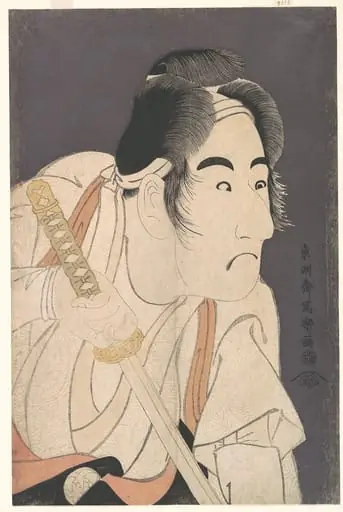 東洲斎写楽画 二世坂東三津五郎の石井源蔵 『花菖蒲文禄曽我』|Bandō Mitsugorō II as Ishii Genzō in the Play "Hana-ayame Bunroku Soga"
 Untitled
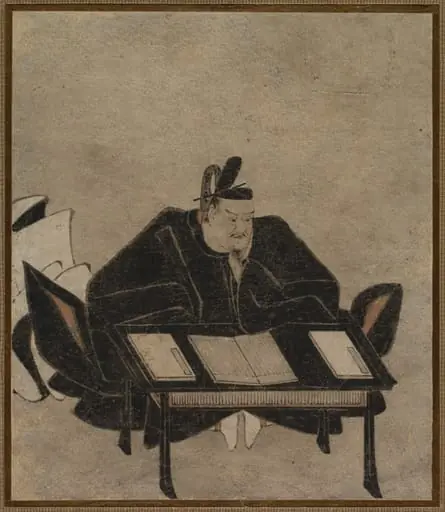 Seated Official
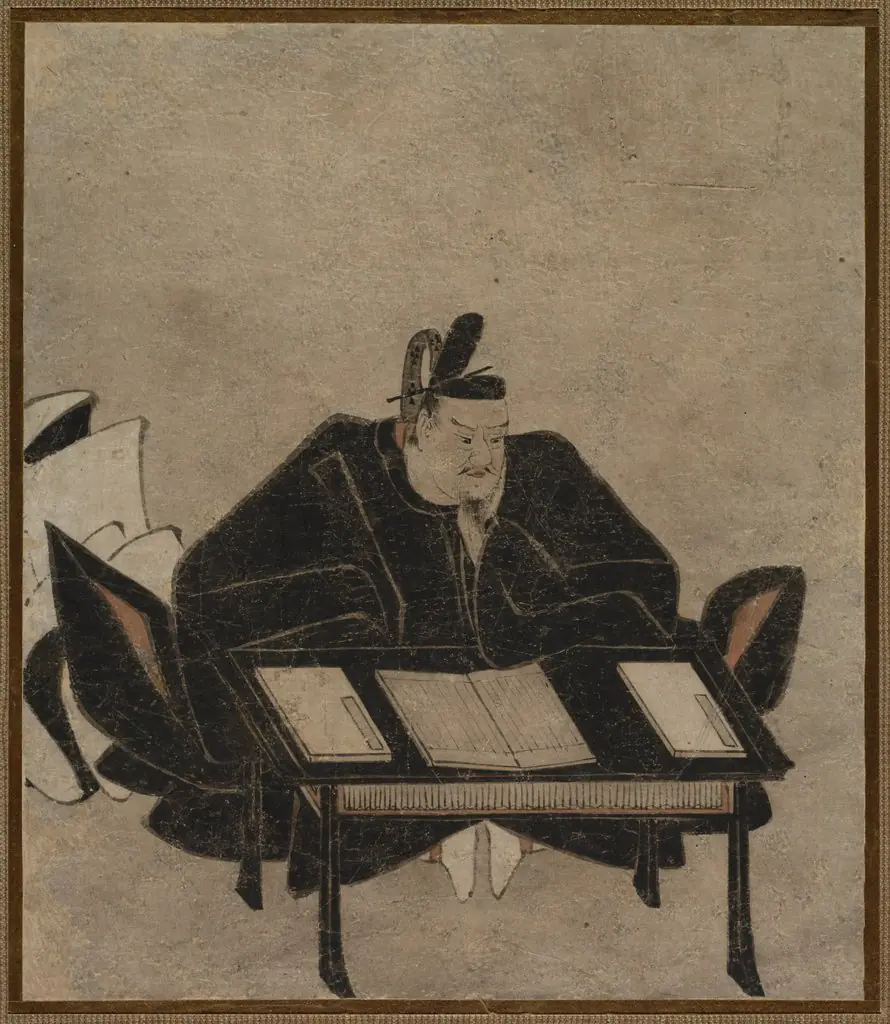 Seated Official
 Untitled
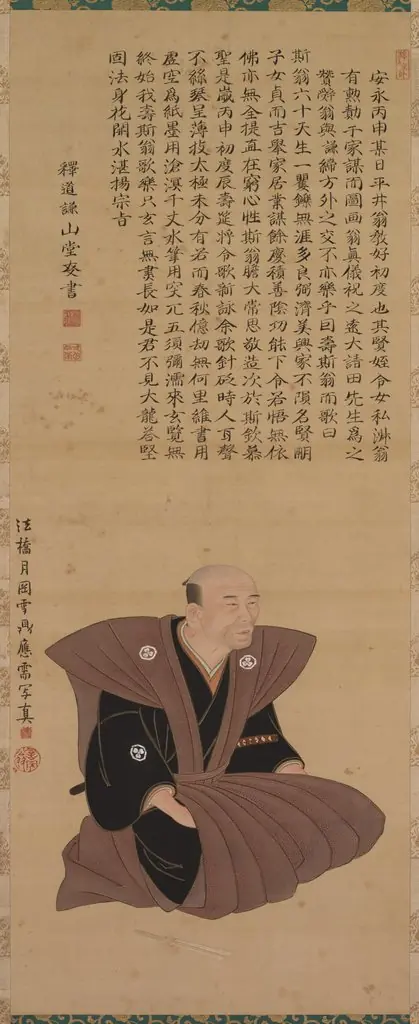 Portrait of Samurai-Official: Hirai KyoseiHirai Kyosei
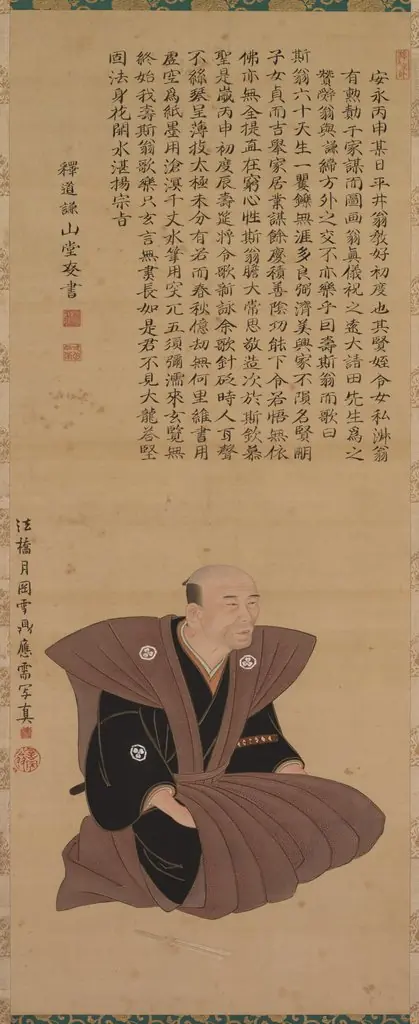 Pair of Portraits of Samurai-Officials: Hirai Kyosei and Hirai Rinsei
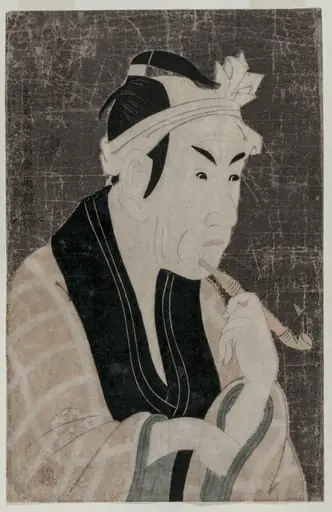 Matsumoto Koshiro IV as Gorobei, the Fish Seller from Sanya
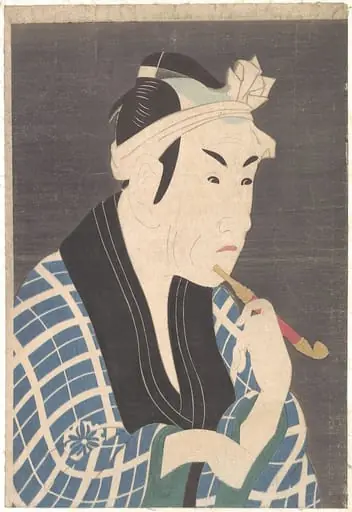 Untitled
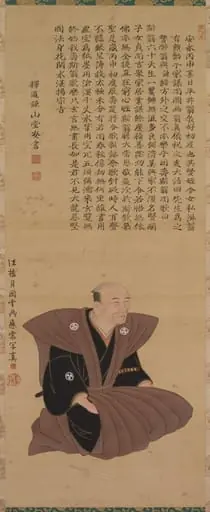 Portrait of Samurai-Official: Hirai KyoseiHirai Kyosei
 Untitled
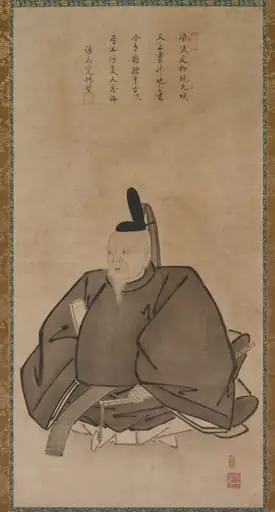 Portrait of Sugawara Michizane
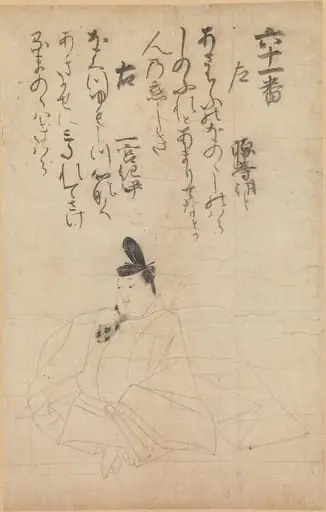 Untitled
 O Ateri Kyogen Uchi|Wild Words - a Play