Artwork
武蔵野図屏風|The Plains of Musashi
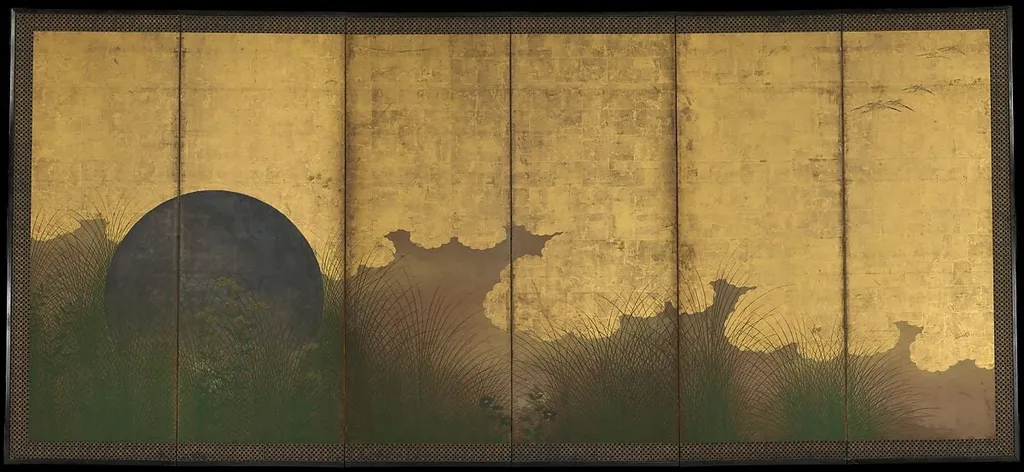
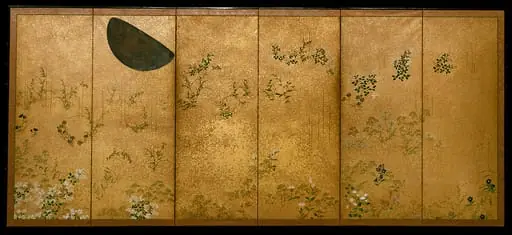
武蔵野図屏風|The Plains of Musashi is an ink painting by the Baroque artist Unknown. It dates from 1650 and is held in the collection of the Metropolitan Museum of Art. This six-panel folding screen depicts the Musashi Plains, a broad expanse in what is now western Tokyo.
About this work
Overview
Subtle details—such as flying birds and sparse vegetation—introduce motion into an otherwise still composition, balancing naturalism with decorative elegance.
This six-panel folding screen depicts the Musashi Plains, a broad expanse in what is now western Tokyo. Rendered in ink, mineral pigments, gold, and silver on paper, the work uses a luminous gold-leaf background to frame a quiet, expansive landscape. Subtle details—such as flying birds and sparse vegetation—introduce motion into an otherwise still composition, balancing naturalism with decorative elegance.
Subject & Meaning
The scene portrays an idealized view of the Musashi Plains, a region historically associated with pastoral tranquility and seasonal change. The dark circular form on the left may represent a distant hill or a stylized moon, suggesting the passage of time or a quiet moment at dusk. The absence of human figures emphasizes nature’s quiet dominance, aligning with Japanese aesthetic values of solitude and impermanence.
Technique & Style
The screen employs ink outlines and layered washes to define grasses and distant horizons, while gold and silver leaf create luminous atmospheric effects. Silver, now partially tarnished, originally enhanced the sky’s reflective quality. The composition avoids perspective in favor of flattened space, characteristic of Japanese decorative painting, yet the placement of birds introduces a subtle sense of depth and movement.
History & Provenance
Created during the early Edo period, likely in the 17th century, the screen reflects the tastes of wealthy patrons who commissioned such works for private residences or tea rooms. Its survival in relatively intact condition suggests careful preservation, possibly within a temple or aristocratic collection. Exact provenance remains undocumented, but its materials and style align with works produced in Kyoto or Osaka workshops.
Context
While often associated with the Rinpa school’s decorative traditions, this screen diverges in its restrained palette and minimalism. Unlike the flamboyant Baroque style referenced in some descriptions, it adheres to Japanese conventions of understatement and seasonal suggestion. The use of gold leaf was common in elite screens of the era, symbolizing purity and sacred space rather than mere opulence.
Legacy
The screen exemplifies how Japanese artists transformed landscape into meditative space, influencing later generations of decorative painters. Its quiet composition and material richness continue to inform contemporary interpretations of nature in Japanese art. Though not widely exhibited, it remains a significant reference for studies on Edo-period screen painting and the interplay of material and meaning in visual culture.
Artist & collection

 Domestic Scene
 Giacomo and Cardinal Marco, investing Andrea, Abbot of San Zeno, with his Benefice
 The Nymph of Fontainebleau
 Portrait of a Woman
 Madonna and Child with Saints in the Enclosed Garden
 Venus and Minerva
 Family Group of Four on Sofa
 Wall painting from Room H of the Villa of P. Fannius Synistor at Boscoreale
 柳橋水車図屏風|Willows and Bridge
 波に扇面流し図屏風|Fans upon Waves
 Untitled
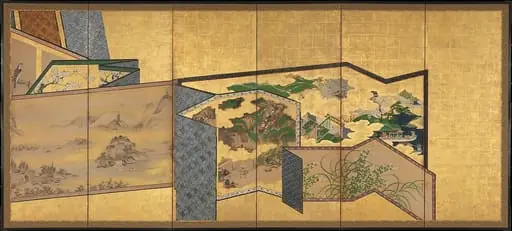 屏風尽図屏風|Screens within Screens
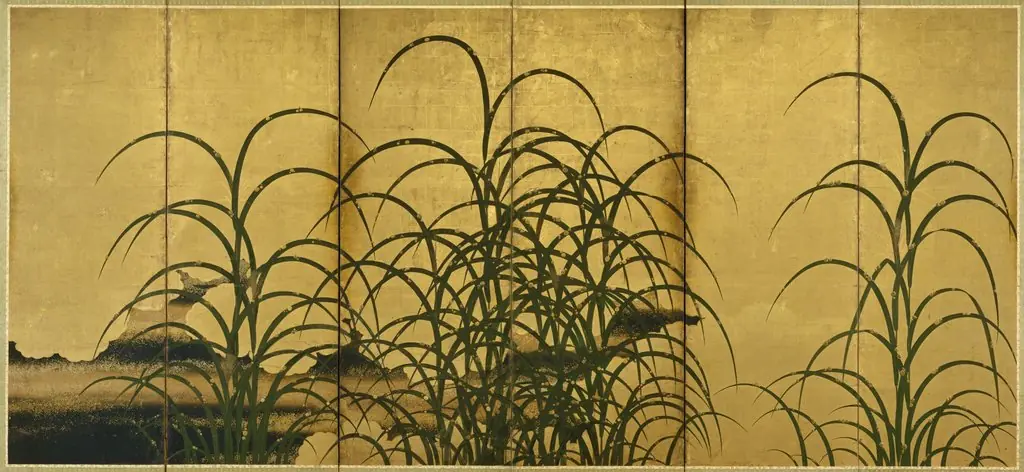 Pampas Grass
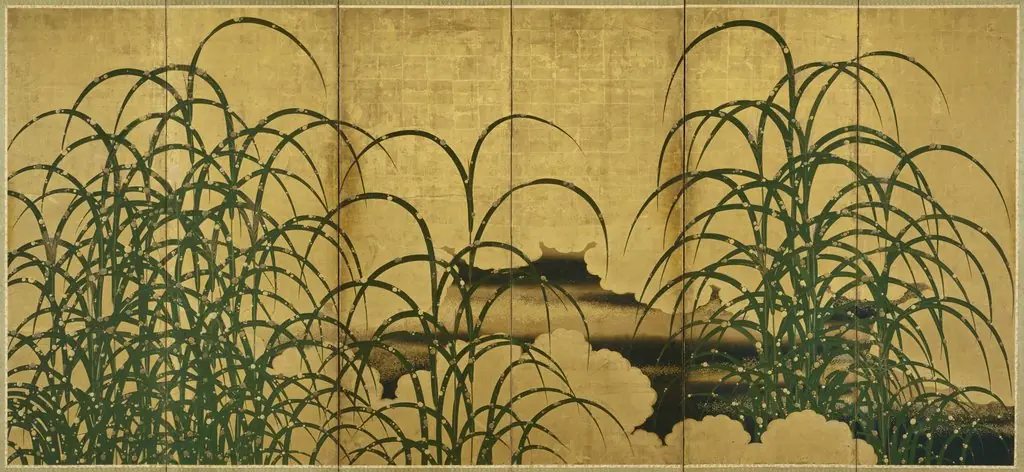 Pampas Grass
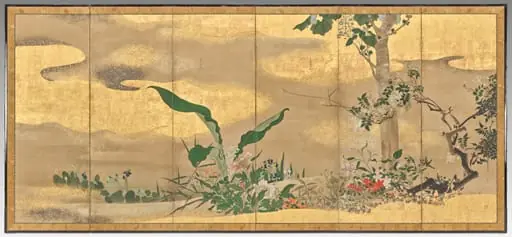 Flowers and Trees of the Four Seasons (right screen)
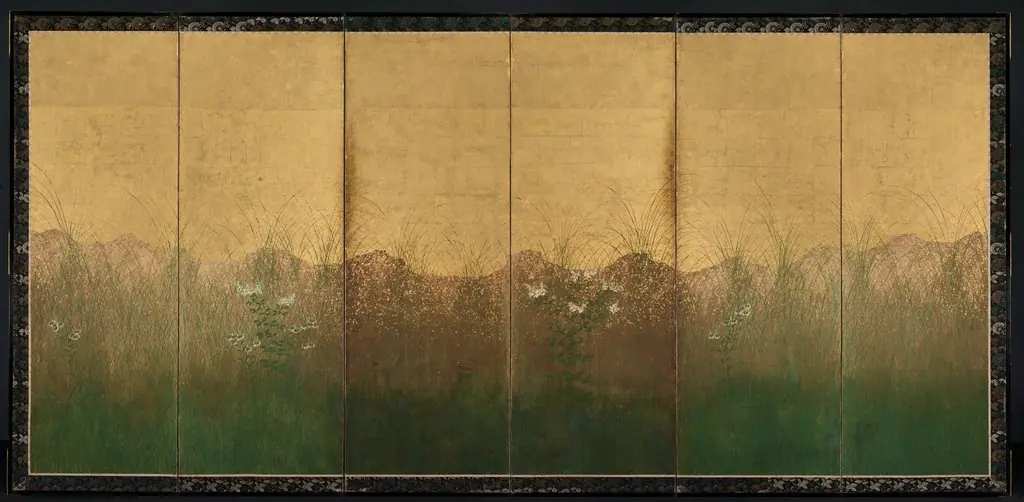 Autumn Evening with Full Moon on Musashino Plain
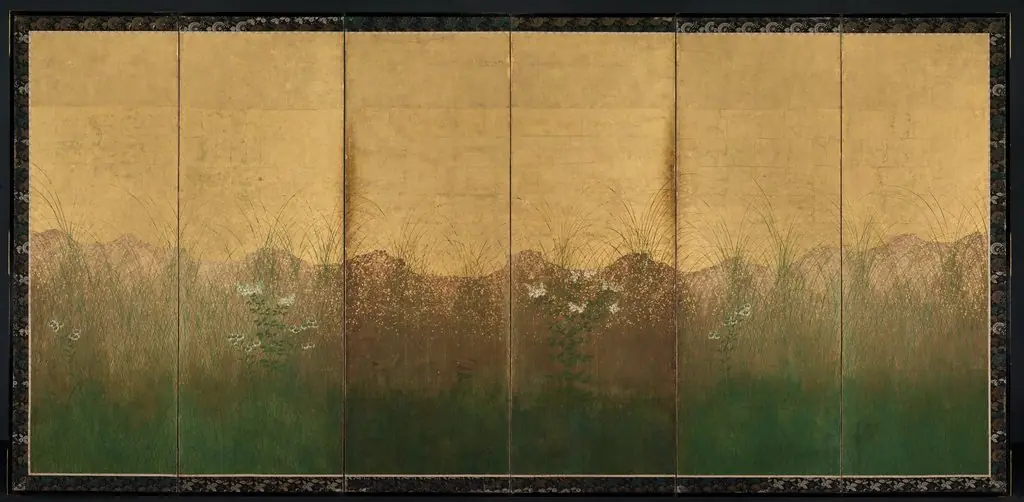 Autumn Evening with Full Moon on Musashino Plain
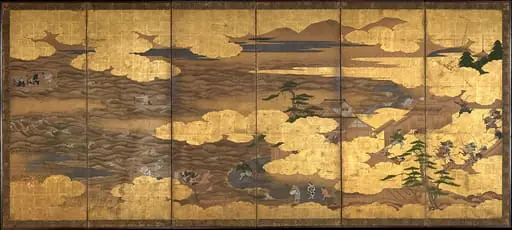 新曲図屏風|“Takebun,” from the Musical Drama “The New Piece” (“Shinkyoku”)
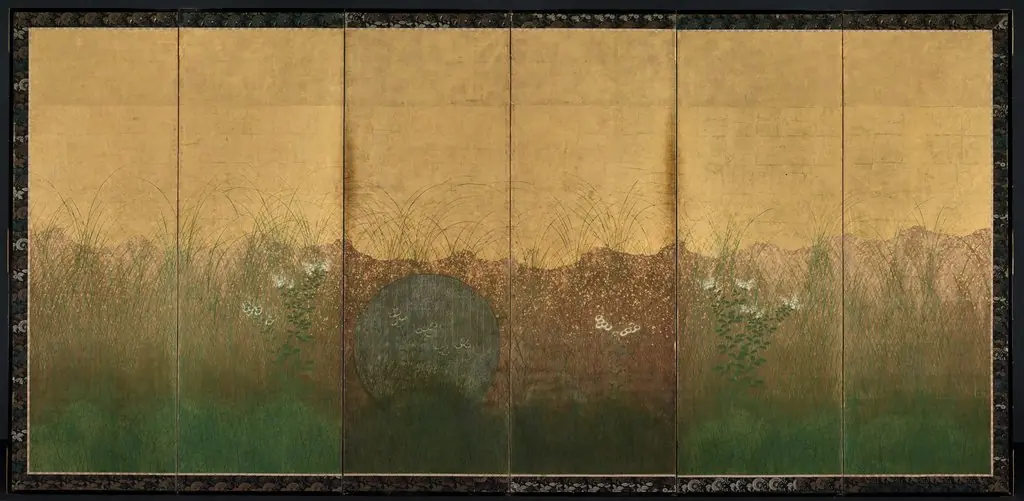 Autumn Evening with Full Moon on Musashino Plain
 俵屋宗達工房 月に秋草図屏風|Moon and Autumn Grasses