Artwork
Turkish sultans, sultanas and other historical figures
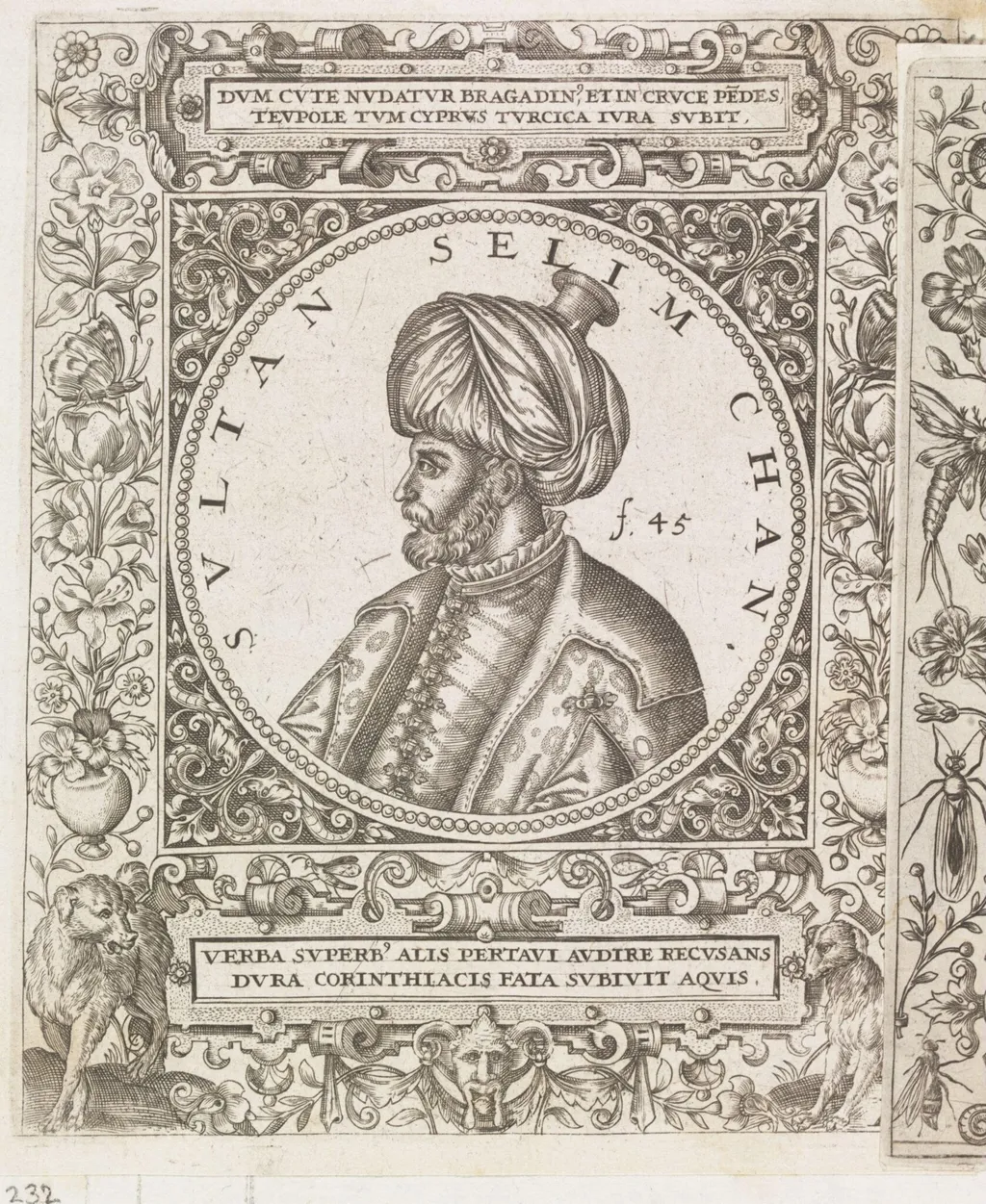
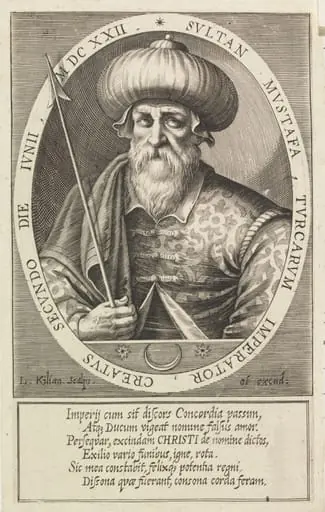
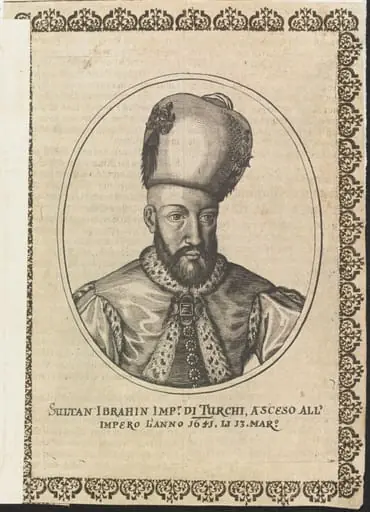
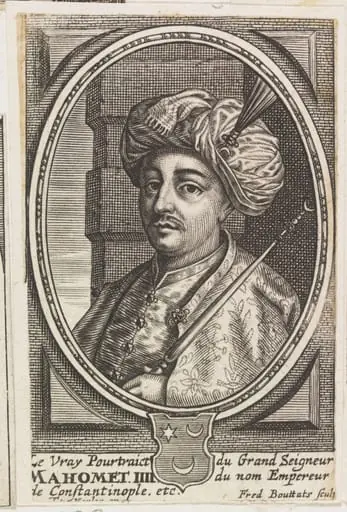
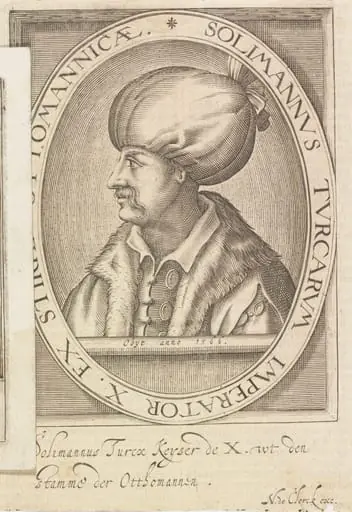
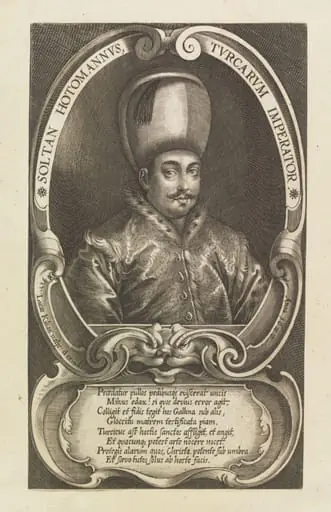
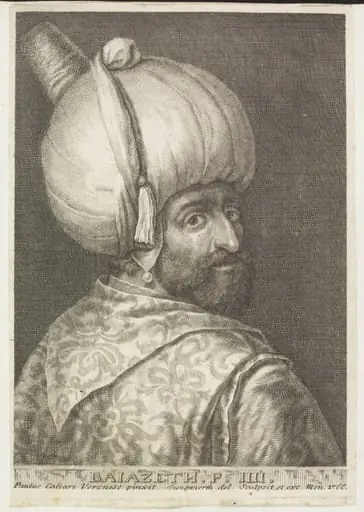
Turkish sultans, sultanas and other historical figures is a print by Unknown. It dates from 1750 and is held in the collection of the Victoria and Albert Museum. This black-and-white print depicts a male figure identified as a Turkish sultan, rendered with intricate decorative borders.
About this work
Overview
This black-and-white print depicts a male figure identified as a Turkish sultan, rendered with intricate decorative borders.
This black-and-white print depicts a male figure identified as a Turkish sultan, rendered with intricate decorative borders. The composition emphasizes ornamental framing, with floral and scroll motifs surrounding the figure. Latin inscriptions encircle the image, suggesting a European interpretive context. The style reflects 16th- or 17th-century printmaking traditions, where exoticized portraits were produced for Western audiences seeking visual representations of Eastern rulers.
Subject & Meaning
The figure is portrayed in regal attire—high turban, patterned robe, and neck chain—conventions used in European prints to signify Ottoman authority. The Latin text likely conveys political or diplomatic messaging, possibly reinforcing stereotypes of Eastern despotism or exotic grandeur. The image does not aim for portraiture accuracy but rather constructs an idealized, symbolic representation of Ottoman power as perceived in early modern Europe.
Technique & Style
Executed in fine line engraving or etching, the print demonstrates meticulous attention to detail in both the figure and the surrounding ornamentation. The heavy, swirling borders contrast with the restrained rendering of the face and clothing, creating a hierarchical visual focus. The monochrome palette and dense decorative elements reflect contemporary European print aesthetics, where embellishment often compensated for limited access to original Eastern sources.
History & Provenance
Produced likely in the Netherlands or Germany during the late Renaissance, such prints circulated among collectors and diplomats. They were often derived from earlier woodcuts or traveler sketches, reworked to suit European tastes. The Victoria and Albert Museum holds similar examples, indicating this print was part of a broader genre of Ottoman-themed imagery produced for private and institutional collections across Western Europe.
Context
During the 16th and 17th centuries, the Ottoman Empire was a dominant political force in Europe’s eastern periphery. European printmakers frequently depicted Ottoman elites through a lens of fascination and fear, blending observation with myth. These images served as visual tools in political discourse, reinforcing notions of cultural difference while satisfying curiosity about a powerful, non-Christian neighbor.
Legacy
This print exemplifies how non-European figures were visually codified in early modern Europe, shaping enduring stereotypes. Though not historically precise, such works influenced later artistic and journalistic portrayals of the Islamic world. Today, they are studied as cultural artifacts that reveal more about European perceptions than the realities of Ottoman court life.
Artist & collection

 Domestic Scene
 Giacomo and Cardinal Marco, investing Andrea, Abbot of San Zeno, with his Benefice
 The Nymph of Fontainebleau
 Portrait of a Woman
 Madonna and Child with Saints in the Enclosed Garden
 Venus and Minerva
 Family Group of Four on Sofa
 Wall painting from Room H of the Villa of P. Fannius Synistor at Boscoreale
 Turkish sultans, sultanas and other historical figures
 Turkish sultans, sultanas and other historical figures
 Turkish sultans, sultanas and other historical figures
 Turkish sultans, sultanas and other historical figures
 Turkish sultans, sultanas and other historical figures
 Turkish sultans, sultanas and other historical figures
 Turkish sultans, sultanas and other historical figures
 Turkish sultans, sultanas and other historical figures
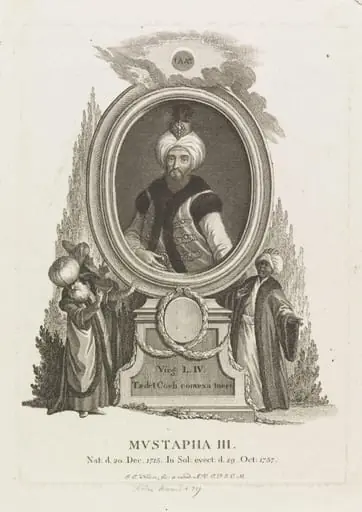 Turkish sultans, sultanas and other historical figures
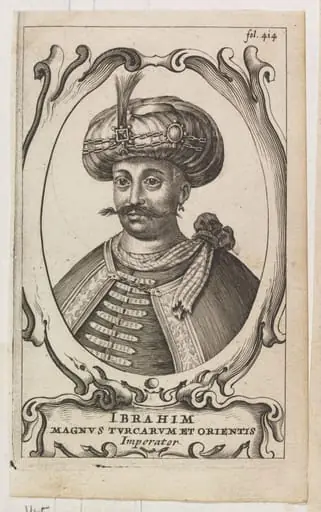 Turkish sultans, sultanas and other historical figures
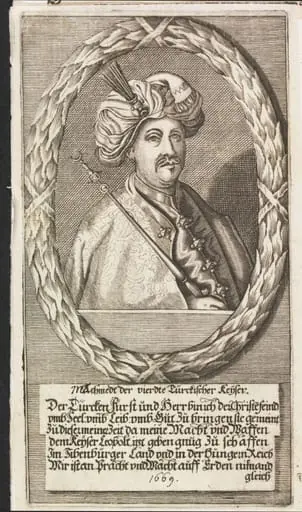 Turkish sultans, sultanas and other historical figures
 Turkish sultans, sultanas and other historical figures