Artwork
Turkish sultans, sultanas and other historical figures
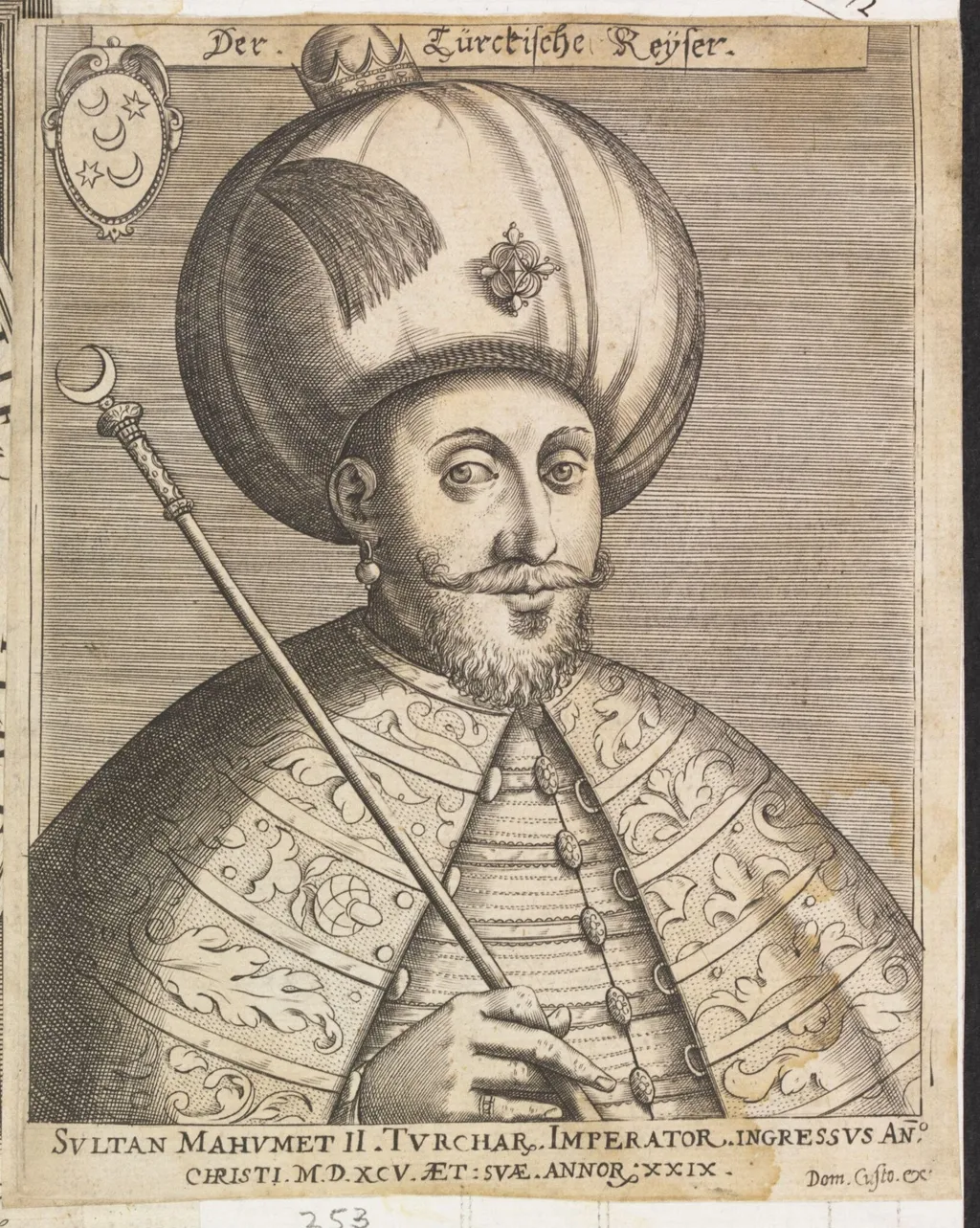
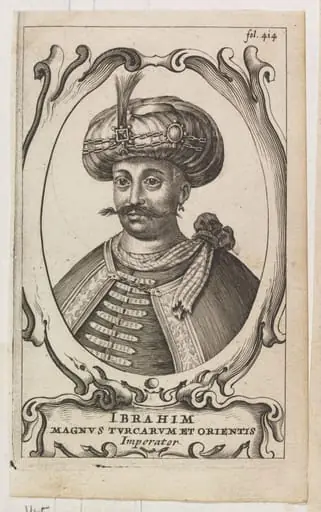
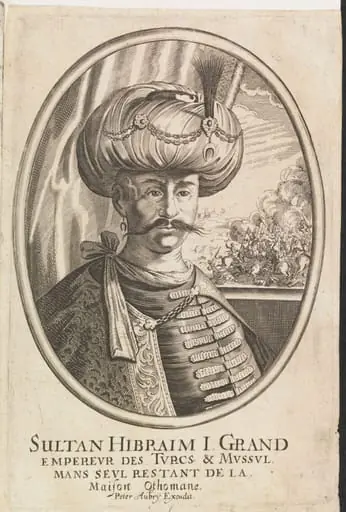
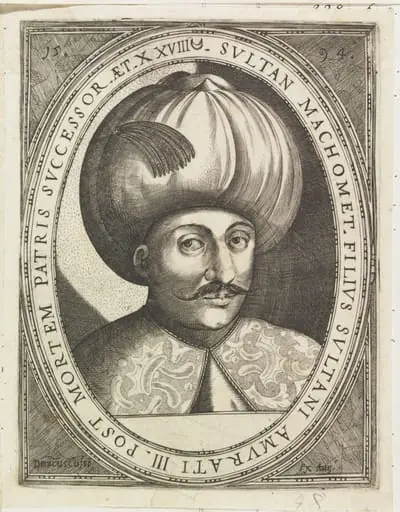
Turkish sultans, sultanas and other historical figures is a print by the Renaissance artist Dominicus Custos. It dates from 1580 and is held in the collection of the Victoria and Albert Museum.
About this work
The title at the top reads *"Der Türckische Keyser"* (German for "The Turkish Emperor").
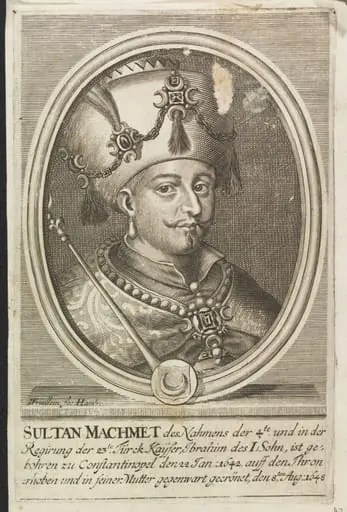
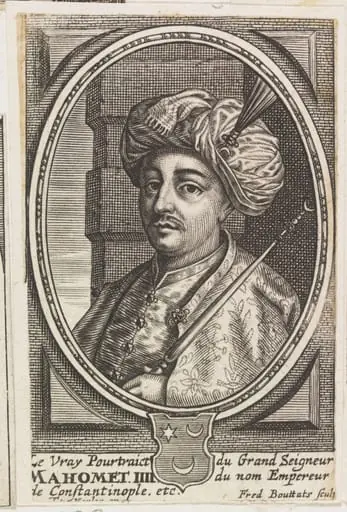
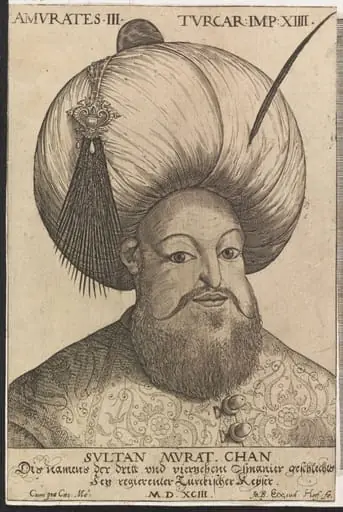
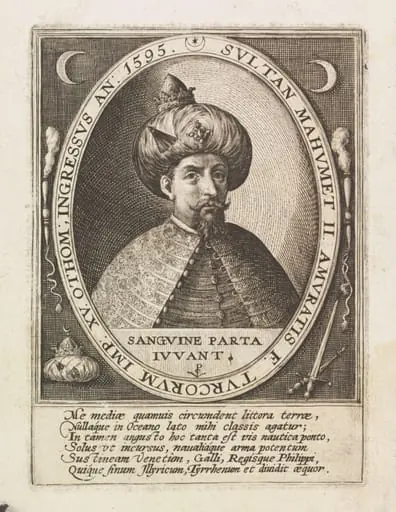
This is a black-and-white portrait of a man in fancy clothes. He’s wearing a tall, feathered hat and a long robe covered in swirling patterns. His beard is thick, and he holds a curved staff in one hand. The background is plain, but there’s a crescent moon symbol in the top left corner.
The title at the top reads *"Der Türckische Keyser"* (German for "The Turkish Emperor"). The text below names him as *"Sultan Mahumet II"* and notes he entered a city in 1458.
Next, look up Renaissance to see how this style shaped European art.
Overview
A 1580 engraving by Dominicus Custos presents a series of Ottoman rulers, beginning with Mehmed II, rendered in monochrome. The composition follows a formal, linear style typical of Northern European portraiture of the period. Each figure is labeled in German, with Mehmed II identified by name and a reference to his 1458 entry into a city. The image functions as a dynastic record, blending historical fact with symbolic representation to convey authority and lineage.
Subject & Meaning
Mehmed II, conqueror of Constantinople, is depicted as the central figure among Ottoman leaders, emphasizing his political and military significance. His regalia—feathered headdress, ornate robe, and curved staff—signal imperial status within a European visual lexicon. The crescent moon in the corner alludes to Islamic symbolism, while the German inscription frames him as a ruler of the 'Turkish Emperor,' reflecting contemporary European perceptions of Ottoman power as both exotic and formidable.
Technique & Style
Executed as a detailed engraving, the work employs fine linework to render textures of fabric, beard, and headdress with precision. The background is deliberately minimal, focusing attention on the figure’s posture and attire. The style reflects Northern Renaissance printmaking traditions, where clarity and symbolic detail outweigh naturalism. The flat perspective and stylized patterns align with contemporary European conventions for depicting non-Western rulers, prioritizing iconography over realism.
History & Provenance
Created by Dominicus Custos, a Flemish artist active in Augsburg, the print was part of a broader project documenting European and non-European rulers. It likely circulated among educated German-speaking audiences interested in geopolitics and dynastic history. The inclusion of Mehmed II’s 1458 campaign suggests a deliberate effort to anchor Ottoman authority in documented events, reinforcing the print’s role as both historical record and political commentary.
Context
In late 16th-century Europe, Ottoman expansion prompted heightened interest in Turkish leadership. Prints like Custos’s served to inform and sometimes alarm audiences by visualizing the empire’s hierarchy. The use of German text and European stylistic norms indicates an attempt to make Ottoman figures legible within a Christian worldview, blending factual detail with cultural interpretation to shape perceptions of a powerful neighboring civilization.
Legacy
Custos’s engraving contributed to a genre of European printed portraiture that cataloged foreign rulers, influencing later ethnographic and historical collections. While not artistically innovative, its systematic labeling and formal composition set a precedent for how non-European leaders were visually documented in print media. The work remains a tangible artifact of Renaissance Europe’s fascination with—and framing of—the Ottoman Empire.
Artist & collection
Artist
Dominicus Custos (1560–1612) was a Flemish artist, printer and copperplate engraver, who worked in the service of Emperor Rudolph II in Prague.

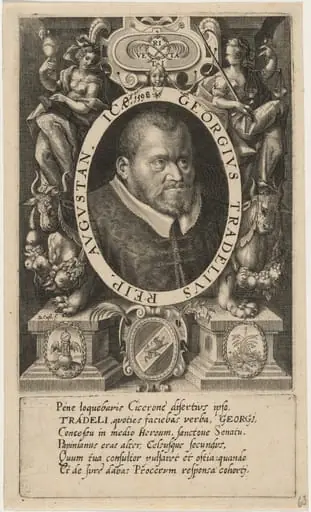
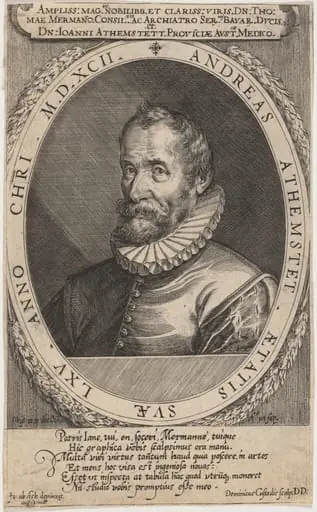
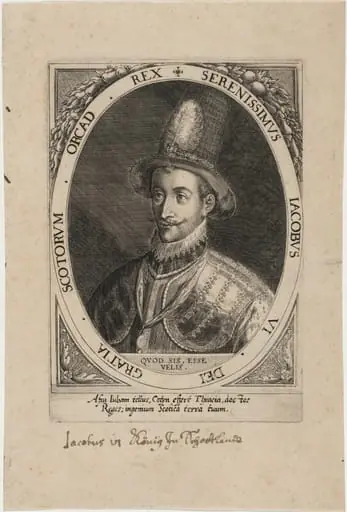
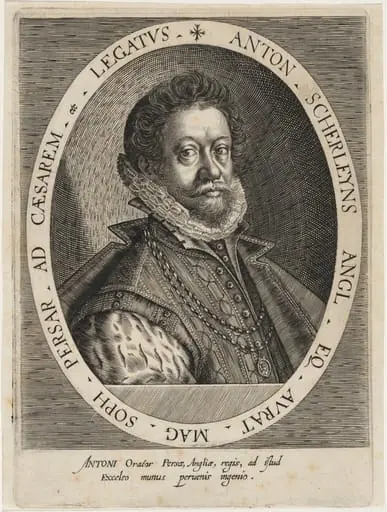
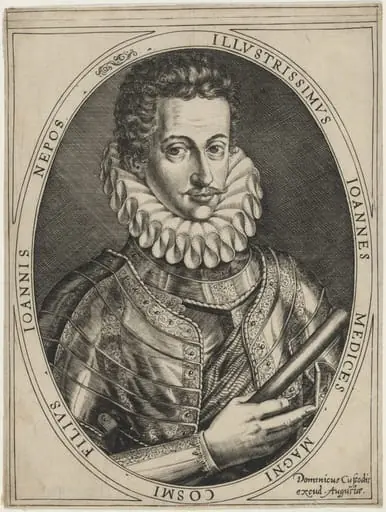
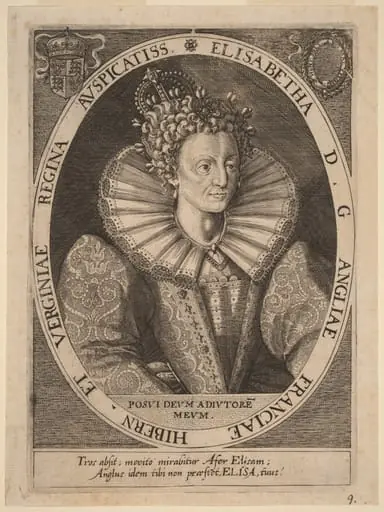
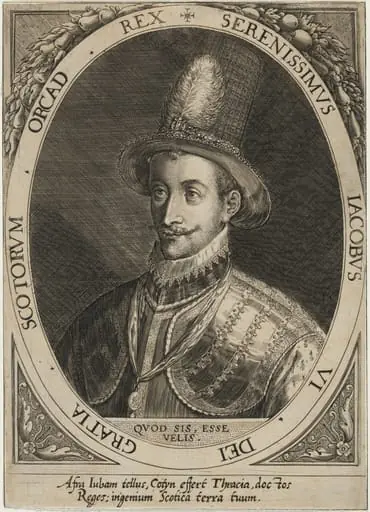
 Turkish sultans, sultanas and other historical figures
 Turkish sultans, sultanas and other historical figures
 Turkish sultans, sultanas and other historical figures
 Turkish sultans, sultanas and other historical figures
 Turkish sultans, sultanas and other historical figures
 Turkish sultans, sultanas and other historical figures
 Turkish sultans, sultanas and other historical figures
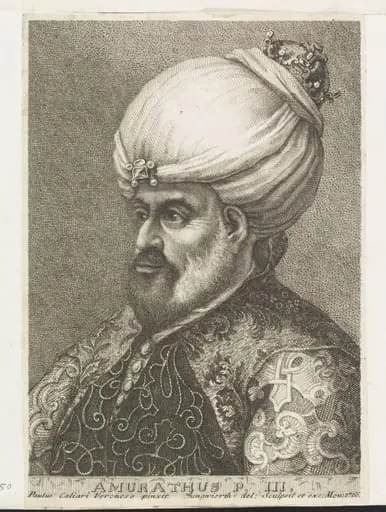 Turkish sultans, sultanas and other historical figures
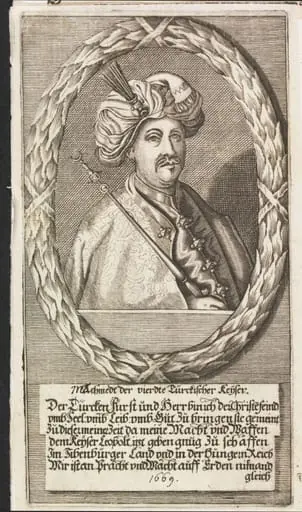 Turkish sultans, sultanas and other historical figures
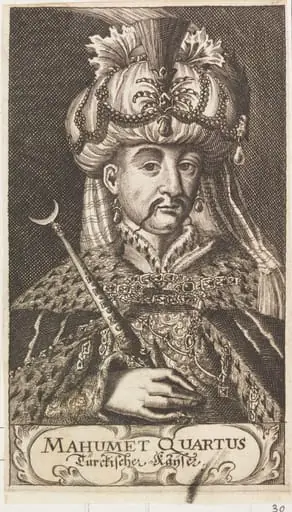 Turkish sultans, sultanas and other historical figures