Artwork
Ulrich, Duke of Württemberg (1487-1550)
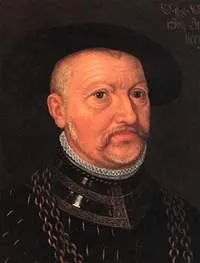
Ulrich, Duke of Württemberg (1487-1550) is an unspecified painting by Unknown. It dates from 1550 and is held in the collection of the Kunsthistorisches Museum. The work is a portrait of Ulrich, Duke of Württemberg (1487–1550).
About this work
Overview
The work is a portrait of Ulrich, Duke of Württemberg (1487–1550). Rendered in a straightforward composition, the figure stands before an unadorned backdrop, his gaze meeting the viewer directly. The painting conveys a sober atmosphere, reflecting the dignified bearing expected of a 16th‑century nobleman.
Subject & Meaning
Ulrich, a prominent German ruler of the early modern period, is shown with a serious expression, emphasizing his authority and gravitas. The prominent nose and neatly trimmed beard highlight individual features, while the direct eye contact suggests confidence and a sense of personal presence, typical of portraiture intended to affirm status.
Technique & Style
Executed in oil on panel, the portrait employs a restrained palette dominated by dark tones. The duke’s doublet features elaborate detailing and a high, stiff collar, complemented by a matching hat. Fine brushwork captures facial details, especially the texture of skin and beard, while the plain background isolates the figure, focusing attention on his likeness.
History & Provenance
The artist remains unidentified, a common circumstance for many court portraits of the period. The painting likely originated from the ducal workshop in Württemberg and would have been displayed in a private or official setting to reinforce the duke’s image. Its later movements are not documented in the available sources.
Context
Portraits of German princes in the early sixteenth century often served diplomatic and propagandistic purposes, presenting rulers as stable and respectable. The austere composition and detailed costume reflect contemporary fashions and the desire to convey both personal virtue and political legitimacy within the Holy Roman Empire.
Artist & collection

 Domestic Scene
 Giacomo and Cardinal Marco, investing Andrea, Abbot of San Zeno, with his Benefice
 The Nymph of Fontainebleau
 Portrait of a Woman
 Madonna and Child with Saints in the Enclosed Garden
 Venus and Minerva
 Family Group of Four on Sofa
 Wall painting from Room H of the Villa of P. Fannius Synistor at Boscoreale
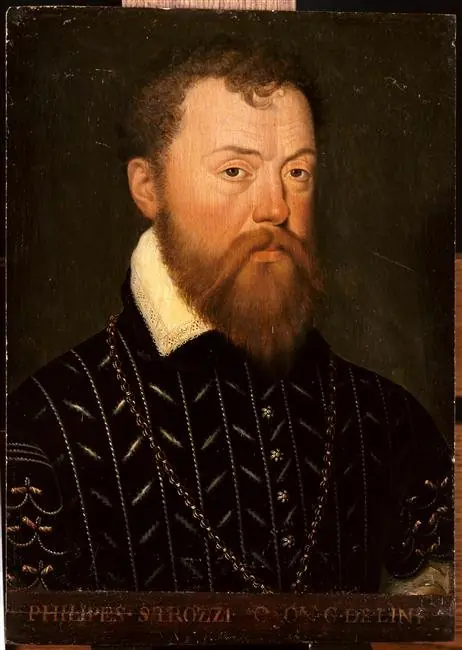 Pierre Strozzi, maréchal de France
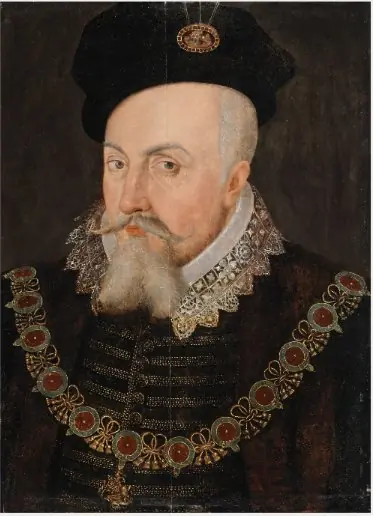 Portrait of Robert Dudley (?1532-1588) Earl of Leicester
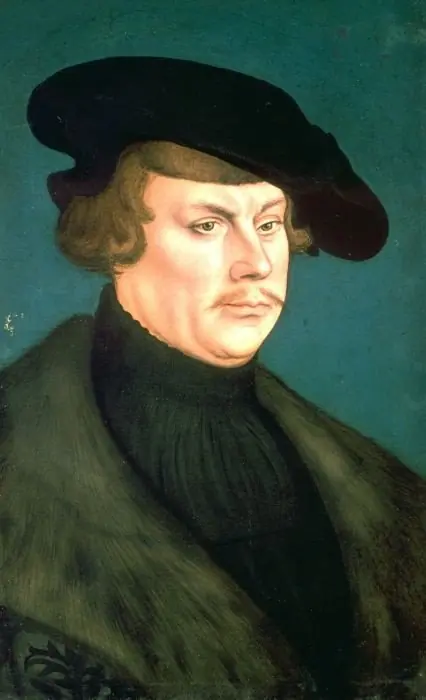 Portrait of an unknown man
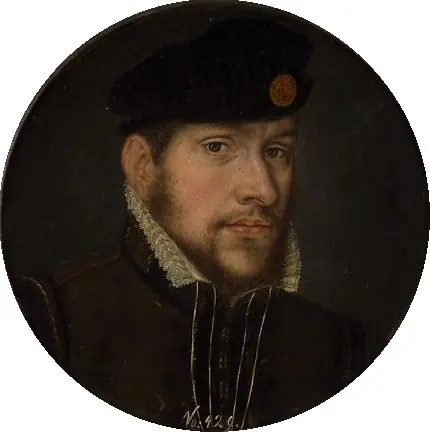 Bildnis eines ungekannten Mannes in braunem Wams mit braunem kurzem Bart und Schnurrbart und Barett
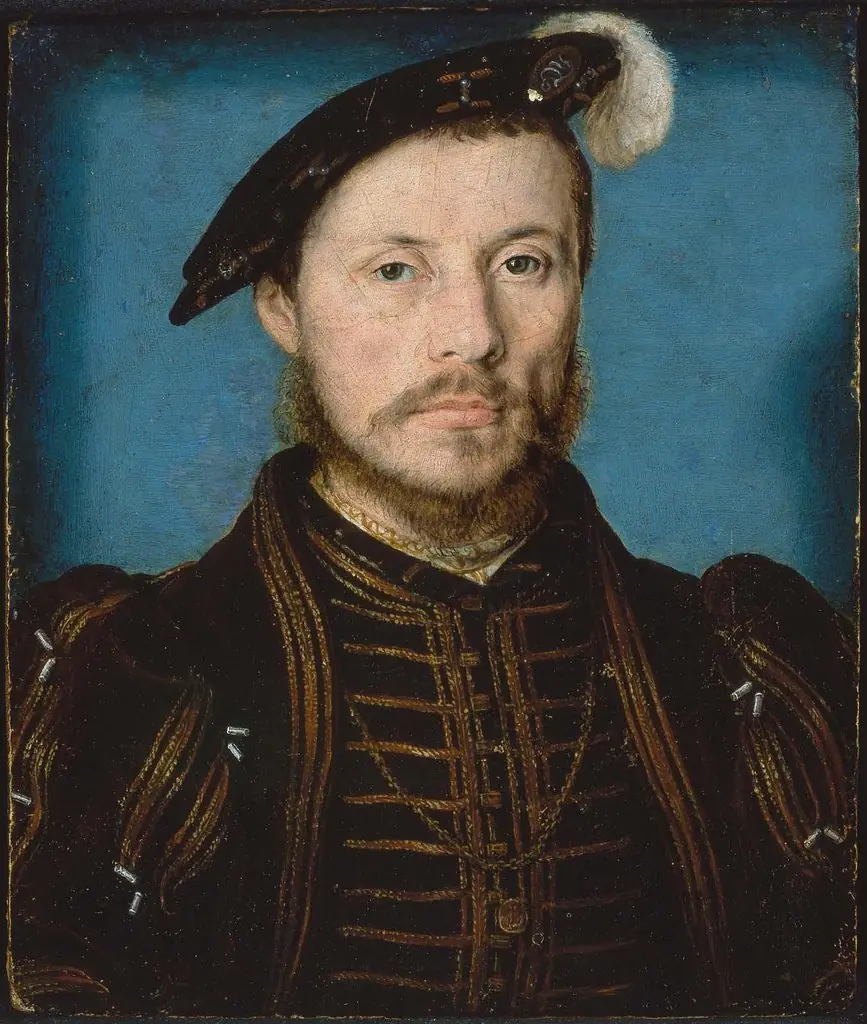 Portrait of a Man, identified as Anne de Montmorency (1493 - 1567)
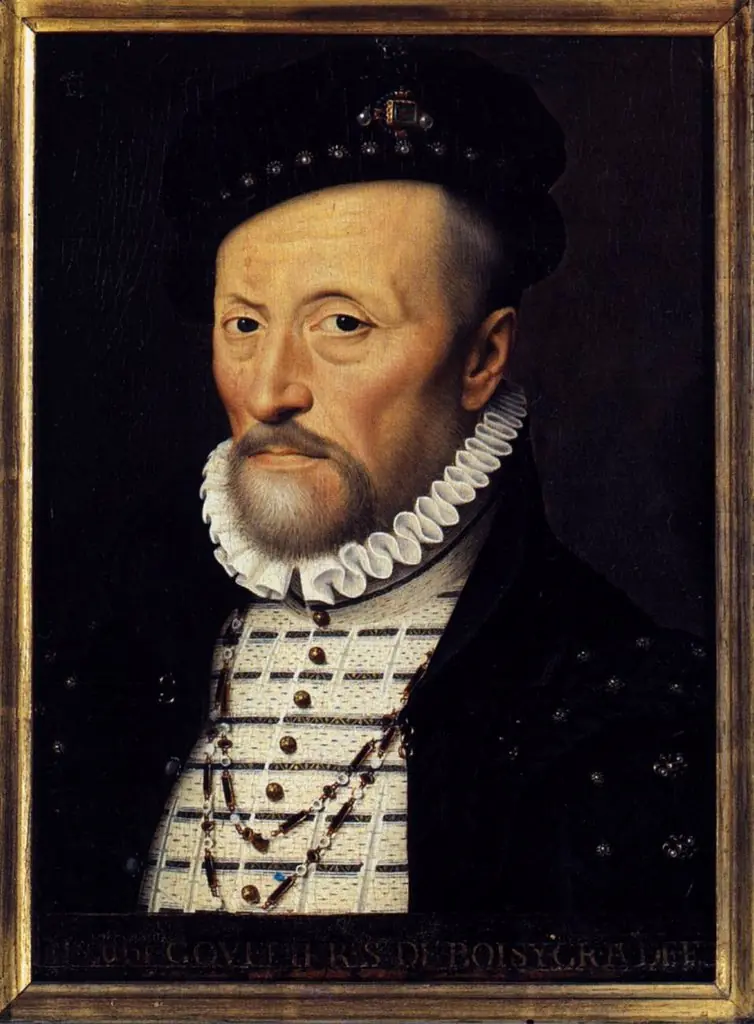 Portrait of Claude Gouffier
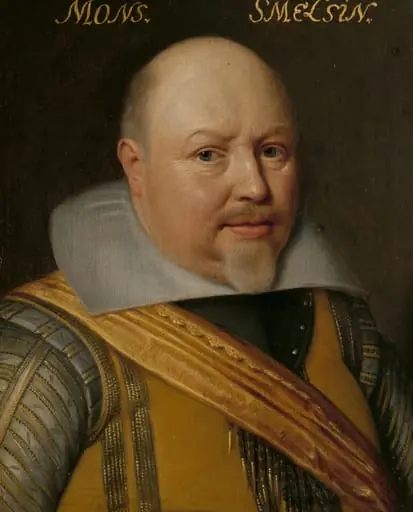 Untitled
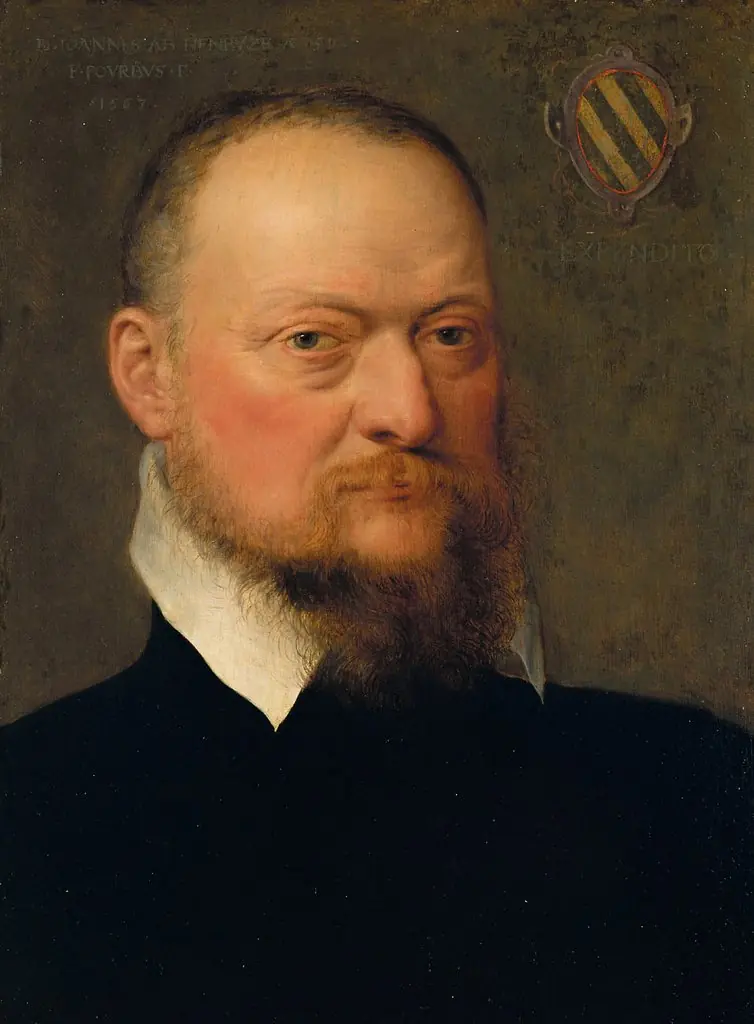 Jan van Hembyze (1517-1584)
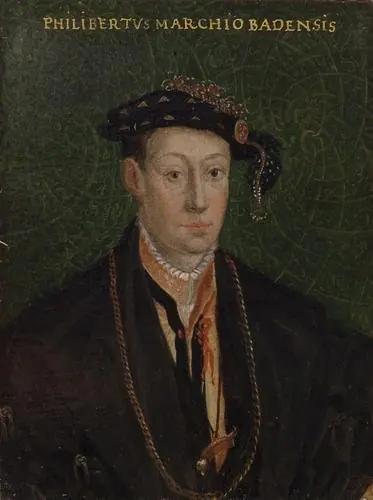 Philibert, Markgraf, Sohn Bernhards III., gestorben 1569
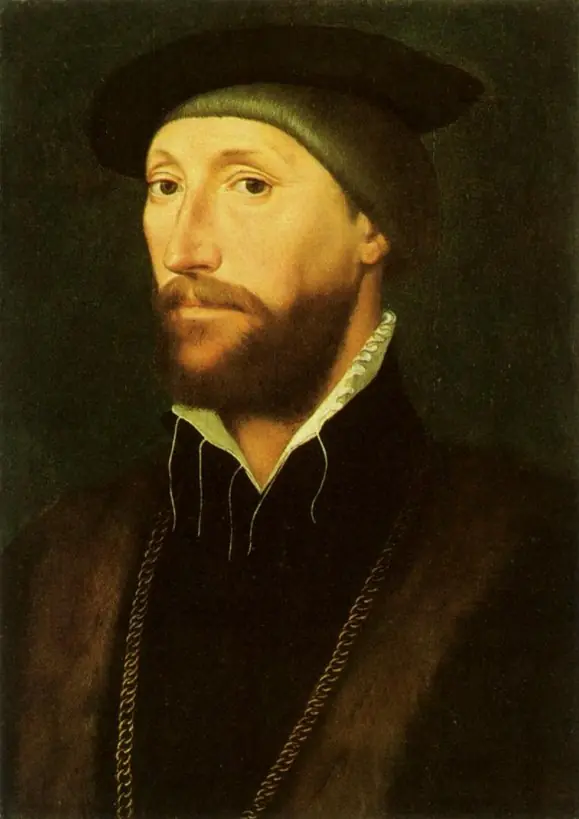 Portrait of Sir Thomas Le Strange
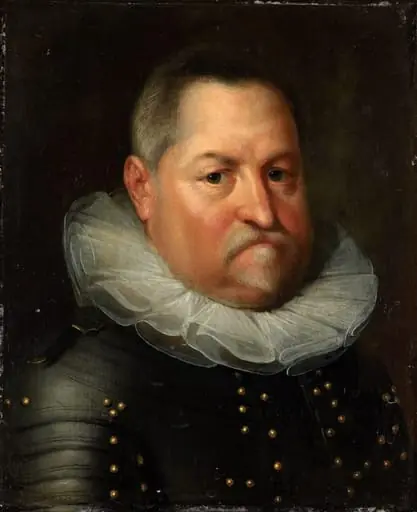 Untitled
 Portret Stefana Batorego (1533-1586), króla Polski