Artwork
Untitled
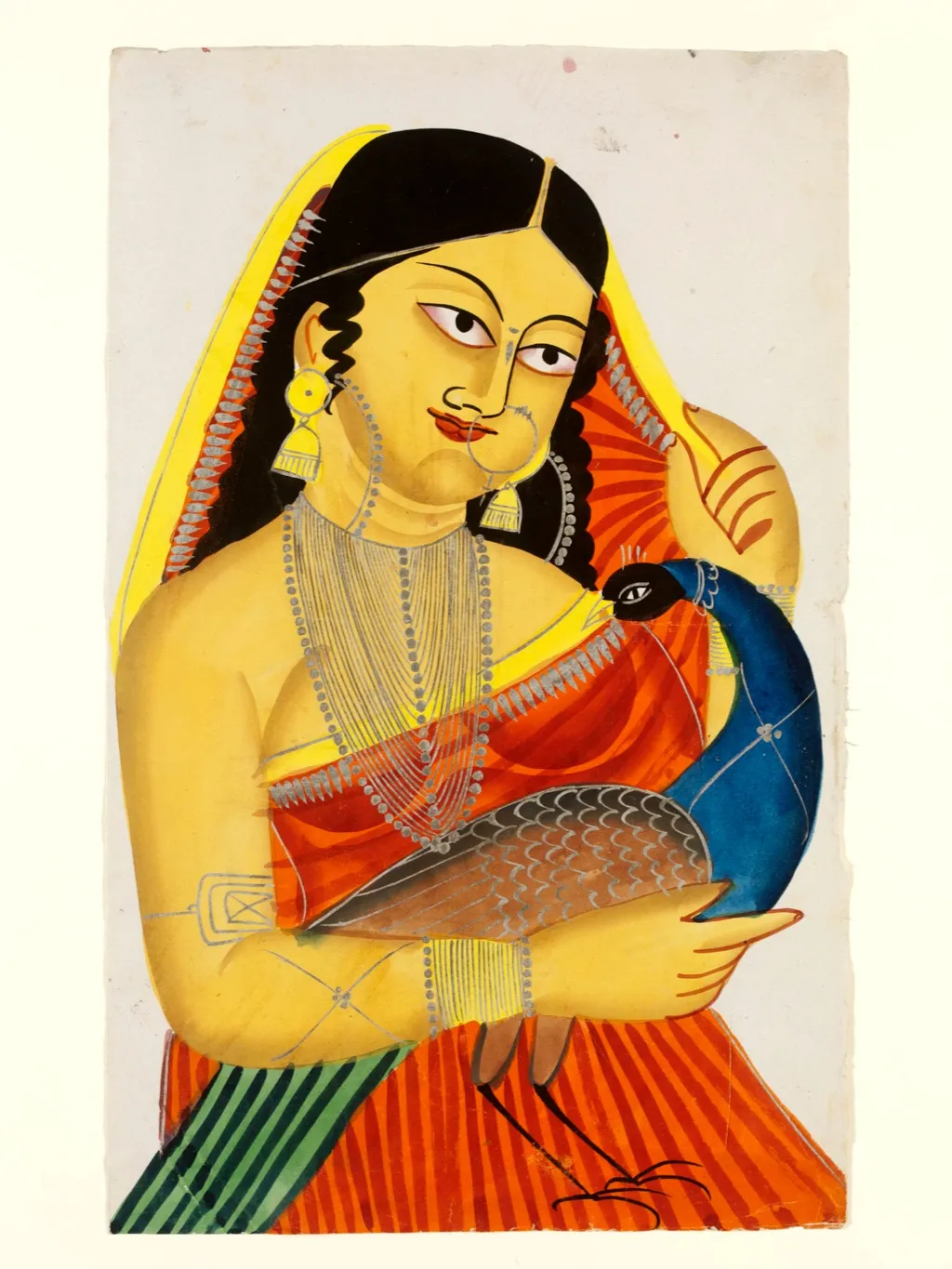
Untitled is a paint painting by the Impressionist artist Unknown. It dates from 1865 and is held in the collection of the Victoria and Albert Museum. Created around 1865, this work is an opaque watercolour on paper, incorporating tin alloy for metallic detail.
About this work
This painting shows a scene, but it's hard to tell what's going on.
It's an old work, from around 1865 to 1870.
The artist used a style that was popular back then, trying to show real life, which is interesting because it was a time when artists were starting to focus on everyday scenes.
To learn more about this style, look into the movement: Impressionism.
Overview
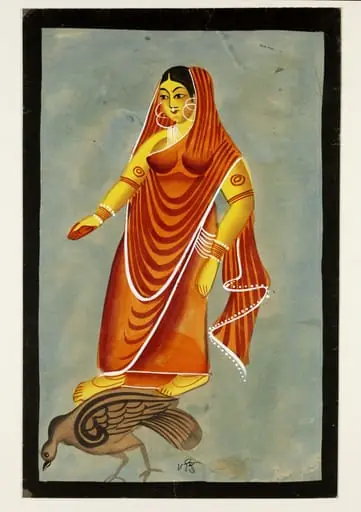
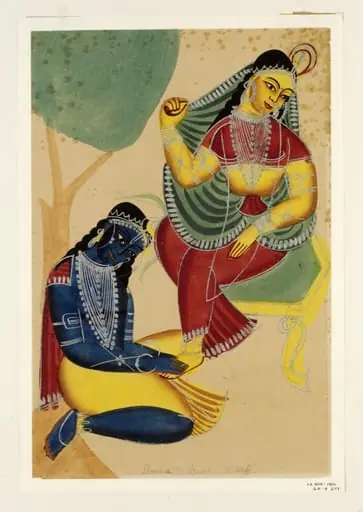
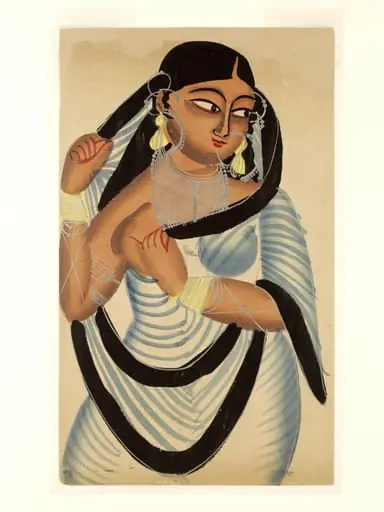
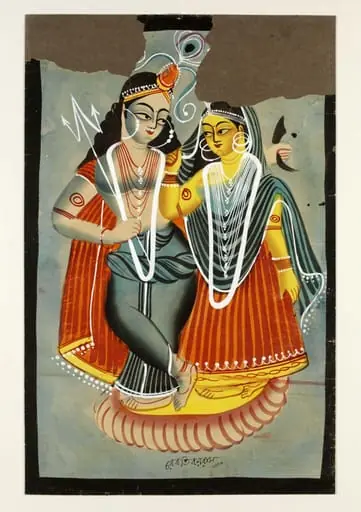
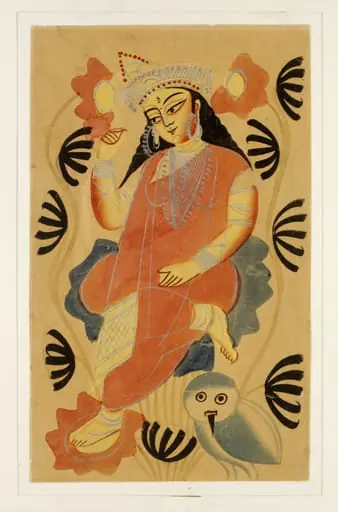
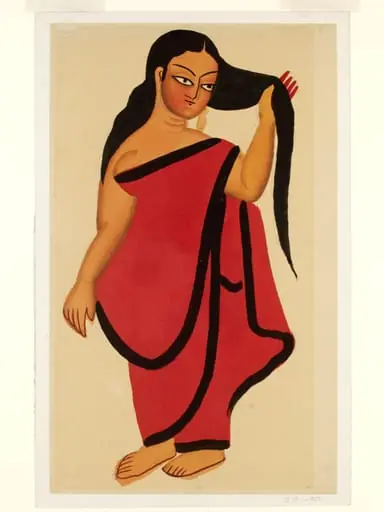
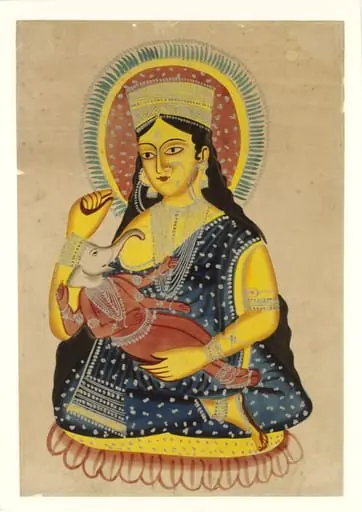
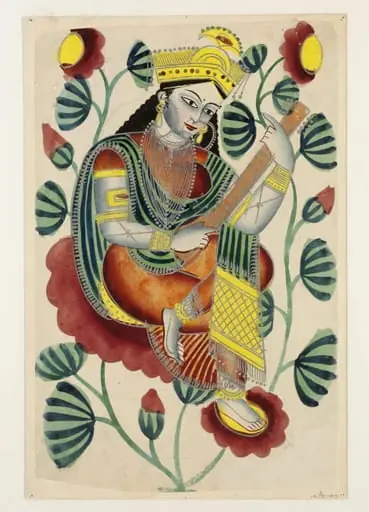
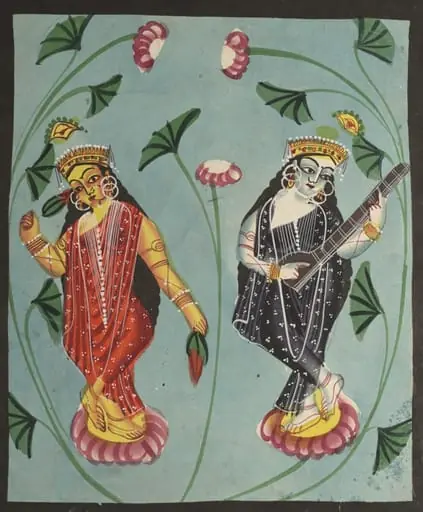
It depicts a courtesan cradling a peacock, rendered with precision in a format typical of 19th-century South Asian portraiture.
Created around 1865, this work is an opaque watercolour on paper, incorporating tin alloy for metallic detail. It depicts a courtesan cradling a peacock, rendered with precision in a format typical of 19th-century South Asian portraiture. The use of tin alloy to simulate silver jewelry reflects a material practice common in regional artistic traditions, blending local aesthetics with available media.
Subject & Meaning
The figure, dressed in a yellow sari with a matching border, holds a peacock—a symbol often associated with beauty, grace, and divine presence in South Asian culture. Her elaborate silver adornments, rendered in tin alloy, signal status and refinement. The scene likely captures a moment of quiet intimacy, emphasizing personal elegance over narrative drama, characteristic of domestic or courtly portraiture of the period.
Technique & Style
The artist employed opaque watercolour for its luminous, flat planes of color, while tin alloy was applied selectively to mimic the sheen of silver jewelry. This combination of media suggests a hybrid approach, bridging indigenous techniques with emerging observational realism. The composition is static and frontal, prioritizing detail over spatial depth, aligning with regional conventions rather than Western perspective.
History & Provenance
The painting was donated to the University Museum of Archaeology and Ethnology in Cambridge by Mrs. Western of Langrookside, Havant, Hampshire. The circumstances of its acquisition remain undocumented, but its presence in a British institution reflects 19th-century colonial-era collecting practices. Its journey from its place of origin to Cambridge is unrecorded beyond this single provenance note.
Context
Produced during a period when Indian artists were increasingly engaging with both indigenous traditions and European artistic influences, this work reflects a transitional moment in visual culture. While not part of the Impressionist movement, it shares an interest in depicting everyday figures with attention to texture and adornment, mirroring broader global shifts toward observational realism in portraiture.
Legacy
The painting remains a rare example of material experimentation in 19th-century South Asian paper-based art. Its preservation in a university collection underscores its value as a cultural artifact rather than a fine art object. It contributes to scholarly understanding of how local materials and symbolic motifs were sustained amid changing artistic and colonial contexts.
Artist & collection

 Domestic Scene
 Giacomo and Cardinal Marco, investing Andrea, Abbot of San Zeno, with his Benefice
 The Nymph of Fontainebleau
 Portrait of a Woman
 Madonna and Child with Saints in the Enclosed Garden
 Venus and Minerva
 Family Group of Four on Sofa
 Wall painting from Room H of the Villa of P. Fannius Synistor at Boscoreale