Artwork
Untitled (Portrait of a Woman in Gray Sari and Veil)
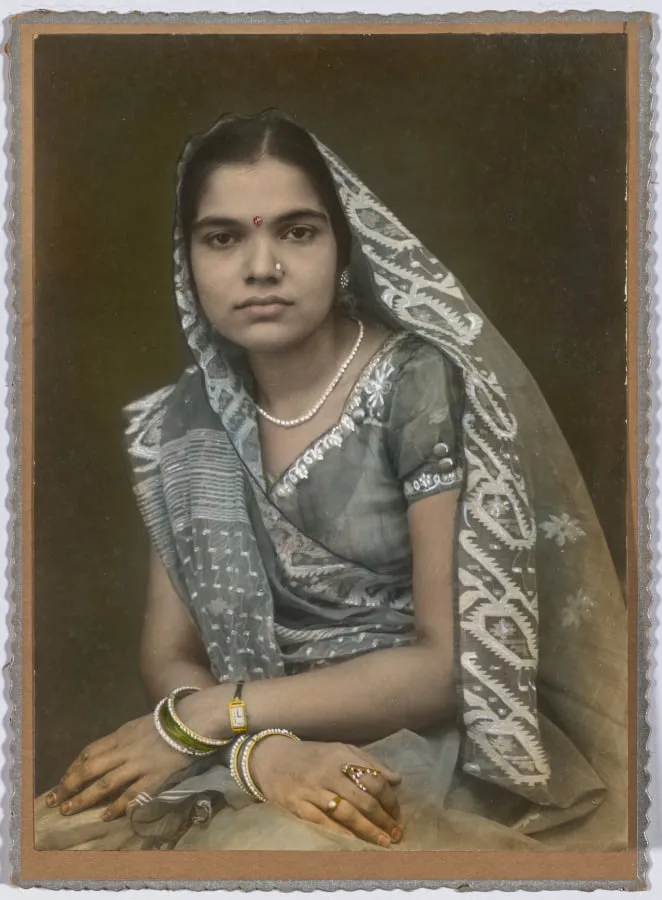
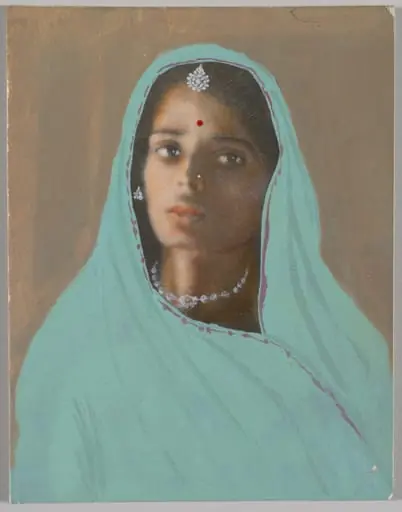
Untitled (Portrait of a Woman in Gray Sari and Veil) is a photography by Unknown. It dates from 1904 and is held in the collection of the Cleveland Museum of Art.
About this work
Families paid extra to have photos hand-tinted, making them feel more like painted portraits.
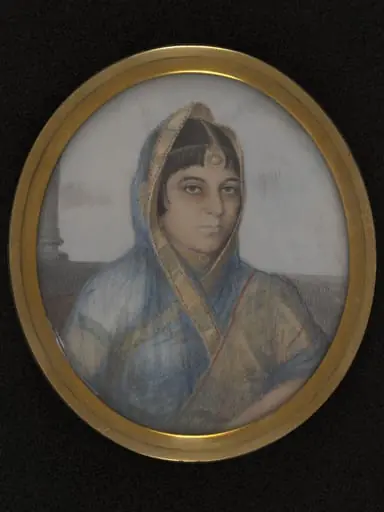
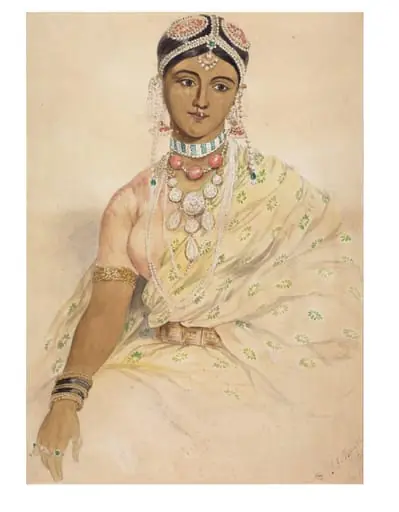
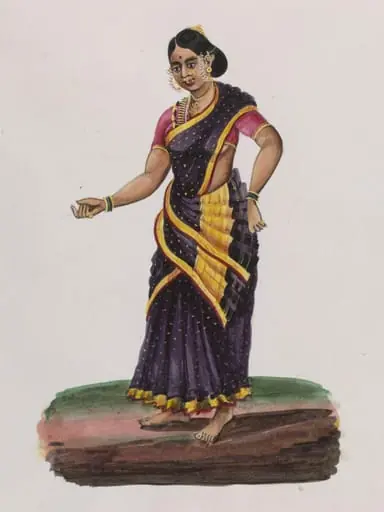
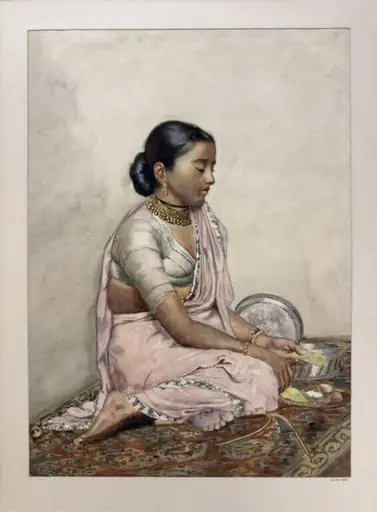
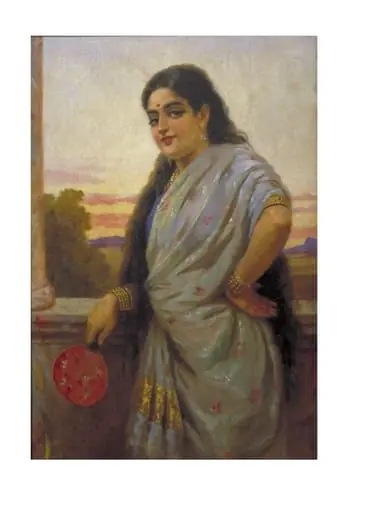
You see a woman in a gray sari and veil, her face turned slightly to the side. The colors look soft, like someone painted over a black-and-white photo.
This was a luxury item in early 1900s India. Families paid extra to have photos hand-tinted, making them feel more like painted portraits. It’s a mix of old tradition and new technology.
If you like this, look up more under the subject: *india, 20th century*.
Overview
This hand-tinted photograph captures a woman in a gray sari and veil, rendered in soft, muted tones that suggest a bridge between photographic realism and painted aesthetics. Produced in early 20th-century India, it reflects a practice where black-and-white images were delicately colored by hand, transforming mass-produced photographs into personalized, elevated objects. The technique required skilled labor and carried a premium, aligning the image with the prestige of traditional portraiture.
Subject & Meaning
The subject is a woman depicted with quiet dignity, her face turned slightly away, partially veiled. Her attire and posture suggest cultural norms of modesty and refinement. The choice to tint the photograph rather than leave it in monochrome implies a desire to honor her presence with warmth and individuality, blending personal identity with the visual language of domestic and social propriety prevalent at the time.
Technique & Style
The image was created by applying watercolor or oil-based pigments by hand over a gelatin silver print. Colors are applied subtly, avoiding bold contrasts, to mimic natural skin tones and fabric textures. The result softens the photograph’s mechanical precision, lending it a painterly quality that echoes the aesthetics of Indian miniature and colonial-era portraiture, while retaining the detail of photographic documentation.
History & Provenance
Hand-tinting photographs became commercially viable in India during the late 19th century, as studios in major cities catered to middle- and upper-class families seeking to elevate personal imagery. This practice persisted into the early 20th century, particularly in regions with strong traditions of figurative art. The photograph likely originated from a studio in urban India, where demand for personalized, luxurious portraits outpaced the availability of color photography.
Context
In early 1900s India, photography was both a novelty and a tool of social assertion. Hand-tinting allowed families to reconcile emerging Western technologies with indigenous artistic values, where color carried symbolic and emotional weight. The practice mirrored broader cultural negotiations—embracing modernity while preserving aesthetic continuity with centuries-old painting traditions.
Legacy
This photograph stands as a quiet testament to the adaptability of visual culture during a period of rapid technological change. It influenced later generations of Indian photographers and artists who sought to merge documentary realism with expressive color. Today, such works are valued not only for their craftsmanship but as artifacts of everyday life in a society navigating modernization without abandoning its visual heritage.
Artist & collection

 Domestic Scene
 Giacomo and Cardinal Marco, investing Andrea, Abbot of San Zeno, with his Benefice
 The Nymph of Fontainebleau
 Portrait of a Woman
 Madonna and Child with Saints in the Enclosed Garden
 Venus and Minerva
 Family Group of Four on Sofa
 Wall painting from Room H of the Villa of P. Fannius Synistor at Boscoreale