Artwork
Ceylonese Woman
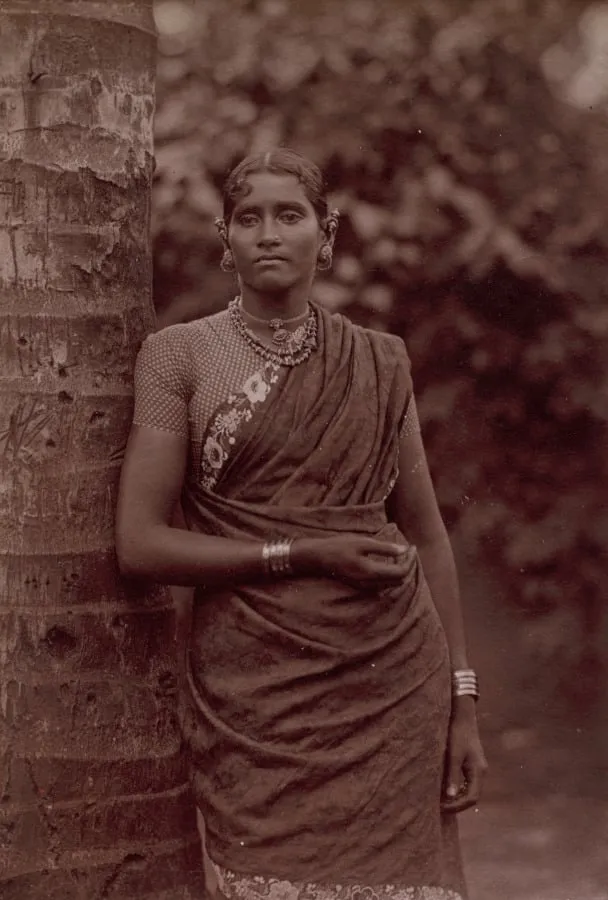
Ceylonese Woman is a photography by the Impressionist artist Scowen & Co.. It dates from 1884 and is held in the collection of the Cleveland Museum of Art.
About this work
British photographers in Ceylon took portraits like this to sell to tourists and governments as souvenirs or records.
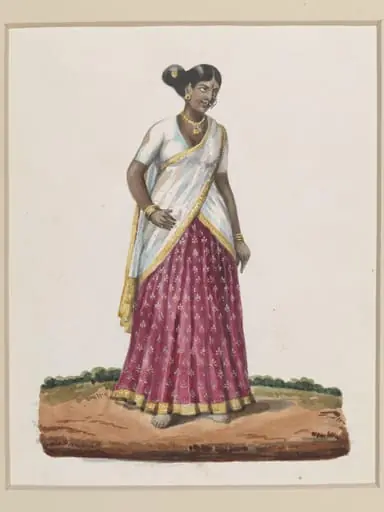
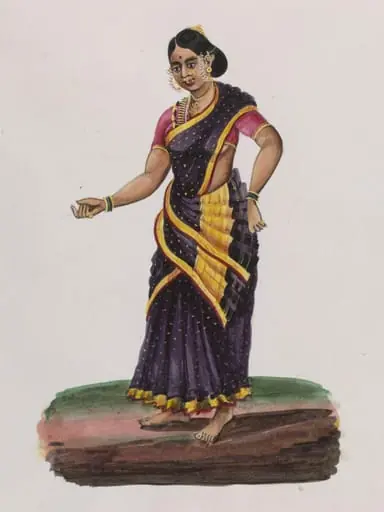
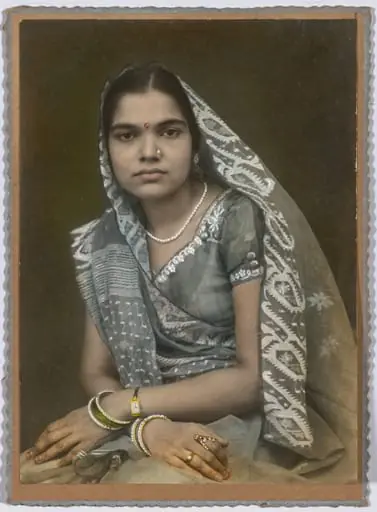
A woman in a dark sari looks straight at you, her hands folded in her lap. The background is plain, so nothing distracts from her face and the gold jewelry at her neck.
This photo wasn’t made for her. British photographers in Ceylon took portraits like this to sell to tourists and governments as souvenirs or records. The woman’s expression—calm, direct—hints she knew exactly how the image would be used.
If you want to see more photos from this time, look up the subject *india, 19th century*.
Overview
The photograph presents a Ceylonese woman seated in a dark sari, her hands folded neatly in her lap. She gazes directly at the viewer, her face framed against an unadorned backdrop that emphasizes her gold necklace and composed expression.
Subject & Meaning
The sitter’s steady, unflinching stare suggests an awareness of the camera’s purpose, reflecting the role she played as a visual representative of colonial Ceylon for external audiences.
Technique & Style
The image employs a plain background to isolate the figure, a common compositional choice among British colonial photographers seeking clear, documentary-like portraits. The lighting highlights the texture of the sari and the sheen of the jewelry.
History & Provenance
Taken by a British photographer in Ceylon during the colonial era, the photograph was produced for sale to tourists and governmental agencies, serving as a visual record and souvenir of the island’s inhabitants.
Context
Such portraits were part of a broader practice in which European photographers documented colonized peoples, providing material for travel literature, administrative reports, and the imagination of distant viewers.
Artist & collection