Artwork
Vas de formă tronconică, adâncit; pe fund are găuri pentru agățare. În centru este decorată cu motive florale: vază cu flori; pe margine sunt trei cercuri concentrice; motive geometrice: linie, romb, triunghi. Pe fund are o marcă indescifrabilă. Cromatică: fond: alb; motive: vișiniu; verde.
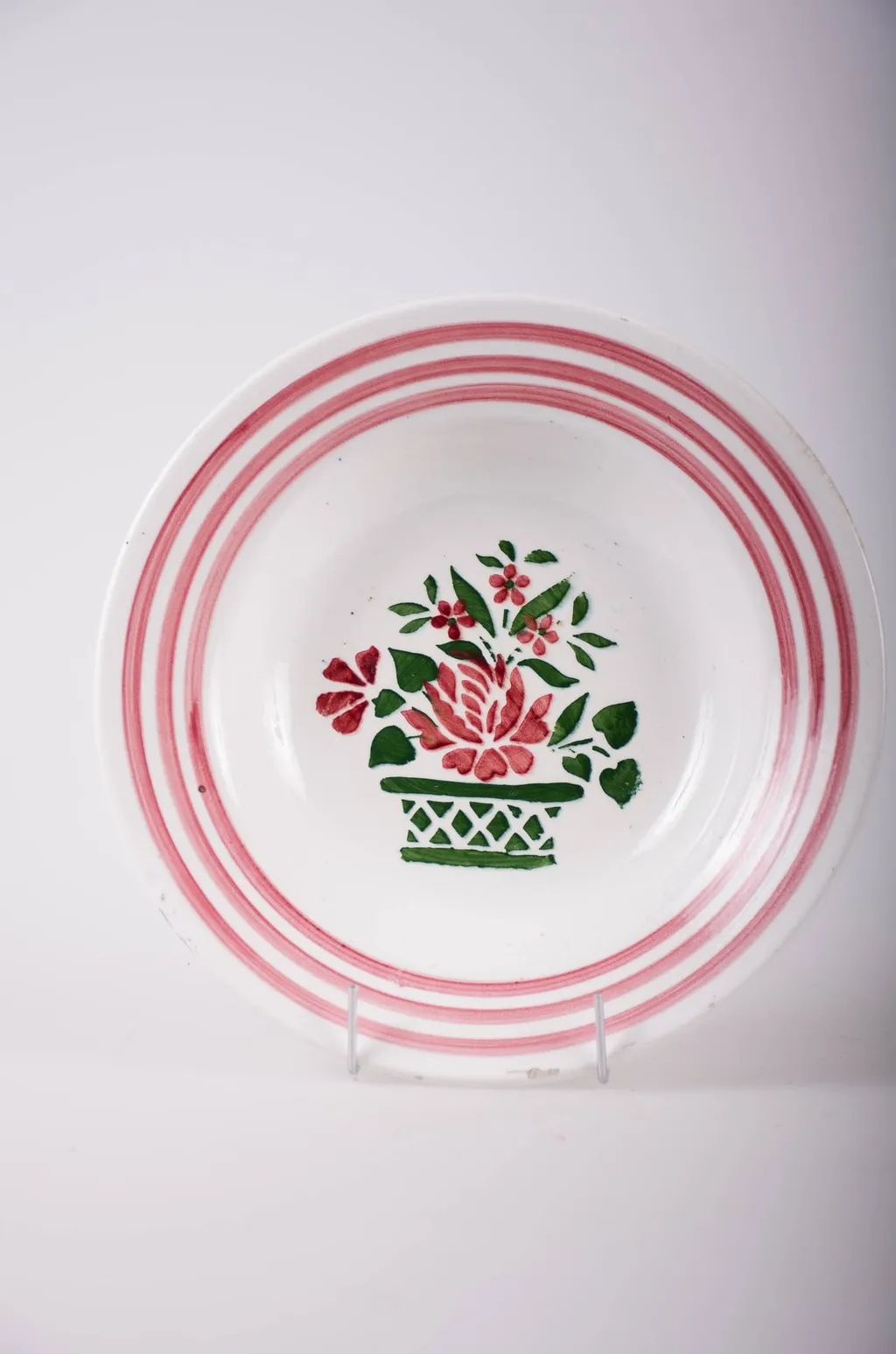
Vas de formă tronconică, adâncit; pe fund are găuri pentru agățare. În centru este decorată cu motive florale: vază cu flori; pe margine sunt trei cercuri concentrice; motive geometrice: linie, romb, triunghi. Pe fund are o marcă indescifrabilă. Cromatică: fond: alb; motive: vișiniu; verde. is a print by Unknown. It dates from 1850 and is held in the collection of the ASTRA National Museum Complex. This ceramic vessel features a truncated conical form with perforations on its base, likely for suspension.
About this work
Overview
This ceramic vessel features a truncated conical form with perforations on its base, likely for suspension. Its surface is minimally adorned with a white ground and painted decorations in deep red and green. The design is restrained, emphasizing geometric and floral elements arranged with symmetry, suggesting functional utility paired with aesthetic care.
Subject & Meaning
Surrounding it are three concentric rings and abstract shapes—lines, rhombs, and triangles—suggesting order and repetition.
At the center, a stylized vase holds flowers and leaves, rendered in simplified outlines. Surrounding it are three concentric rings and abstract shapes—lines, rhombs, and triangles—suggesting order and repetition. The floral motif may reference natural cycles or domestic decoration, while the geometric borders could serve symbolic or structural purposes, common in utilitarian ceramics of the period.
Technique & Style
The decoration was applied with brushwork using limited pigments: red and green on a white slip. Forms are outlined with precision, lacking shading or texture, resulting in a flat, graphic quality. The consistent spacing of motifs and clean lines indicate a deliberate, possibly standardized method of production, typical of handcrafted wares made in workshop settings.
History & Provenance
The base bears an indecipherable mark, possibly a maker’s symbol or workshop identifier, though its origin remains unverified. No documented provenance or archaeological context is provided. Its form and decoration align with regional ceramic traditions from the Balkans or Eastern Europe, likely dating to the late 19th or early 20th century, though exact attribution is uncertain.
Context
This piece reflects a broader tradition of folk ceramics where utility and ornamentation coexist. Similar vessels were used in domestic settings for storage or display. The use of red and green, a common color pairing in regional crafts, may derive from available pigments or cultural preferences for contrast. Its geometric patterns echo motifs found in textile and woodwork from the same areas.
Legacy
Though not attributed to a known artist or school, the vessel contributes to the study of vernacular ceramic practices. Its preservation offers insight into everyday aesthetics and craftsmanship in rural or small-scale production. It stands as an example of how functional objects carried cultural patterns through repetition, color, and form, rather than through individual expression.
Artist & collection

 Domestic Scene
 Giacomo and Cardinal Marco, investing Andrea, Abbot of San Zeno, with his Benefice
 The Nymph of Fontainebleau
 Portrait of a Woman
 Madonna and Child with Saints in the Enclosed Garden
 Venus and Minerva
 Family Group of Four on Sofa
 Wall painting from Room H of the Villa of P. Fannius Synistor at Boscoreale
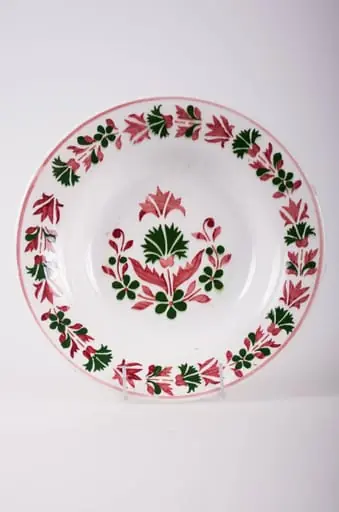 Farfurie de formă tronconică, adâncită; pe fund are găuri pentru agățare, Este decorată cu motive florale și geometrice; pe margine este decorat cu flori încadrate la exterior de o linie; în centru are mai multe flori. Pe fund are o marcă indescifrabilă. Cromatică: fond: alb; motive: vișiniu; verde.
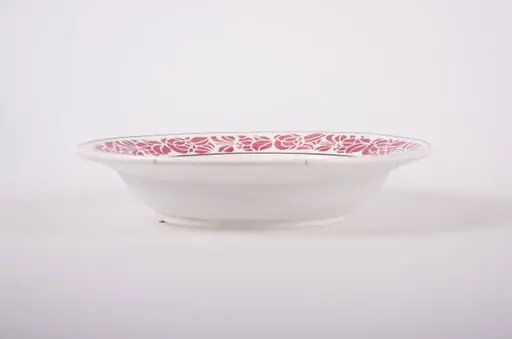 Blid de formă tronconică, adâncit; pe fund are găuri pentru agățare. Pe toată marginea este decorat cu motive florale încadrate de două cercuri concentrice; în centru este decorat cu flori. Pe fund are trei cercuri concentrice. Cromatică: fond: alb; motive: vișiniu: verde: negru.
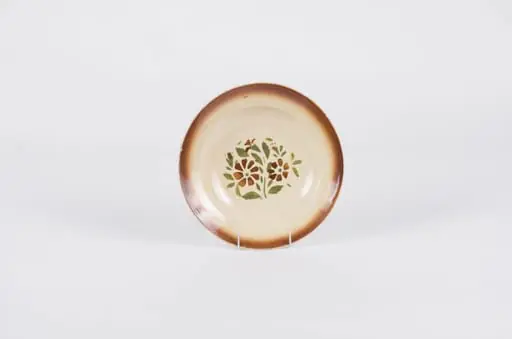 Vasul de formă tronconică este realizat din caolin. Pe fundul farfuriei se identifică motive florale dispuse sub forma unui buchet. Pe buza piesei este pictat un cerc de culoare maro. Cromatică: fond alb; motive: maro; verde.
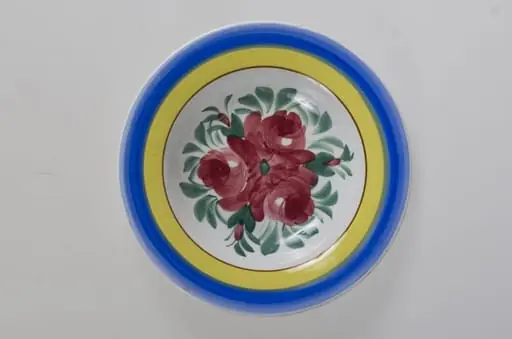 Farfurie de formă tronconică, adâncită; motive florale în centru (trandafiri); pe margine este decorat cu trei cercuri concentrice. Pe fund este o ștanță: o casă cu o pasăre pe acoperiș cu inscripție deasupra: ”MAGYAR” și dedesubt: ”1971” și un cuvânt indescifrabil. Pe fundul vasului sunt două incizii în care este introdus un șnur folosit la agățarea vasului pe perete. Vasul este smălțuit interior-exterior. Decor obținut prin pictare. Cromatică: fond: alb, motive: roșu; verde; albastru; galben.
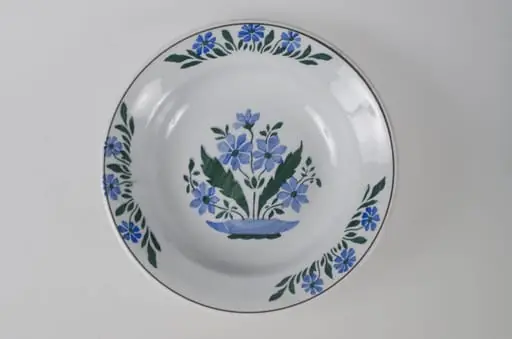 Vasul are formă tronconică, adâncită și este decorat cu motive florale dispuse în trei registre a câte trei flori pe margine, încadrate de o linie; în centru este decorat cu flori și frunze. Pe fund are trei cercuri concentrice care profilează trei registre. Vas evazat în partea superioară. Smălțuit interior-exterior. Cromatică: fond: alb; motive: verde; albastru; negru.
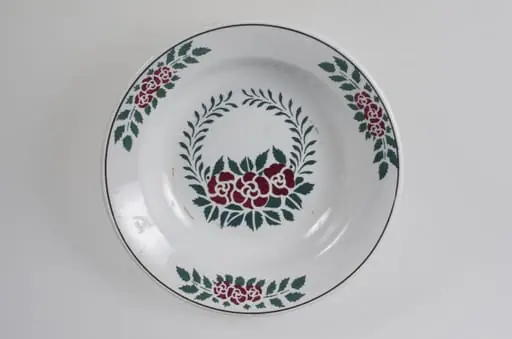 Vasul are formă tronconică, adâncită. Este decorat cu motive florale, vegetale și geometrice; are trei flori pe margine ce sunt delimitate de o linie; în centru este decorat cu un buchet format din trei trandafiri; pe fund are trei cercuri concentrice. Vasul este smălțuit interior-exterior. Cromatică: fond alb; motive: verde; roșu.
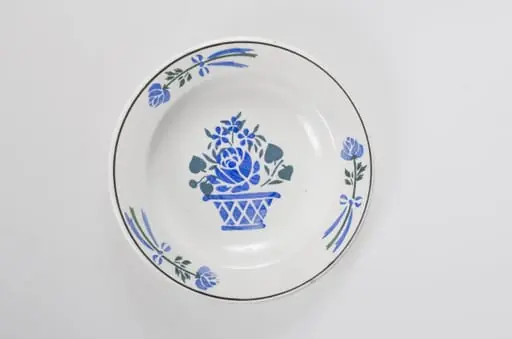 Vas tronconic și adânc realizat din porțelan. Pe fondul alb, central se află un coș albastru (realizat din motive geometrice: romuri și triunghiuri încadrate de două linii) cu un trandafir și trei floricele: pe marginimea farfuriei se observă trei secvențe cu trandafiri legate cu o fontiță. Marginea vasului este decorată cu un cerc. Cromatică: alb; motive: albastru; verde; negru.
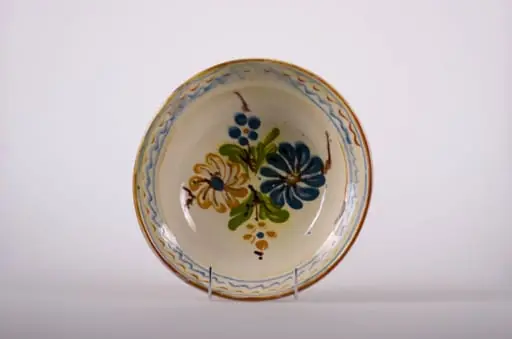 Blid de formă tronconică, adâncit; pe fund are găuri pentru agățare. Este smălțuit în interior și exterior (buza); este decorat cu motive geometrice: linie, linie ondulată; motive fitomorfe: frunze; motive florale. Cromatică: fond: alb; motive: albastru; maro; verde.
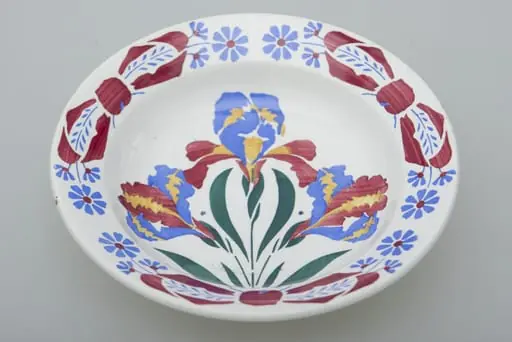 Farfurie de formă tronconică, ușor adâncită. Există două registre ornamentale, unul plasat de jur împrejurul buzei cu motive florale. Al doilea registru plasat în centru tot cu motive florale. Smălțuită. Cromatică: fond: alb; motive: albastru; verde; roșu; galben.
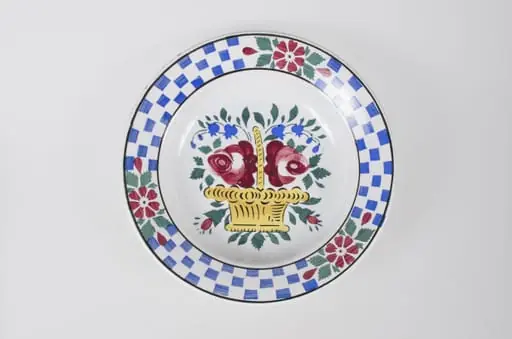 Vas de formă tronconică, adâncă. Pe fundul farfuriei se află un ornament format din: un coș de flori (trandafiri și clopoței). Pe marginea farfuriei între două cercuri concentrice apar trei flori despărțite de trei registre în formă de tablă de șah realizate din dreptunghiuri albastre. Cromatică: fond: alb; motive: galben; roșu; verde; albastru; negru.
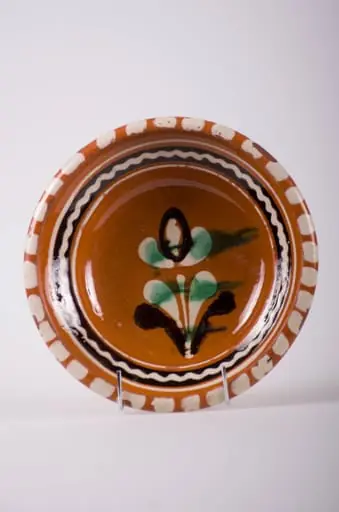 Vas de formă tronconică, adâncită. Pe fund are gaură pentru agățare; este smălțuit interior și exterior (doar buza); este decorat cu motive geometrice: linie, linie în val; în interior este decorat cu motive florale. Cromatică: fond: cărămiziu; motive: cărămiziu; maro; negru; verde.
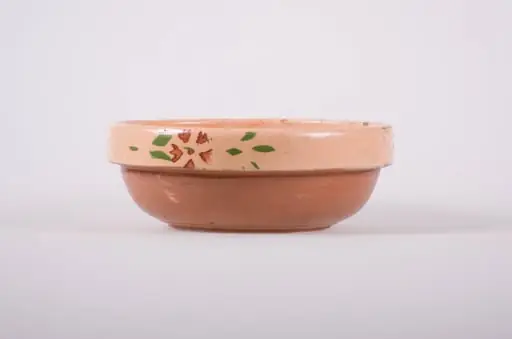 Vas de formă tronconică, adâncit, cu buza foarte înaltă; pe fund are găuri pentru agățare. Este smălțuit interior și exterior. Decorat cu motive geometrice: linie; motive florale. Cromatică: fond; crem; motive: maron; verde.