Artwork
Charlotte Troili (née Geijer). The Artist’s Wife. Unfinished
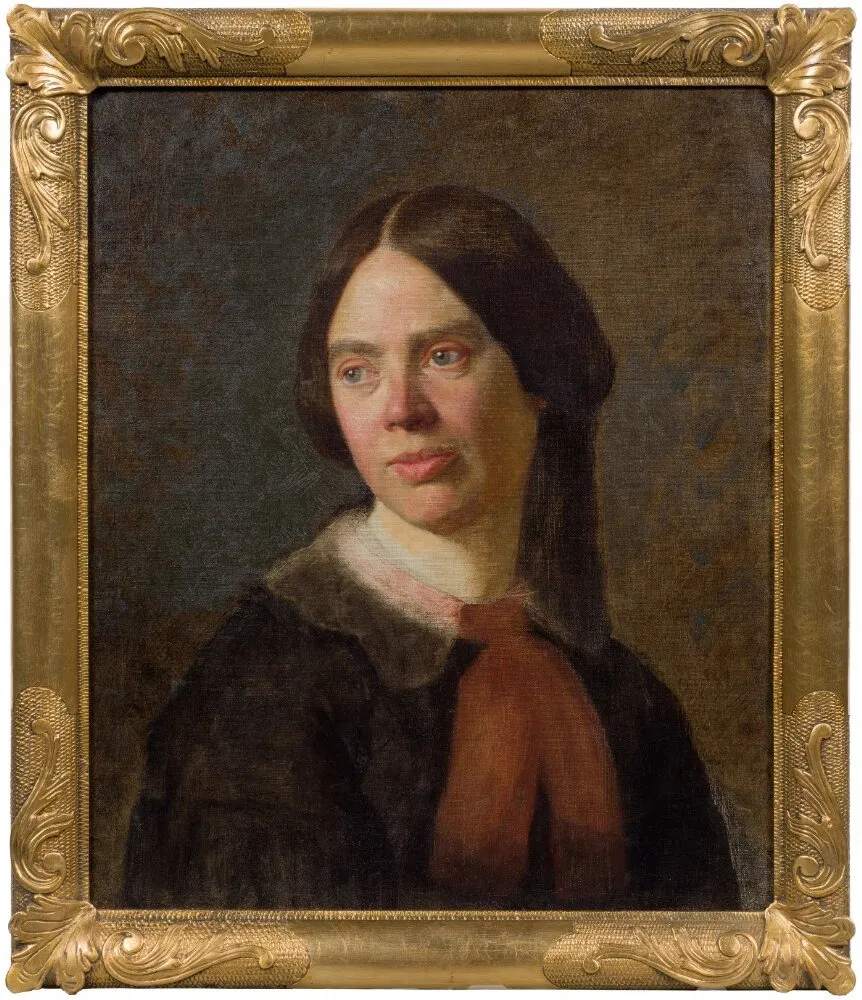
Charlotte Troili (née Geijer). The Artist’s Wife. Unfinished is an oil painting by Uno Troili. It dates from 1855 and is held in the collection of the Nationalmuseum.
About this work
Overview
It is part of the Nationalmuseum’s collection in Stockholm, where it is valued for its candid portrayal and insight into the artist’s working process.
Painted around 1855 by Uno Troili, this oil portrait depicts his wife, Charlotte Troili, née Geijer. The work remains incomplete, with areas of raw canvas and loosely applied pigment visible. Despite its unfinished state, the composition conveys a focused intimacy. It is part of the Nationalmuseum’s collection in Stockholm, where it is valued for its candid portrayal and insight into the artist’s working process.
Subject & Meaning
Charlotte Troili is portrayed with quiet composure, her gaze meeting the viewer directly. Dressed in a dark gown with a high collar and a red scarf, her attire suggests modesty and refinement. The absence of decorative elements or symbolic objects shifts focus entirely to her presence. The painting conveys a sense of stillness and inner life, reflecting a personal rather than ceremonial intent, typical of domestic portraiture in mid-19th-century Sweden.
Technique & Style
Troili employs a restrained realism in rendering Charlotte’s face, with careful attention to the contours of her features and the texture of her hair. The background is left largely undefined, enhancing the figure’s prominence. Areas of the dress and hair show visible brushwork and impasto, revealing the artist’s process. The unfinished nature of the work exposes layers of underpainting, offering a rare glimpse into his method of building form gradually.
History & Provenance
The painting remained in the Troili family after the artist’s death in 1860 and was later acquired by the Nationalmuseum. Its incomplete state suggests it was not intended for public exhibition, possibly serving as a study or private keepsake. The museum’s acquisition in the late 19th century preserved it as an example of domestic portraiture and an unpolished record of the artist’s technique.
Context
In mid-19th-century Sweden, portraiture often served to document social standing or familial ties. Uno Troili, trained in Stockholm and influenced by European academic traditions, frequently painted intimate subjects. This work aligns with a growing interest in personal, unidealized depictions, contrasting with formal commissioned portraits. Its unfinished state reflects a shift toward valuing artistic process as much as final presentation.
Legacy
Though never completed for public display, the portrait has become a significant example of Troili’s sensitivity to light and form. It is studied for its technical transparency and emotional restraint. The work contributes to broader discussions about the role of unfinished art in 19th-century Scandinavian painting, illustrating how absence and suggestion can convey presence with equal power.
Artist & collection

 Portrait of Leokadia Krupska, sister of Bonifacy
 Elise Ljungman, m. Paint Manufacturer and the Director of an Orphanage Signeul in Uddevalla
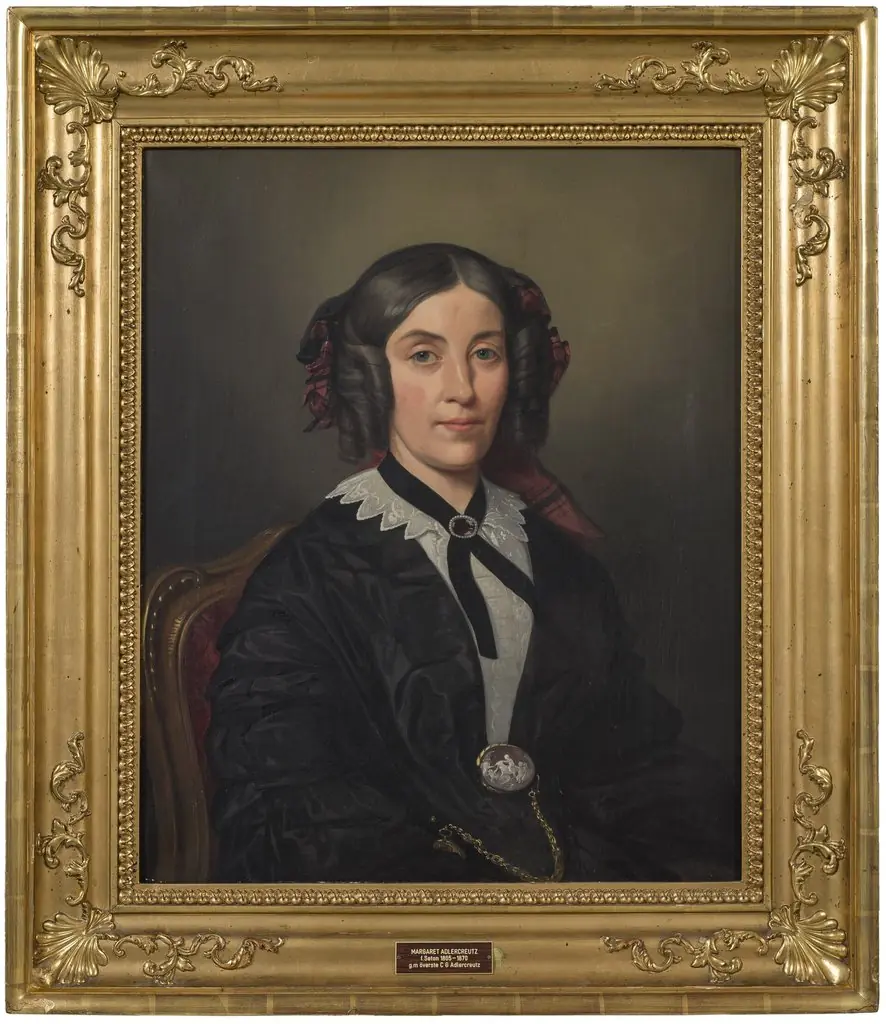 Margaret Seton (1805-1870), född i Skottland, verksam i Sverige, g.m. friherre överste Carl Gustaf Adlercreutz, sondotter till Alexander Baron Seton
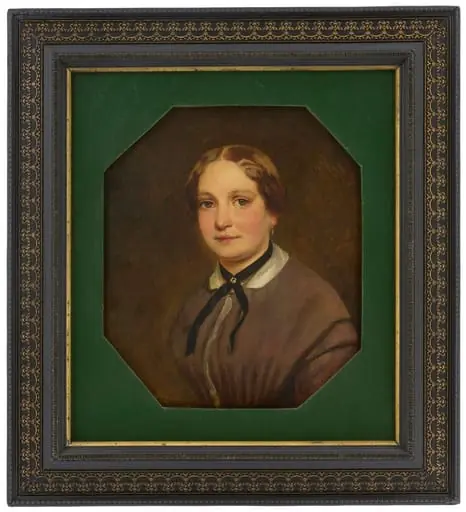 Bildnis der Emilie Feuerbach
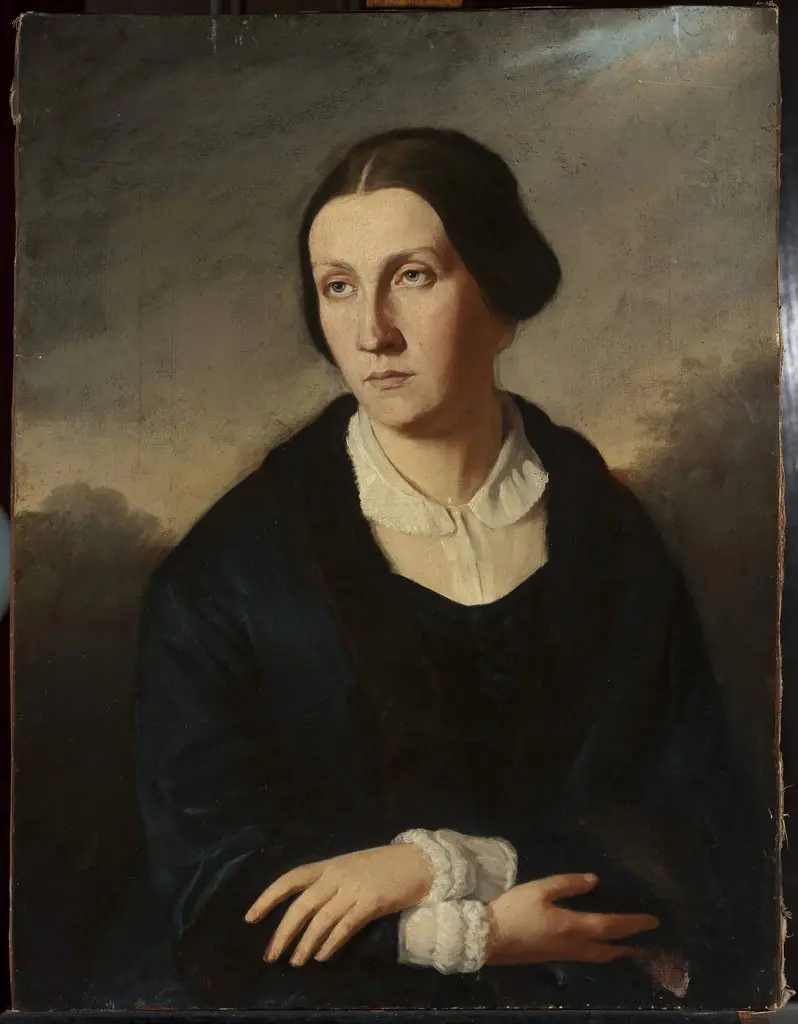 Portrait of Maria Januszkiewicz née Bułharyn (1824–1880)
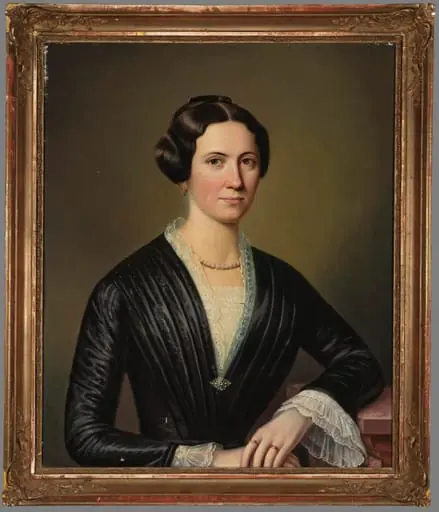 Anna Helena Lovisa Jägerhorn
 Mrs. Israel Thorndike (Sarah Dana)
 Portrait of a Lady
 Self-portrait
 Portrait of Harriet Clark Ferrell
 Portert de femeie cu brațele încrucișate
 Thomasine Ludvigne Vermehren, f. Grüner, kunstnerens hustru