Artwork
Anna Helena Lovisa Jägerhorn
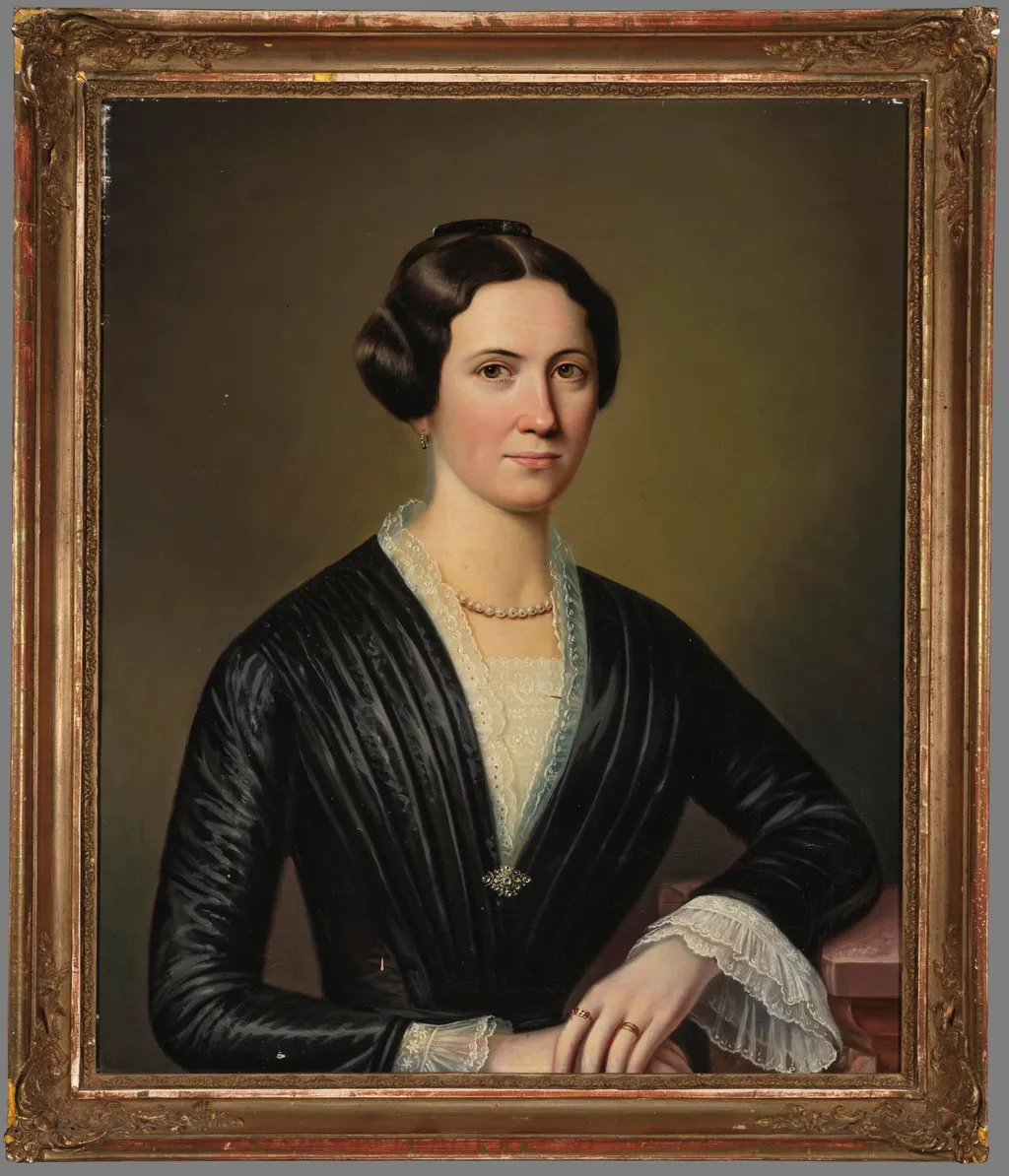
Anna Helena Lovisa Jägerhorn is a drawing by Johan Erik Lindh. It is held in the collection of the Helsinki City Museum.
About this work
Overview
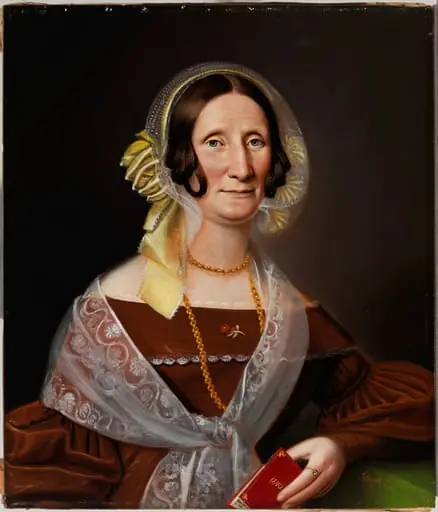
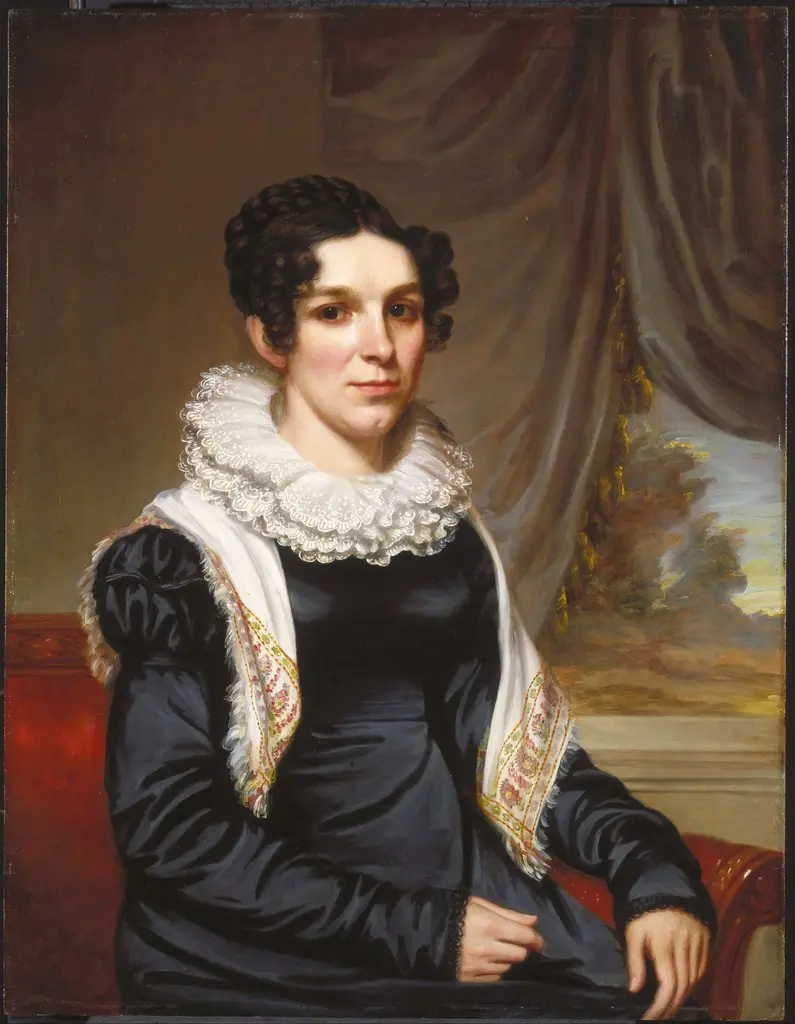
This portrait depicts Anna Helena Lovisa Jägerhorn, rendered in oil on canvas by Swedish artist Johan Erik Lindh. The composition is restrained, with no decorative elements to distract from the sitter. Her posture is upright yet relaxed, and the dark background isolates her figure, emphasizing presence over circumstance.
Subject & Meaning
Anna Helena Lovisa Jägerhorn is portrayed with quiet dignity, her attire suggesting modest wealth rather than aristocratic display. The simplicity of her pearl necklace and lace detailing reflects a taste for understated elegance. The direct gaze and composed expression convey self-possession, typical of bourgeois portraiture in early 19th-century Sweden.
Technique & Style
Lindh employed delicate brushwork to capture the softness of velvet and the translucence of lace. Light falls gently across her face and hands, modeling form without harsh contrast. The palette is muted—deep browns, grays, and off-whites—enhancing the intimacy of the scene and the texture of her garments.
History & Provenance
The portrait was likely commissioned by Jägerhorn’s family or social circle, common for women of her standing in early 1800s Sweden. It remained in private hands until entering a public collection, though specific ownership records before the 20th century are limited. Lindh’s other portraits from this period share similar tonal and compositional qualities.
Context
During the early 1800s, Swedish portraiture shifted from formal court styles toward more personal, intimate depictions. Artists like Lindh catered to the rising middle class, capturing individuals with psychological nuance rather than symbolic grandeur. This work reflects that transition, valuing quiet realism over theatrical display.
Legacy
Johan Erik Lindh’s portraits, including this one, are recognized for their sensitivity and technical restraint. Though not widely exhibited today, they contribute to the understanding of Swedish bourgeois identity in the post-Napoleonic era. Jägerhorn’s portrait endures as a quiet example of domestic dignity in a time of social change.
Artist & collection
Artist
Johan Erik Lindh filled small sheets with soft pencil portraits of Finnish families in the early 1800s.

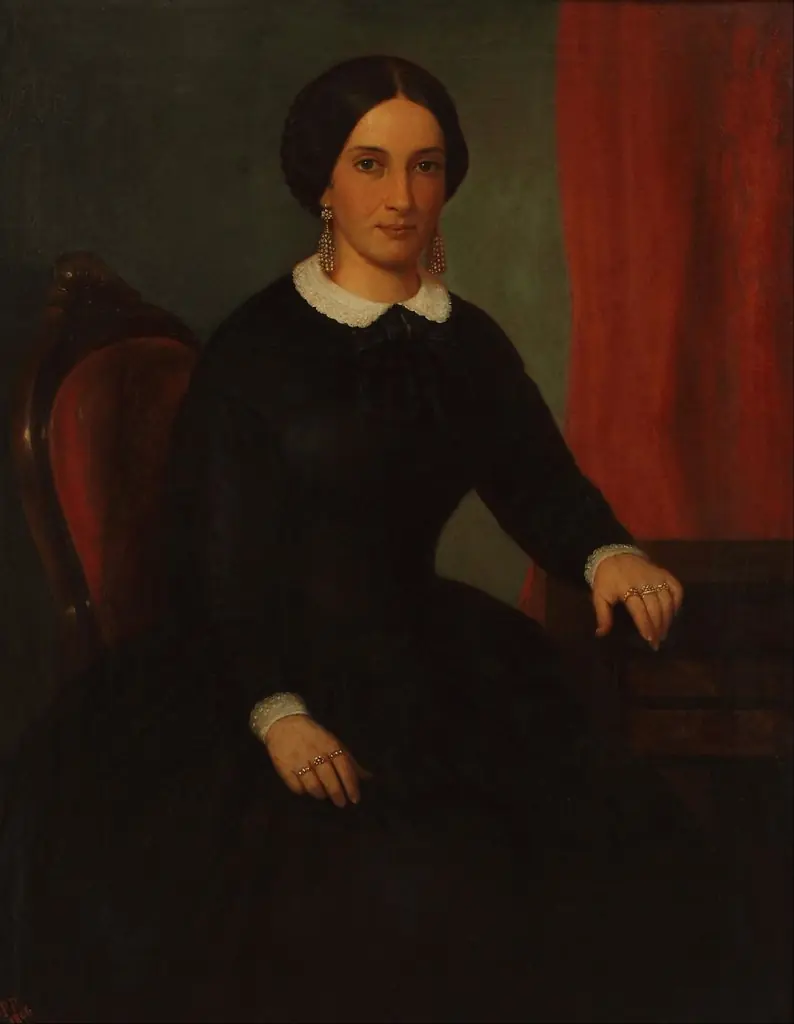 Trinidad Saravia de Huergo
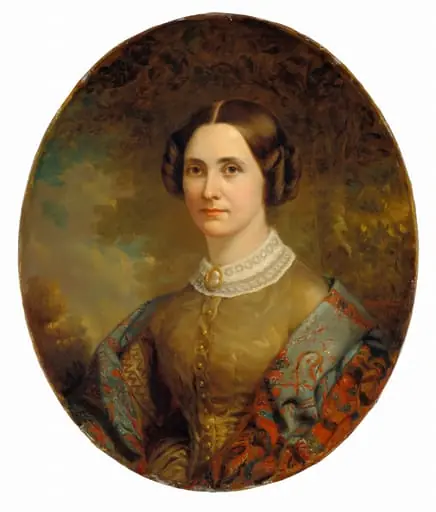 Portrait of a Lady
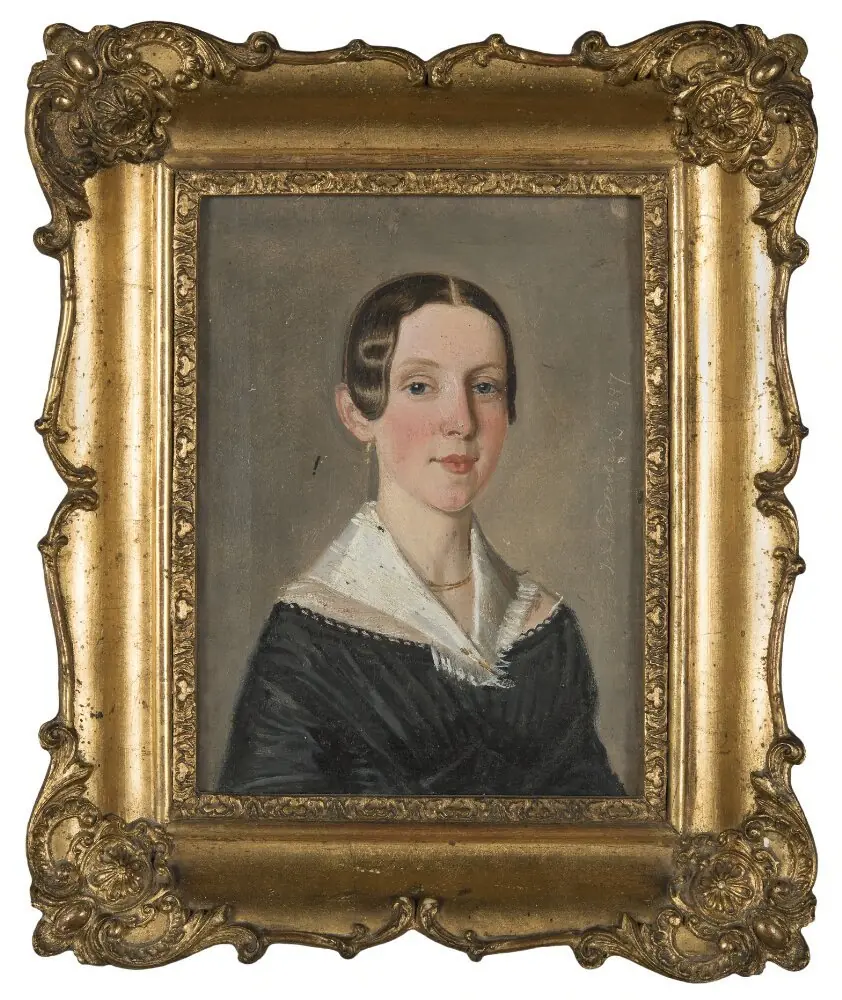 Elise Ljungman, m. Paint Manufacturer and the Director of an Orphanage Signeul in Uddevalla
 Self-portrait
 Ksenia Cavos
 Retrato de la Señora Adela Eastman de Barros
 Elizabeth Price Thomas
 Portrait of Apolonia Anaszkowska
 Portrait of a lady
 Selbstbildnis
 Portrait of Princess Tenisheva
 Maria Clarissa Leavitt