Artwork
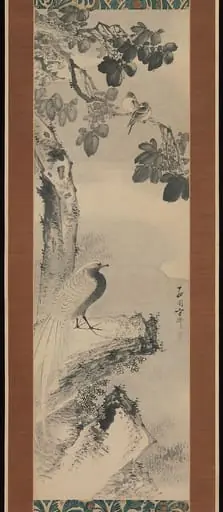
Copper Pheasant by Snowy Waterfall
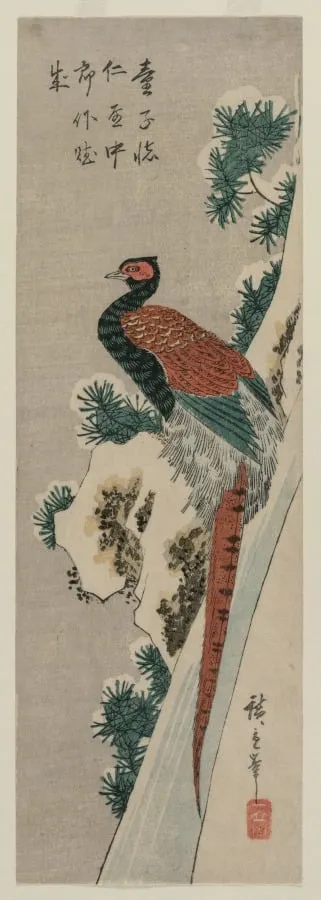
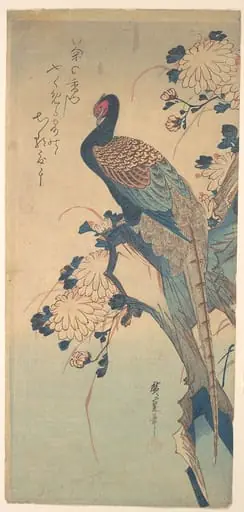
Copper Pheasant by Snowy Waterfall is a print by the Romanticist artist Utagawa Hiroshige. It dates from 1840 and is held in the collection of the Cleveland Museum of Art.
About this work
Overview
It reflects Hiroshige’s deepening interest in seasonal change and quiet observation, aligning with broader trends in Edo-period nature studies.
Created around 1840 by Utagawa Hiroshige, this woodblock print is part of a late phase in his career focused on nature rather than urban life. Unlike the bustling scenes common in ukiyo-e, this work centers on a solitary copper pheasant amid a quiet winter landscape. It reflects Hiroshige’s deepening interest in seasonal change and quiet observation, aligning with broader trends in Edo-period nature studies.
Subject & Meaning
The copper pheasant, perched on a moss-covered rock, is rendered with precise attention to its plumage—black head and neck, reddish-brown body, and elongated tail feathers. Surrounded by pine boughs dusted with snow, the bird gazes left, suggesting alertness or stillness. The scene evokes solitude and seasonal transition, embodying a contemplative harmony between creature and environment, typical of Japanese aesthetic sensibilities.
Technique & Style
Hiroshige employed fine linework to define the bird’s feathers and the texture of the rock, using subtle gradations of gray and muted tones to suggest snow-laden air. The composition is sparse, emphasizing negative space and quiet balance. Woodblock printing allowed for delicate layering of colors and ink, enhancing the sense of chill and stillness without overt drama or movement.
History & Provenance
Hiroshige, born Andō Tokutarō in 1797, rose to prominence through landscape series like *The Fifty-three Stations of the Tōkaidō*. This print emerged during his later years, when he increasingly turned to flora and fauna as subjects. While specific ownership history is undocumented, it belongs to a body of work collected widely in Japan and later in the West, reflecting growing appreciation for Japanese printmaking.
Context
In the 1830s–40s, ukiyo-e artists began shifting from theatrical and urban themes toward naturalistic subjects, influenced by scholarly interest in botany and ornithology. Hiroshige’s focus on birds and seasonal settings mirrored this trend, aligning with the Edo period’s cultivated appreciation for nature’s subtleties, distinct from Western Romanticism despite superficial similarities.
Legacy
This print contributes to Hiroshige’s reputation as a quiet innovator within ukiyo-e, expanding its thematic range beyond popular culture. His nature-focused works influenced later Japanese artists and early Western modernists, including Impressionists drawn to his compositional economy and atmospheric effects. The piece remains a quiet testament to the expressive potential of everyday natural moments.
Artist & collection
Artist
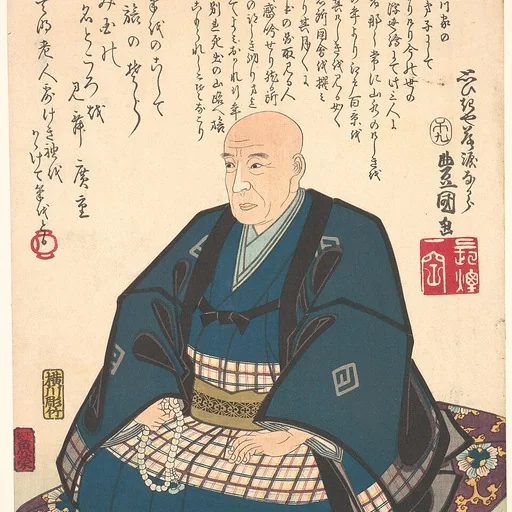
Utagawa Hiroshige (歌川 広重) or Andō Hiroshige (安藤 広重), born Andō Tokutarō (安藤 徳太郎; 1797 – 12 October 1858), was a Japanese ukiyo-e artist, considered the last great master of that tradition.