Artwork
Gathering Shells at Low Tide at Susaki; from the series 100 Views of Famous Places in Edo
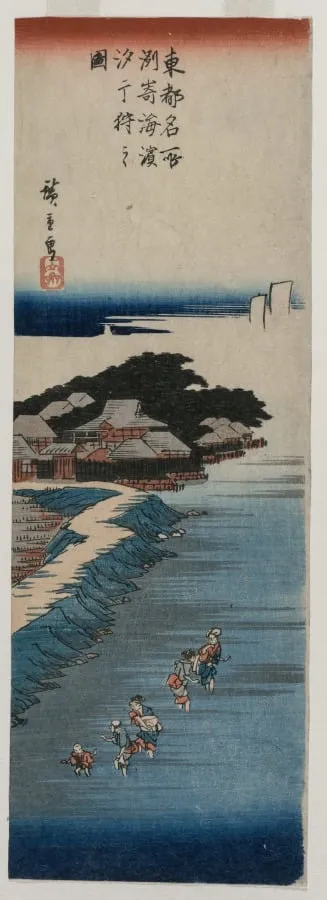
Gathering Shells at Low Tide at Susaki; from the series 100 Views of Famous Places in Edo is a print by the Romanticist artist Utagawa Hiroshige. It dates from 1838 and is held in the collection of the Cleveland Museum of Art.
About this work
Overview
Created in 1838 by Utagawa Hiroshige, this woodblock print is one of 100 scenes in the series *100 Views of Famous Places in Edo*.
Created in 1838 by Utagawa Hiroshige, this woodblock print is one of 100 scenes in the series *100 Views of Famous Places in Edo*. Unlike many ukiyo-e works centered on theater or pleasure quarters, Hiroshige turned his focus to quiet, everyday moments in the natural and suburban landscapes surrounding Edo. This piece captures a coastal activity at Susaki, a modest shoreline area, emphasizing tranquility over spectacle.
Subject & Meaning
The scene depicts local residents, dressed plainly, foraging for shellfish along the receding tide. Their quiet labor reflects a rhythm of life tied to the sea’s cycles. Behind them, modest homes with thatched roofs and a wooded hill suggest a community integrated with its environment. The absence of grandeur or drama underscores a contemplative view of ordinary existence, valued in Edo-period aesthetics.
Technique & Style
Hiroshige employed the traditional woodblock printing method, using bold outlines and areas of flat, unmodulated color to define forms. The composition balances horizontal bands of shore, dwellings, and hill with a soft, pale sky, creating a sense of calm depth. Subtle gradations in the water and sky suggest atmospheric conditions without relying on Western-style perspective or shading.
History & Provenance
The print was produced during Hiroshige’s most prolific period, when he was refining his landscape series for a growing urban audience. Published by the Edo-based firm Hoeido, the series was widely distributed as affordable art for the middle class. Surviving impressions are held in major collections, including the Museum of Fine Arts, Boston, and the British Museum, reflecting its enduring presence in global print collections.
Context
Edo’s population boom in the early 19th century fueled demand for images of nearby natural sites, offering city dwellers a visual escape. Susaki, though not a major landmark, was a known coastal spot accessible by foot or boat. Hiroshige’s choice to depict such a humble locale aligned with a broader cultural interest in *fūkei*—the poetic observation of place—as a form of quiet reverence for the everyday.
Legacy
Hiroshige’s *100 Views of Famous Places in Edo* influenced later artists in Japan and abroad, particularly 19th-century European painters drawn to his compositional clarity and atmospheric tone. While not as celebrated as his later *Fifty-Three Stations of the Tōkaidō*, this series helped redefine ukiyo-e’s scope, shifting focus from human spectacle to the quiet dignity of landscape and labor.
Artist & collection
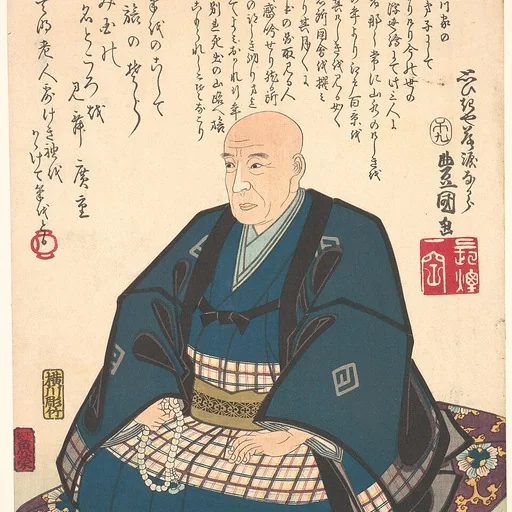
Artist
Utagawa Hiroshige (歌川 広重) or Andō Hiroshige (安藤 広重), born Andō Tokutarō (安藤 徳太郎; 1797 – 12 October 1858), was a Japanese ukiyo-e artist, considered the last great master of that tradition.

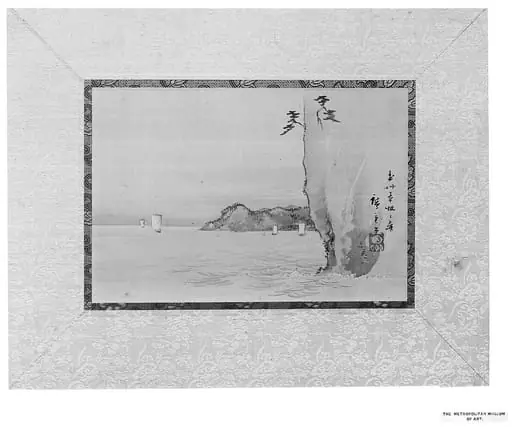
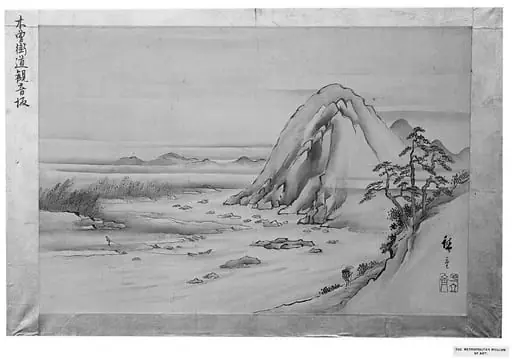
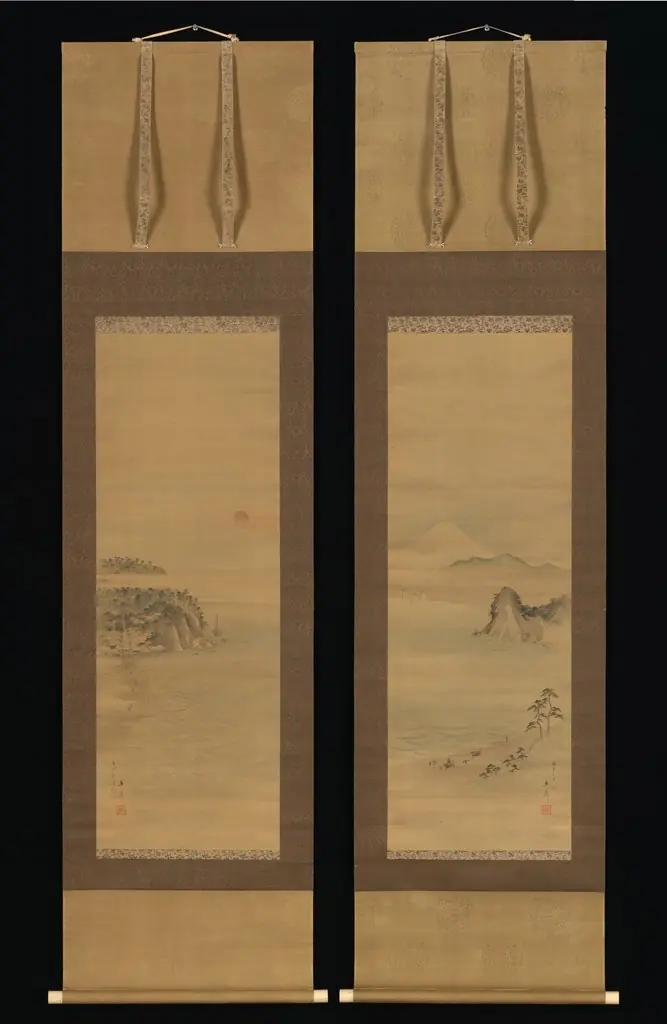
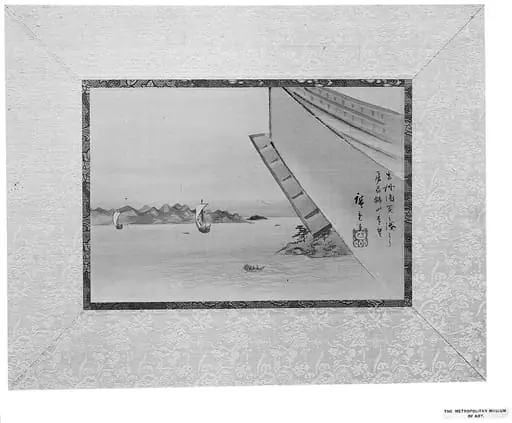
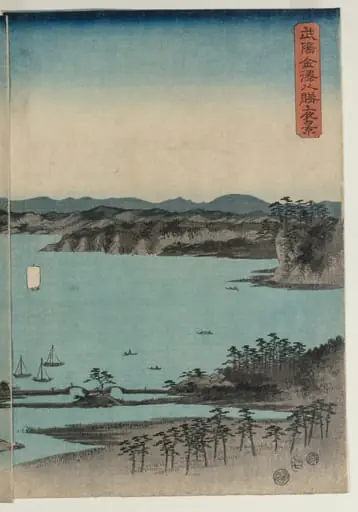 Full Moon on Kanazawa, Musashi
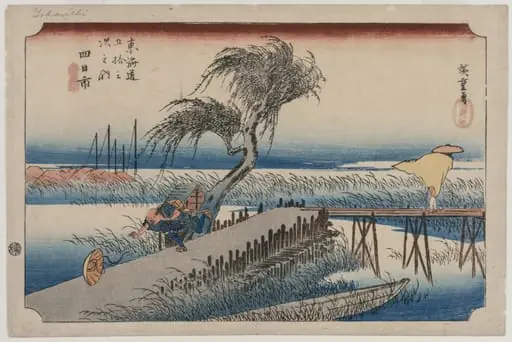 Yokkaichi: View of the Mie River, from the series The Fifty-Three Stations of the Tōkaidō
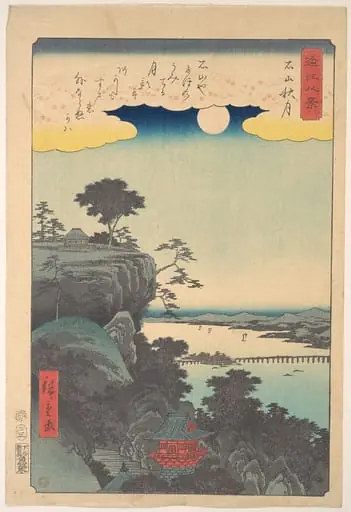 近江八景 石山秋月|The Autumn Moon on Ishiyama
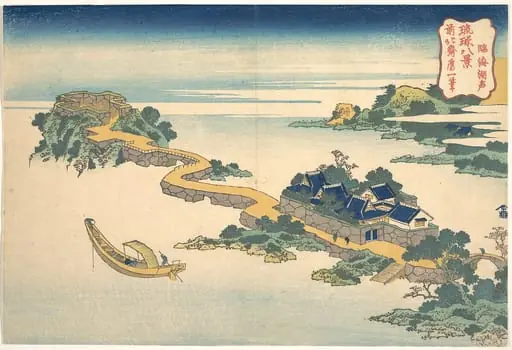 琉球八景 臨海潮(湖)聲|Sound of the Lake at Rinkai (Rinkai kosei), from the series Eight Views of the Ryūkyū Islands (Ryūkyū hakkei)
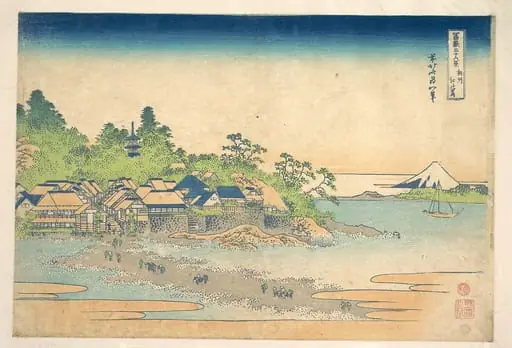 冨嶽三十六景 相州江の島|Enoshima in Sagami Province (Sōshū Enoshima), from the series Thirty-six Views of Mount Fuji (Fugaku sanjūrokkei)
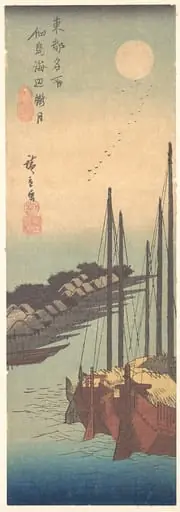 東都名所 佃島海辺朧月|Tsukudajima Kaihin Rōgetsu
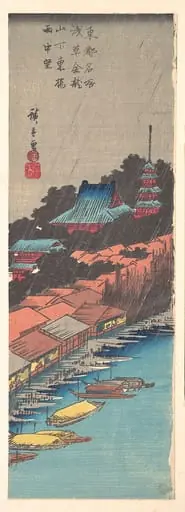 Asakusa Kinryuzan shita Azumabashi uchu nozomi|東都名所 浅草金龍山下東橋雨中望|View of the Asakusa Kinryuzan Temple from the Azuma Bridge in the Rain