Artwork
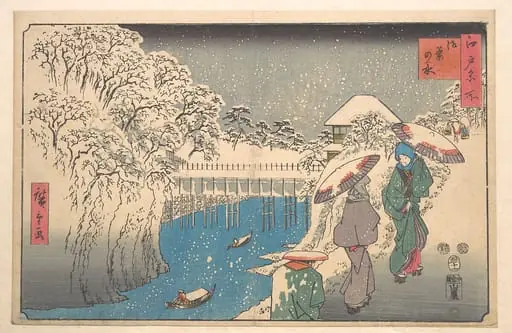
江戸名所 御茶の水|Meguro
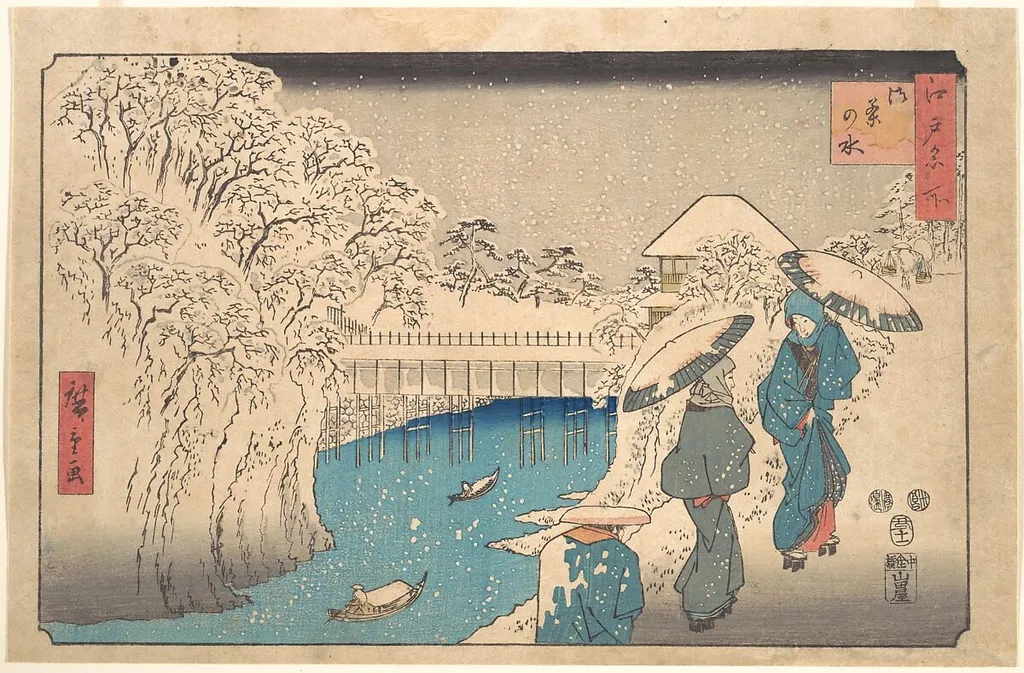
江戸名所 御茶の水|Meguro is an ink print by Utagawa Hiroshige. It is held in the collection of the Metropolitan Museum of Art.
About this work
Overview
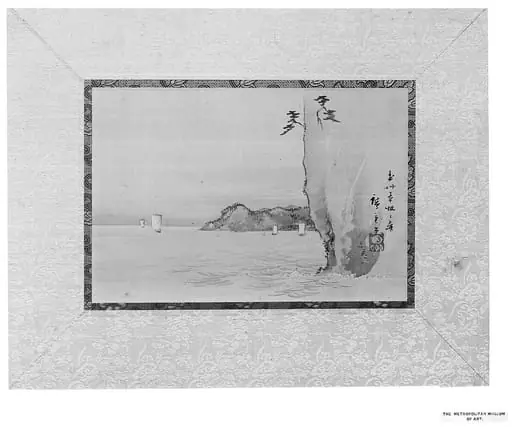
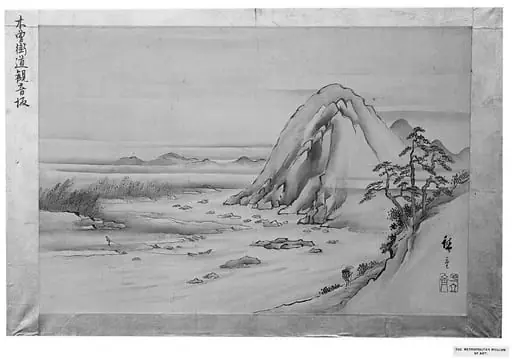
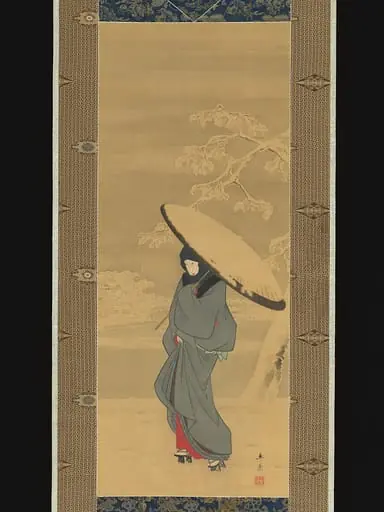
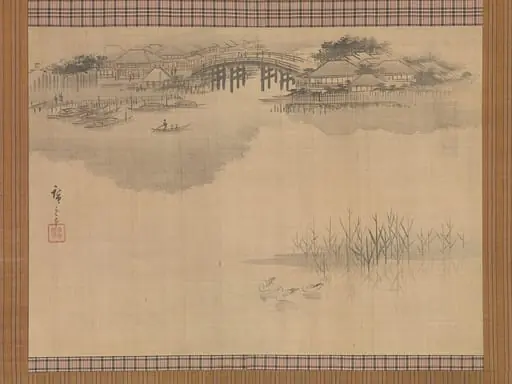
Utagawa Hiroshige’s woodblock print titled *Meguro* presents a quiet winter riverscape in Edo. Executed with ink and color on paper, the image shows a gently flowing river crossed by a bridge, flanked by snow‑laden trees and a modest dwelling, while three figures under umbrellas navigate the snowfall.
Subject & Meaning
The composition captures a moment of seasonal stillness, emphasizing the interaction between human activity and the wintry environment. The umbrellas and small boats suggest daily life continuing amid the cold, while the tranquil water and muted landscape convey a contemplative atmosphere.
Technique & Style
Hiroshige employs the ukiyo‑e woodblock method, layering ink outlines with subtle color washes to render depth. Delicate gradations of gray and blue suggest falling snow, while the composition’s diagonal bridge and foreground figures guide the eye toward the distant scenery, a hallmark of his landscape approach.
History & Provenance
Created in 1913, the print belongs to Hiroshige’s later period when he expanded beyond the genre’s conventional subjects to focus on atmospheric views of Edo. It reflects his continued interest in documenting the city’s varied locales through the medium of print.
Context
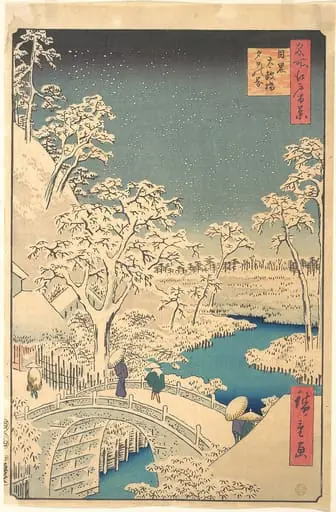
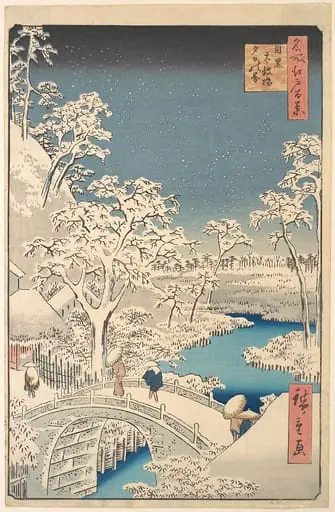
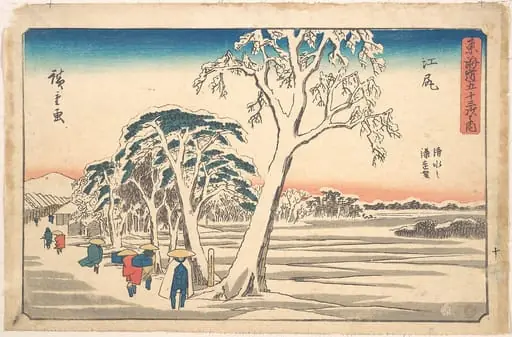
*Meguro* aligns with Hiroshige’s broader series of urban and rural scenes, such as *The Fifty‑three Stations of the Tōkaidō* and *One Hundred Famous Views of Edo*. By turning his attention to a specific neighborhood, the work contributes to a visual record of Edo’s seasonal character during the late Edo period.
Artist & collection
Artist
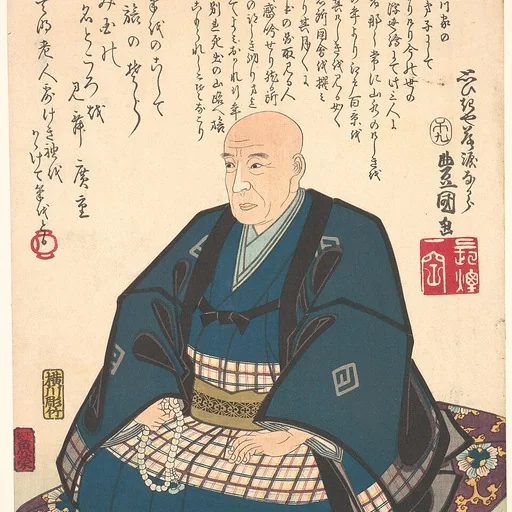
Utagawa Hiroshige (歌川 広重) or Andō Hiroshige (安藤 広重), born Andō Tokutarō (安藤 徳太郎; 1797 – 12 October 1858), was a Japanese ukiyo-e artist, considered the last great master of that tradition.