Artwork
東海道五十三次 関|Seki
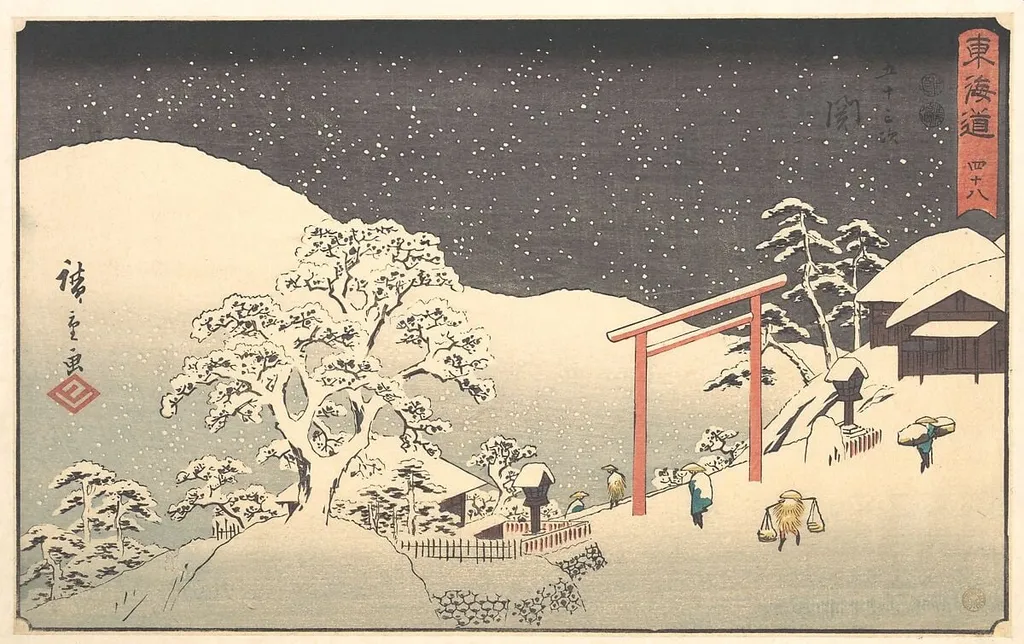
東海道五十三次 関|Seki is an ink print by the Romanticist artist Utagawa Hiroshige. It dates from 1848 and is held in the collection of the Metropolitan Museum of Art.
About this work
Overview
Seki, a woodblock print by Utagawa Hiroshige, dates to around 1848 as part of The Fifty-three Stations of the Tōkaidō, a series showcasing Japan's major roadway landscapes.
Subject & Meaning
This serene winter scene captures the post station of Seki, emphasizing the harmonious relationship between travelers (implied, not depicted) and nature, characteristic of Hiroshige's divergence from typical urban ukiyo-e themes.
Technique & Style
Rendered in ink and color on paper, Seki features bold lines, delicate details, and a nuanced color palette (blues, grays, warm browns, and whites) to create depth and texture, inviting the viewer into a peaceful winter environment.
History & Provenance
Created by Utagawa Hiroshige during the Edo period, Seki represents a hallmark of his landscape series, demonstrating compositional mastery and atmospheric depth.
Context
Part of a broader artistic shift, Seki reflects Hiroshige's influence in popularizing rural and natural subjects within ukiyo-e, contrasting with the predominant urban focus of his contemporaries.
Legacy
As part of The Fifty-three Stations of the Tōkaidō, Seki contributes to Hiroshige's enduring legacy in Japanese art, celebrated for its captivating portrayal of the interplay between nature and human presence.
Artist & collection
Artist
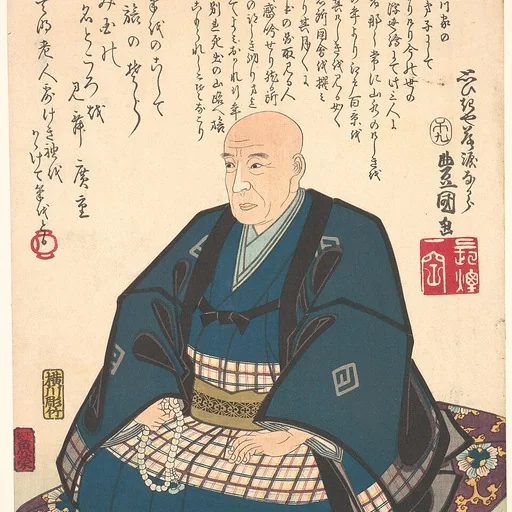
Utagawa Hiroshige (歌川 広重) or Andō Hiroshige (安藤 広重), born Andō Tokutarō (安藤 徳太郎; 1797 – 12 October 1858), was a Japanese ukiyo-e artist, considered the last great master of that tradition.

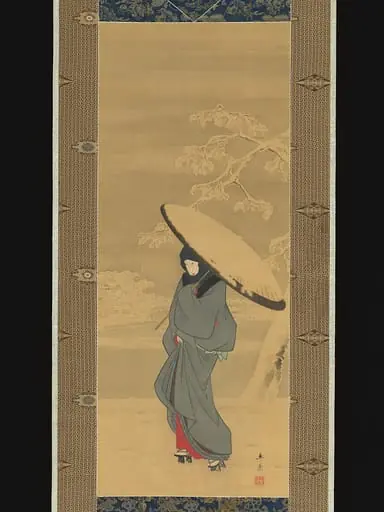
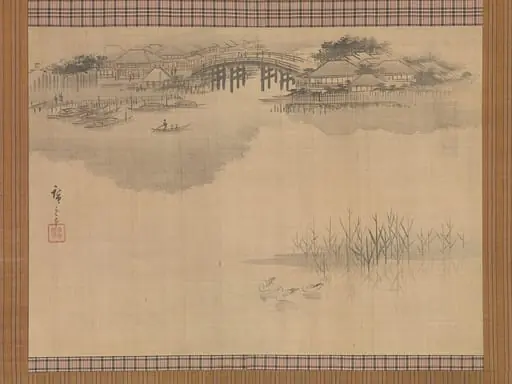
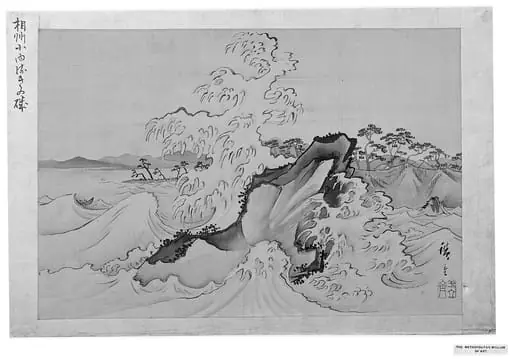
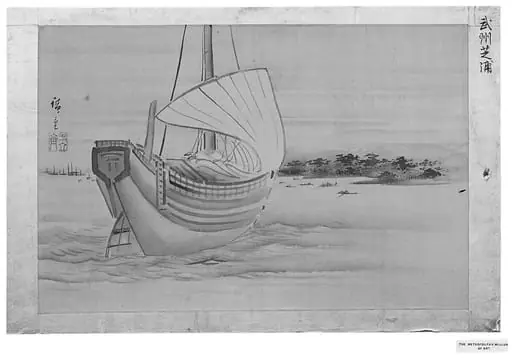
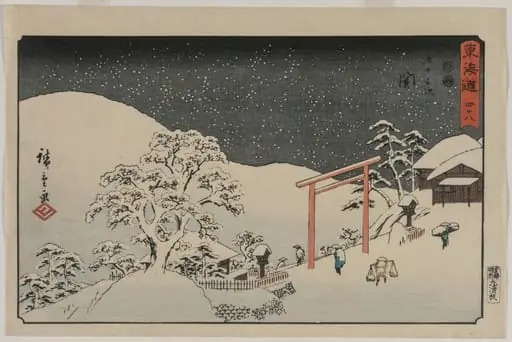 Seki, from the series The Fifty-Three Stations of the Tōkaidō
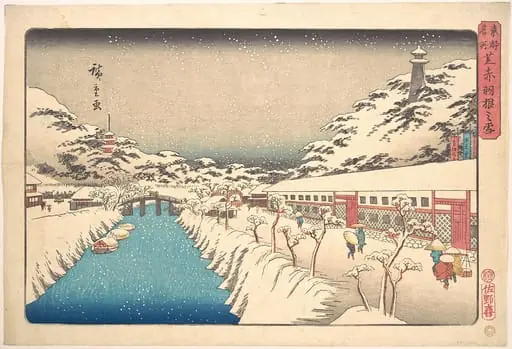 東都名所 芝赤羽根之雪|Shiba, Akabane no Yuki
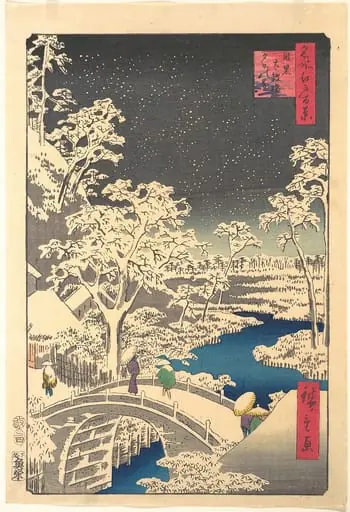 名所江戸百景 目黒太鼓橋夕ひの岡|Ochanomizu
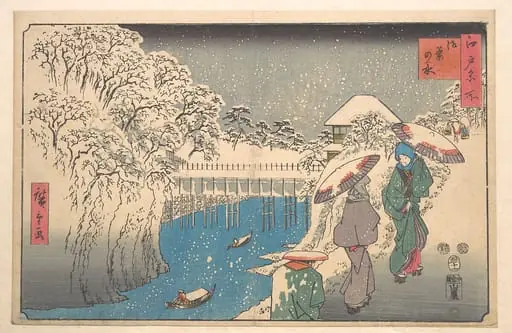 江戸名所 御茶之水|Ochanomizu
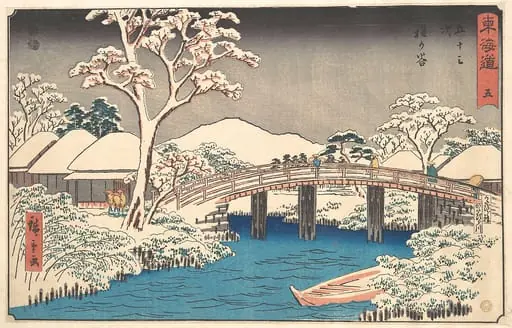 東海道五十三次 程ヶ谷 かたびら橋 かたびら川|Hodogaya
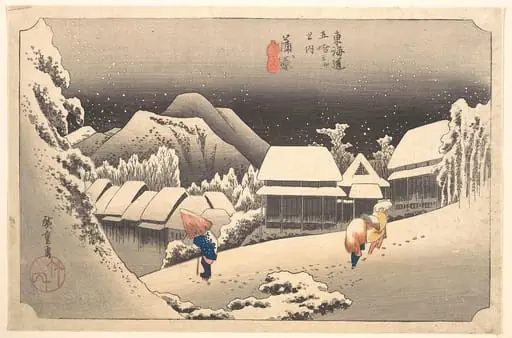 東海道五十三次之内 蒲原 夜の雪|Evening Snow
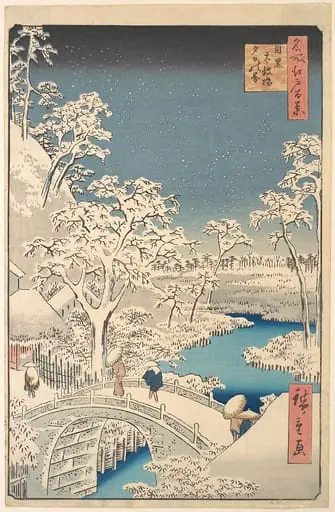 名所江戸百景 目黒太鼓橋夕日の岡|The Taiko (Drum) Bridge and the Yuhi Mound at Meguro
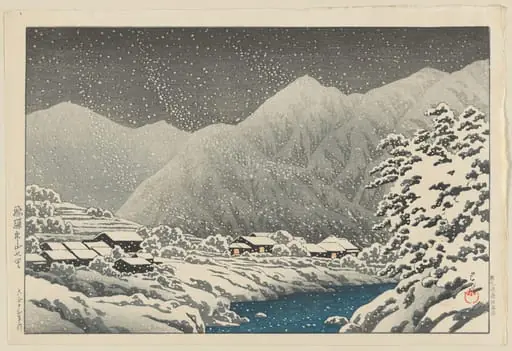 Untitled
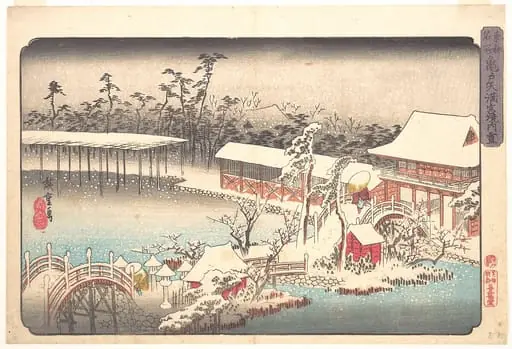 Kameido Tenmangu keidai no yuki|東都名所 亀戸天満宮境内雪|Tenmangū Shrine at Kameido in Snow
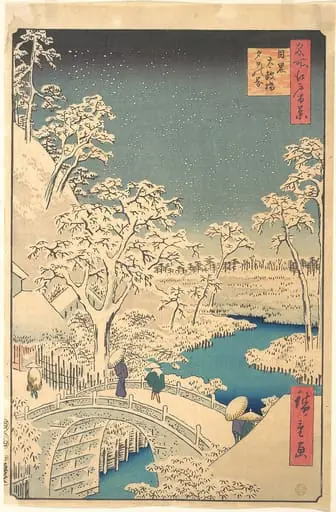 名所江戶百景 目黒太鼓橋夕ひの岡|Taiko Bridge, Meguro, on a Snowy Evening
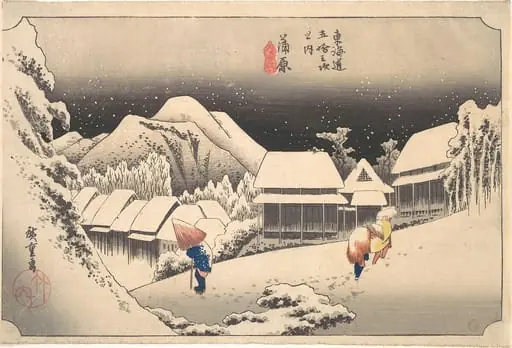 東海道五十三次之内 蒲原 夜の雪|A Snowy Evening at Kambara Station
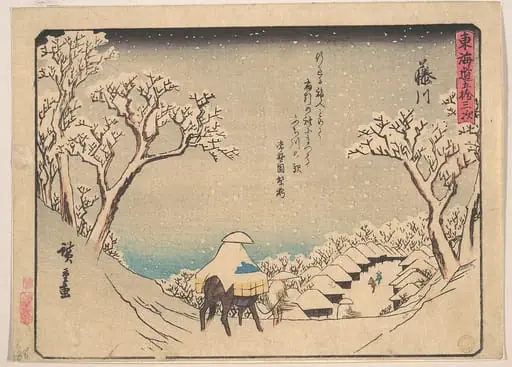 東海道五十三次 藤川|Fujikawa