Artwork
東海道五十三次之内 沼津 黄昏図|Numazu Ki Kure
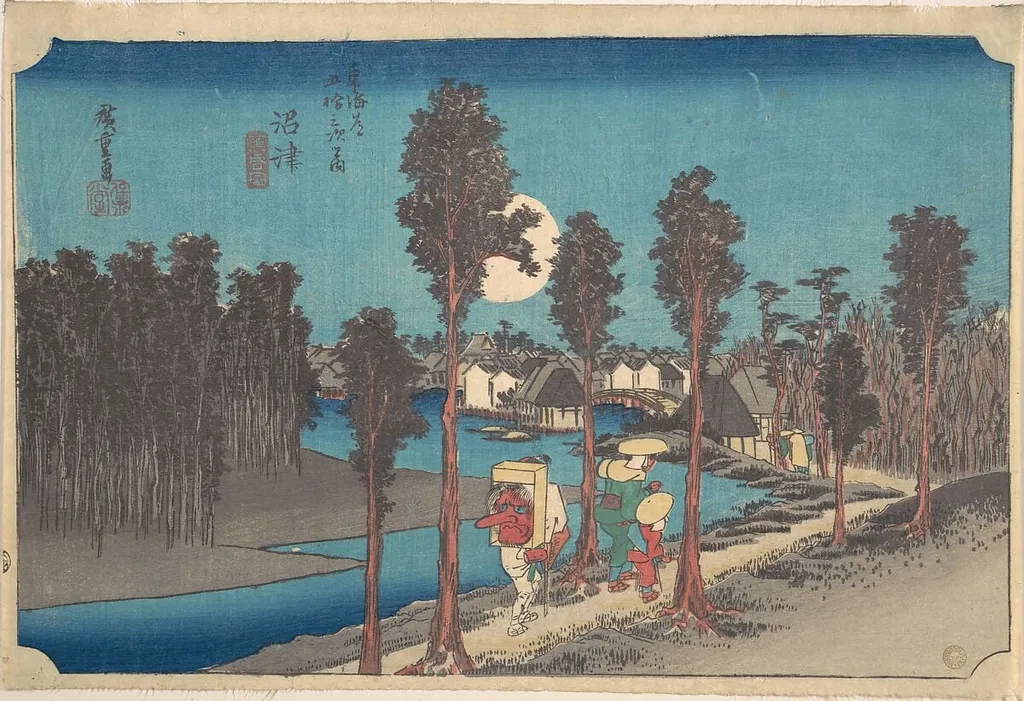
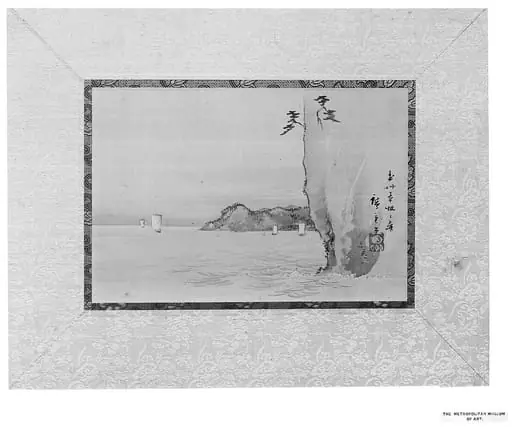
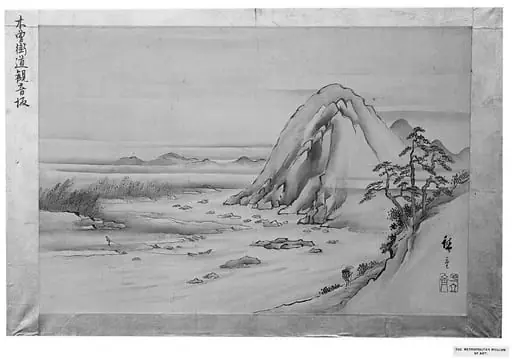
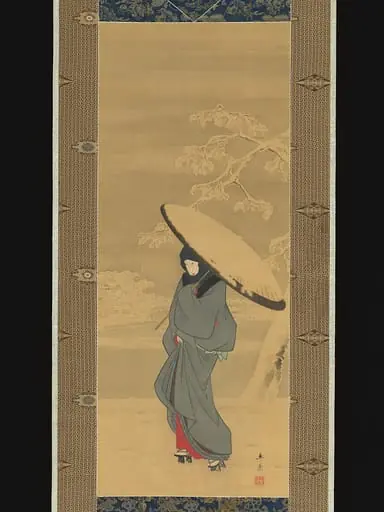
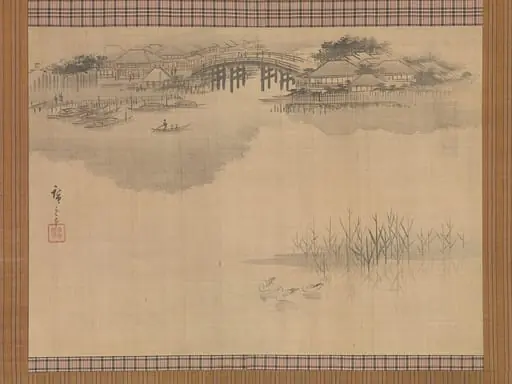
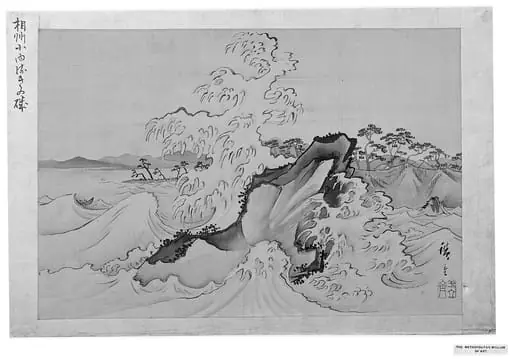
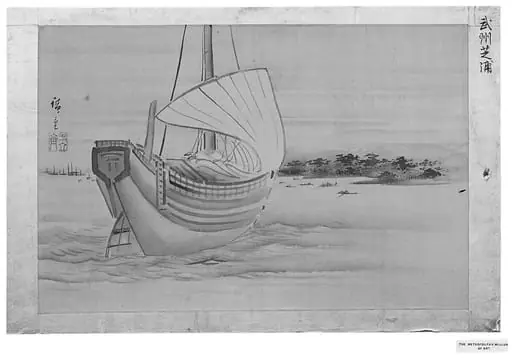
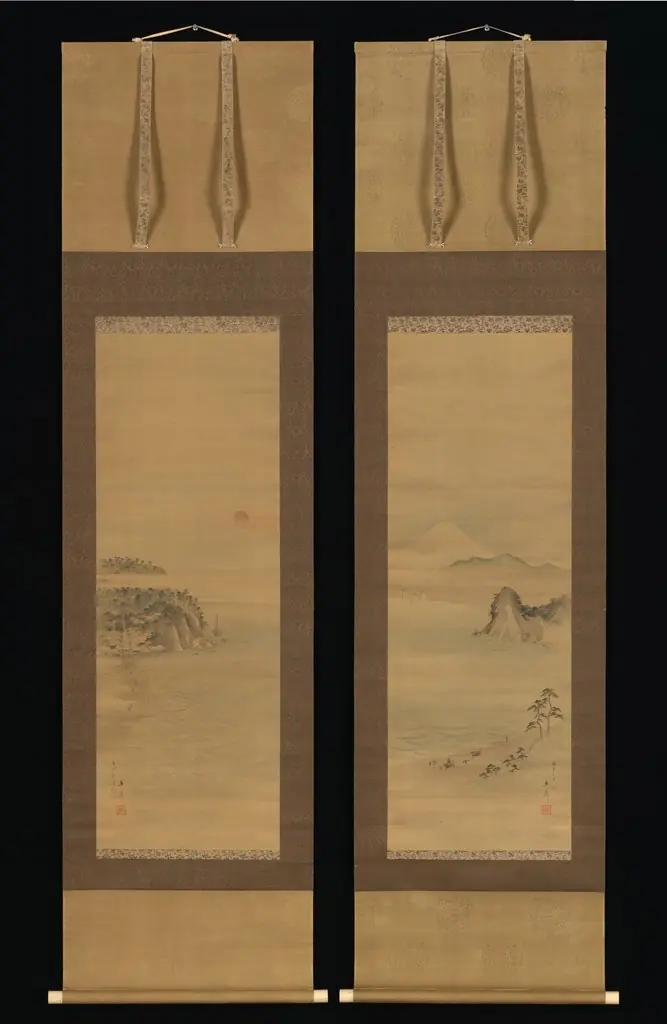
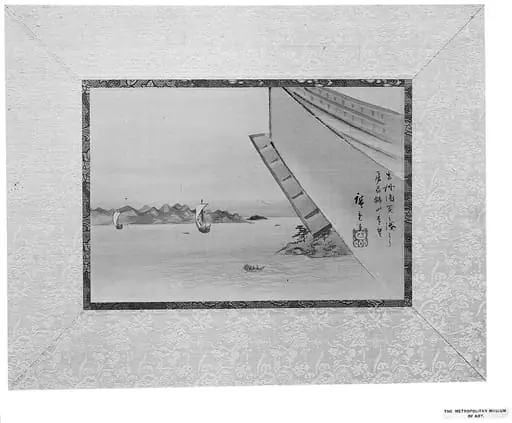
東海道五十三次之内 沼津 黄昏図|Numazu Ki Kure is an ink print by the Romanticist artist Utagawa Hiroshige. It dates from 1834 and is held in the collection of the Metropolitan Museum of Art.
About this work
Overview
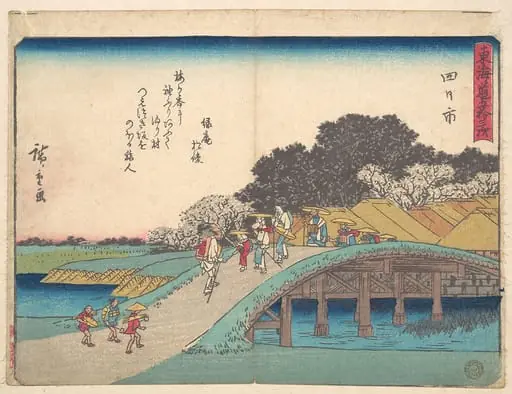
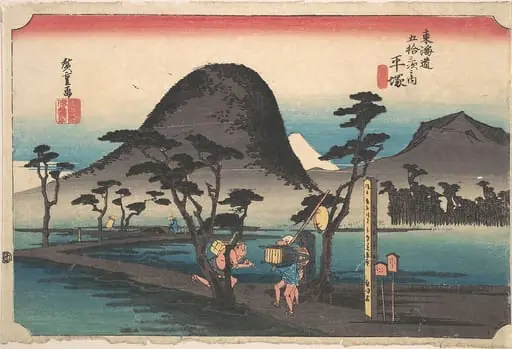
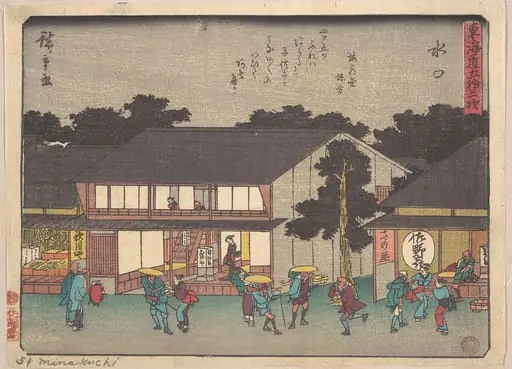
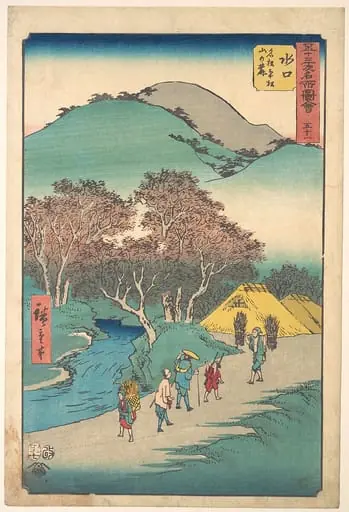
Utagawa Hiroshige’s woodblock print *Numazu Ki Kure* dates from around 1834 and forms one panel of his celebrated series illustrating the fifty‑three stations along the Tōkaidō road. Executed in ink and color on paper, the horizontal composition captures a quiet moment at twilight, emphasizing mood over narrative.
Subject & Meaning
The image presents a solitary traveler taking shelter beneath a lone tree as the day fades. The figure’s stillness against the waning light conveys a sense of transience and contemplation, reflecting Hiroshige’s interest in everyday encounters and the fleeting atmosphere of travel.
Technique & Style
Hiroshige employs the ukiyo‑e woodblock method, combining delicate line work with muted washes of color. The restrained palette and simplified forms create a calm ambience, while the use of perspective and subtle gradations of ink suggest depth without elaborate detail.
History & Provenance
Produced as part of the *Fifty‑three Stations of the Tōkaidō* series, the print was circulated as a commercial illustration for travelers and collectors in Edo‑period Japan. Original impressions remain in several museum collections, documenting the work’s continued scholarly and public interest.
Artist & collection
Artist
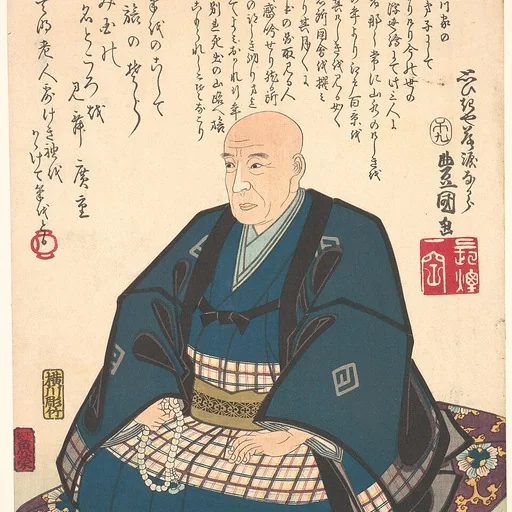
Utagawa Hiroshige (歌川 広重) or Andō Hiroshige (安藤 広重), born Andō Tokutarō (安藤 徳太郎; 1797 – 12 October 1858), was a Japanese ukiyo-e artist, considered the last great master of that tradition.