Artwork
五十三次名所図会 水口|Mizukuchi
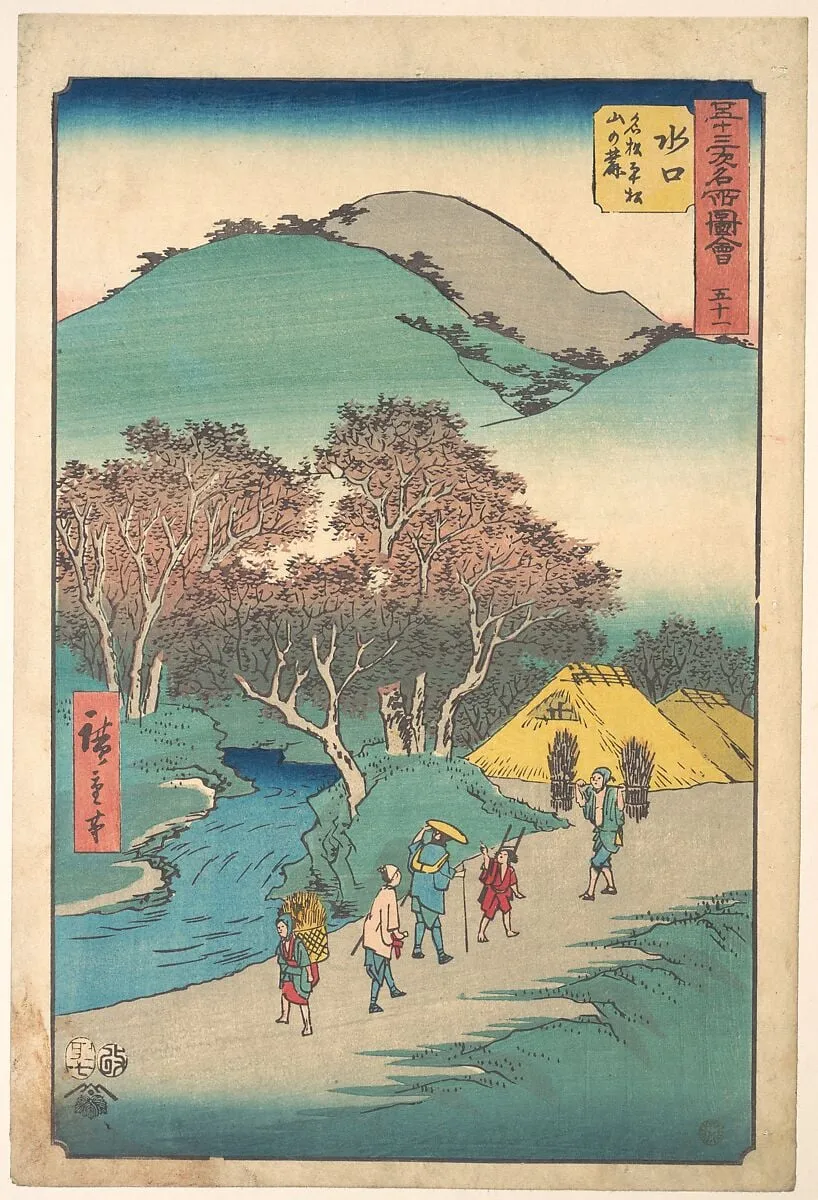
五十三次名所図会 水口|Mizukuchi is an ink print by the Impressionist artist Utagawa Hiroshige. It dates from 1855 and is held in the collection of the Metropolitan Museum of Art.
About this work
Overview
Executed in ink and color on paper using traditional woodblock techniques, the print reflects the Edo period’s mastery of mass-produced visual culture.
Created in 1855 by Utagawa Hiroshige, *Mizukuchi* is one of fifty-three prints in the series *The Fifty-three Stations of the Tōkaidō*. It captures a quiet riverside stop along the historic road connecting Edo and Kyoto. Executed in ink and color on paper using traditional woodblock techniques, the print reflects the Edo period’s mastery of mass-produced visual culture. The work is now part of The Metropolitan Museum of Art’s collection.
Subject & Meaning
The scene portrays a tranquil stretch of the Tōkaidō at Mizukuchi, where travelers move along a winding path beside a slow-moving river. Figures carry bundles or hold umbrellas, suggesting routine pilgrimage or trade. A modest thatched hut nestles near a gentle hill, grounding the image in everyday life. Tiny red markers identify the station, reinforcing the print’s function as both guide and poetic record of a journey.
Technique & Style
Hiroshige employed fine woodblock carving and hand-coloring to achieve subtle gradations in soft blues, greens, and earthy browns. The composition uses low horizons and atmospheric perspective to suggest depth, while delicate linework defines trees, water, and figures. The inclusion of minute details—like text on signs or individual leaves—demonstrates the precision of ukiyo-e craftsmanship and Hiroshige’s sensitivity to natural rhythm.
History & Provenance
Hiroshige, born Andō Tokutarō in 1797, produced this print during the final decades of the Edo period, when landscape prints gained popularity among the urban middle class. *Mizukuchi* was originally published as part of a commercial series, widely distributed and collected. It entered The Metropolitan Museum of Art’s holdings through established acquisition channels, preserving its role as a cultural artifact of 19th-century Japan.
Context
The Tōkaidō was a vital route for travelers, merchants, and officials, and its stations were cultural touchstones. Hiroshige’s series responded to a growing public interest in travel and regional identity. Unlike earlier ukiyo-e focused on actors or courtesans, his landscapes emphasized nature and quiet moments, aligning with shifting aesthetic values and the rise of leisure travel in Edo society.
Legacy
Hiroshige’s *Mizukuchi* and its series influenced later artists in Japan and abroad, including Impressionists who admired his compositional clarity and use of color. The print exemplifies how ukiyo-e transformed ordinary scenes into enduring visual records. Today, it remains a key reference for understanding how Japanese artists captured the relationship between people and landscape during a period of social and cultural change.
Artist & collection
Artist
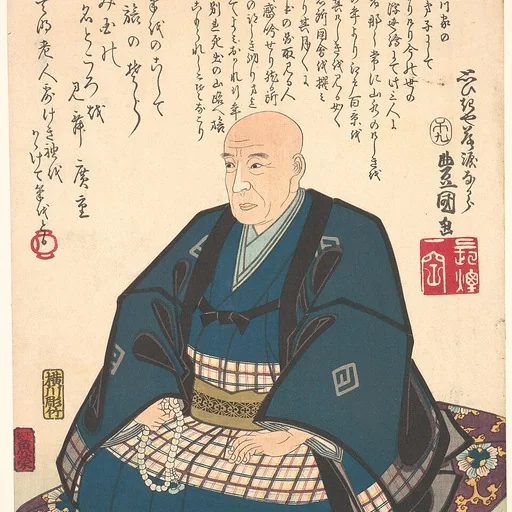
Utagawa Hiroshige (歌川 広重) or Andō Hiroshige (安藤 広重), born Andō Tokutarō (安藤 徳太郎; 1797 – 12 October 1858), was a Japanese ukiyo-e artist, considered the last great master of that tradition.


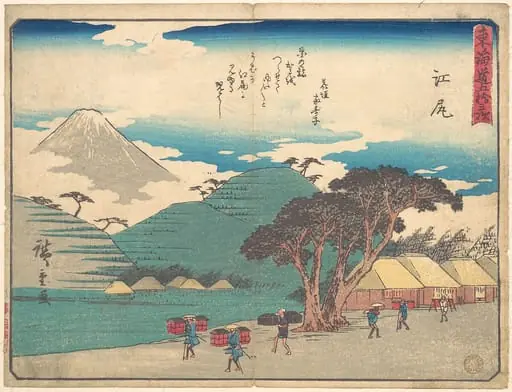 東海道五十三次 江尻|Ejiri
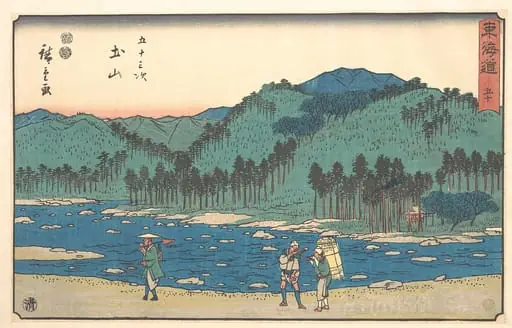 東海道五十三次 土山|Tsuchiyama
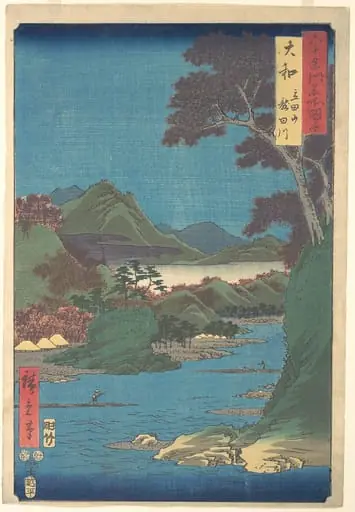 六十余州名所図会 大和 立田山 龍田川|Yamato, Tatsutayama, Tatsutagawa
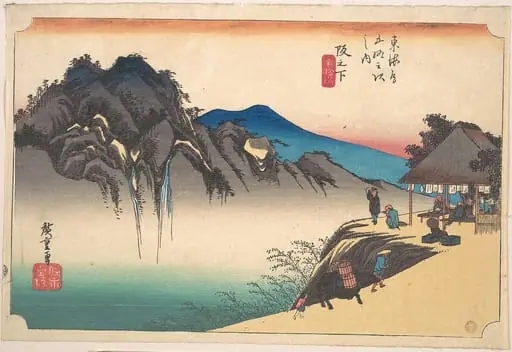 東海道五十三次之内 阪之下 筆捨嶺|Saka-no-shita, Fude-sute Mine
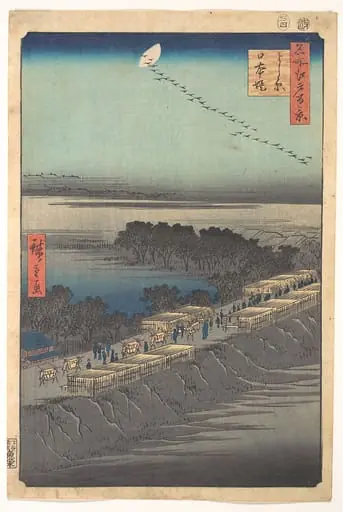 「名所江戸百景 よし原 日本堤」|“Nihon Embankment at Yoshiwara,” from the series One Hundred Famous Views of Edo (Meisho Edo hyakkei, Yoshiwara, Nihonzutsumi)
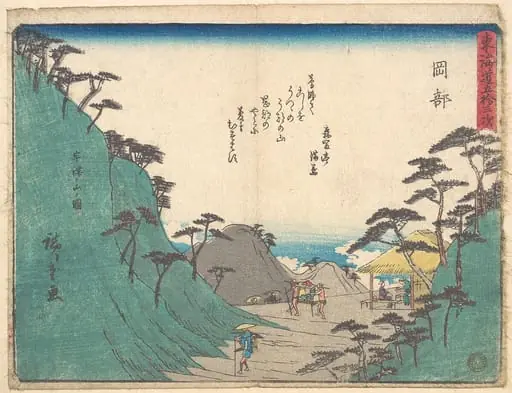 東海道五十三次 岡部|Okabe
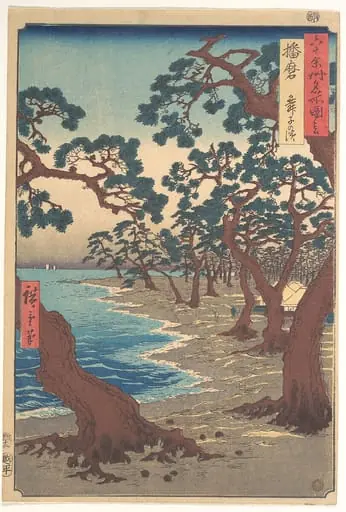 六十余州名所図会 播磨 舞子の浜|Harima, Maiko no Hama
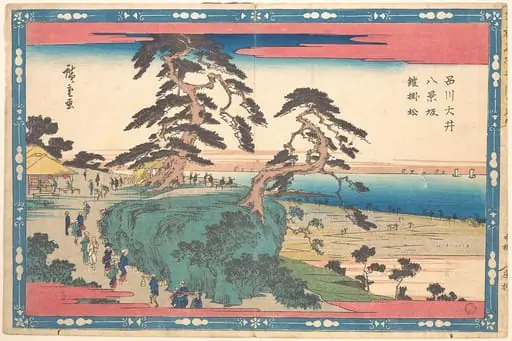 東都名所 品川大井 八景坂鎧掛松|Shinagawa Hakkei Zaka
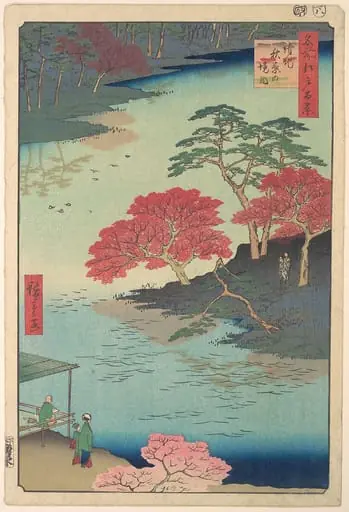 名所江戸百景 請地秋葉の境内|Inside Akiba Shrine at Ukeji