Artwork
富士三十六景 房州保田の海岸|Seashore at Hoda, Province of Awa
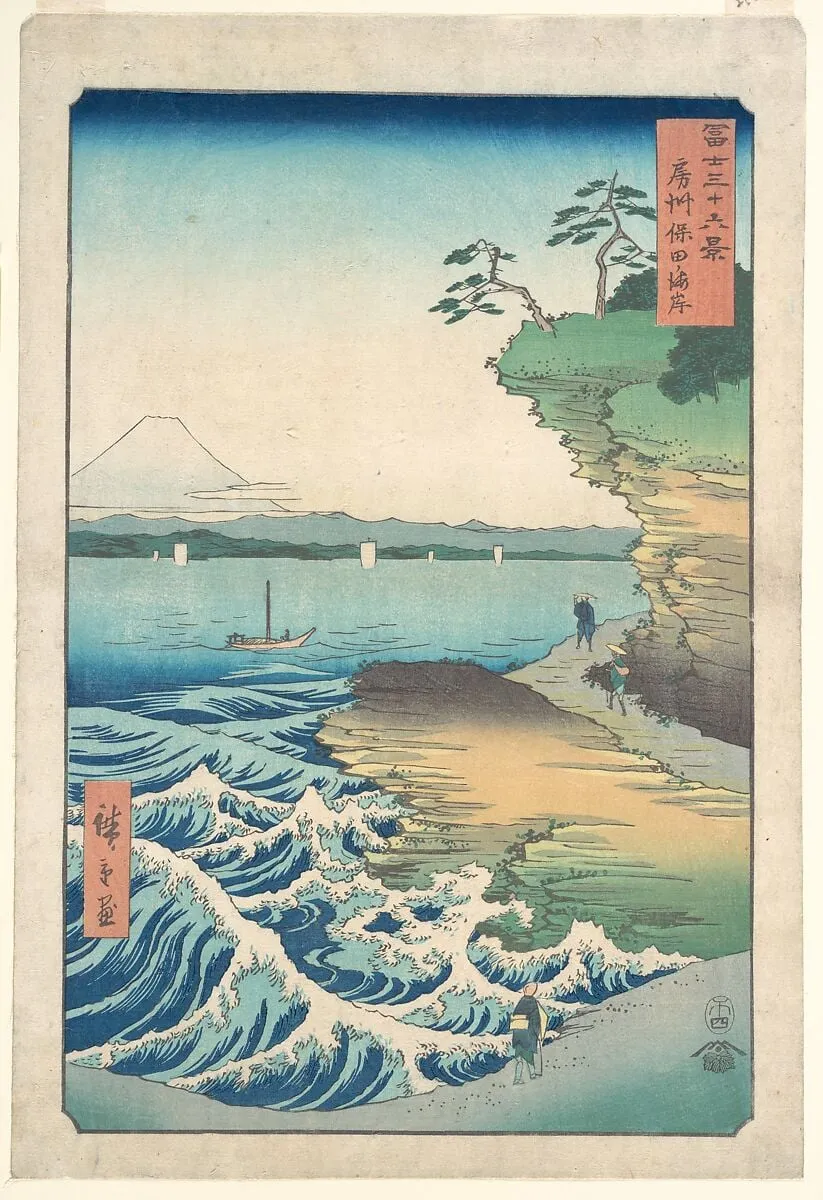
富士三十六景 房州保田の海岸|Seashore at Hoda, Province of Awa is an ink print by the Impressionist artist Utagawa Hiroshige. It dates from 1858 and is held in the collection of the Metropolitan Museum of Art.
About this work
Overview
The composition follows a horizontal format, typical of Hiroshige’s later work, and reflects his shift from urban scenes to natural landscapes.
Created in 1858 by Utagawa Hiroshige, this woodblock print is one of thirty-six landscapes in the series *Thirty-six Views of Mount Fuji*. It captures a coastal stretch in Awa Province, now part of Chiba Prefecture, with Mount Fuji visible on the horizon. The composition follows a horizontal format, typical of Hiroshige’s later work, and reflects his shift from urban scenes to natural landscapes. The artist passed away later that year, making this among his final prints.
Subject & Meaning
The scene portrays a quiet coastal path where two figures walk near the water’s edge, accompanied by a small boat bobbing in turbulent waves. A distant bridge spans a calm river, contrasting with the restless sea. Mount Fuji, faint but unmistakable in the background, anchors the composition symbolically. The image evokes solitude and the quiet rhythm of nature, suggesting travel, transience, and the enduring presence of the sacred mountain.
Technique & Style
Hiroshige employed bold, layered blues and whites to render the crashing waves, using precise carving and printing to suggest motion and texture. The path and figures are rendered with minimal detail, guiding the viewer’s eye without distraction. The sky is softly graded, and the hills recede in muted tones, enhancing depth. His use of perspective and atmospheric effects reflects a refined mastery of the ukiyo-e medium, prioritizing mood over ornamentation.
History & Provenance
Produced in 1858, the print was part of Hiroshige’s final major series, published shortly before his death. It was printed by traditional workshops in Edo, likely under his supervision. Early impressions were distributed widely, and surviving examples are held in major collections worldwide. The print’s survival in good condition reflects its popularity and the durability of its woodblock carving and pigment application.
Context
During the late Edo period, landscape prints gained popularity as travel became more accessible and public interest in regional scenery grew. Hiroshige’s *Thirty-six Views of Mount Fuji* responded to this trend, offering idealized yet recognizable views of Japan’s topography. Unlike earlier ukiyo-e focused on courtesans or actors, this series elevated nature as a subject worthy of artistic contemplation, aligning with broader cultural shifts in aesthetics.
Legacy
Hiroshige’s *Thirty-six Views of Mount Fuji* influenced later generations of artists, both in Japan and abroad, particularly in the development of Western landscape painting and printmaking. His atmospheric compositions and subtle color harmonies became benchmarks for depicting nature’s quiet grandeur. Though not widely celebrated in his lifetime, his work later became foundational to global perceptions of Japanese art.
Artist & collection
Artist
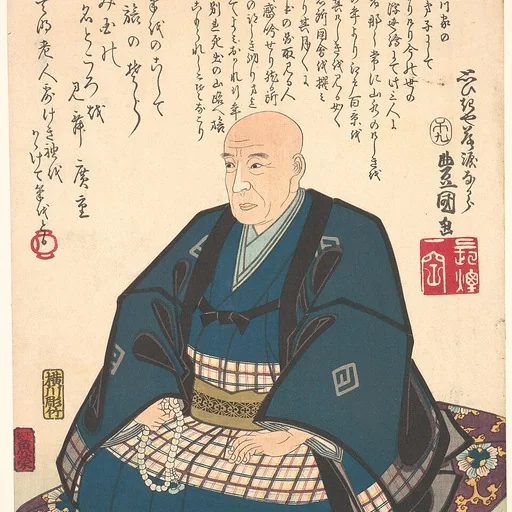
Utagawa Hiroshige (歌川 広重) or Andō Hiroshige (安藤 広重), born Andō Tokutarō (安藤 徳太郎; 1797 – 12 October 1858), was a Japanese ukiyo-e artist, considered the last great master of that tradition.

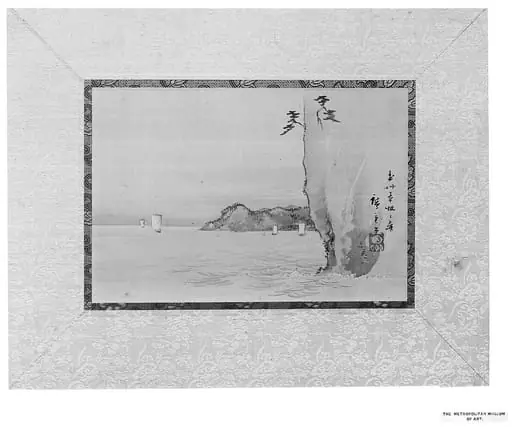
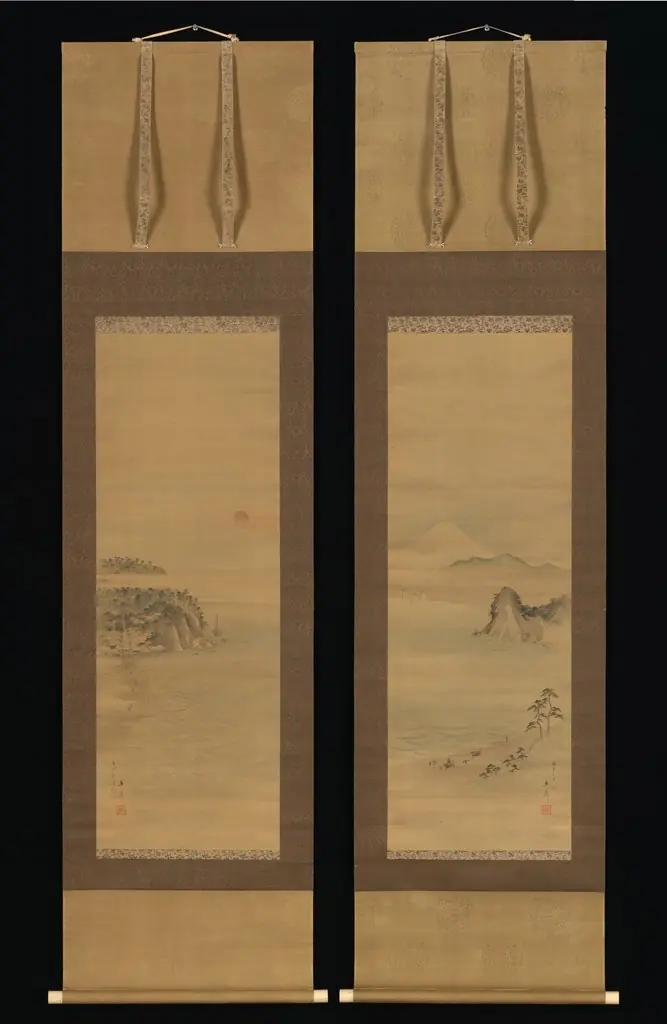
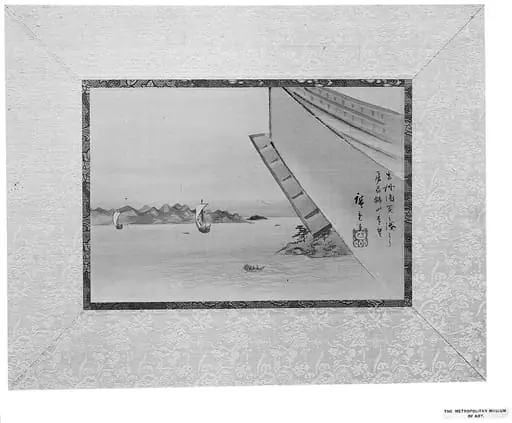
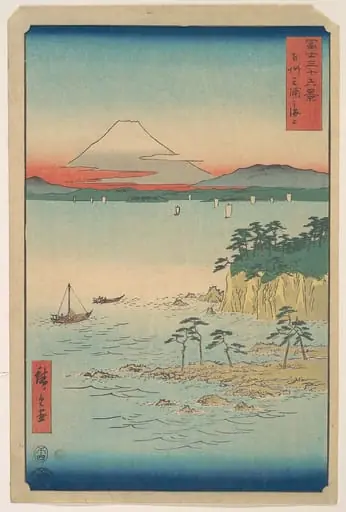 富士三十六景 相州三浦の海上|Fuji from Miura, Sagami (Soshu Miura no Kaijo), from the series Thirty-six Views of Mount Fuji (Fugaku sanjūrokkei)
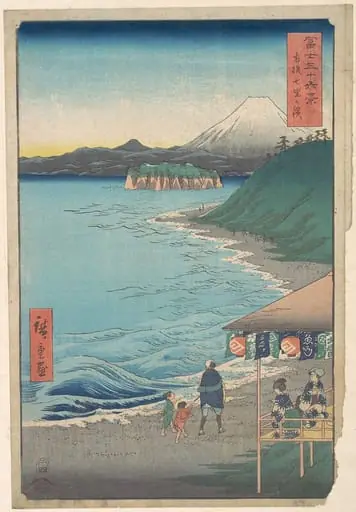 富士三十六景 相模七里ケ浜|View of Mount Fuji from Seven-ri Beach, Province of Sagami (Sōshū: Shichi-ri ga hama), from the series Thirty-six Views of Mount Fuji (Fugaku sanjūrokkei)
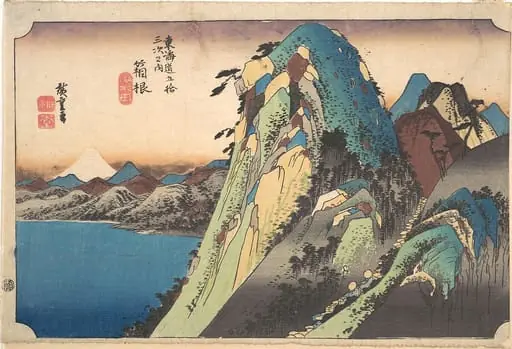 東海道五十三次之内 箱根 湖水図|Hakone; Kosui
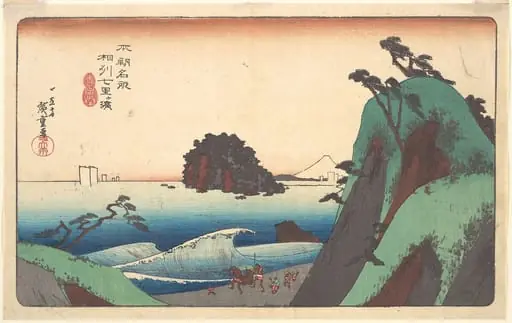 本朝名所 相州七里ヶ浜|Soshu, Shichi-ri ga Hama
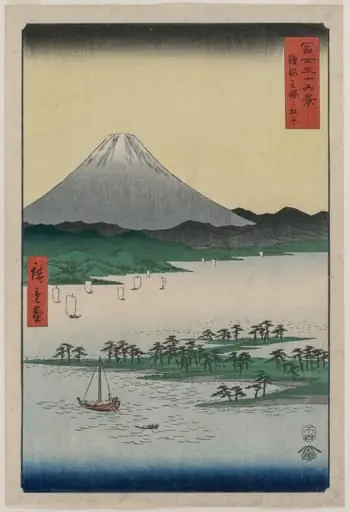 Pine Groves of Miho in Suruga, from the series Thirty-six Views of Mount Fuji
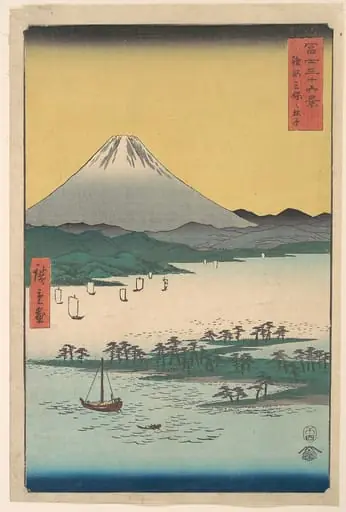 富士三十六景 駿河三保の松原|Pine Groves of Miho in Suruga Province
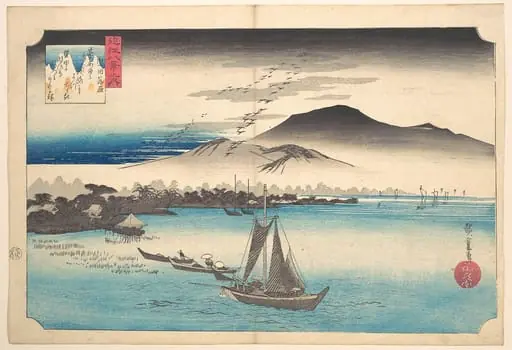 近江八景之内 堅田落雁|Returning Geese at Katada
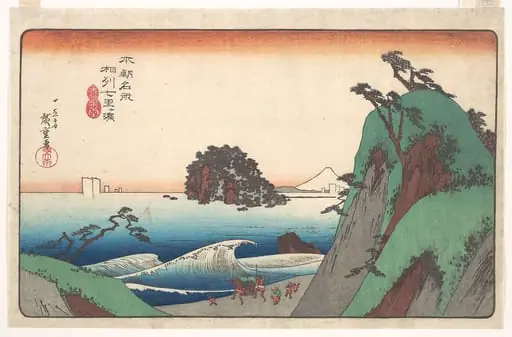 本朝名所 相州七里ヶ浜|Seven-ri Beach, Province of Soshu
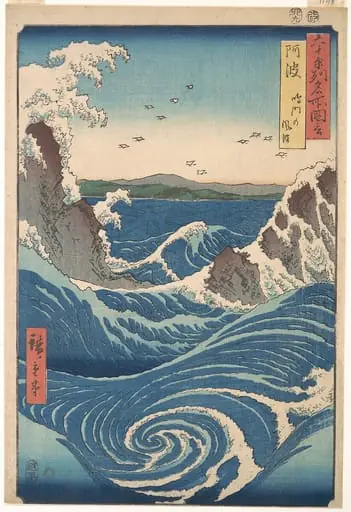 六十余州名所図会 阿波 鳴門の風波|Naruto Whirlpool, Awa Province, from the series Views of Famous Places in the Sixty-Odd Provinces
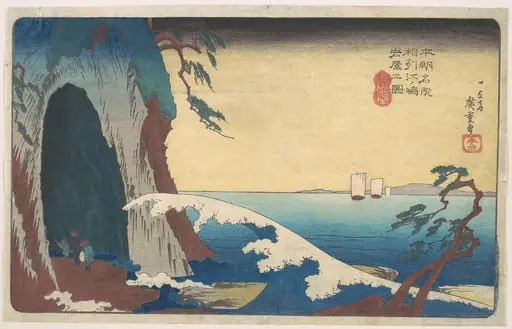 本朝名所 相州江ノ嶋岩屋之図|Sōshū, Enoshima Iwaya no Zu