Artwork
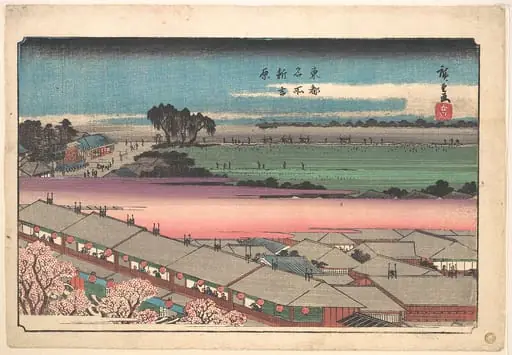
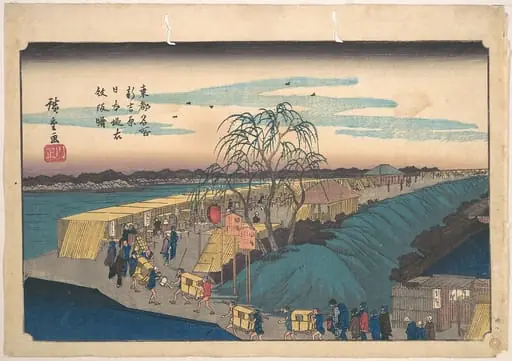
東都名所 新吉原衣紋阪秋月|Shin Yoshiwara Emonzaka Aki no Tsuki
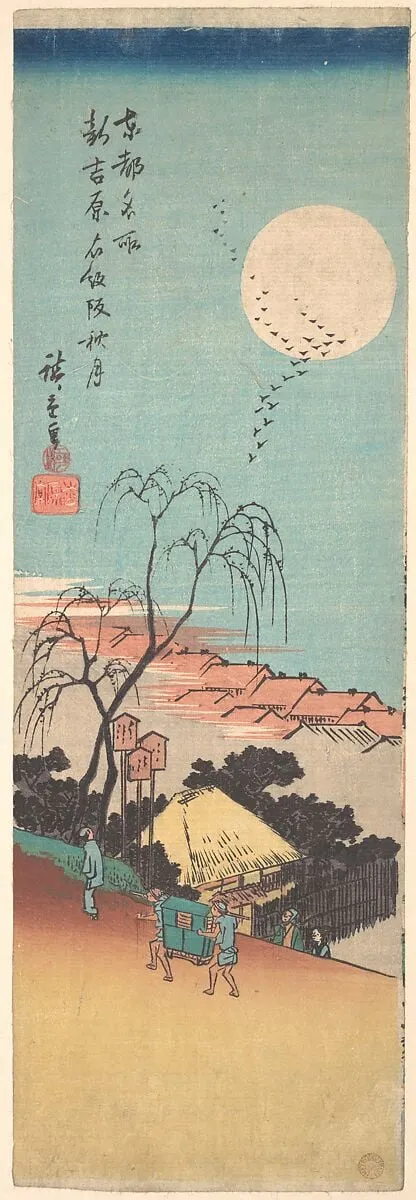
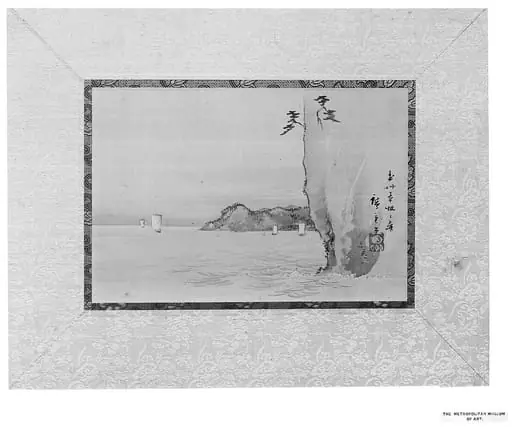
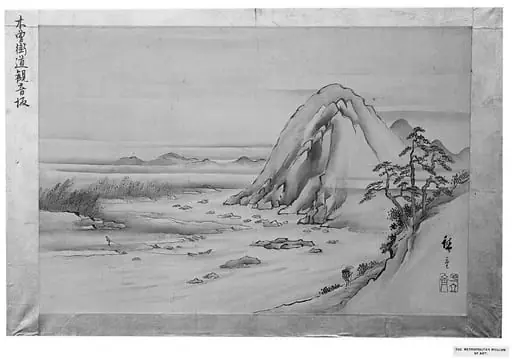
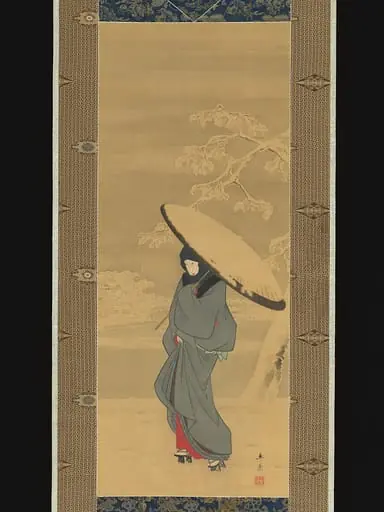
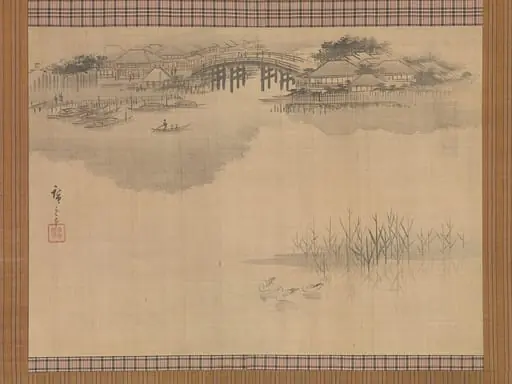
東都名所 新吉原衣紋阪秋月|Shin Yoshiwara Emonzaka Aki no Tsuki is an ink print by the Romanticist artist Utagawa Hiroshige. It dates from 1836 and is held in the collection of the Metropolitan Museum of Art.
About this work
Overview
Part of a series capturing Edo’s famous locales, it diverges from the district’s usual association with nightlife by emphasizing seasonal stillness.
Created around 1836 by Utagawa Hiroshige, this woodblock print depicts a quiet autumn evening in Shin Yoshiwara’s Emonzaka district. Part of a series capturing Edo’s famous locales, it diverges from the district’s usual association with nightlife by emphasizing seasonal stillness. The work is rendered in ink and color on paper, characteristic of ukiyo-e production methods of the time, and reflects Hiroshige’s growing focus on landscape and atmosphere over human drama.
Subject & Meaning
The scene shows pedestrians carrying bundles along a path beneath a large, low-hanging autumn moon. Figures are sparse and anonymous, their movements subdued, reinforcing a mood of quiet transit rather than revelry. The moon, a traditional symbol of transience in Japanese aesthetics, anchors the composition, suggesting the passage of time and the ephemeral nature of urban life, even within a place known for indulgence.
Technique & Style
Hiroshige employs soft gradations of color and delicate linework to evoke the cool, misty air of autumn. The moon is rendered with minimal detail yet dominates the sky through contrast and placement. Buildings and foliage are suggested with subtle patterns rather than precise rendering, allowing the viewer’s eye to fill in texture. The print’s composition follows the ukiyo-e tradition of asymmetrical balance, guiding attention from foreground figures toward the expansive night sky.
History & Provenance
The print was produced during Hiroshige’s early maturity, as he transitioned from actor and beauty prints to landscape themes. It likely circulated as part of a commercial series documenting Edo’s landmarks, intended for middle-class collectors. No specific early ownership records survive, but similar prints from this period were widely distributed, contributing to Hiroshige’s reputation as a chronicler of Edo’s changing urban and natural environments.
Context
Shin Yoshiwara, the relocated pleasure quarter of Edo, was typically portrayed in ukiyo-e as a hub of entertainment. Hiroshige’s choice to depict it at night in autumn, devoid of revelers, reflects a broader trend among artists to infuse familiar settings with poetic stillness. This shift aligned with growing literary and artistic interest in mono no aware—the sensitivity to impermanence—within Edo-period culture.
Legacy
Though not among Hiroshige’s most famous works, this print exemplifies his influence on later landscape traditions, both in Japan and abroad. Its restrained palette and atmospheric perspective contributed to the global reception of Japanese prints in the 19th century, particularly among Western artists seeking alternatives to academic realism. The work remains a quiet testament to Hiroshige’s ability to transform a place of spectacle into one of contemplation.
Artist & collection
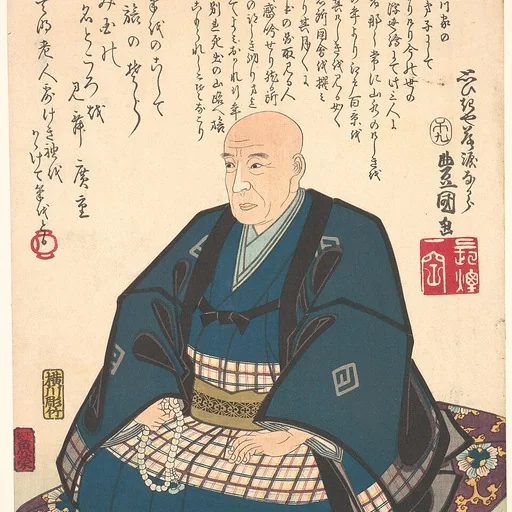
Artist
Utagawa Hiroshige (歌川 広重) or Andō Hiroshige (安藤 広重), born Andō Tokutarō (安藤 徳太郎; 1797 – 12 October 1858), was a Japanese ukiyo-e artist, considered the last great master of that tradition.