Artwork
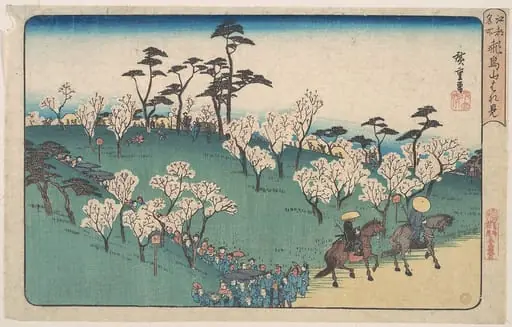
東都名所 飛鳥山花盛|Asukayama Hana Zakari
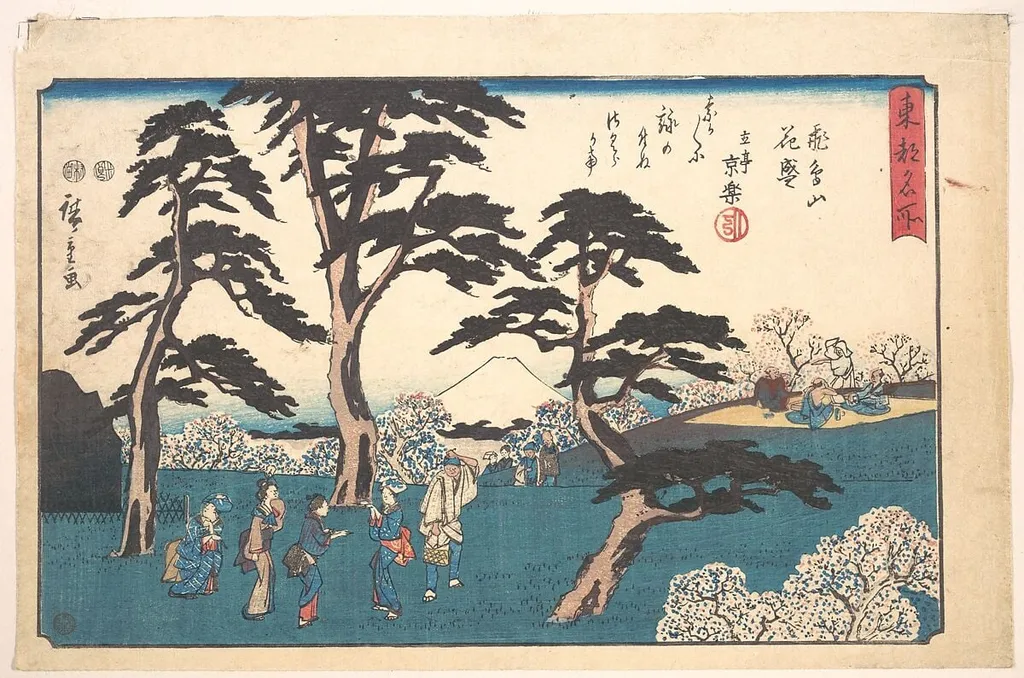
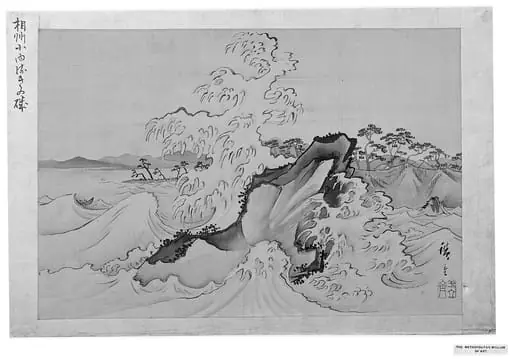
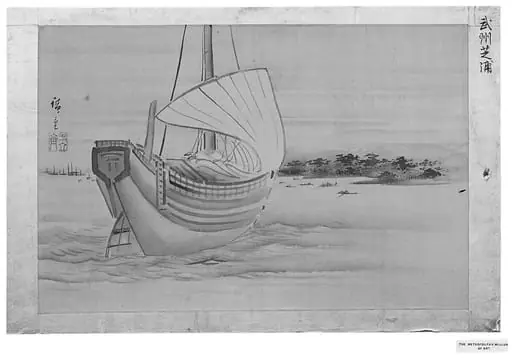
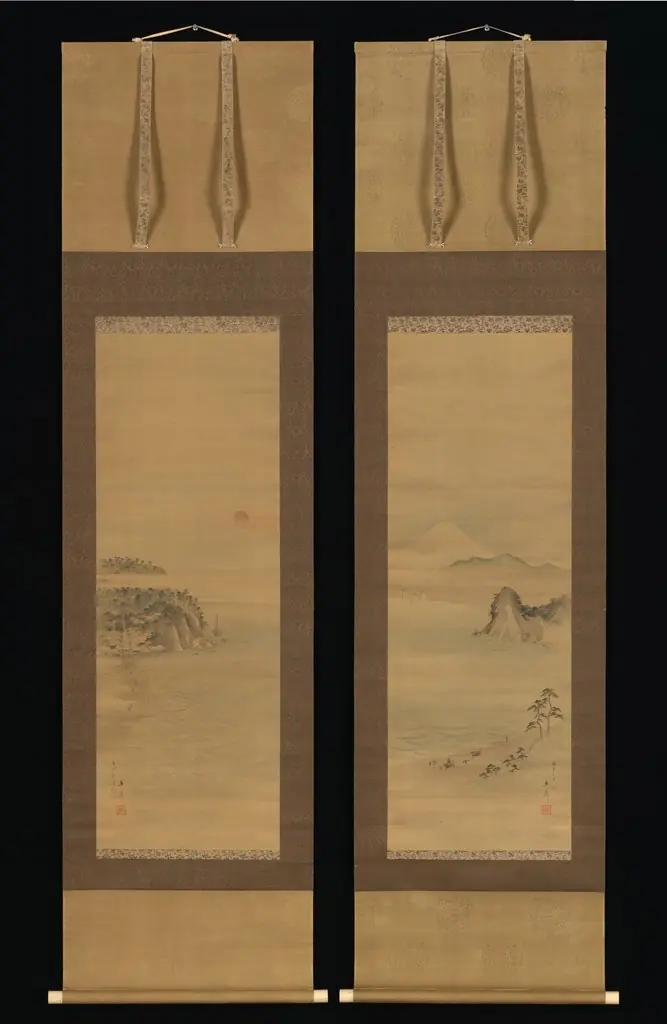
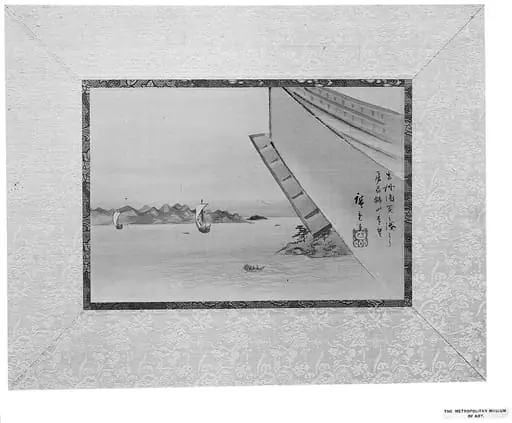
東都名所 飛鳥山花盛|Asukayama Hana Zakari is an ink print by the Romanticist artist Utagawa Hiroshige. It dates from 1844 and is held in the collection of the Metropolitan Museum of Art.
About this work
Overview
Asukayama Hana Zakari is a woodblock print created by Utagawa Hiroshige around 1844, characterized by its depiction of natural scenery and use of atmospheric perspective.
Subject & Meaning
The print captures a serene scene of people strolling under pine trees in a blooming field, with distant buildings and a subtle hint of Mount Fuji, conveying the beauty of seasonal change.
Technique & Style
Hiroshige employed bold black outlines, flat colors without shading, and crisp lines to convey depth, exemplifying his distinctive ukiyo-e style.
History & Provenance
Part of a series highlighting famous Edo locations, the print's provenance and specific exhibition history are not detailed in available information.
Context
Created during the late Edo period, this work reflects Hiroshige's deviation from typical ukiyo-e themes, instead emphasizing landscape and natural beauty.
Legacy
Asukayama Hana Zakari contributes to Hiroshige's renowned body of landscape prints, influencing subsequent generations of artists with its unique blend of naturalism and composition.
Artist & collection
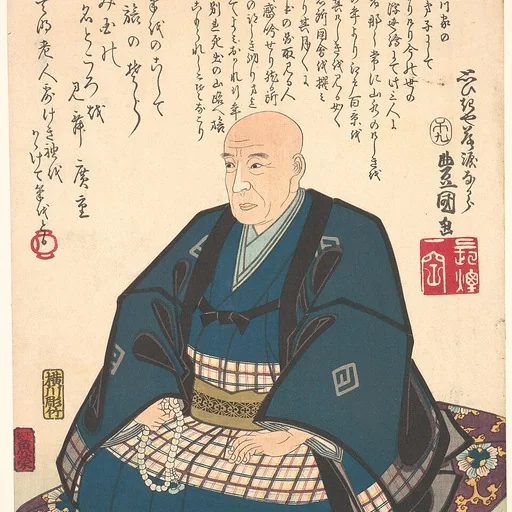
Artist
Utagawa Hiroshige (歌川 広重) or Andō Hiroshige (安藤 広重), born Andō Tokutarō (安藤 徳太郎; 1797 – 12 October 1858), was a Japanese ukiyo-e artist, considered the last great master of that tradition.