Artwork
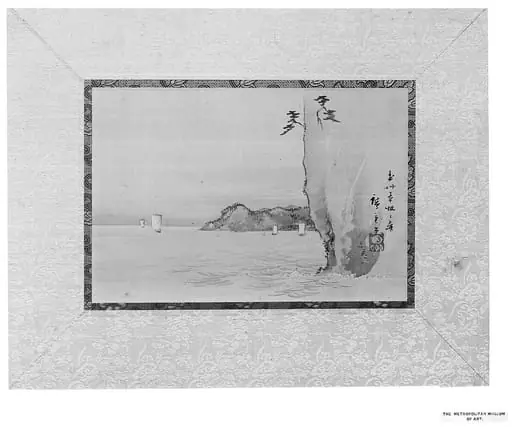
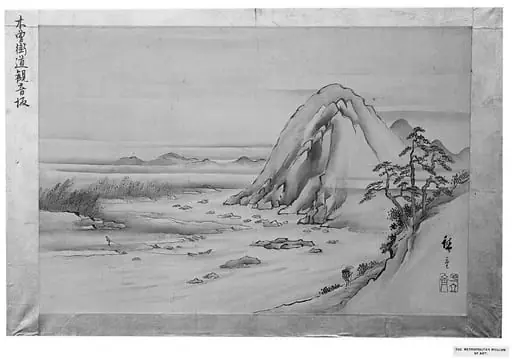
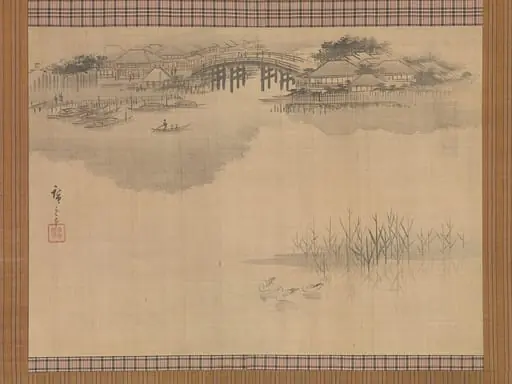
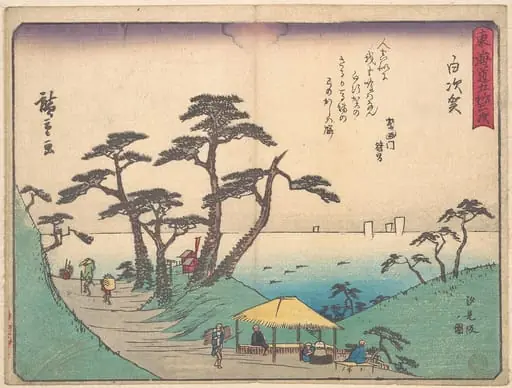
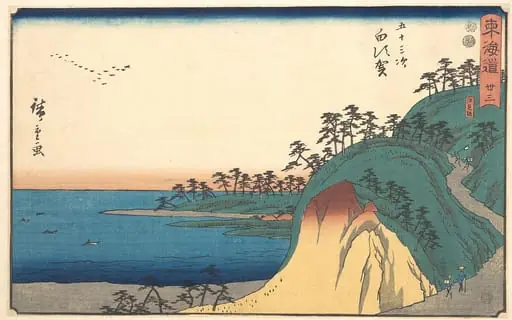
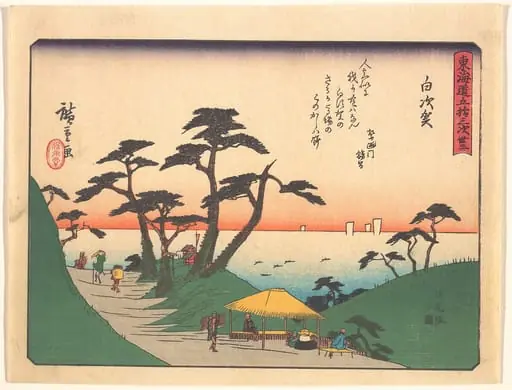
東海道五十三次之内 白須賀 汐見阪図|Shirasuka, Shio-mi Zaka
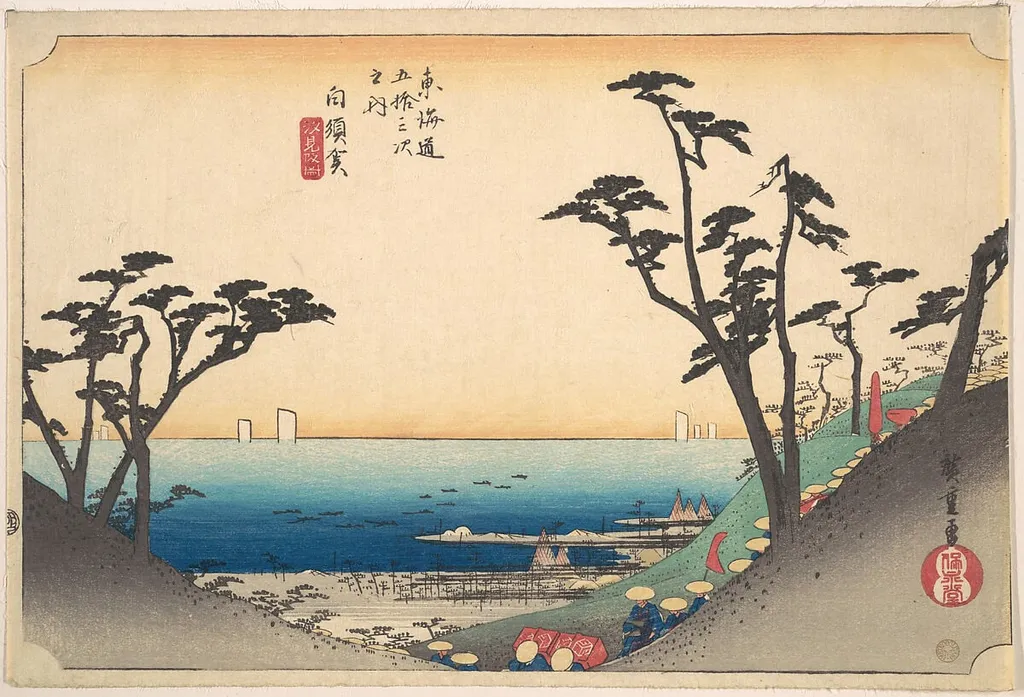
東海道五十三次之内 白須賀 汐見阪図|Shirasuka, Shio-mi Zaka is an ink print by the Romanticist artist Utagawa Hiroshige. It dates from 1834 and is held in the collection of the Metropolitan Museum of Art.
About this work
Overview
Created around 1834, this woodblock print by Utagawa Hiroshige is one of fifty-three scenes in the series *The Fifty-three Stations of the Tōkaidō*.
Created around 1834, this woodblock print by Utagawa Hiroshige is one of fifty-three scenes in the series *The Fifty-three Stations of the Tōkaidō*. It depicts the coastal station of Shirasuka, capturing a moment of quiet travel along Japan’s main highway. The work reflects Hiroshige’s shift from urban themes to landscapes, emphasizing the natural rhythm of the journey rather than bustling activity. Its composition balances stillness and movement, inviting contemplation of the road’s passage through the environment.
Subject & Meaning
The scene portrays a stretch of the Tōkaidō road winding along a rocky shoreline, with travelers moving along the path and small dwellings clustered near the water. The calm sea, dotted with boats, and the soft sky suggest a tranquil, early hour. The leaning pines frame the path, guiding the viewer’s eye toward a distant, indistinct landmark. This image evokes the solitude and rhythm of travel, reflecting the Edo-period ideal of harmony between human movement and the natural world.
Technique & Style
Hiroshige employs flat planes of color and simplified forms to suggest depth and atmosphere. The pine trees, rendered with bold, angular lines, create a natural arch over the road, while the sea and sky are muted in tone to enhance spatial recession. The use of subtle gradations in ink and delicate color washes, typical of ukiyo-e printing, conveys light and air without realistic detail. The composition’s asymmetry and cropped horizon reflect a distinctly Japanese aesthetic of suggestion over literalism.
History & Provenance
The print was produced during the early 1830s as part of Hiroshige’s first major landscape series, commissioned by the publisher Hoeidō. It was widely distributed as a popular travel souvenir among Edo’s middle class. Original impressions were printed in limited quantities using hand-carved woodblocks, and surviving examples are now held in major museum collections, including the Metropolitan Museum of Art and the British Museum.
Context
The Tōkaidō was the most important road connecting Edo with Kyoto, traveled by merchants, pilgrims, and daimyō processions. Hiroshige’s series documented each station with attention to seasonal change and local character, responding to growing public interest in domestic travel. Unlike earlier ukiyo-e focused on courtesans or actors, this series elevated landscape as a subject worthy of artistic study, aligning with broader cultural shifts toward nature and pilgrimage in late Edo society.
Legacy
Hiroshige’s *Tōkaidō* series influenced later Japanese artists and European Impressionists, who admired its compositional economy and atmospheric effects. The print helped establish landscape as a central theme in ukiyo-e, paving the way for future series on mountains, rivers, and seasonal views. Its enduring presence in global collections underscores its role in shaping international perceptions of Japanese art and the aesthetics of quiet observation.
Artist & collection
Artist
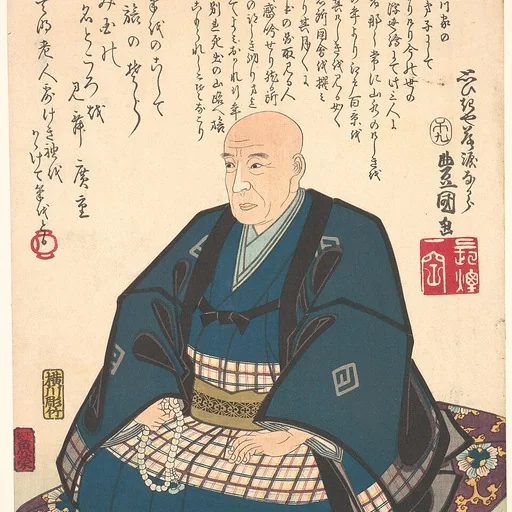
Utagawa Hiroshige (歌川 広重) or Andō Hiroshige (安藤 広重), born Andō Tokutarō (安藤 徳太郎; 1797 – 12 October 1858), was a Japanese ukiyo-e artist, considered the last great master of that tradition.