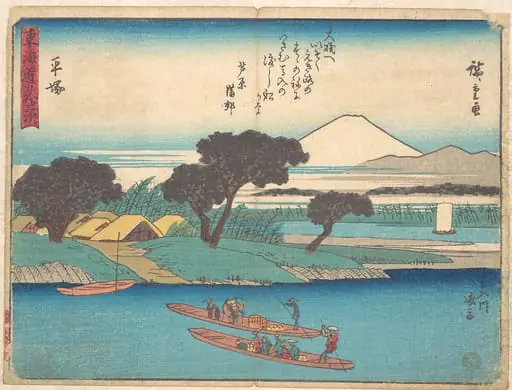
Artwork
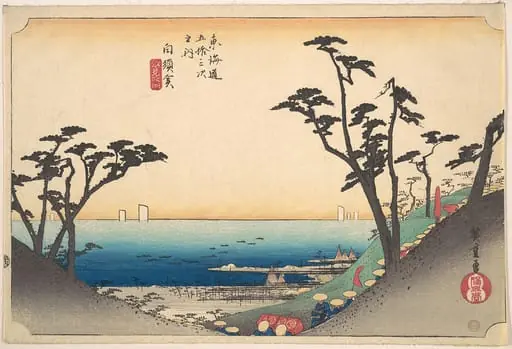
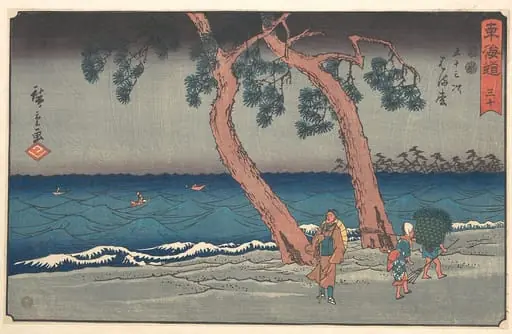
東海道五十三次 白須賀 汐見坂|Shirasuke
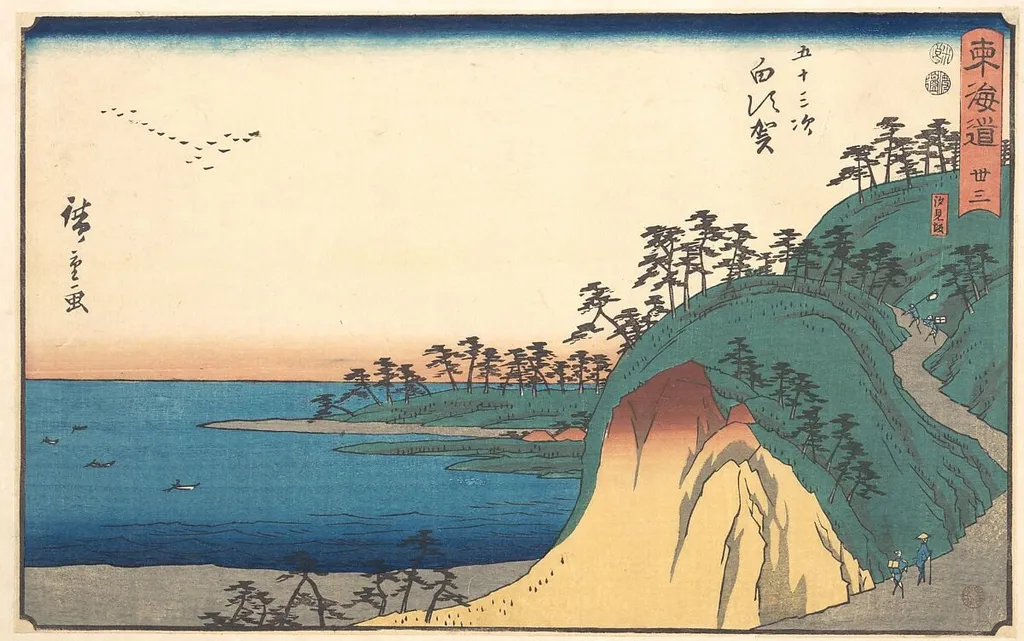
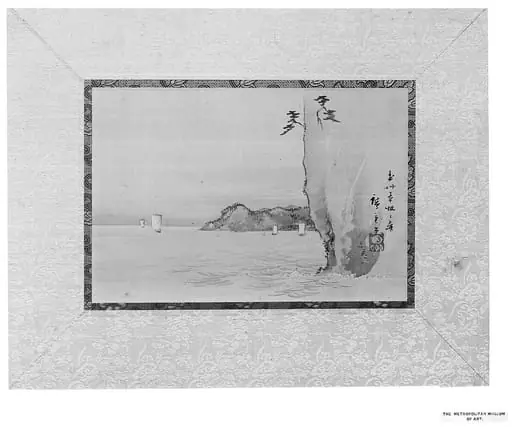
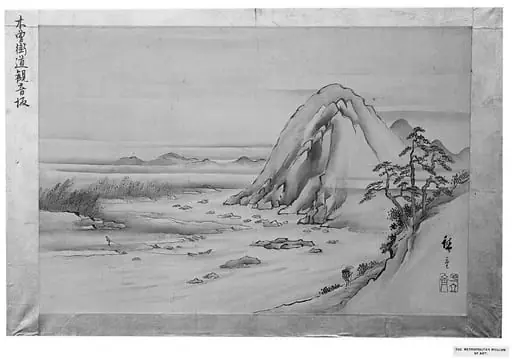
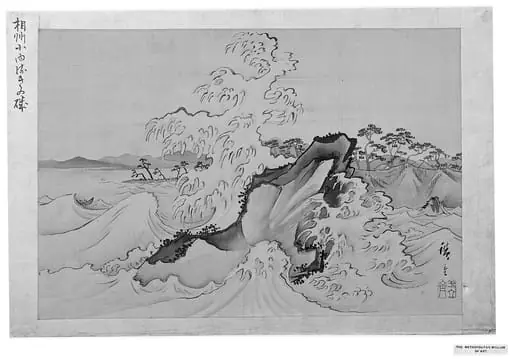
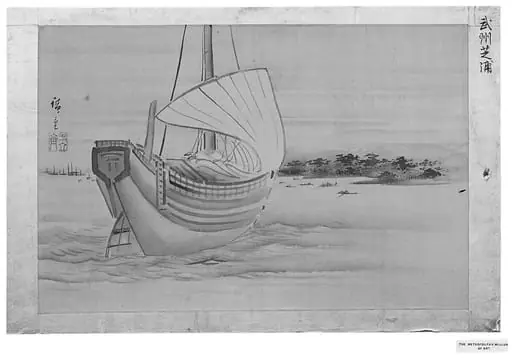
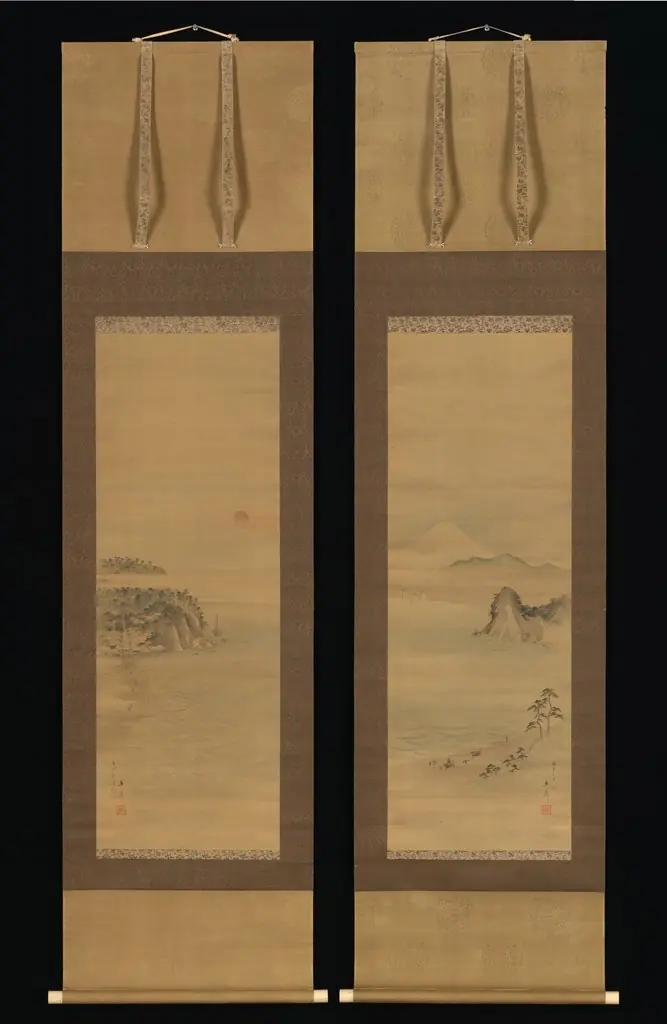
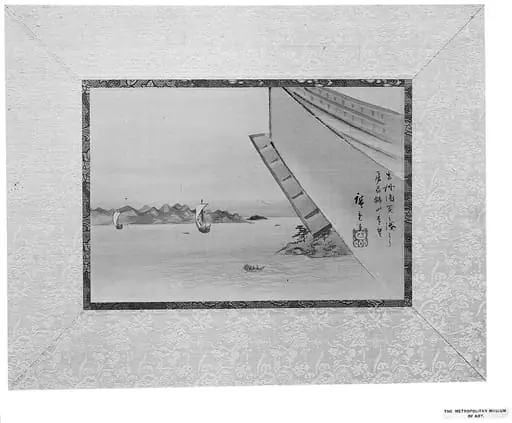
東海道五十三次 白須賀 汐見坂|Shirasuke is an ink print by the Impressionist artist Utagawa Hiroshige. It dates from 1840 and is held in the collection of the Metropolitan Museum of Art.
About this work
Overview
Created around 1840 by Utagawa Hiroshige, this woodblock print is one of fifty-three scenes in the series *The Fifty-three Stations of the Tōkaidō*.
Created around 1840 by Utagawa Hiroshige, this woodblock print is one of fifty-three scenes in the series *The Fifty-three Stations of the Tōkaidō*. It depicts a quiet stretch of the coastal road between Edo and Kyoto, rendered in ink and color on paper. Unlike earlier ukiyo-e works centered on city life, this series emphasizes landscapes and the experience of travel, using a horizontal format to suggest the rhythm of the journey.
Subject & Meaning
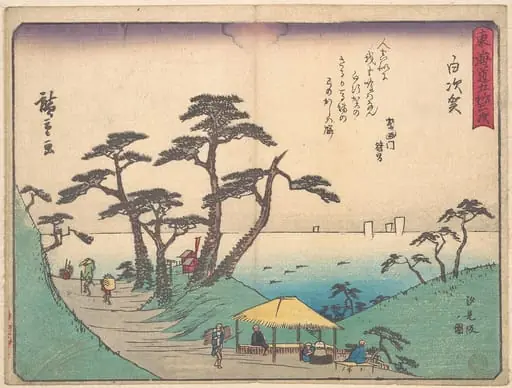
The scene captures the station of Shirasuke, a coastal halt along the Tōkaidō. A winding path climbs a hillside, flanked by sparse vegetation and rocky outcrops, while small figures traverse the road, suggesting the quiet persistence of travelers. Distant boats on deep blue water and a pale sky evoke solitude and the passage of time, reinforcing the theme of movement through nature rather than urban spectacle.
Technique & Style
Hiroshige employed precise woodblock carving and layered color printing to achieve subtle gradations of light and atmosphere. Bold washes of blue and green define the sea and hills, while delicate lines suggest texture in the terrain. The composition uses diagonal recession to guide the eye along the road, and the absence of dramatic action creates a contemplative mood, characteristic of his mature style.
History & Provenance
The print was produced during the peak of Hiroshige’s popularity, as part of a commercially successful series commissioned by the publisher Hoeidō. Original impressions were widely distributed among travelers and urban dwellers, serving as both souvenirs and visual guides. Surviving examples are held in major collections, including the Museum of Fine Arts, Boston, and the British Museum.
Context
The Tōkaidō was Japan’s most important travel route, connecting political and economic centers. As travel became more accessible in the Edo period, landscape prints like this one catered to a growing public interest in regional scenery. Hiroshige’s focus on weather, season, and quiet moments reflected a broader cultural shift toward appreciating nature and the transient beauty of everyday journeys.
Legacy
Hiroshige’s *Tōkaidō* series influenced later generations of artists, including Western Impressionists who admired its compositional clarity and atmospheric effects. The print’s emphasis on landscape over narrative helped redefine ukiyo-e’s scope, establishing travel and nature as legitimate subjects for mass-produced art. Its enduring presence in global collections underscores its role in shaping international perceptions of Japanese visual culture.
Artist & collection
Artist
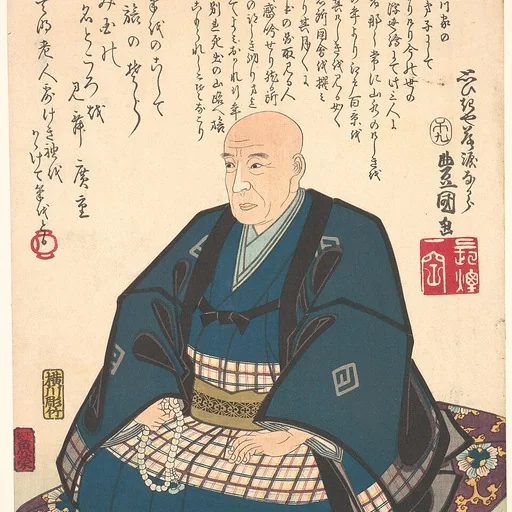
Utagawa Hiroshige (歌川 広重) or Andō Hiroshige (安藤 広重), born Andō Tokutarō (安藤 徳太郎; 1797 – 12 October 1858), was a Japanese ukiyo-e artist, considered the last great master of that tradition.