Artwork
東海道五十三次 庄野|Shono
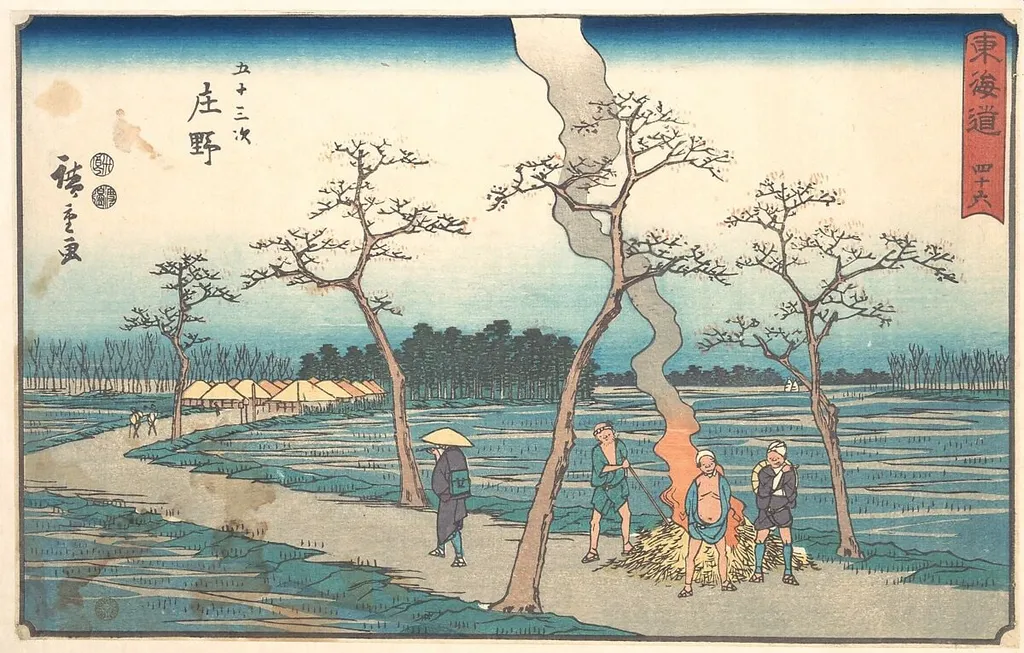
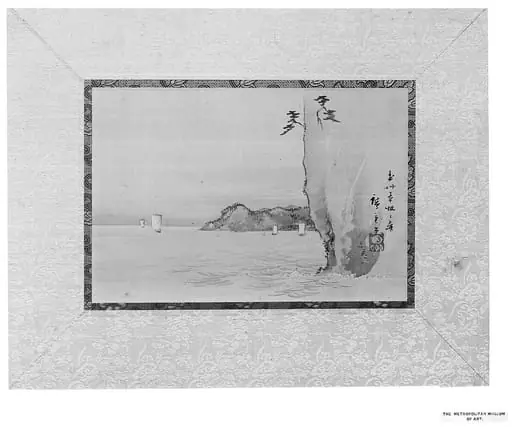
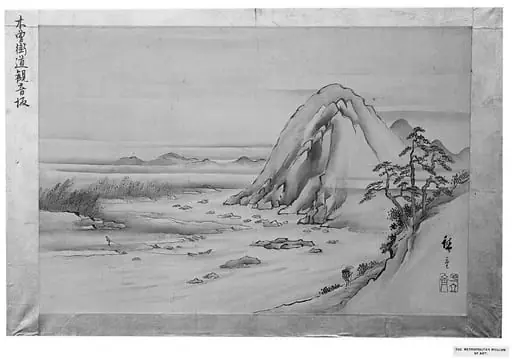
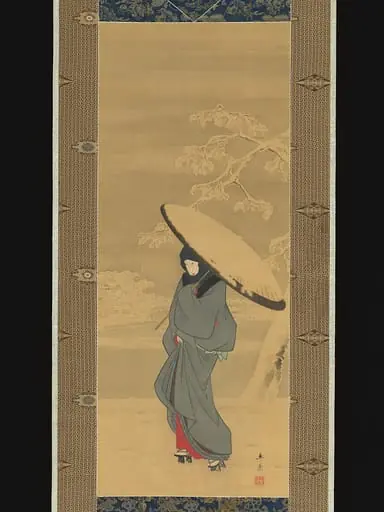
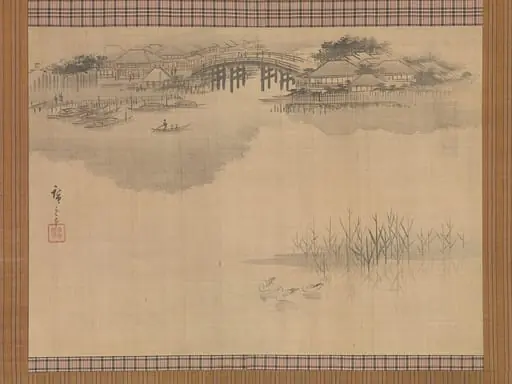
東海道五十三次 庄野|Shono is an ink print by the Romanticist artist Utagawa Hiroshige. It dates from 1840 and is held in the collection of the Metropolitan Museum of Art.
About this work
Overview
Created around 1840 by Utagawa Hiroshige, this woodblock print is one of fifty-three scenes in the series *The Fifty-three Stations of the Tōkaidō*.
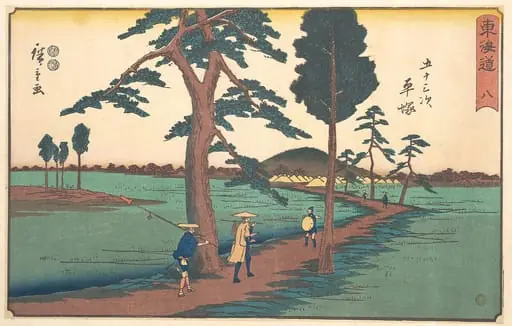
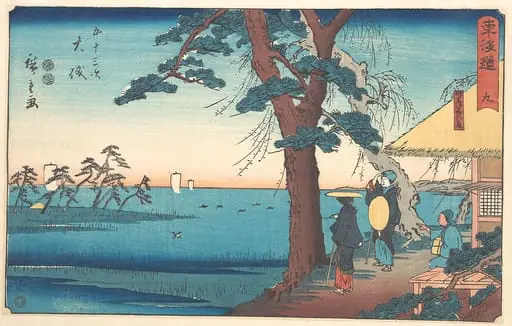
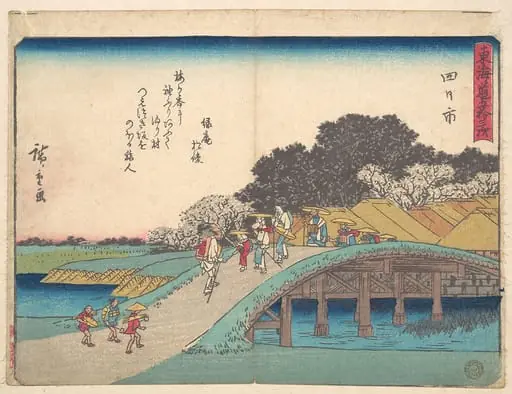
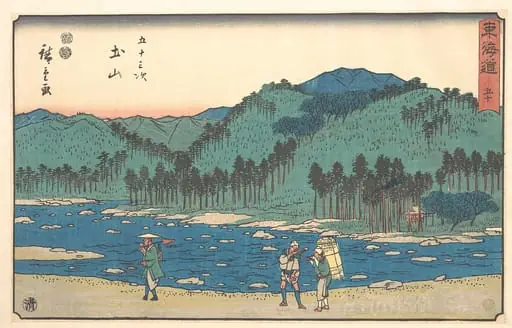
Created around 1840 by Utagawa Hiroshige, this woodblock print is one of fifty-three scenes in the series *The Fifty-three Stations of the Tōkaidō*. It captures a quiet moment along the historic road connecting Edo and Kyoto. Unlike many ukiyo-e works centered on urban entertainment, Hiroshige turned his focus to the natural world and the rhythms of travel, using printmaking to convey mood rather than spectacle.
Subject & Meaning
The scene depicts a desolate stretch of road after rain, with flooded fields and bare trees under a muted sky. A solitary traveler moves along the path, while three figures gather near a small fire for warmth. The image suggests isolation and endurance, reflecting the physical and emotional toll of long-distance travel in Edo-period Japan. The fire’s faint glow offers a fragile contrast to the chill, hinting at human resilience amid nature’s indifference.
Technique & Style
Hiroshige employed delicate color gradations and restrained palettes of blue, gray, and pale ochre to evoke damp air and atmospheric depth. The ink lines are precise yet soft, defining twisted branches and distant huts without sharp definition. The fire’s warm orange is the only intentional deviation from the cool tones, drawing the eye and emphasizing the scene’s emotional quiet. His use of perspective and scale enhances the sense of solitude and vastness.
History & Provenance
The print was produced during the peak of Hiroshige’s career, as part of a commercially successful series commissioned by the publisher Hoeido. Woodblock prints like this were widely distributed, making landscape imagery accessible beyond elite circles. While original impressions from the 1840s are rare, later reprints circulated throughout Japan and later abroad, contributing to the global appreciation of Japanese printmaking in the 19th century.
Context
The Tōkaidō was the most traveled road in Japan, lined with post stations for travelers, merchants, and officials. Hiroshige’s series documented these stops not as bustling hubs but as moments of pause—often in rain, snow, or dawn. His focus on weather and season aligned with contemporary literary and poetic traditions that valued transience and quiet observation, offering a contemplative counterpoint to the era’s urban dynamism.
Legacy
Hiroshige’s *Tōkaidō* series influenced later Western artists, including the Impressionists, who admired his compositional simplicity and sensitivity to light. In Japan, the prints helped redefine ukiyo-e as a vehicle for landscape and emotion, not just portraiture or theater. Today, these works remain key examples of how printmaking could convey both geographic detail and profound stillness, shaping how nature is visually interpreted in global art history.
Artist & collection
Artist
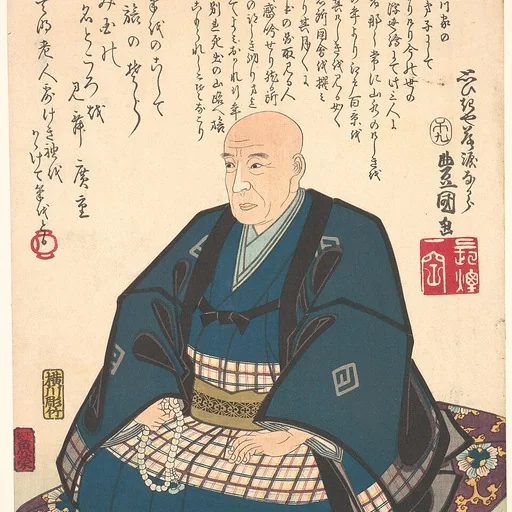
Utagawa Hiroshige (歌川 広重) or Andō Hiroshige (安藤 広重), born Andō Tokutarō (安藤 徳太郎; 1797 – 12 October 1858), was a Japanese ukiyo-e artist, considered the last great master of that tradition.