Artwork
東海道五十三次 平塚|Hiratsuka
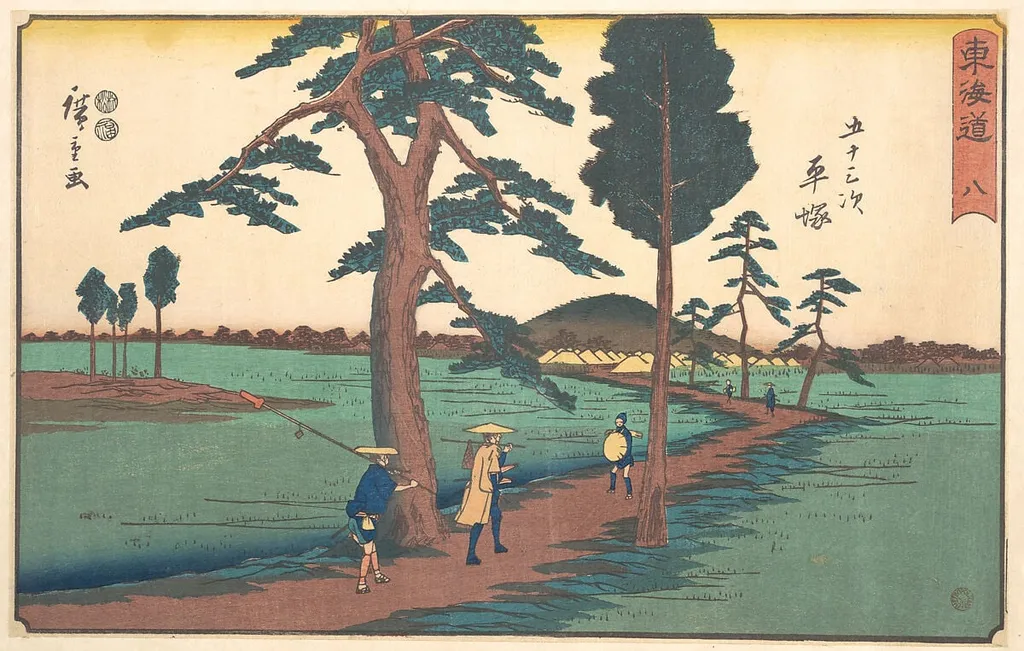
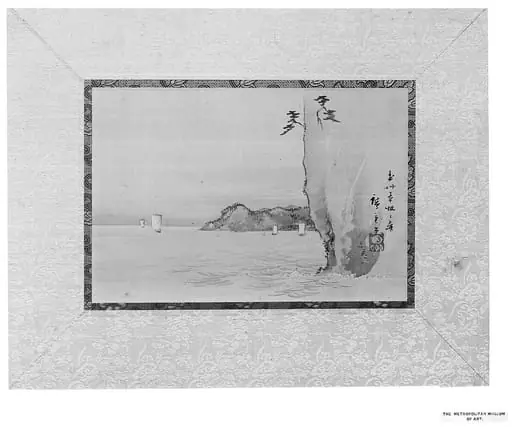
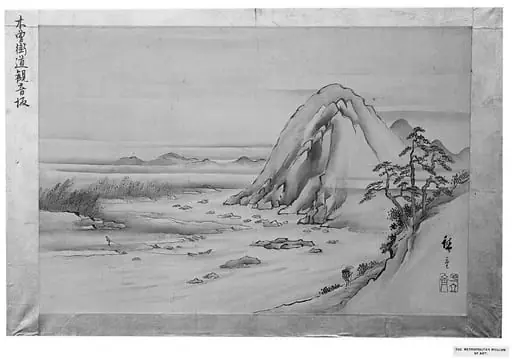
東海道五十三次 平塚|Hiratsuka is an ink print by the Romanticist artist Utagawa Hiroshige. It dates from 1840 and is held in the collection of the Metropolitan Museum of Art.
About this work
Overview
Hiratsuka is a woodblock print from Utagawa Hiroshige's *The Fifty-three Stations of the Tōkaidō* series, created circa 1840. It exemplifies Hiroshige's shift in ukiyo-e from urban themes to serene, natural landscapes.
Subject & Meaning
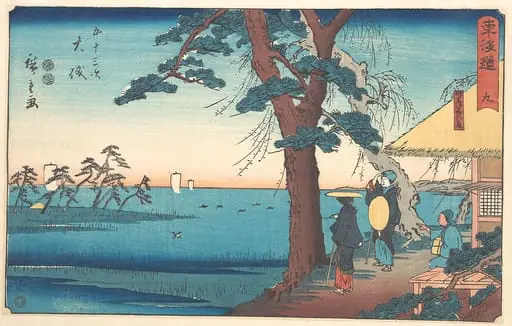
The print depicts a peaceful riverside moment along the Tōkaidō route. Three figures walk along a path, dwarfed by towering pine trees, suggesting a emphasis on nature's prominence over human presence.
Technique & Style
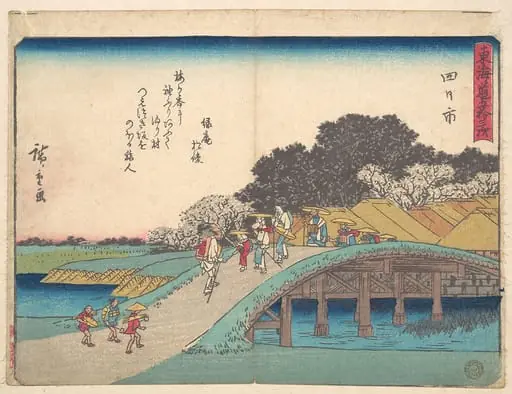
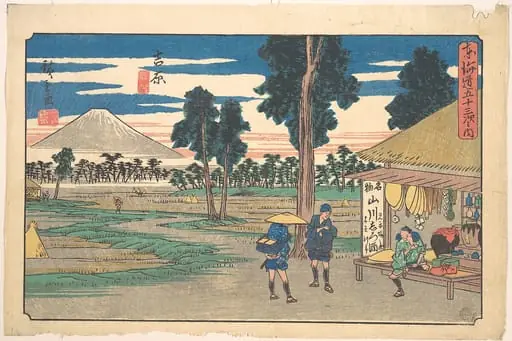
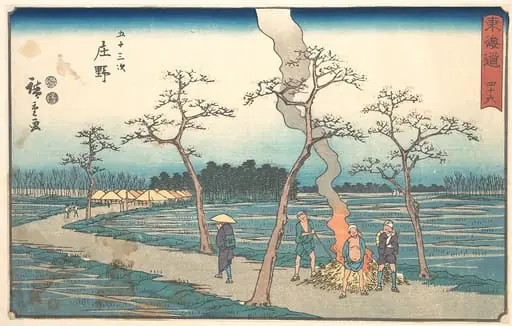
Characterized by Hiroshige's distinctive blend of observation and poetic atmosphere, the work features simple shapes, bright yet muted colors (notably dark green and light blue-green), and employs cross-hatching techniques to achieve depth and texture.
History & Provenance
Created around 1840 by Utagawa Hiroshige, a renowned late Edo period ukiyo-e artist, as part of his acclaimed landscape series.
Context
Reflecting the late Edo period's aesthetic tastes, *Hiratsuka* embodies the era's appreciation for natural beauty and the artist's innovative approach to landscape depiction in ukiyo-e.
Legacy
*Hiratsuka* contributes to Hiroshige's lasting influence on landscape art, both within Japan and internationally, showcasing his ability to evoke tranquility through composition and color.
Artist & collection
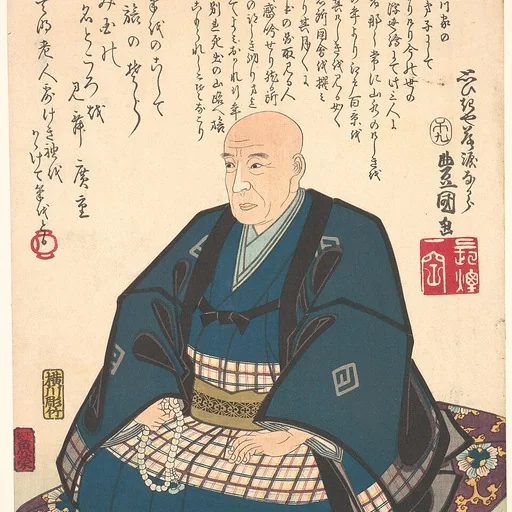
Artist
Utagawa Hiroshige (歌川 広重) or Andō Hiroshige (安藤 広重), born Andō Tokutarō (安藤 徳太郎; 1797 – 12 October 1858), was a Japanese ukiyo-e artist, considered the last great master of that tradition.