Artwork
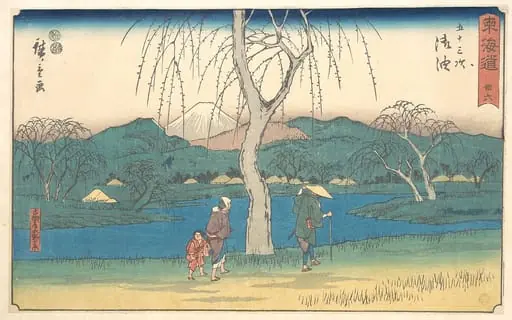
東海道五十三次 大磯 鴫立沢西行庵|Ōiso
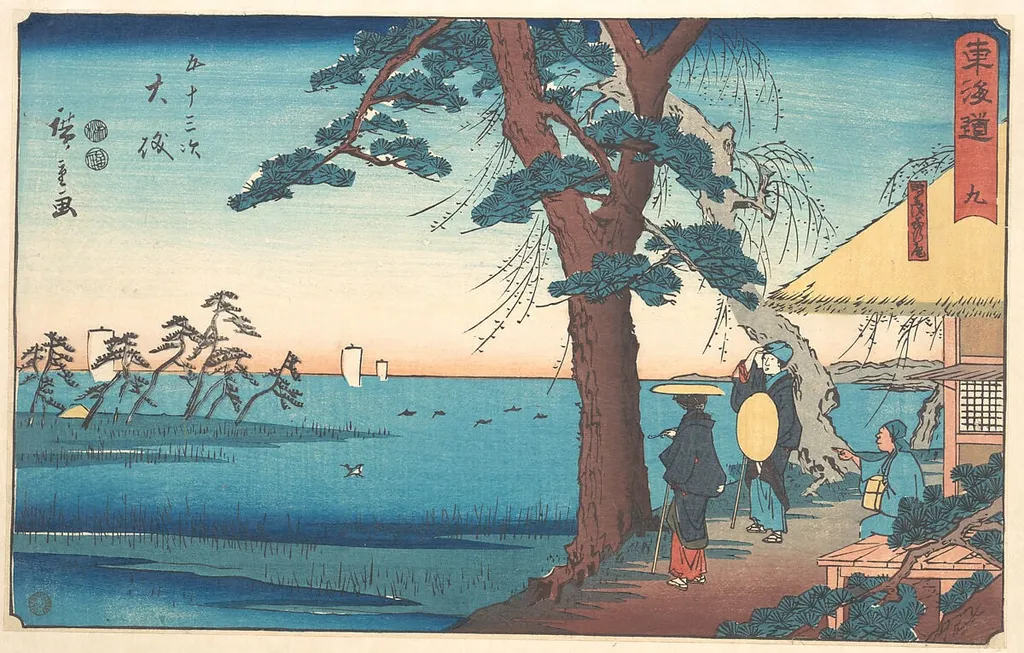
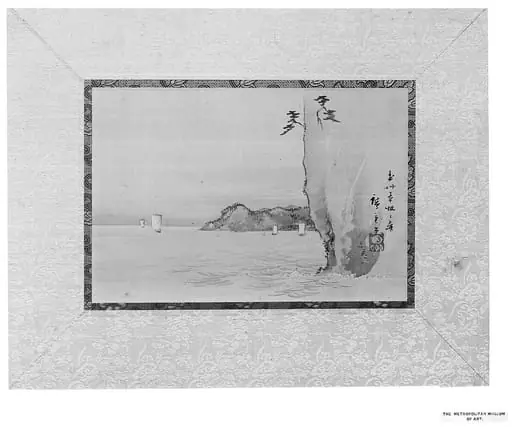
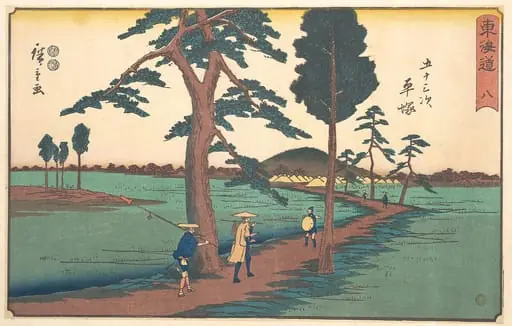
東海道五十三次 大磯 鴫立沢西行庵|Ōiso is an ink print by the Romanticist artist Utagawa Hiroshige. It dates from 1840 and is held in the collection of the Metropolitan Museum of Art.
About this work
Overview
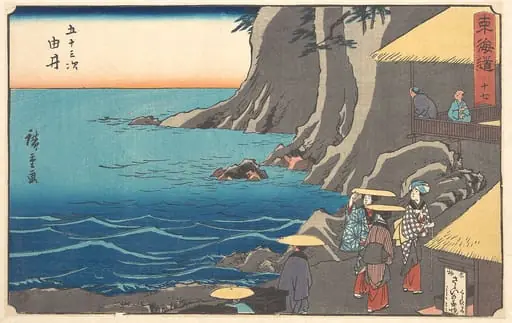
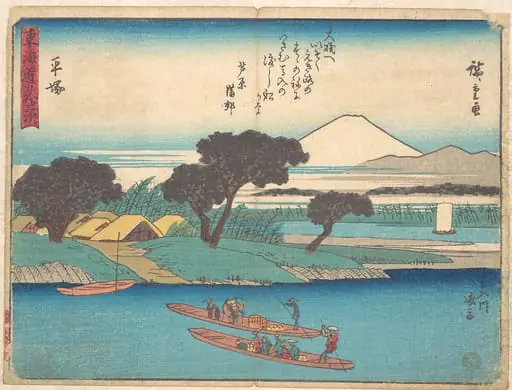
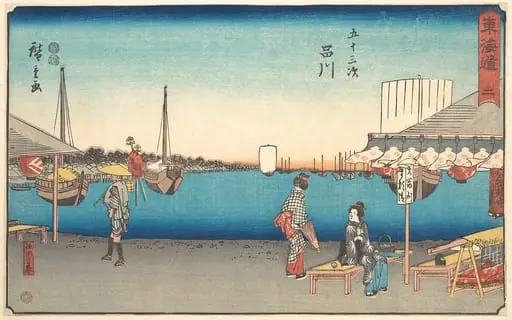
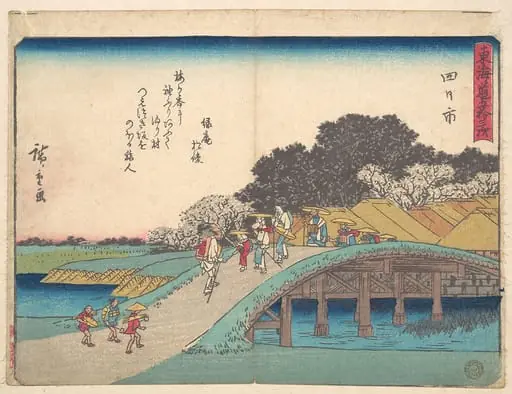
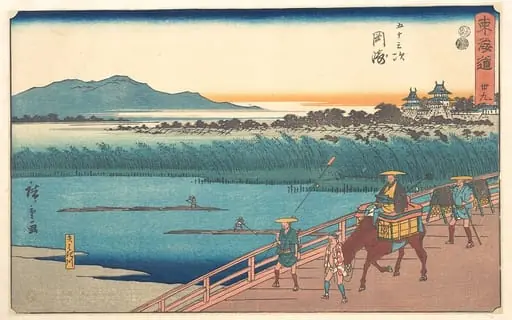
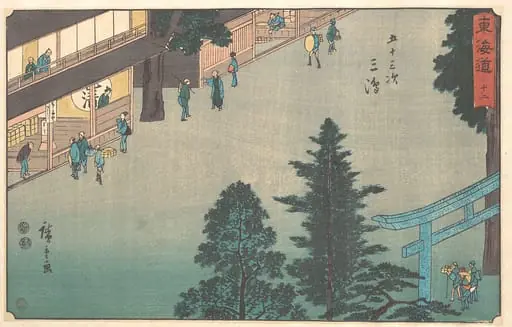
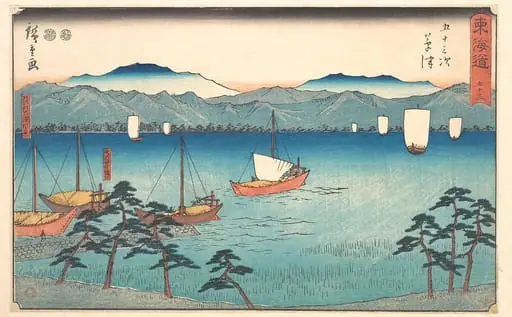
Created around 1840 by Utagawa Hiroshige, this woodblock print is one of fifty-three scenes in the series *The Fifty-three Stations of the Tōkaidō*.
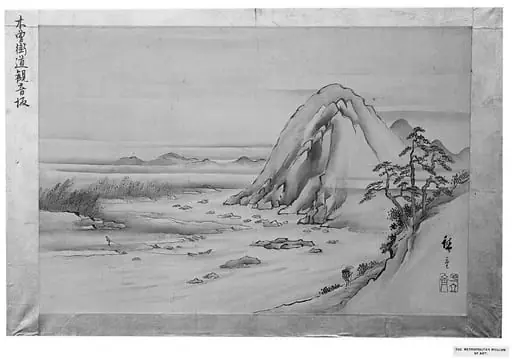
Created around 1840 by Utagawa Hiroshige, this woodblock print is one of fifty-three scenes in the series *The Fifty-three Stations of the Tōkaidō*. It portrays the coastal station of Ōiso along the historic road connecting Edo and Kyoto. Unlike earlier ukiyo-e works focused on urban life, Hiroshige turned to landscapes, capturing the quiet rhythms of travel and nature. The composition is horizontal, aligning with the series’ standardized format and emphasizing the vastness of the journey.
Subject & Meaning
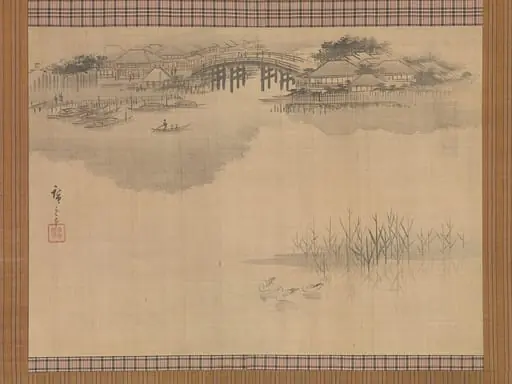
The scene centers on a large, gnarled tree leaning over a stretch of water, its branches extending toward the shore. A small structure, possibly a rest house or hermitage, appears in the distance. Figures in traditional attire—some with parasols—pause near the tree, suggesting a moment of rest during travel. The imagery evokes solitude and transience, themes common in Japanese aesthetics, and subtly references the poet Saigyō, who once dwelled nearby, linking the place to literary memory.
Technique & Style
Hiroshige employed fine, controlled lines and layered washes of muted blue, green, and gray to suggest atmosphere rather than detail. The ink and color were applied through woodblock printing, allowing subtle gradations in tone. Light is rendered through soft contrasts, not sharp shadows, creating a hazy, contemplative mood. The delicate brushwork in the foliage and water reflects a sensitivity to natural forms, characteristic of Hiroshige’s mature style and his departure from bold, theatrical compositions.
History & Provenance
The print was produced during the late Edo period as part of a commercially successful series commissioned by the publisher Hoeidō. It was widely distributed, helping to popularize landscape prints among urban audiences. Original impressions were printed in limited runs, and surviving examples are held in major museum collections, including the British Museum and the Metropolitan Museum of Art. Its enduring presence reflects its role in shaping Western perceptions of Japanese art in the 19th century.
Context
The Tōkaidō was the most traveled road in Japan, used by merchants, pilgrims, and samurai. Each station was a named stop with cultural or geographic significance. Ōiso, known for its scenic coastline and association with the poet Saigyō, was a place of quiet reflection. Hiroshige’s depiction aligns with a broader Edo-period interest in pilgrimage routes and the emotional resonance of place, blending topography with literary allusion to deepen the viewer’s connection to the landscape.
Legacy
Hiroshige’s *Tōkaidō* series influenced generations of artists, both in Japan and abroad. Its emphasis on mood, seasonal change, and everyday travel helped redefine landscape as a subject worthy of artistic focus. In the West, these prints inspired Impressionist and Post-Impressionist painters, contributing to the rise of Japonisme. Today, the series remains a touchstone for understanding how Japanese artists transformed the ordinary into the contemplative, offering a quiet counterpoint to the dynamism of urban life.
Artist & collection
Artist
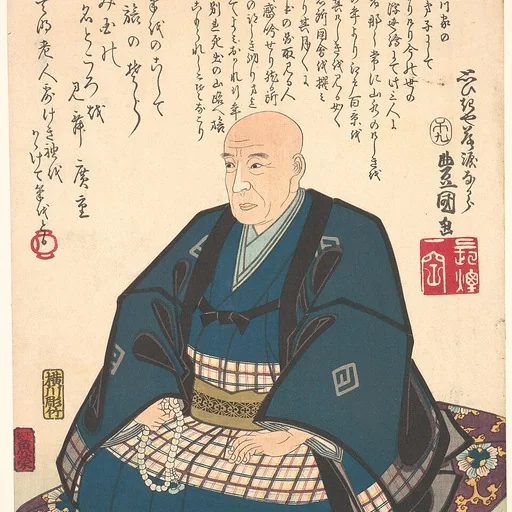
Utagawa Hiroshige (歌川 広重) or Andō Hiroshige (安藤 広重), born Andō Tokutarō (安藤 徳太郎; 1797 – 12 October 1858), was a Japanese ukiyo-e artist, considered the last great master of that tradition.