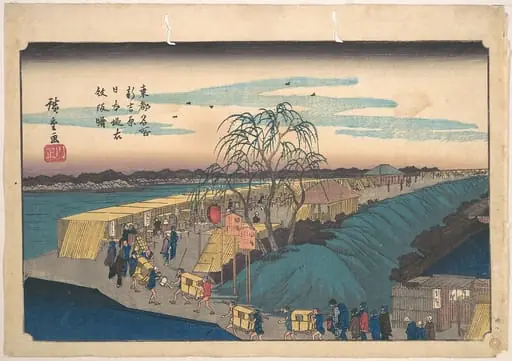
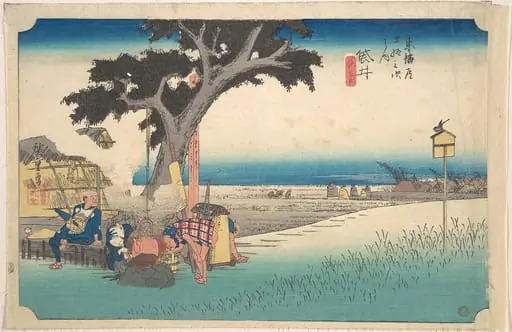
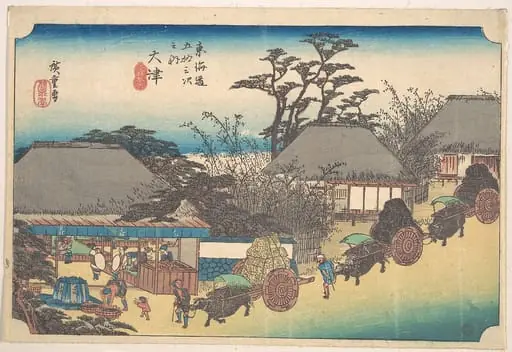
Artwork
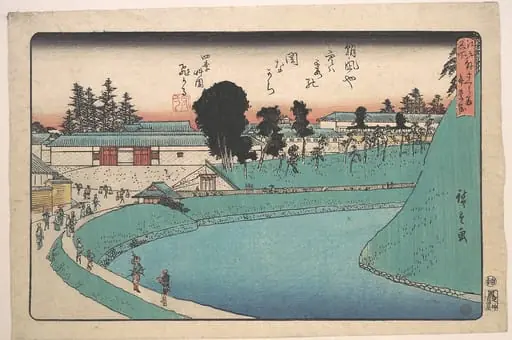
東都名所 外桜田弁慶桜の井|Soto Sakurada, Benkei Bori, Sakura-no-i
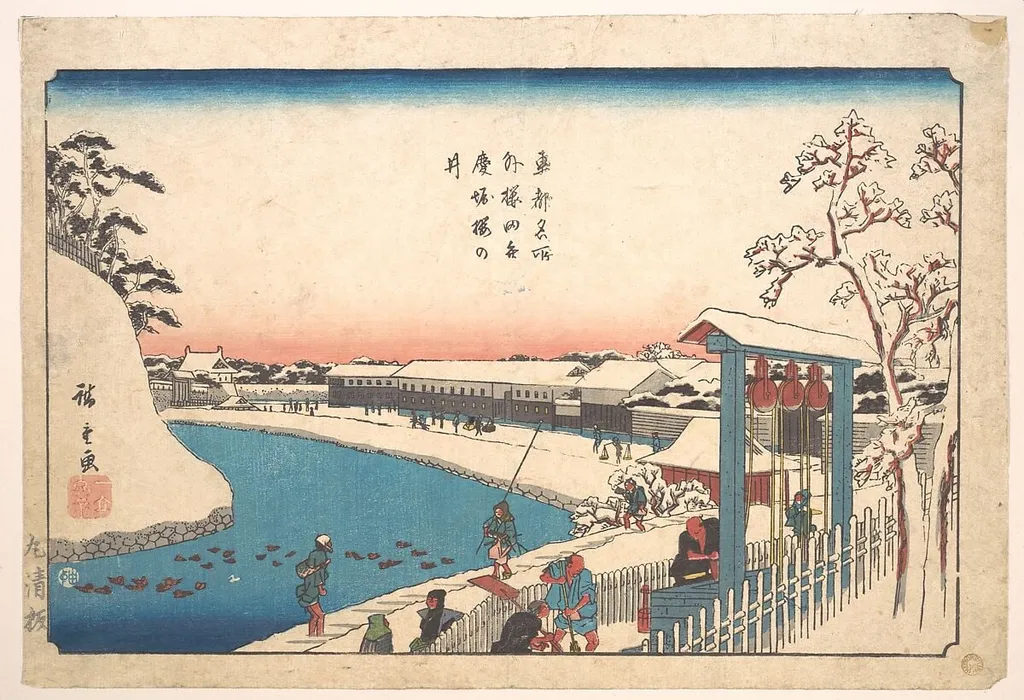
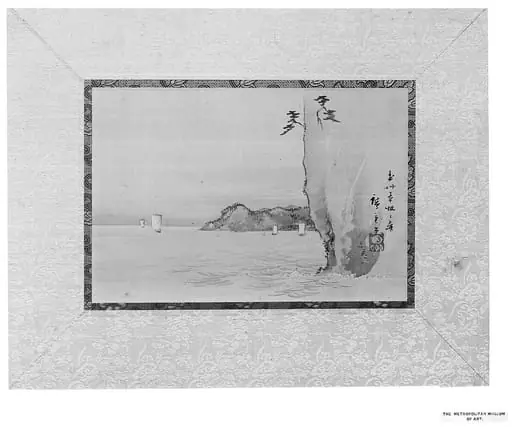
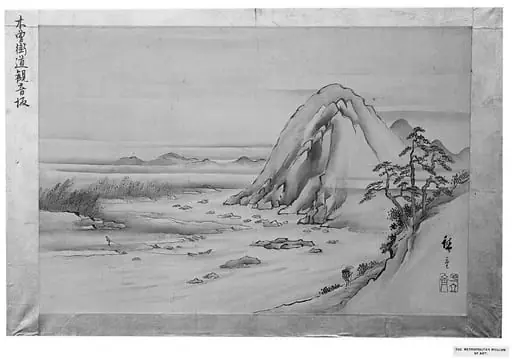
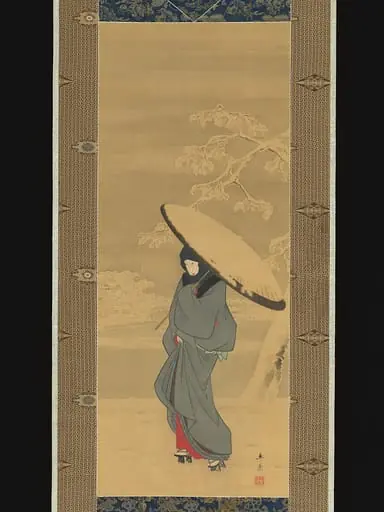
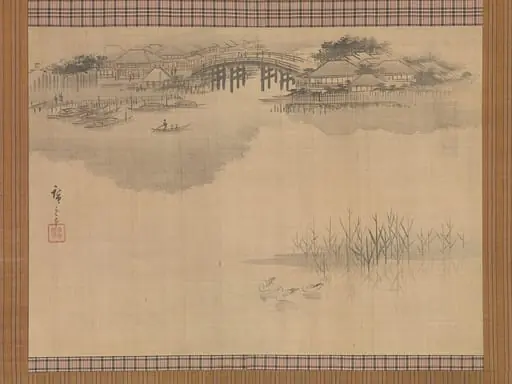
東都名所 外桜田弁慶桜の井|Soto Sakurada, Benkei Bori, Sakura-no-i is an ink print by the Romanticist artist Utagawa Hiroshige. It dates from 1842 and is held in the collection of the Metropolitan Museum of Art.
About this work
Overview
It exemplifies Hiroshige’s shift from traditional ukiyo-e themes like actors and courtesans to serene, everyday landscapes.
Created around 1842 by Utagawa Hiroshige, this woodblock print is part of a series depicting famous sites in Edo. It exemplifies Hiroshige’s shift from traditional ukiyo-e themes like actors and courtesans to serene, everyday landscapes. The vertical format and attention to seasonal atmosphere reflect his mature style, aligning with his later works that emphasized quiet observation over dramatic narrative.
Subject & Meaning
The scene captures a winter riverside at Soto Sakurada, a known location in Edo, centered on a covered well beneath a bare tree, marked by red lanterns. Figures in modest attire move along the bank, suggesting ordinary life amid natural stillness. The well, associated with the legendary warrior Benkei, ties the site to local lore, grounding the landscape in cultural memory while evoking solitude and the passage of time.
Technique & Style
Hiroshige employed fine woodblock carving and layered pigments to achieve subtle gradations in the sky and water. Deep indigo hues define the river, while vivid red lanterns contrast against muted snow and gray rooftops. The composition uses diagonal recession and minimal detail to suggest depth, with careful ink lines defining architectural forms and the delicate texture of bare branches.
History & Provenance
The print was produced during Hiroshige’s peak period of landscape series production, shortly after the success of his 'Fifty-Three Stations of the Tōkaidō.' It entered The Metropolitan Museum of Art’s collection as part of a broader acquisition of Edo-period prints, reflecting early 20th-century Western interest in Japanese printmaking and its influence on modern art.
Context
In the 1840s, Edo’s growing urban population fueled demand for affordable, portable images of familiar places. Hiroshige’s prints catered to this trend, offering residents and travelers visual souvenirs of local landmarks. This work reflects a cultural moment when nature and urban life were increasingly intertwined in popular imagination, even in winter’s quietude.
Legacy
Hiroshige’s focus on atmospheric landscapes influenced later Japanese and European artists, including Impressionists who admired his use of color and composition. This print, like others in the series, helped redefine ukiyo-e as a medium for poetic observation rather than spectacle, securing its place in global art history as a quiet but enduring record of everyday Edo life.
Artist & collection
Artist
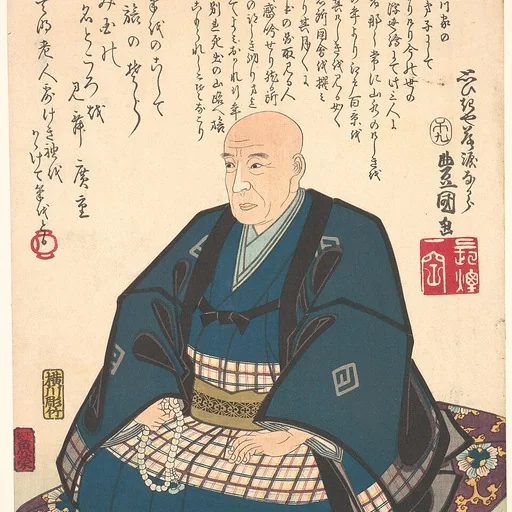
Utagawa Hiroshige (歌川 広重) or Andō Hiroshige (安藤 広重), born Andō Tokutarō (安藤 徳太郎; 1797 – 12 October 1858), was a Japanese ukiyo-e artist, considered the last great master of that tradition.