Artwork
東海道五十三次 由井 由井川|Yui
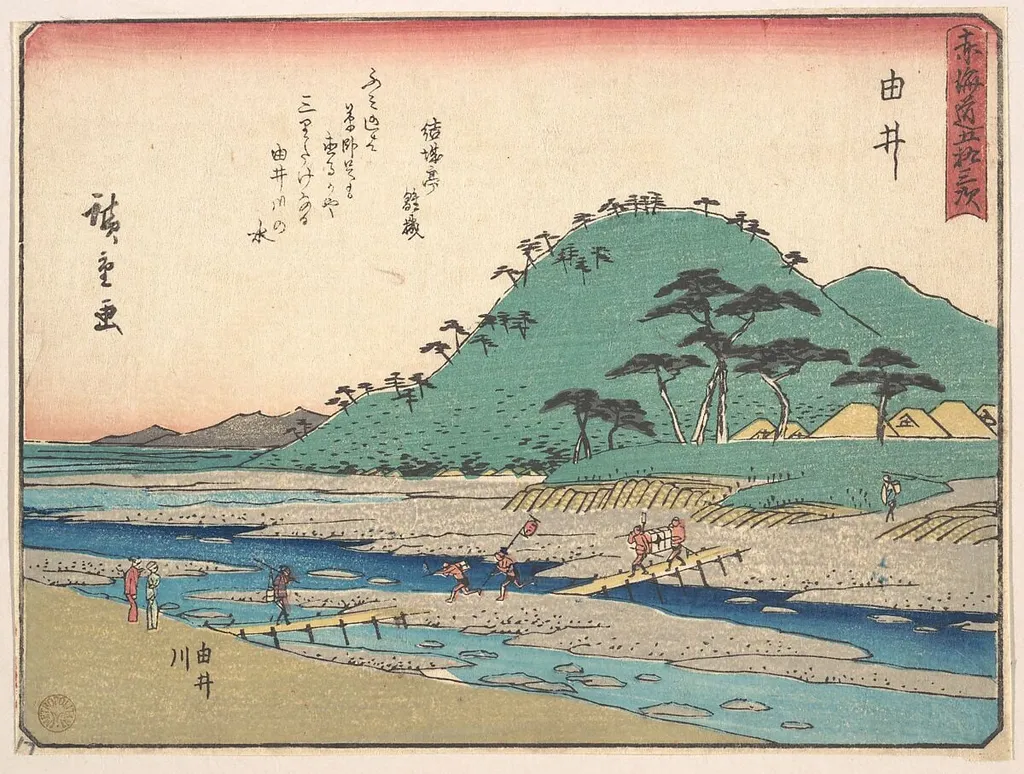
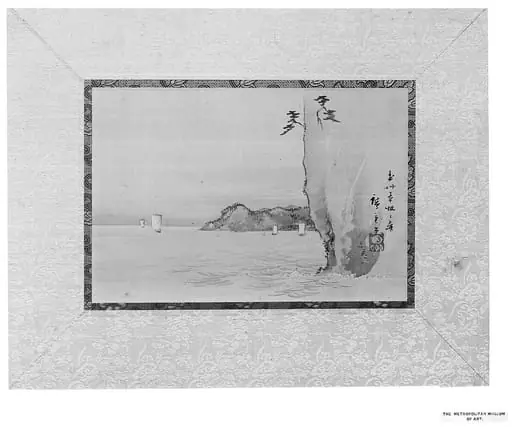
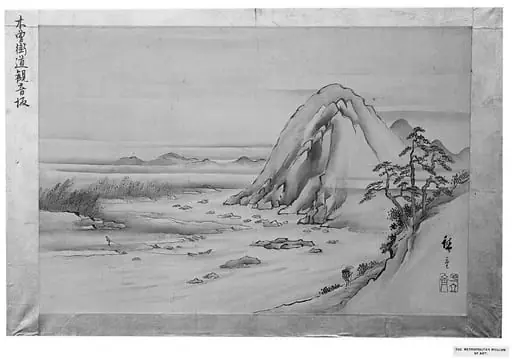
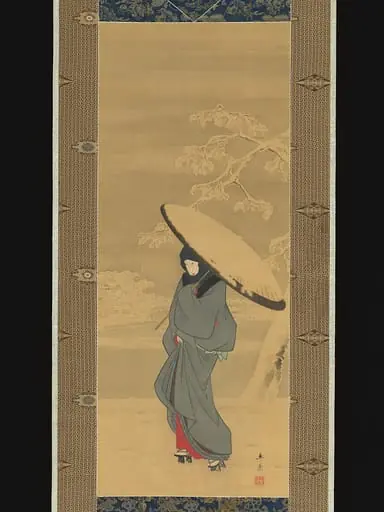
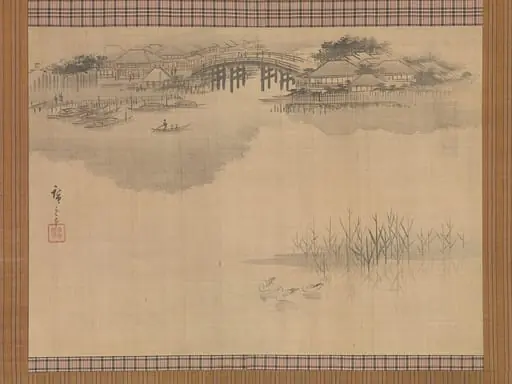
東海道五十三次 由井 由井川|Yui is an ink print by the Romanticist artist Utagawa Hiroshige. It dates from 1838 and is held in the collection of the Metropolitan Museum of Art.
About this work
Overview
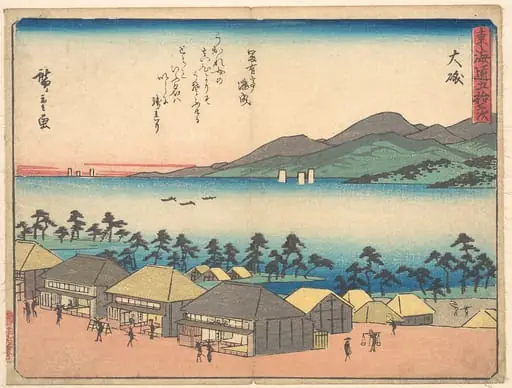
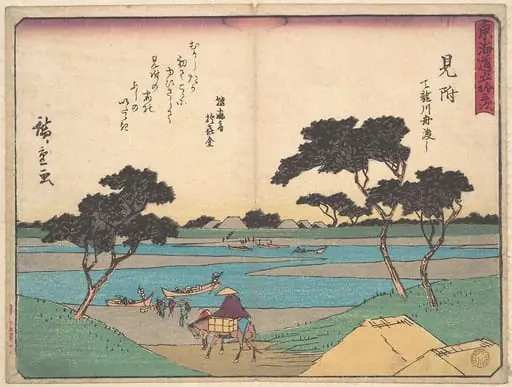
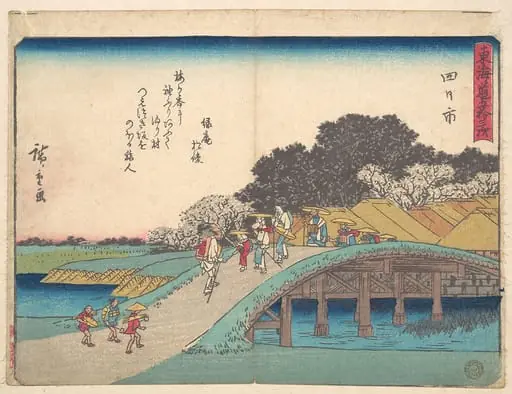
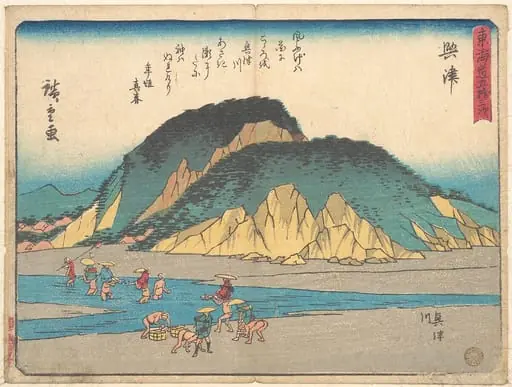
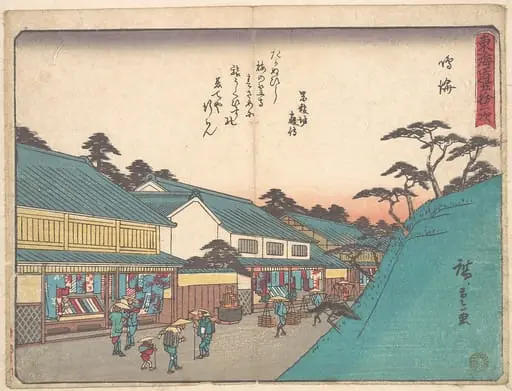
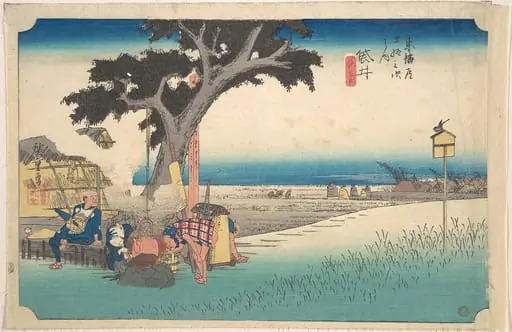
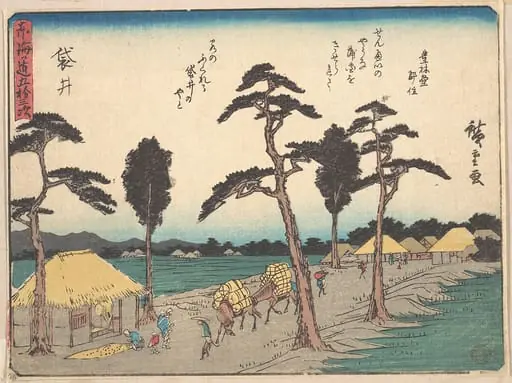
Created around 1838 by Utagawa Hiroshige, this woodblock print is one of fifty-three scenes in the series *The Fifty-three Stations of the Tōkaidō*.
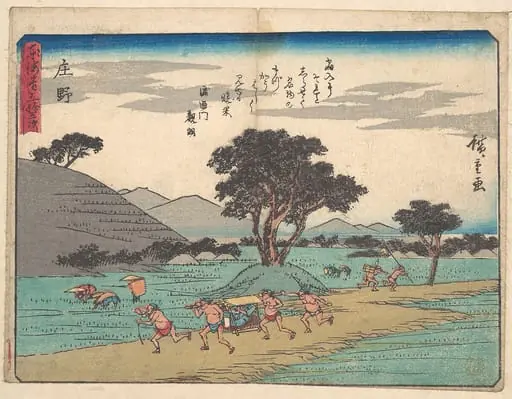
Created around 1838 by Utagawa Hiroshige, this woodblock print is one of fifty-three scenes in the series *The Fifty-three Stations of the Tōkaidō*. It depicts the Yui post station along the major coastal road connecting Edo and Kyoto. Unlike many ukiyo-e works centered on urban life, Hiroshige focused on the quiet rhythms of travel and landscape, capturing the natural world with subtle emotional resonance.
Subject & Meaning
The scene shows travelers crossing a narrow bridge over a winding river, with figures gathered along its banks. The quiet activity suggests a moment of pause in a longer journey. Rolling hills and distant mountains frame the composition, evoking the passage of time and the solitude inherent in travel. The absence of grandeur or spectacle invites contemplation of everyday movement through the landscape.
Technique & Style
Hiroshige employed fine woodblock carving and delicate hand-coloring to render subtle gradations of tone. Muted blues, greens, and browns dominate, enhancing the atmospheric mood. The water’s ripples, tree textures, and soft shadows are rendered with precision, using layered printing to suggest depth without heavy contrast. The composition balances horizontal bands of land, water, and sky, guiding the eye along the road’s curve.
History & Provenance
The print was produced during the late Edo period as part of a commercially successful series commissioned by the publisher Hoeido. It was widely distributed among middle-class travelers and collectors, reflecting growing interest in pilgrimage and scenic routes. Original impressions are now held in major museum collections, including the Museum of Fine Arts, Boston, and the British Museum.
Context
The Tōkaidō was the most traveled road in Japan, lined with post stations that served travelers and officials. Hiroshige’s series documented these stops not as bustling hubs but as quiet, seasonal moments. His approach aligned with a broader cultural shift toward appreciating nature and transient beauty, resonating with contemporary poetic traditions like haiku and travel literature.
Legacy
Hiroshige’s *Tōkaidō* series influenced later Western artists, including the Impressionists and Post-Impressionists, who admired its compositional clarity and atmospheric effects. While rooted in Japanese printmaking traditions, the work’s emphasis on mood and landscape helped redefine how nature could be represented in visual art, leaving a lasting imprint on global print and painting practices.
Artist & collection
Artist
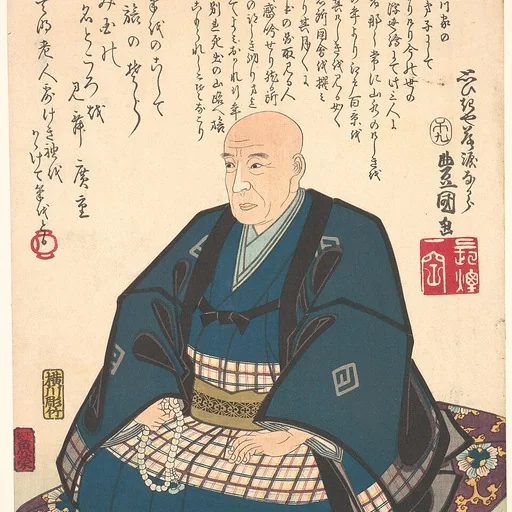
Utagawa Hiroshige (歌川 広重) or Andō Hiroshige (安藤 広重), born Andō Tokutarō (安藤 徳太郎; 1797 – 12 October 1858), was a Japanese ukiyo-e artist, considered the last great master of that tradition.