Artwork
東都名所 日本橋の白雨|Sunshower at Nihonbashi
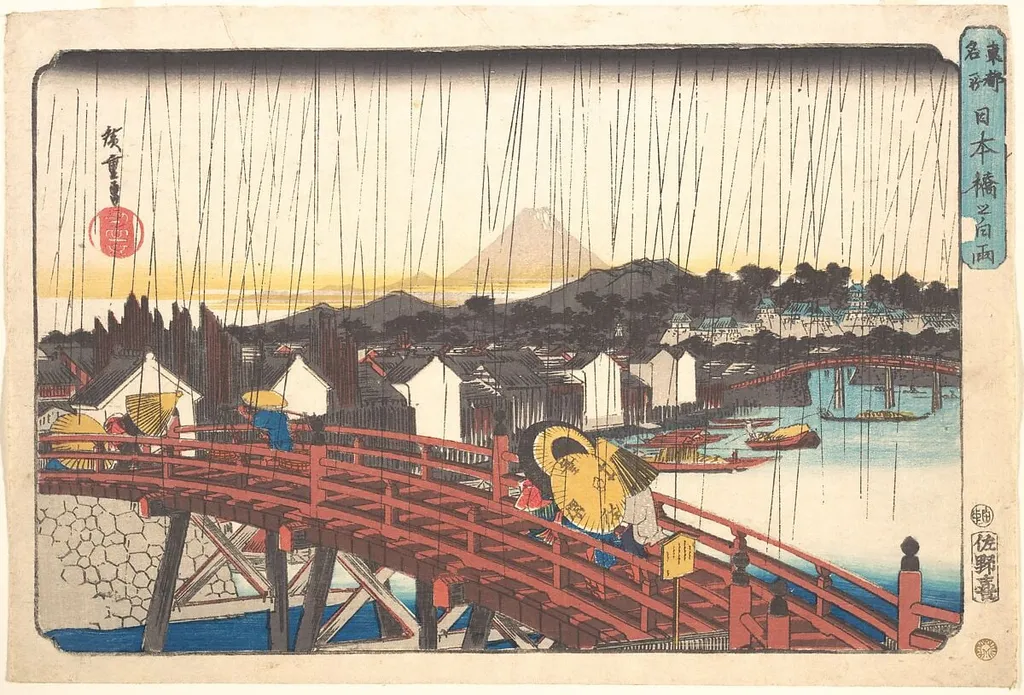
東都名所 日本橋の白雨|Sunshower at Nihonbashi is an ink print by the Romanticist artist Utagawa Hiroshige. It dates from 1834 and is held in the collection of the Metropolitan Museum of Art.
About this work
Overview
Created in 1834, this woodblock print by Utagawa Hiroshige captures a brief summer rain over Nihonbashi, the iconic red bridge of Edo. The scene shows pedestrians crossing the bridge, some sheltering beneath yellow umbrellas, while the town’s tiled roofs and distant hills recede into a misty atmosphere, highlighted by a looming mountain in the background.
Subject & Meaning
The composition focuses on the fleeting moment of a sunshower, emphasizing the interplay of rain and light that characterizes urban life in Edo. By portraying ordinary travelers and the bridge’s everyday function, Hiroshige invites viewers to contemplate the transitory nature of weather and the rhythm of city movement.
Technique & Style
Executed with traditional ukiyo‑e woodblock methods, the print combines black ink outlines with layered pigments to render subtle gradations of sky and water. Hiroshige’s use of cool blues for the rain contrasts with the warm reds and yellows of the bridge and umbrellas, creating depth through overlapping planes and atmospheric perspective.
History & Provenance
The work belongs to Hiroshige’s series of landscape prints that expanded ukiyo‑e beyond its usual focus on actors and courtesans. It entered the collection of The Metropolitan Museum of Art, where it remains a representative example of the artist’s mature period and the late Edo print tradition.
Context
Produced during a time when Edo’s bustling streets and waterways were popular subjects, the print reflects the city’s modernization and the growing public interest in everyday scenery. Hiroshige’s emphasis on weather effects aligns with contemporary Romantic sensibilities, highlighting nature’s influence on urban experience.
Artist & collection
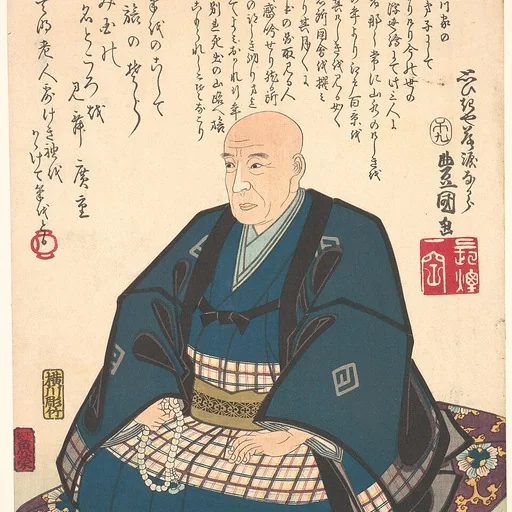
Artist
Utagawa Hiroshige (歌川 広重) or Andō Hiroshige (安藤 広重), born Andō Tokutarō (安藤 徳太郎; 1797 – 12 October 1858), was a Japanese ukiyo-e artist, considered the last great master of that tradition.

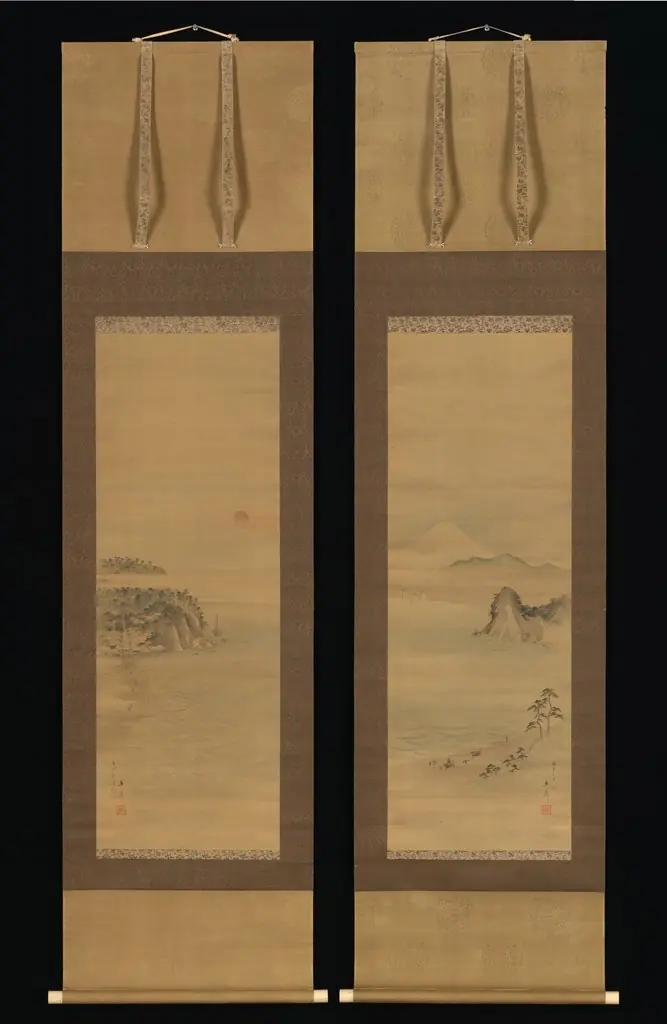
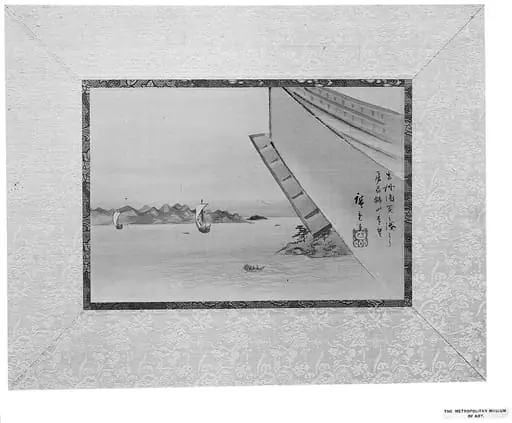
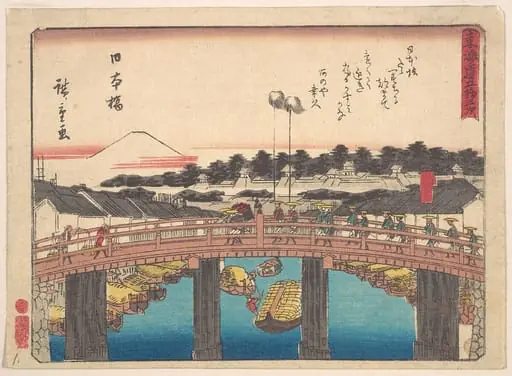 東海道五十三次 日本橋|Nihon Bashi
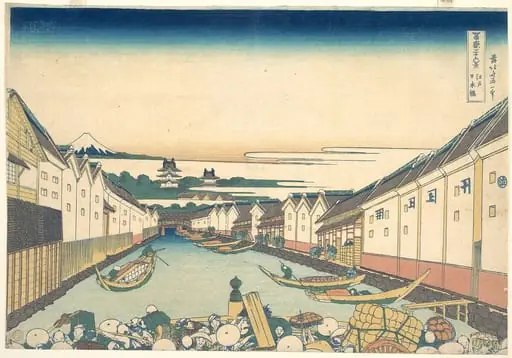 冨嶽三十六景 江戸日本橋|Nihonbashi in Edo (Edo Nihonbashi), from the series Thirty-six Views of Mount Fuji (Fugaku sanjūrokkei)
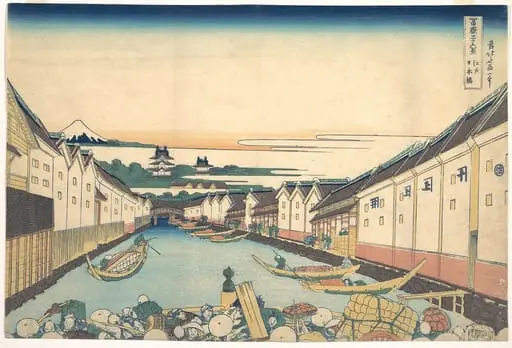 冨嶽三十六景 江戸日本橋|Nihonbashi in Edo (Edo Nihonbashi), from the series Thirty-six Views of Mount Fuji (Fugaku sanjūrokkei)
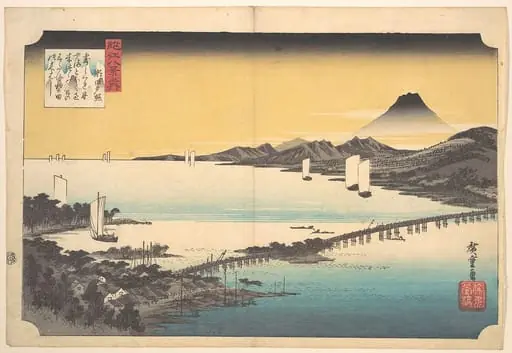 近江八景之内 瀬田夕照|Sunset at Seta
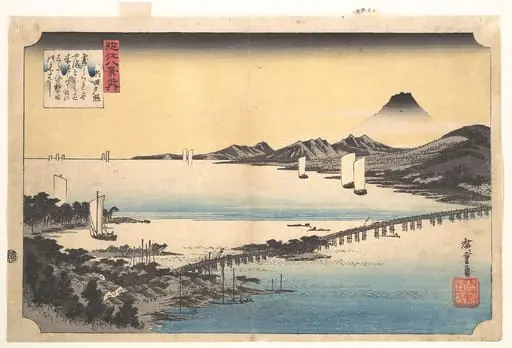 歌川広重画 近江八景の内 瀬田夕照|Sunset Glow at Seta (Seta sekishō), from the series Eight Views of Ōmi Province (Ōmi hakkei)
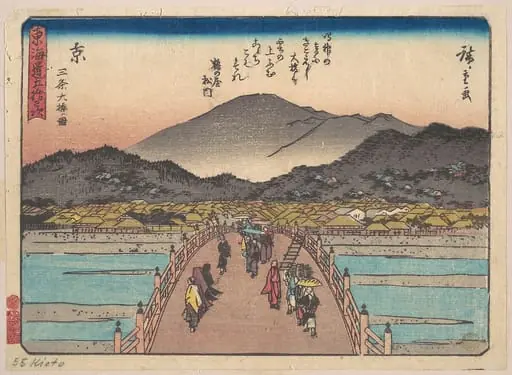 東海道五十三次 京 三条大橋図|Kyoto: Sanju Ohashi no zu.
 葛飾北斎画 冨嶽三十六景 深川万年橋下|Under the Mannen Bridge at Fukagawa (Fukagawa Mannenbashi shita), from the series Thirty-six Views of Mount Fuji (Fugaku sanjūrokkei)