Artwork
近江八景之内 瀬田夕照|Sunset at Seta
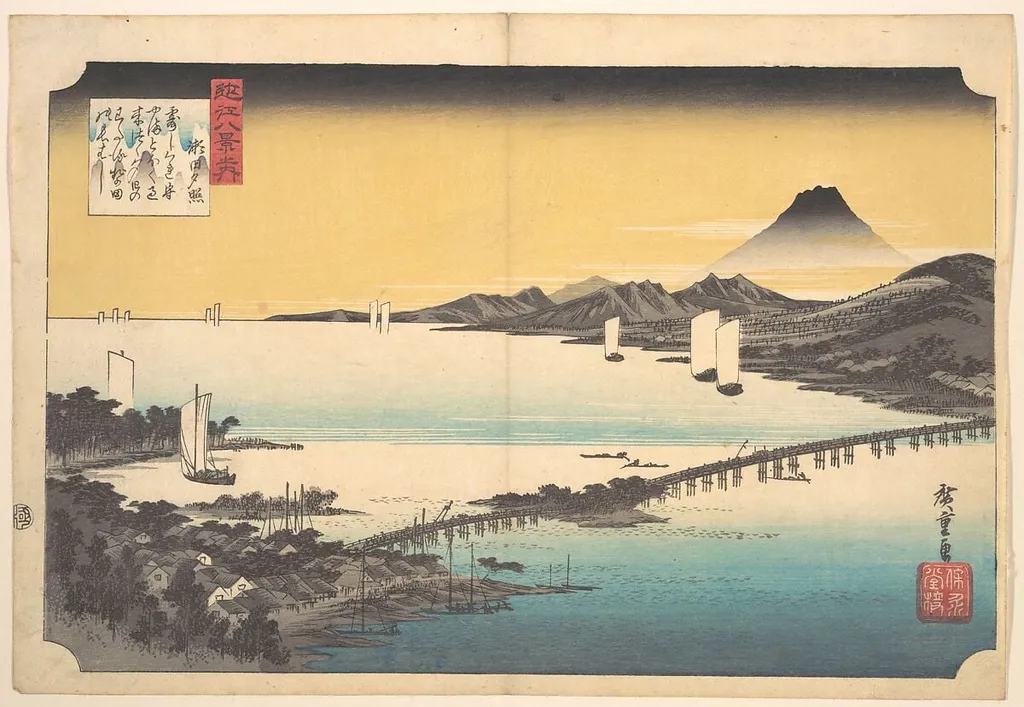
近江八景之内 瀬田夕照|Sunset at Seta is an ink print by the Romanticist artist Utagawa Hiroshige. It dates from 1832 and is held in the collection of the Metropolitan Museum of Art.
About this work
Overview
Sunset at Seta is a woodblock print created by Utagawa Hiroshige around 1832, as part of his Eight Views of Ōmi series. Executed in ink and color on paper, it exemplifies Hiroshige's emphasis on natural landscapes within the ukiyo-e tradition.
Subject & Meaning
The print captures a serene evening scene at Seta in the Ōmi region. A bridge, boats, trees, buildings, and a distant mountain are set against a sky transitioning from warm yellow to soft blue, conveying tranquility and inviting contemplation.
Technique & Style
Hiroshige's composition and color palette in Sunset at Seta create a peaceful atmosphere. The subtle interplay of light and shadow enhances the depth and texture of the landscape, characteristic of his skill in capturing natural beauty.
History & Provenance
Created circa 1832 for the Eight Views of Ōmi series, Sunset at Seta is part of Hiroshige's broader oeuvre, which includes renowned works like The Fifty-three Stations of the Tōkaidō and One Hundred Famous Views of Edo.
Context
As a leading Edo period ukiyo-e artist, Hiroshige's focus on natural landscapes in Sunset at Seta diverges from the genre's common emphasis on urban life, reflecting his unique contribution to Japanese printmaking.
Artist & collection
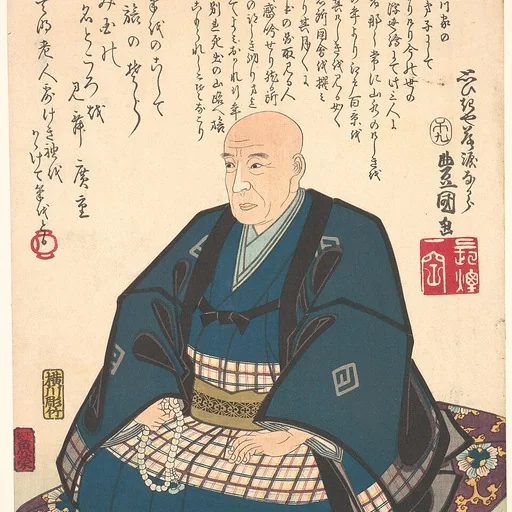
Artist
Utagawa Hiroshige (歌川 広重) or Andō Hiroshige (安藤 広重), born Andō Tokutarō (安藤 徳太郎; 1797 – 12 October 1858), was a Japanese ukiyo-e artist, considered the last great master of that tradition.

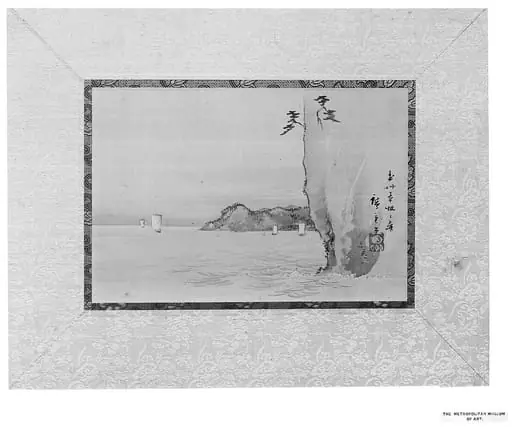
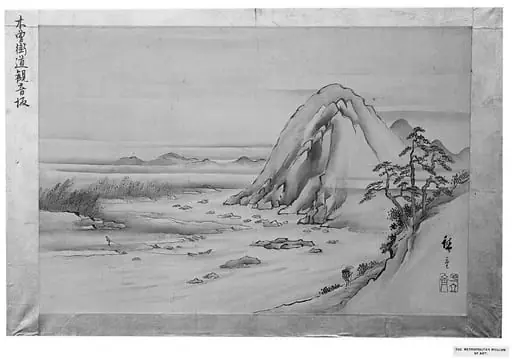
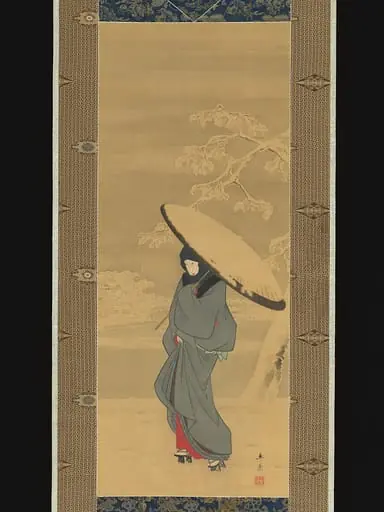
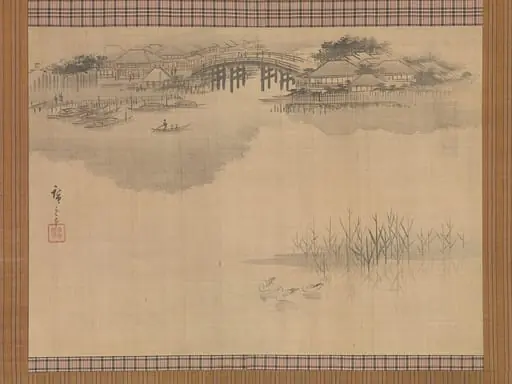
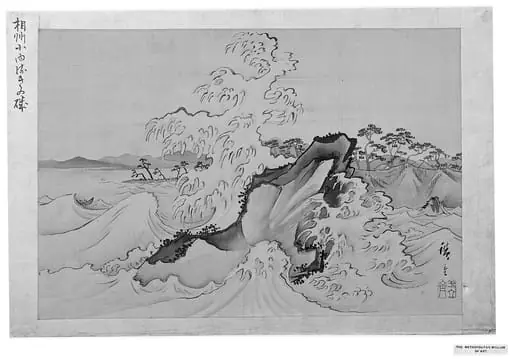
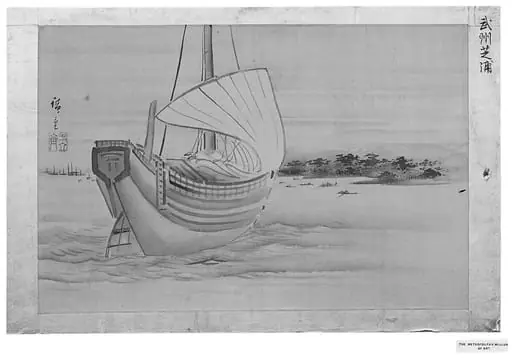
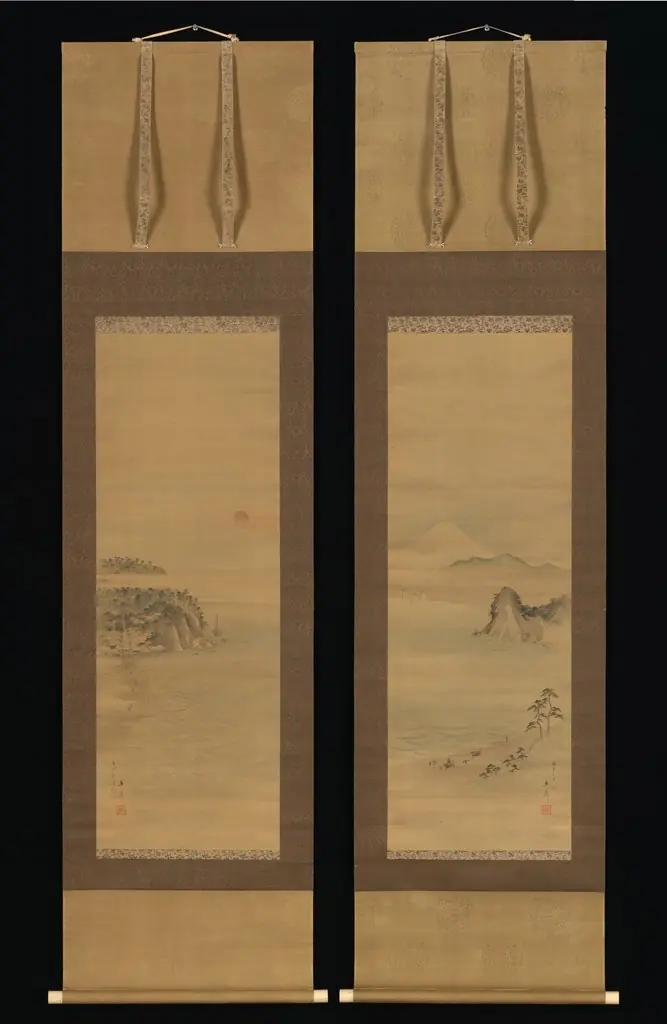
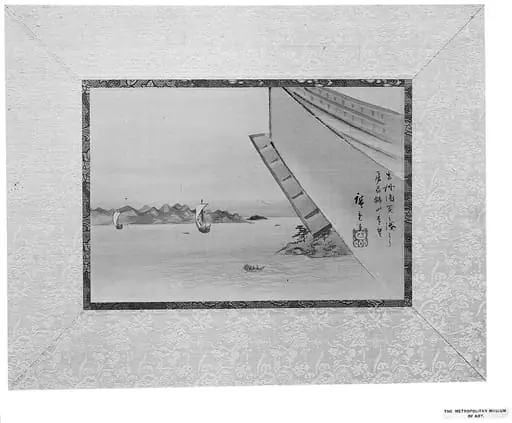
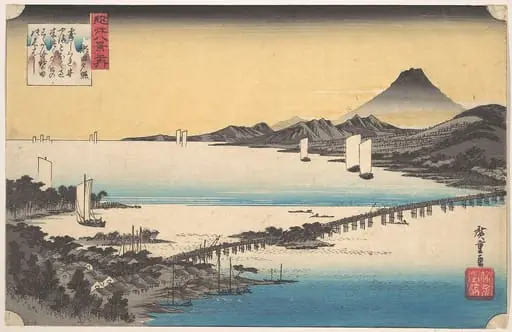 近江八景之内 瀬田夕照|Sunset at Seta
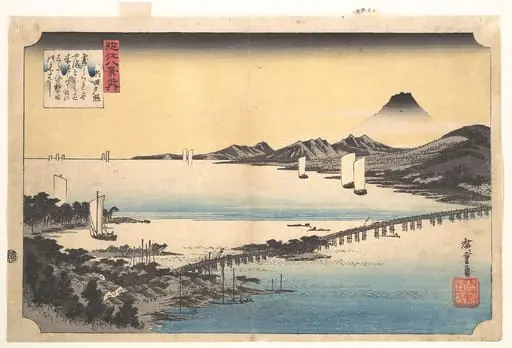 歌川広重画 近江八景の内 瀬田夕照|Sunset Glow at Seta (Seta sekishō), from the series Eight Views of Ōmi Province (Ōmi hakkei)
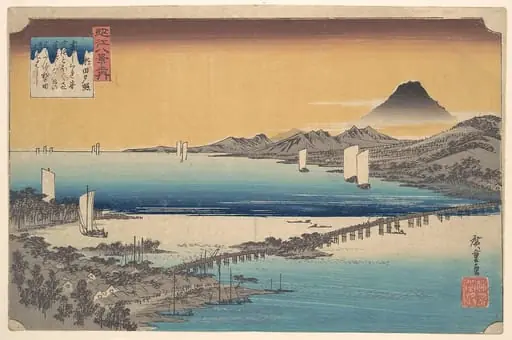 近江八景之内 瀬田夕照|Long Bridge of Seta
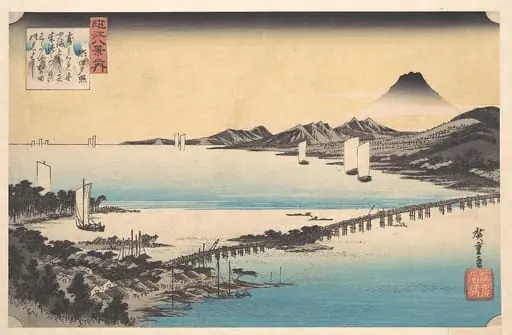 近江八景之内 瀬田夕照|Seta no Sekisho. Sunset, Seta. Lake Biwa
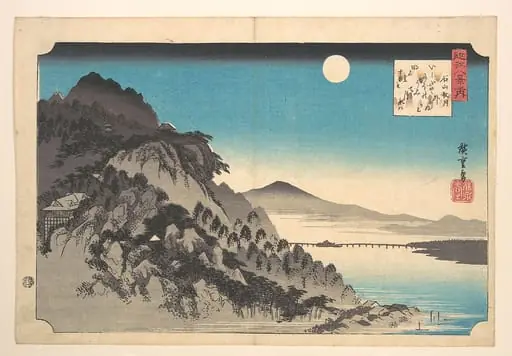 近江八景之内 石山秋月|The Autumn Full Moon at Ishiyama
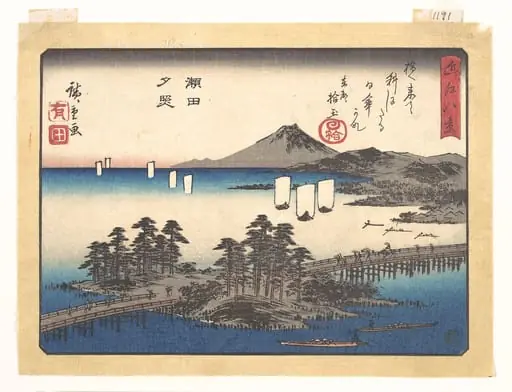 歌川広重画 「近江八景 瀬田夕照」|Sunset Glow at Seta, from the series Eight Views of Ōmi (Ōmi hakkei)
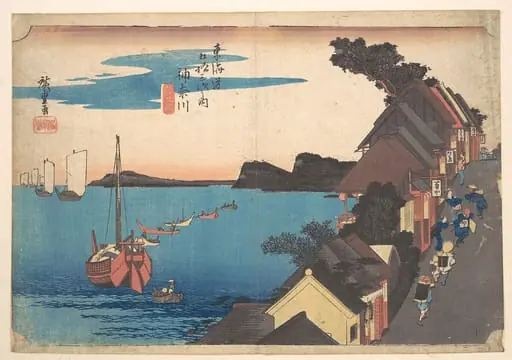 東海道五十三次之内 神奈川 台之景|View of Kangawa at Sunset
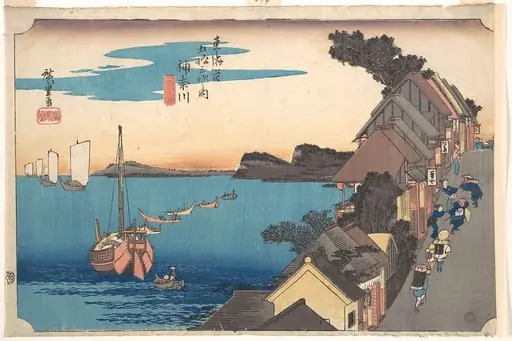 東海道五十三次之内 神奈川 宿台之景|View of the Kanagawa station at sunset
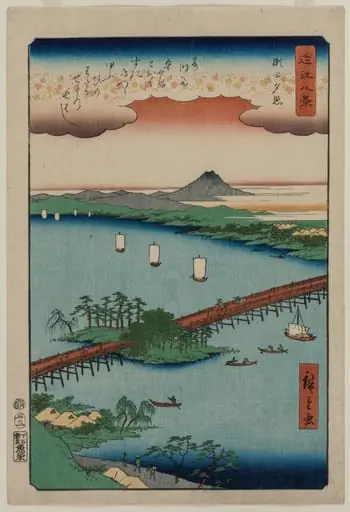 Evening Glow at Seta, from the series Eight Views of Ōmi