Artwork
新撰江戸名所 高輪廿六夜之図|Takanawa Ni-ju-roku Ya
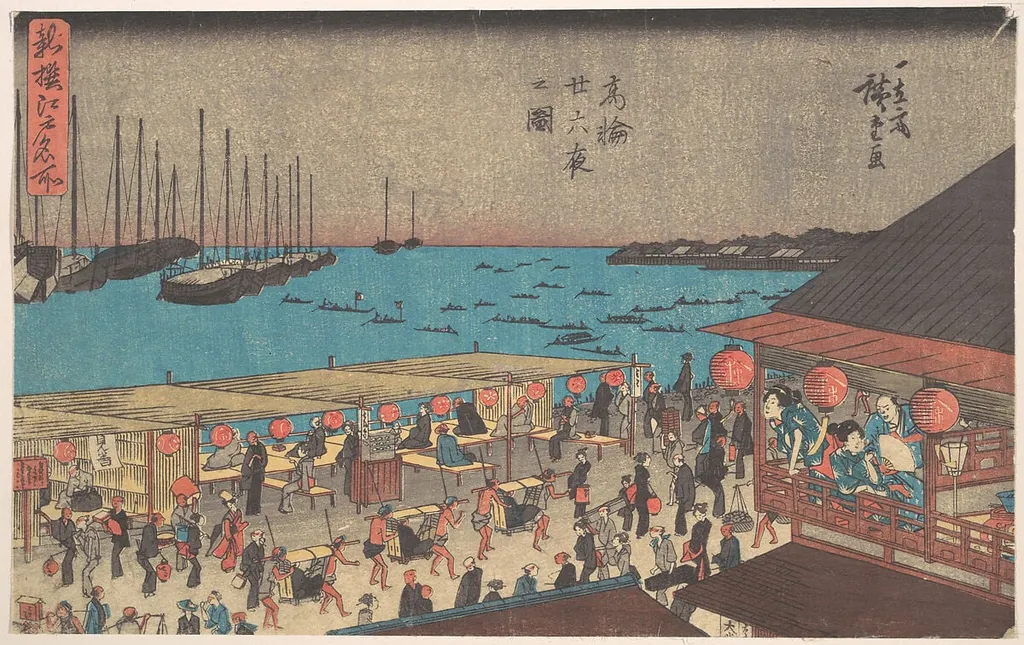
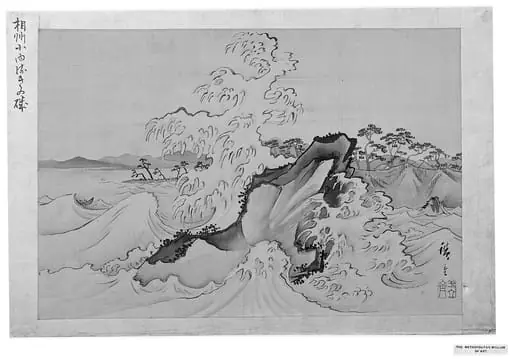
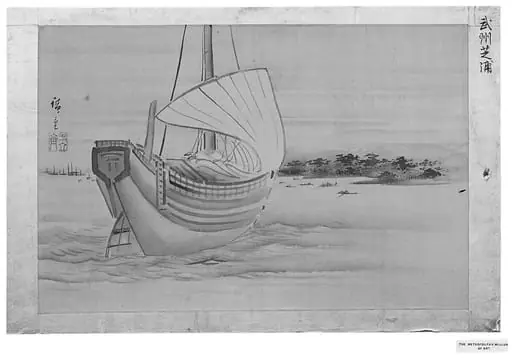
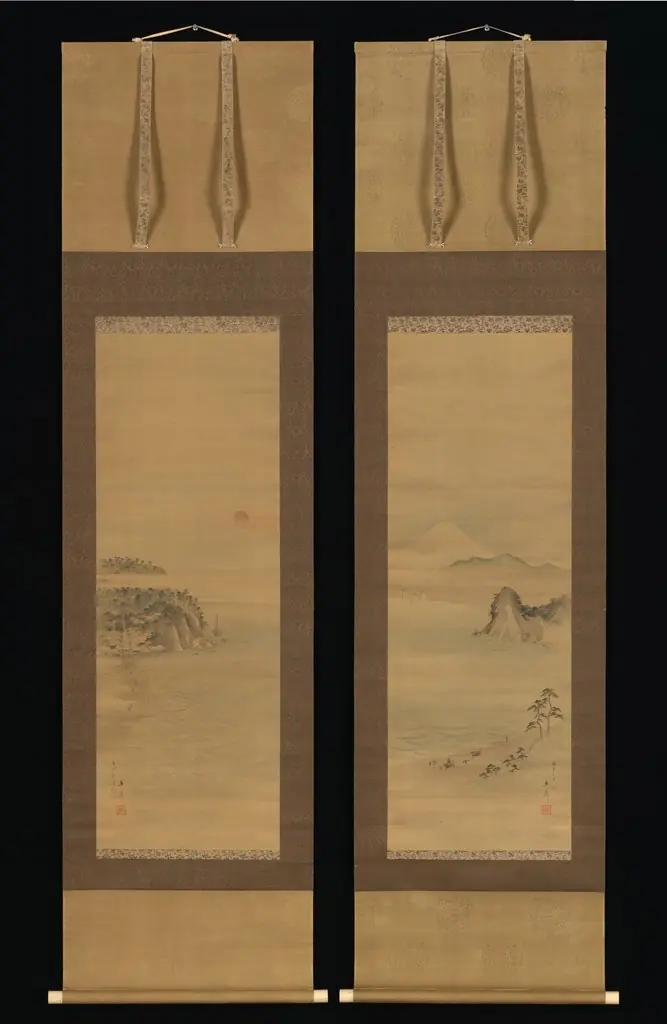
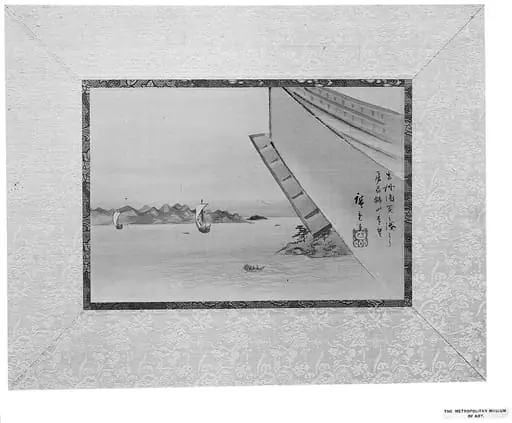
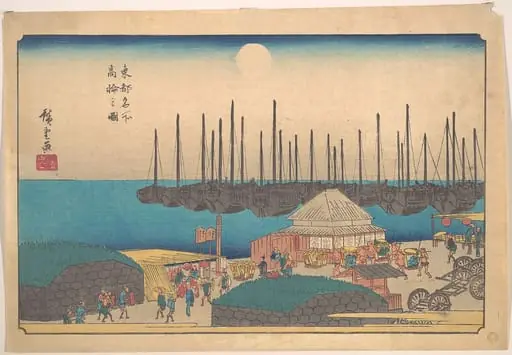
新撰江戸名所 高輪廿六夜之図|Takanawa Ni-ju-roku Ya is an ink print by the Romanticist artist Utagawa Hiroshige. It dates from 1840 and is held in the collection of the Metropolitan Museum of Art.
About this work
Overview
Takanawa Ni-ju-roku Ya is a woodblock print created by Utagawa Hiroshige around 1840. It depicts a nighttime scene in Takanawa, a coastal area in Edo, using ink and color on paper.
Subject & Meaning
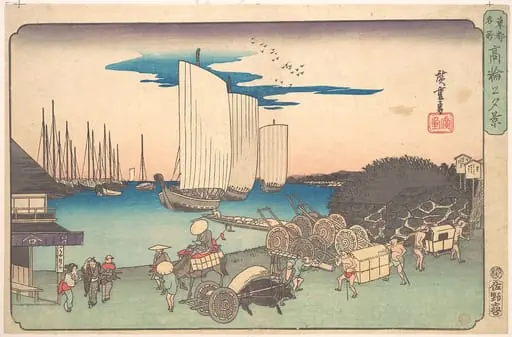
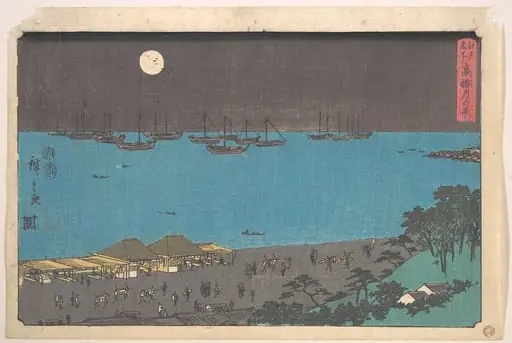
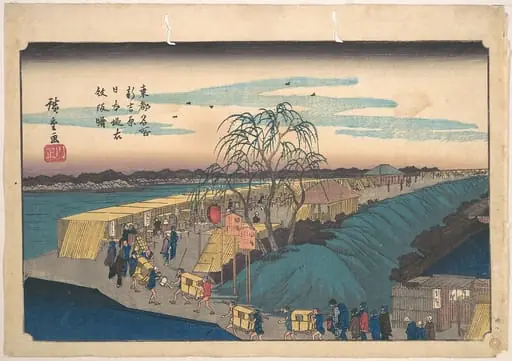
The print captures a lively street scene by the water, with people engaged in various activities. Boats are visible on the water, and red lanterns hang from buildings, adding to the atmosphere. The scene conveys the social and atmospheric character of Takanawa at night.
Technique & Style
Hiroshige employed bold lines and a vibrant color palette, notably red and blue, to animate the scene. The use of contrasting colors and detailed depictions of people and boats creates a dynamic composition.
Context
This work is part of Hiroshige's series exploring famous places in and around Edo. As a landscape-focused ukiyo-e artist, Hiroshige deviated from the genre's typical emphasis on urban pleasures, instead highlighting daily life and notable locations.
Artist & collection
Artist
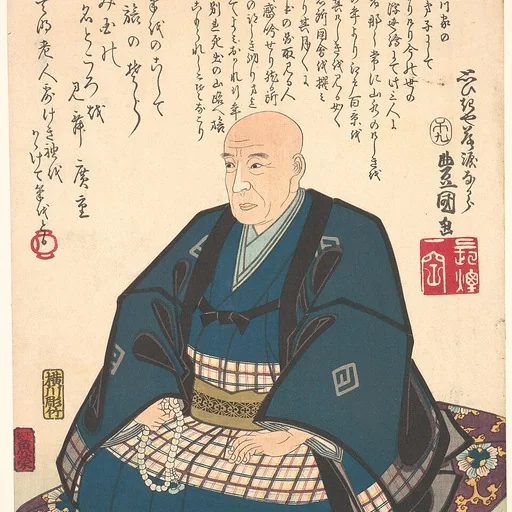
Utagawa Hiroshige (歌川 広重) or Andō Hiroshige (安藤 広重), born Andō Tokutarō (安藤 徳太郎; 1797 – 12 October 1858), was a Japanese ukiyo-e artist, considered the last great master of that tradition.