Artwork
東都名所 高輪之図|Takanawa no Zu
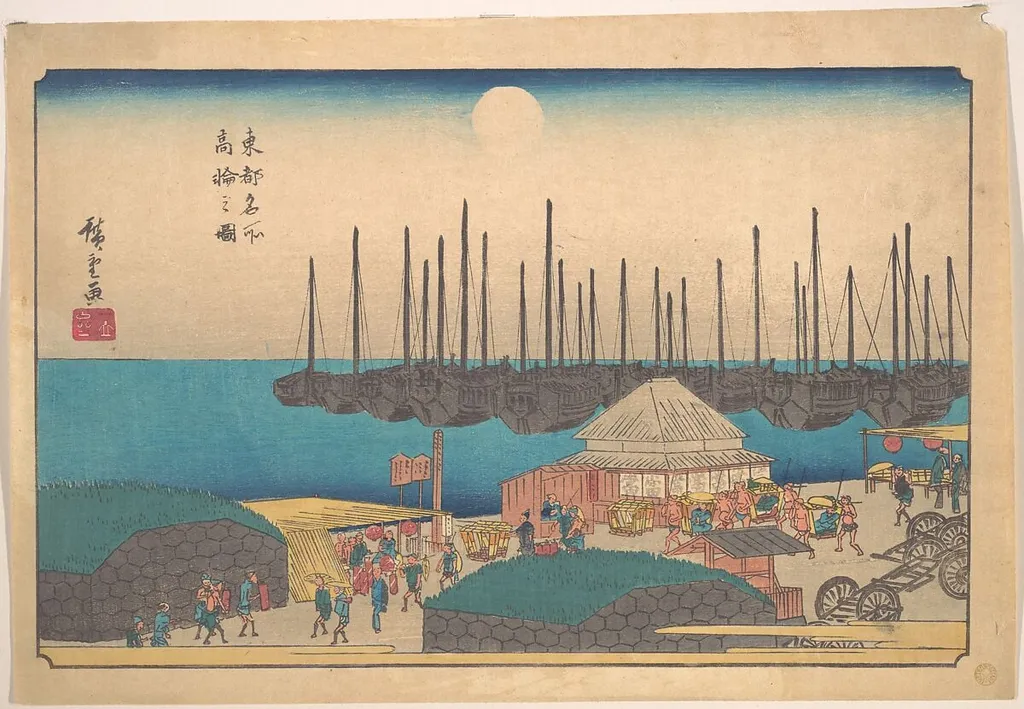
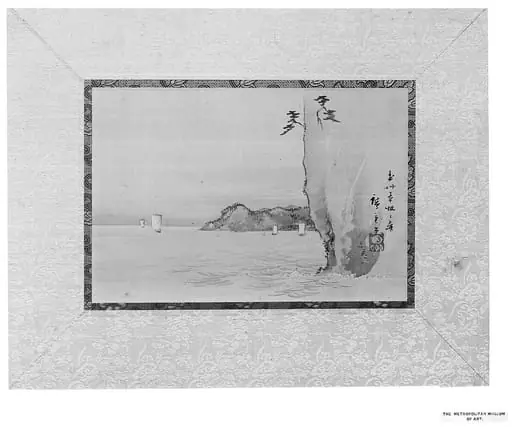
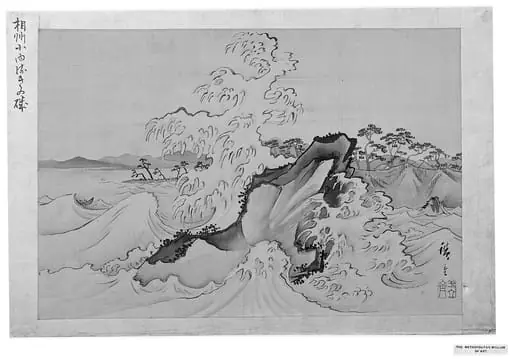
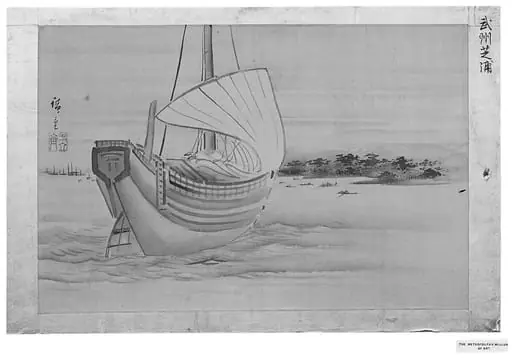
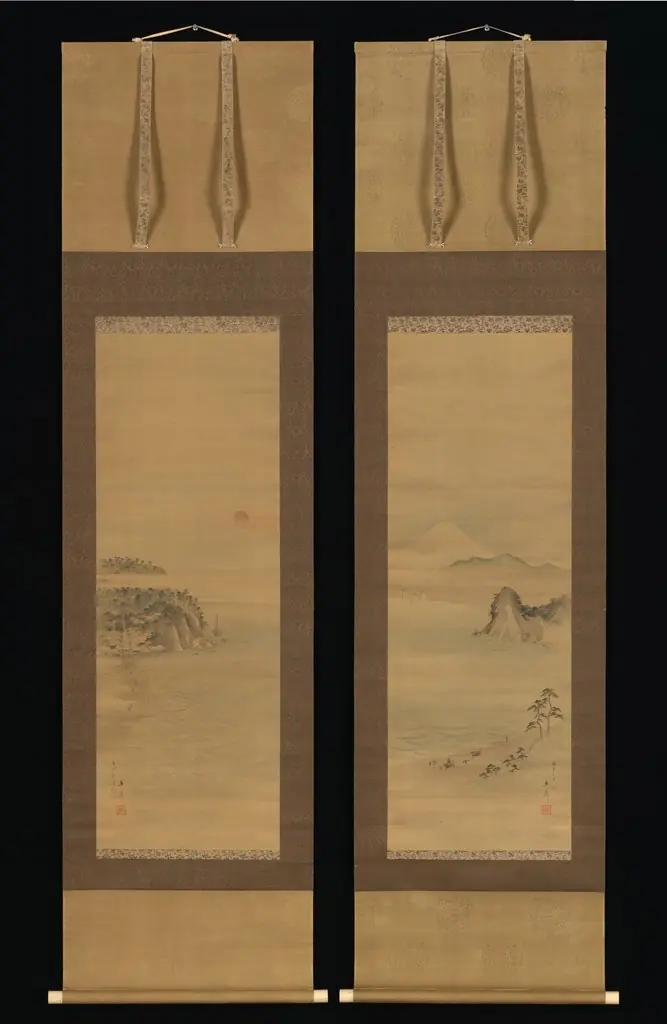
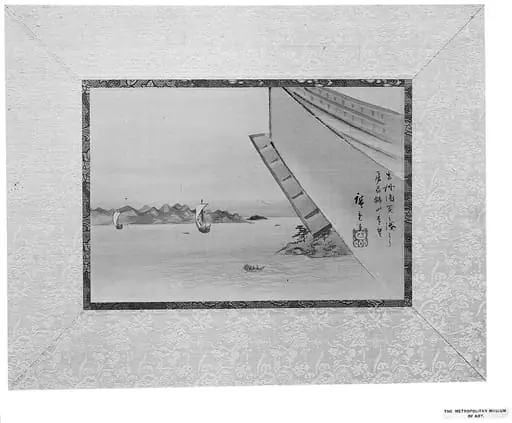
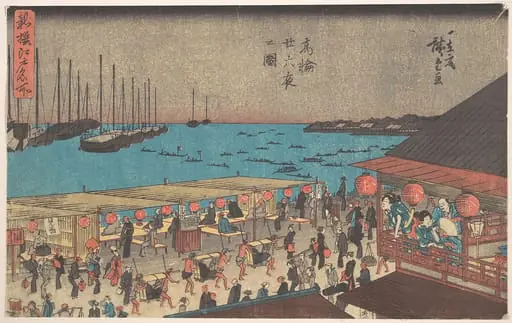
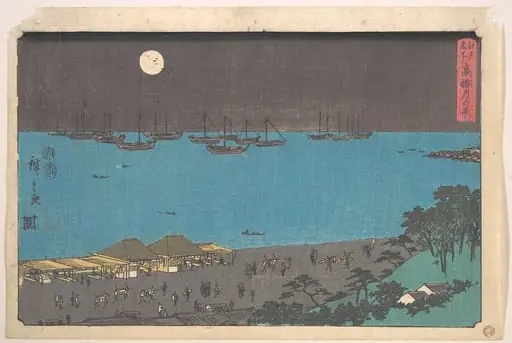
東都名所 高輪之図|Takanawa no Zu is an ink print by the Romanticist artist Utagawa Hiroshige. It dates from 1841 and is held in the collection of the Metropolitan Museum of Art.
About this work
Overview
Created circa 1841, this woodblock print by Utagawa Hiroshige portrays a moonlit riverside scene in Takanawa, a historic district of Edo (now Tokyo). Executed with ink and color on paper, the composition balances a tranquil waterway, small boats, and figures strolling along the bank beneath a full moon.
Subject & Meaning
The image captures everyday life along the river: pedestrians, a modest building, and vessels navigating the illuminated water. By focusing on a quiet, natural setting rather than the bustling entertainment quarters typical of ukiyo-e, Hiroshige emphasizes the calm rhythm of the locale.
Technique & Style
Hiroshige employs the ukiyo-e woodblock method, layering pigments to render the moon’s pale glow and the subtle hues of sky and water. Fine line work defines the figures and architecture, while broader color washes create atmospheric depth, characteristic of his landscape approach.
History & Provenance
The print belongs to Hiroshige’s prolific output during the late Edo period, a time when he was celebrated for series such as *The Fifty‑three Stations of the Tōkaidō* and *One Hundred Famous Views of Edo*. It remains a representative example of his mid‑career work, circulating among collectors of Japanese prints.
Context
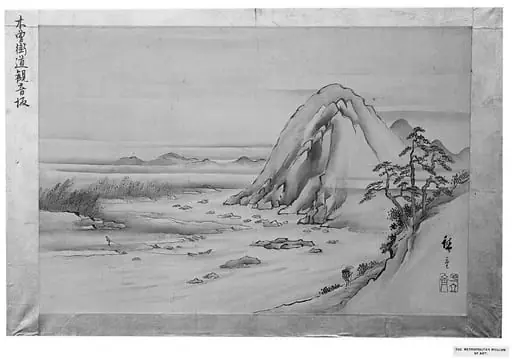
Produced within the broader ukiyo-e tradition that flourished from the 17th to 19th centuries, the piece reflects the period’s interest in documenting recognizable places. Takanawa, a gateway to the capital’s outskirts, was a common subject for travelers and artists documenting the Tōkaidō route.
Artist & collection
Artist
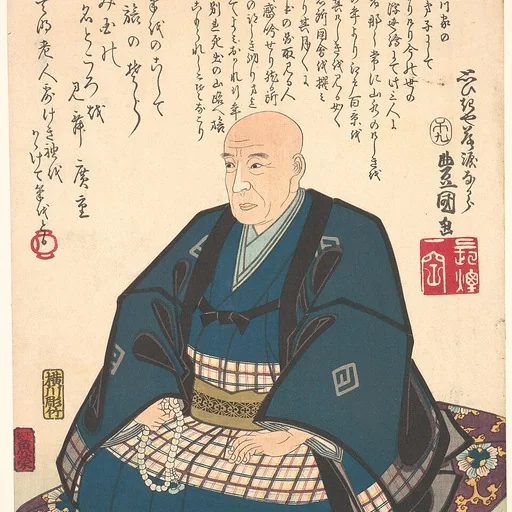
Utagawa Hiroshige (歌川 広重) or Andō Hiroshige (安藤 広重), born Andō Tokutarō (安藤 徳太郎; 1797 – 12 October 1858), was a Japanese ukiyo-e artist, considered the last great master of that tradition.