Artwork
近江八景之内 石山秋月|The Autumn Moon at Ishiyama on Lake Biwa
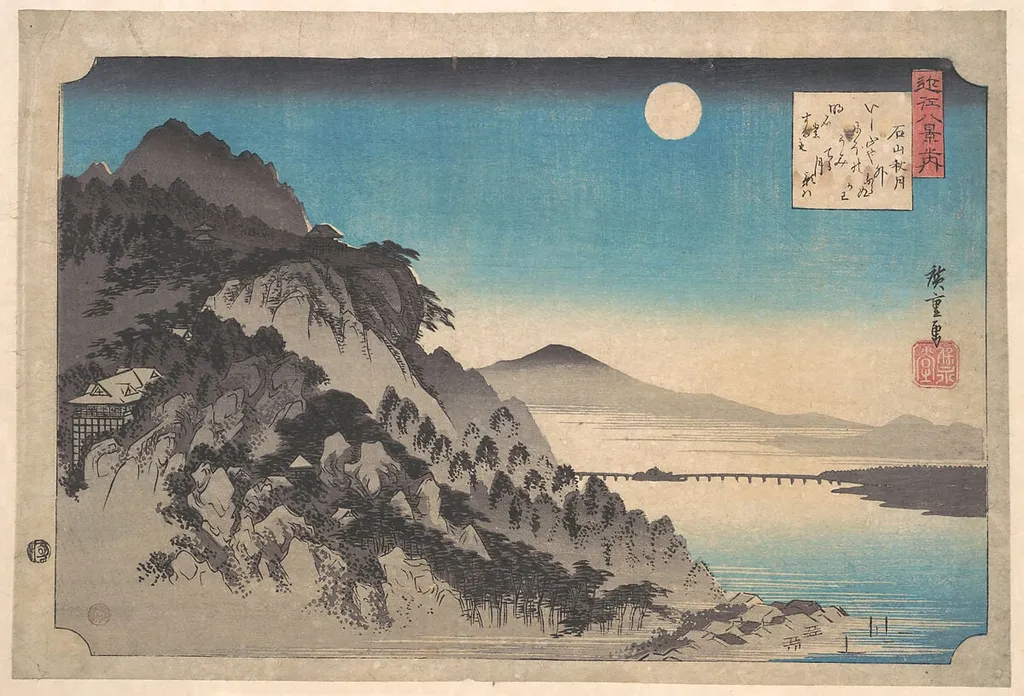
近江八景之内 石山秋月|The Autumn Moon at Ishiyama on Lake Biwa is an ink print by the Romanticist artist Utagawa Hiroshige. It dates from 1835 and is held in the collection of the Metropolitan Museum of Art.
About this work
Overview
The Autumn Moon at Ishiyama on Lake Biwa is a woodblock print from Utagawa Hiroshige's *Eight Views of Ōmi* series, created circa 1835. Executed in ink and color on paper, it exemplifies Hiroshige's departure from urban ukiyo-e themes, instead emphasizing serene natural landscapes.
Subject & Meaning
Depicting a moonlit night at Ishiyama, a site revered in classical Japanese literature and art, the print conveys a sense of tranquility. The composition invites contemplation, reflecting Hiroshige's ability to evoke emotional depth through atmospheric scenes.
Technique & Style
Hiroshige employs a gradient blue sky, a boldly shining full moon, and reflective water to create depth. The juxtaposition of a mountain, bridge, and trees, set against the sky's hues, showcases his mastery of color and composition in capturing serenity.
History & Provenance
Created around 1835 for the *Eight Views of Ōmi* series, specific provenance details for this print are not provided in the available information.
Context
Part of the broader ukiyo-e movement, this work stands out for its rural, seasonal focus, aligning with Hiroshige's innovative approach to landscape art in Edo period Japan.
Legacy
While direct influences on Western movements like Romanticism are not explicitly documented, the print's emphasis on emotional, natural beauty might resonate with themes found in Romanticist art, encouraging cross-cultural art historical comparisons.
Artist & collection
Artist
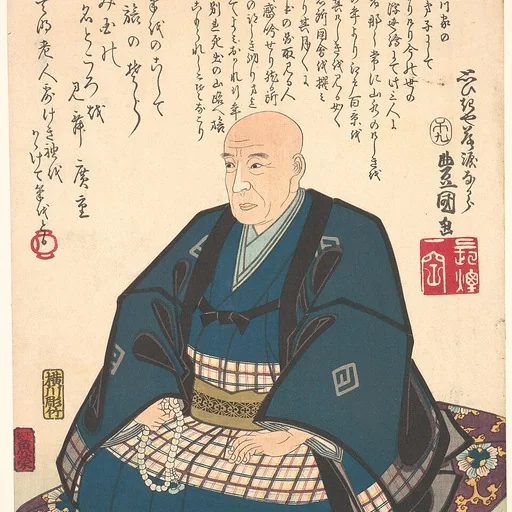
Utagawa Hiroshige (歌川 広重) or Andō Hiroshige (安藤 広重), born Andō Tokutarō (安藤 徳太郎; 1797 – 12 October 1858), was a Japanese ukiyo-e artist, considered the last great master of that tradition.

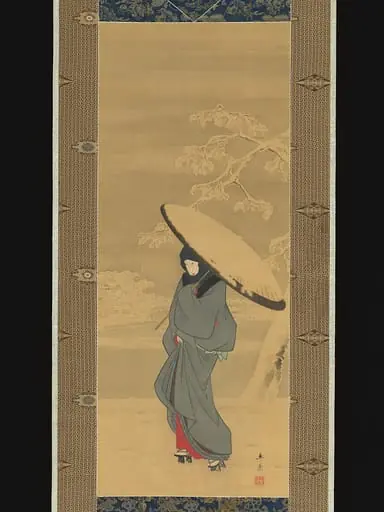
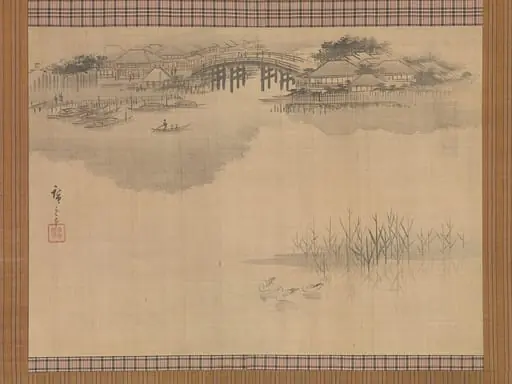
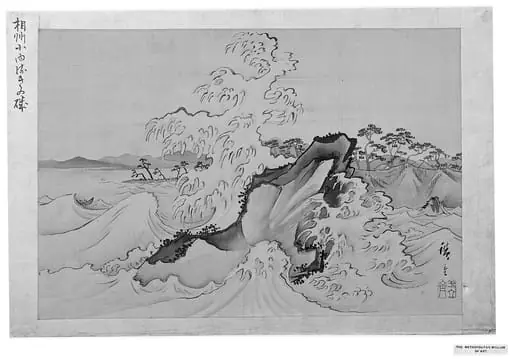
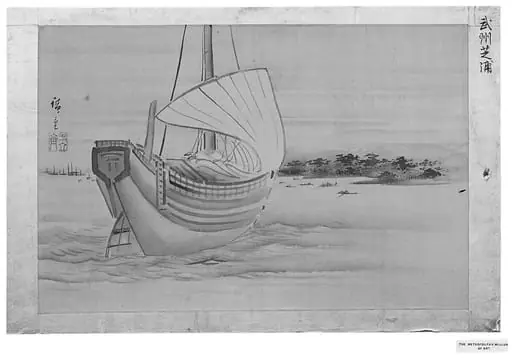
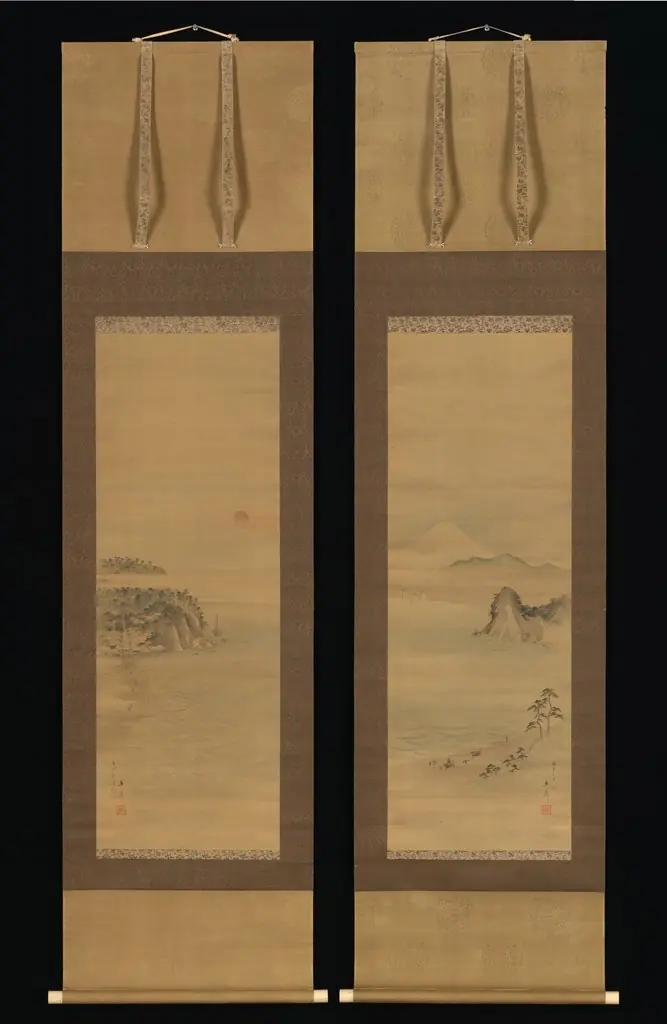
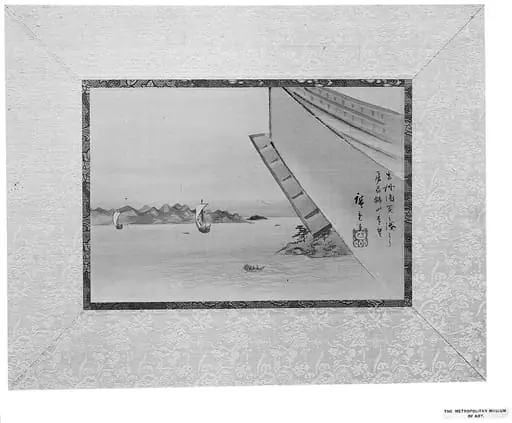
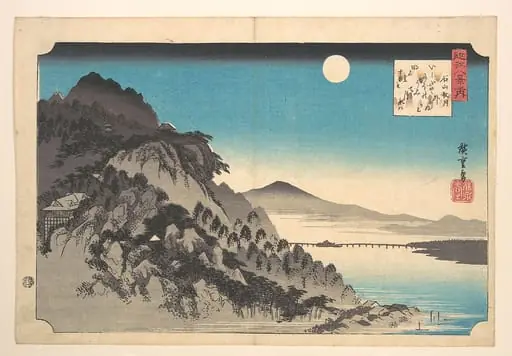 近江八景之内 石山秋月|The Autumn Full Moon at Ishiyama
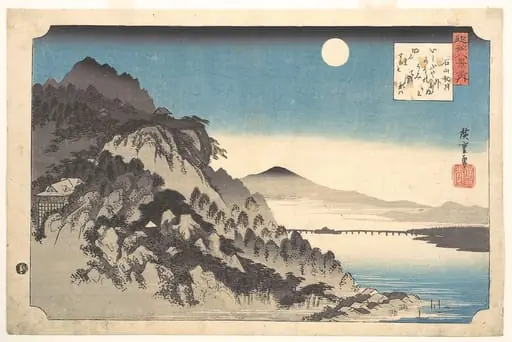 歌川広重画 近江八景之内 石山秋月|Autumn Full Moon at Ishiyama Temple (Ishiyama shūgetsu), from the series Eight Views of Ōmi Province (Ōmi hakkei)
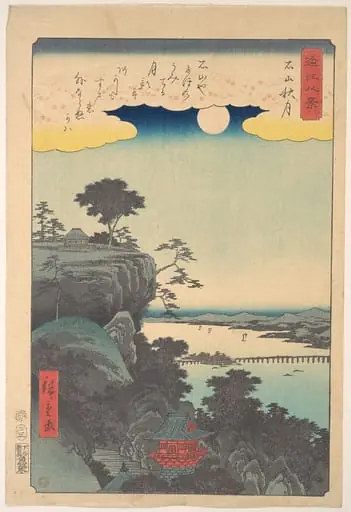 近江八景 石山秋月|The Autumn Moon on Ishiyama
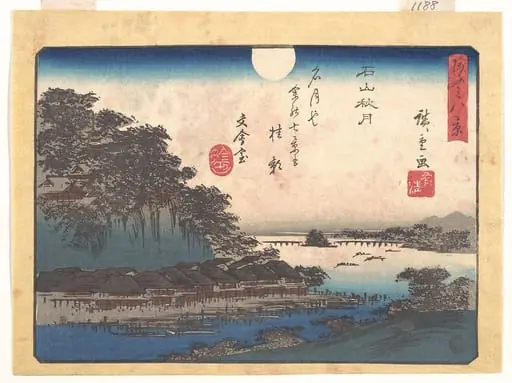 歌川広重画 「あふみ八景 石山秋月」|Autumn Moon at Ishiyama, from the series Eight Views of Ōmi (Ōmi hakkei)
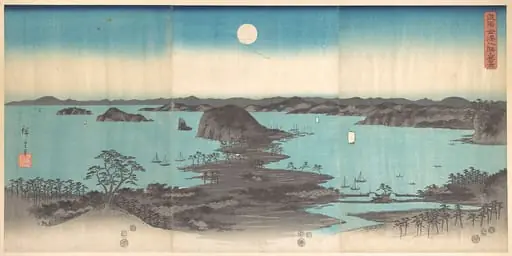 雪月花 武陽金沢八勝夜景|Panorama of the Eight Views of Kanasawa under a Full Moon
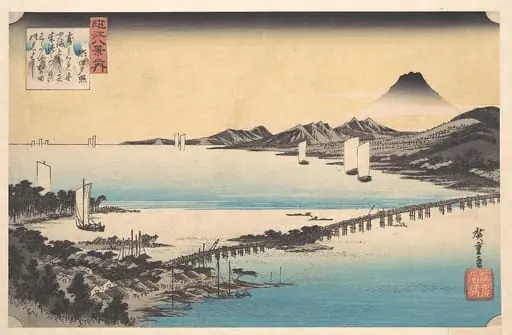 近江八景之内 瀬田夕照|Seta no Sekisho. Sunset, Seta. Lake Biwa
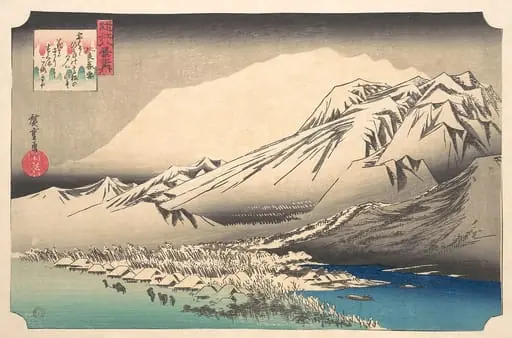 近江八景之内 比良暮雪|Evening Snow on Hira, Lake Biwa