Artwork
雪月花 武陽金沢八勝夜景|Panorama of the Eight Views of Kanasawa under a Full Moon
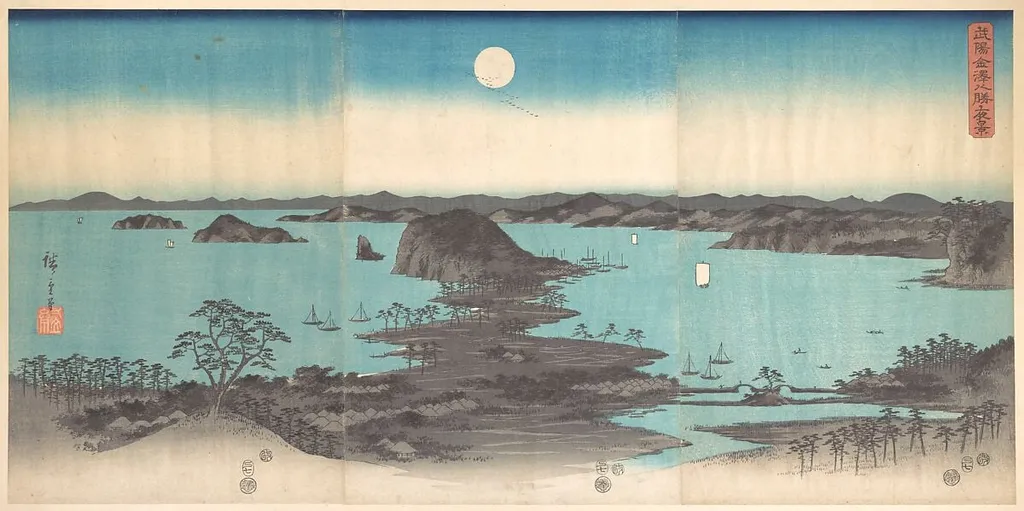
雪月花 武陽金沢八勝夜景|Panorama of the Eight Views of Kanasawa under a Full Moon is an ink print by the Impressionist artist Utagawa Hiroshige. It dates from 1857 and is held in the collection of the Metropolitan Museum of Art.
About this work
Overview
Panorama of the Eight Views of Kanasawa under a Full Moon is a triptych woodblock print by Utagawa Hiroshige, created in 1857. This late Edo period work features a serene, moonlit cityscape in Kanazawa, characterized by subtle color gradations and meticulous composition.
Subject & Meaning
The print depicts a peaceful Kanazawa bay under a full moon, with dark green trees, scattered boats, and distant hills with coastal buildings. The scene embodies classical Chinese and Japanese poetic themes, evoking tranquility and natural beauty.
Technique & Style
Hiroshige employed tiny, layered lines to achieve detailed shadows and textures, akin to a layered sketch. This technique imbues the scene with quiet precision. The soft blue sky transitions to lighter tones near the moon, showcasing his nuanced color control.
History & Provenance
Created in 1857 by Utagawa Hiroshige, a prominent ukiyo-e landscape artist known for prioritizing landscapes over figures. Part of a series inspired by classical poetic motifs, reflecting his refined approach to woodblock print composition and color.
Context
This work is part of a broader series by Hiroshige, inspired by traditional poetic themes. It diverges from the typical ukiyo-e focus on human figures, instead emphasizing the serene interplay of nature and light in a Japanese cityscape.
Legacy
As a characteristic example of Hiroshige's later work, Panorama of the Eight Views of Kanasawa under a Full Moon contributes to the enduring influence of ukiyo-e on the representation of landscape and light in Japanese art.
Artist & collection
Artist
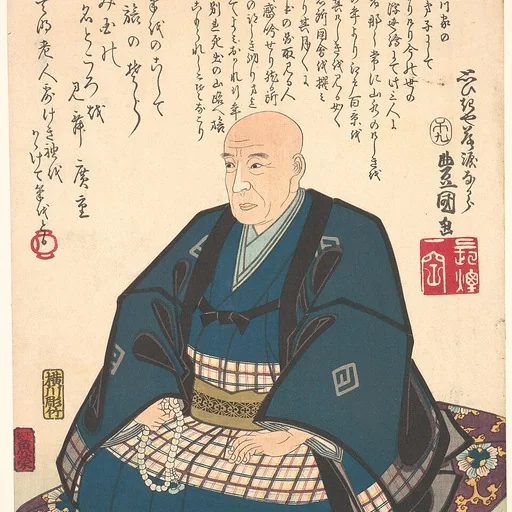
Utagawa Hiroshige (歌川 広重) or Andō Hiroshige (安藤 広重), born Andō Tokutarō (安藤 徳太郎; 1797 – 12 October 1858), was a Japanese ukiyo-e artist, considered the last great master of that tradition.

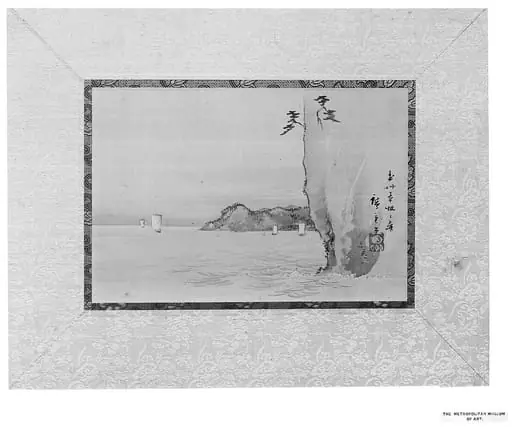
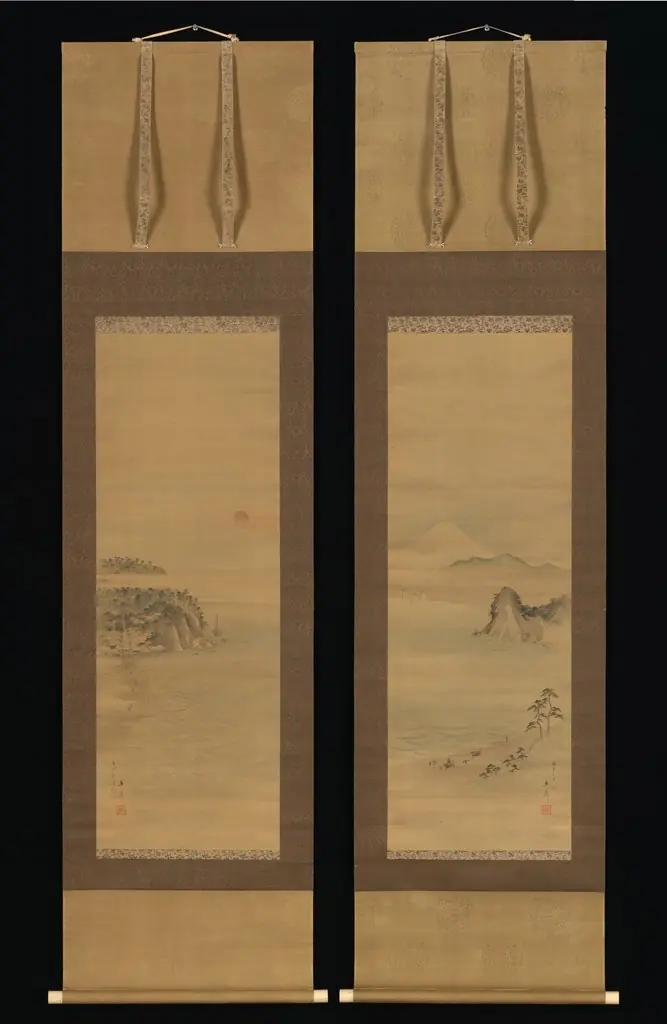
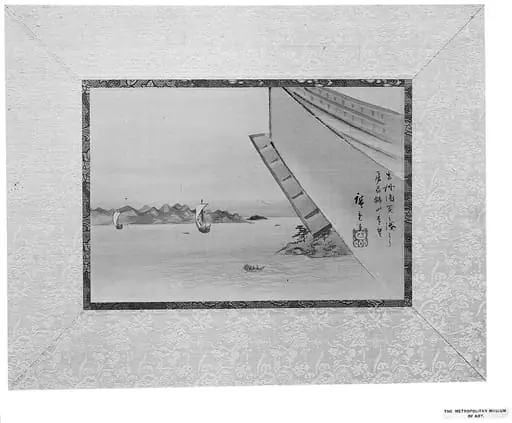
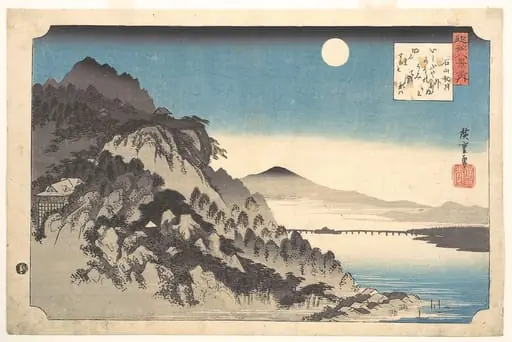 歌川広重画 近江八景之内 石山秋月|Autumn Full Moon at Ishiyama Temple (Ishiyama shūgetsu), from the series Eight Views of Ōmi Province (Ōmi hakkei)
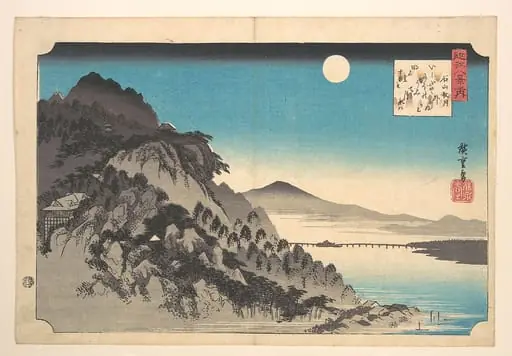 近江八景之内 石山秋月|The Autumn Full Moon at Ishiyama
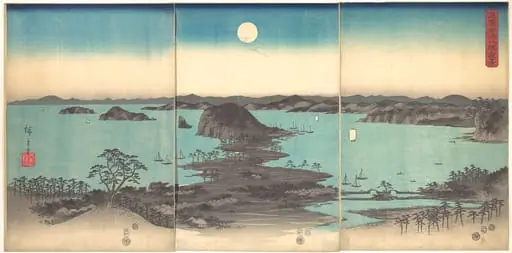 Buyō Kanazawa Hasshō Yakei|雪月花 武陽金沢八勝夜景|Full Moon at Kanazawa, Province of Musashi
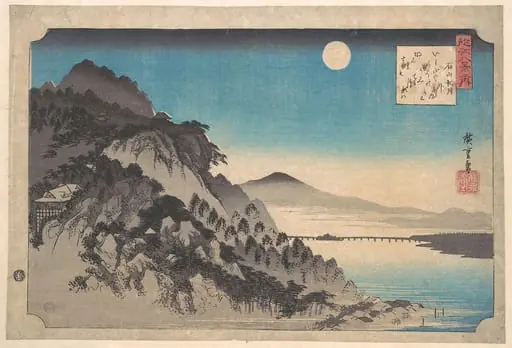 近江八景之内 石山秋月|The Autumn Moon at Ishiyama on Lake Biwa
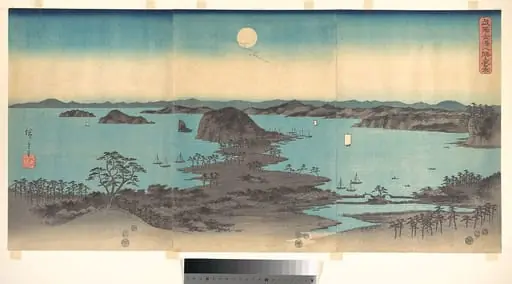 奥村 政信画 浮絵 「紋尽名古屋曽我」|Full Moon at Kanazawa, Province of Musashi
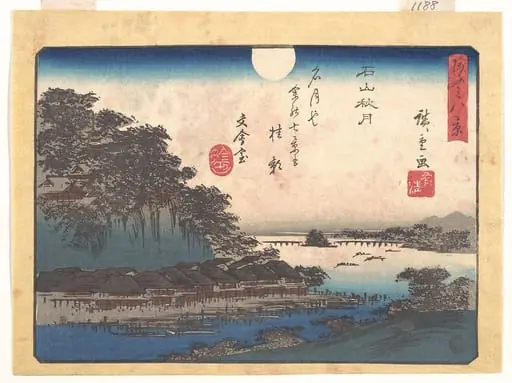 歌川広重画 「あふみ八景 石山秋月」|Autumn Moon at Ishiyama, from the series Eight Views of Ōmi (Ōmi hakkei)
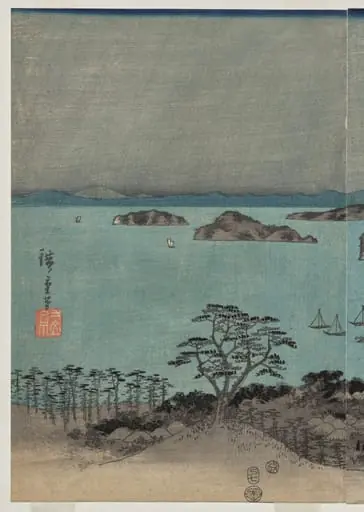 Evening View of the Eight Famous Places near Kanazawa Under Full Moon in Musashi Province
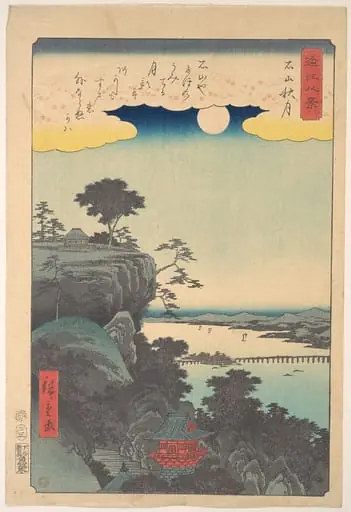 近江八景 石山秋月|The Autumn Moon on Ishiyama
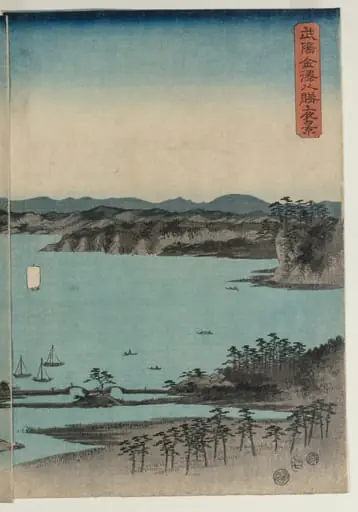 Full Moon on Kanazawa, Musashi
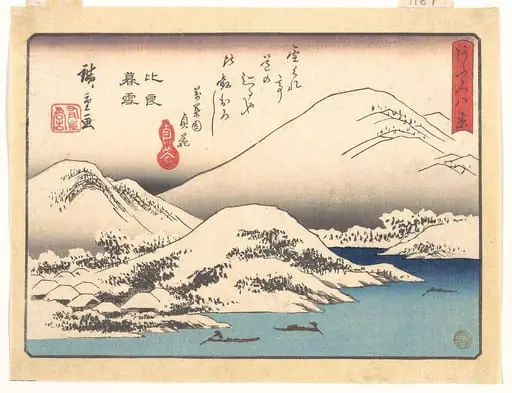 歌川広重画 「あふみ八景 比良暮雪」|Evening Snow at Mount Hira, from the series Eight Views of Ōmi (Ōmi hakkei)
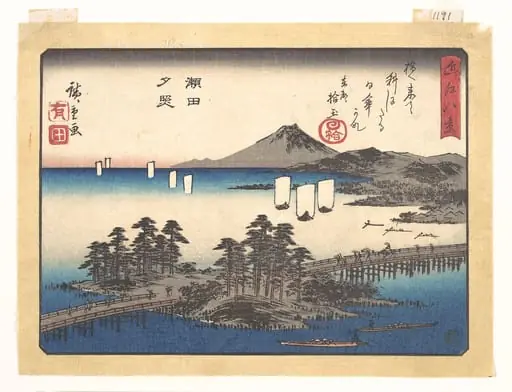 歌川広重画 「近江八景 瀬田夕照」|Sunset Glow at Seta, from the series Eight Views of Ōmi (Ōmi hakkei)