Artwork
東海道五十三次之内 大磯 虎ケ雨|Tiger Rain at Ōiso Station
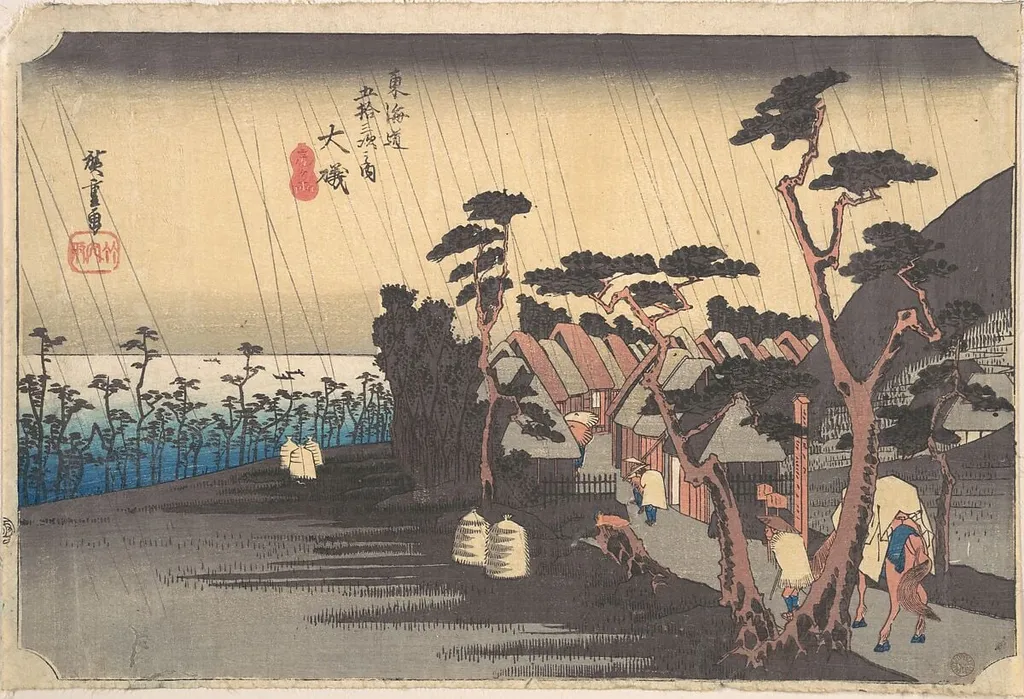
東海道五十三次之内 大磯 虎ケ雨|Tiger Rain at Ōiso Station is an ink print by the Romanticist artist Utagawa Hiroshige. It dates from 1834 and is held in the collection of the Metropolitan Museum of Art.
About this work
Overview
Created around 1834, this woodblock print by Utagawa Hiroshige is one of fifty-three scenes in the series *The Fifty-three Stations of the Tōkaidō*.
Created around 1834, this woodblock print by Utagawa Hiroshige is one of fifty-three scenes in the series *The Fifty-three Stations of the Tōkaidō*. It captures the quiet intensity of a rainstorm at Ōiso, a coastal stop along the major road connecting Edo and Kyoto. Unlike typical ukiyo-e subjects centered on people or pleasure quarters, Hiroshige focused on landscape and weather, transforming everyday travel into a contemplative moment.
Subject & Meaning
Two travelers move slowly along a muddy path beneath a downpour, one carrying a bundle, the other shielding himself with an umbrella. A tethered horse and thatched-roof dwellings on a distant hill suggest a modest, enduring way of life. The calm demeanor of the figures implies acceptance of nature’s rhythms, not resistance. The title’s reference to a tiger may allude to the storm’s ferocity, though no animal appears—emphasizing atmosphere over literal narrative.
Technique & Style
Hiroshige employed fine ink lines and layered color washes to render the weight of rain and the dampness of the environment. Wet foliage bends under its own weight, and distant forms blur into mist, using subtle gradations rather than sharp outlines. Cross-hatching and controlled brushwork define texture in the trees and ground, while the pale washes of sky and road suggest moisture-laden air, a hallmark of his atmospheric approach.
History & Provenance
Produced during Hiroshige’s early maturity as a printmaker, this work was part of a commercially successful series commissioned by the publisher Hoeidō. Original impressions were widely distributed among merchants and travelers, making the *Tōkaidō* series one of the most reproduced ukiyo-e collections of its time. Surviving examples are held in major collections, including the Museum of Fine Arts, Boston, and the British Museum.
Context
The Tōkaidō was the most traveled road in Edo-period Japan, lined with post stations offering rest to pilgrims, officials, and merchants. Hiroshige’s series documented these stops not as grand monuments but as quiet, weather-worn places. His focus on transient conditions—rain, snow, twilight—reflected a growing cultural appreciation for impermanence and the emotional resonance of the natural world.
Legacy
Hiroshige’s *Tōkaidō* series influenced later Western artists, including Monet and Van Gogh, who admired its compositional simplicity and sensitivity to light and weather. Within Japan, it helped elevate landscape printmaking as a serious genre. The quiet dignity of ordinary travelers in adverse conditions became a recurring theme in later Japanese art, anchoring the emotional weight of nature in daily life.
Artist & collection
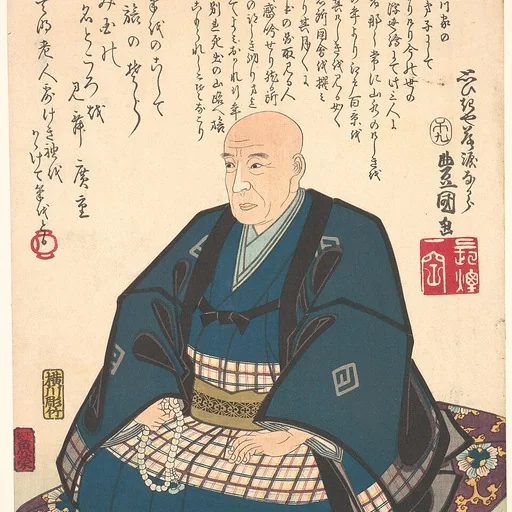
Artist
Utagawa Hiroshige (歌川 広重) or Andō Hiroshige (安藤 広重), born Andō Tokutarō (安藤 徳太郎; 1797 – 12 October 1858), was a Japanese ukiyo-e artist, considered the last great master of that tradition.

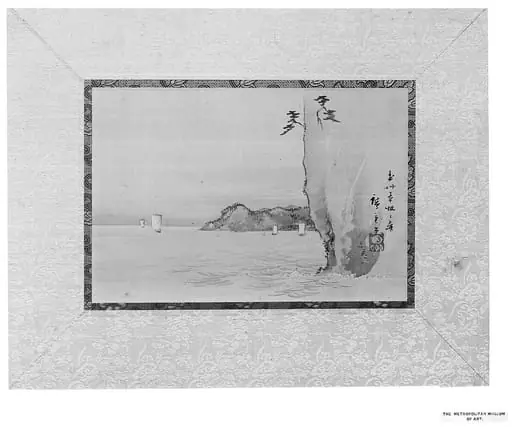
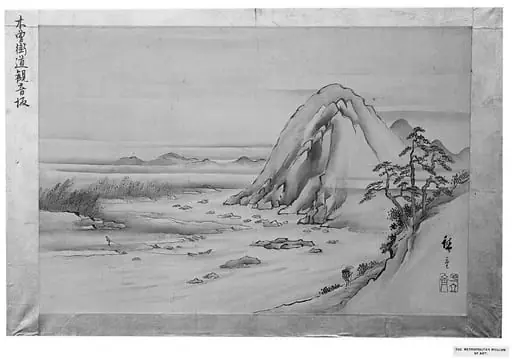
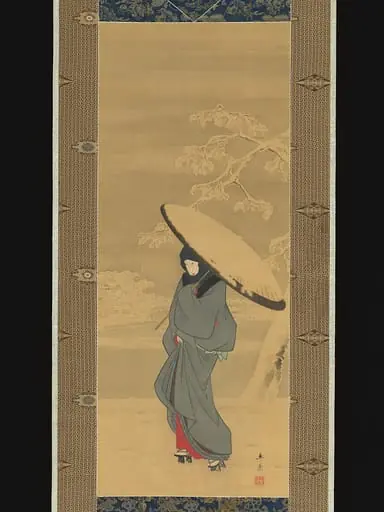
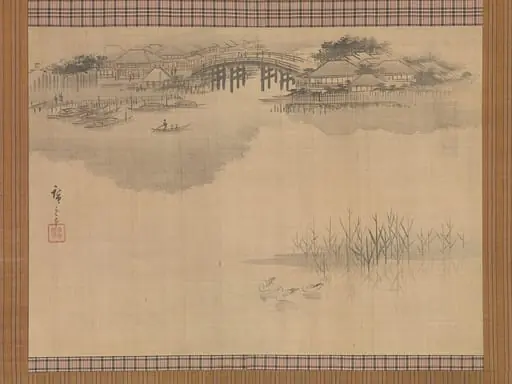
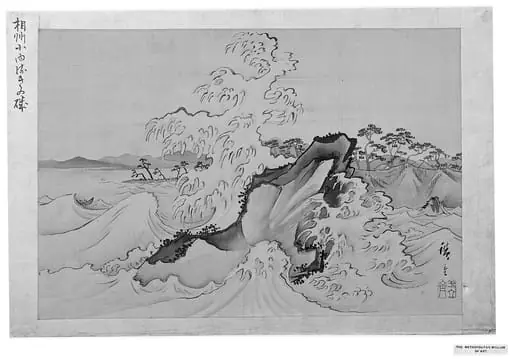
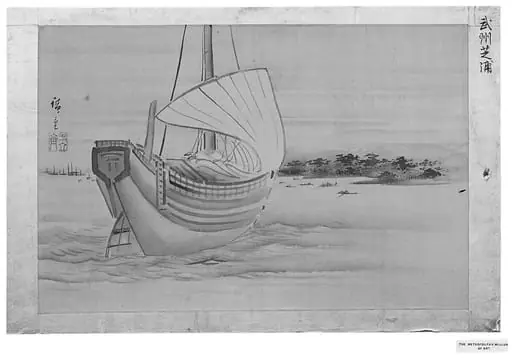

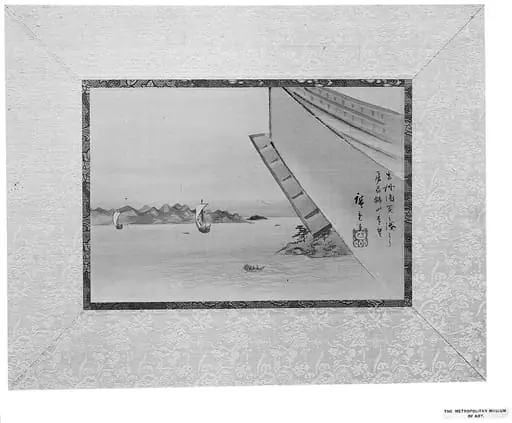
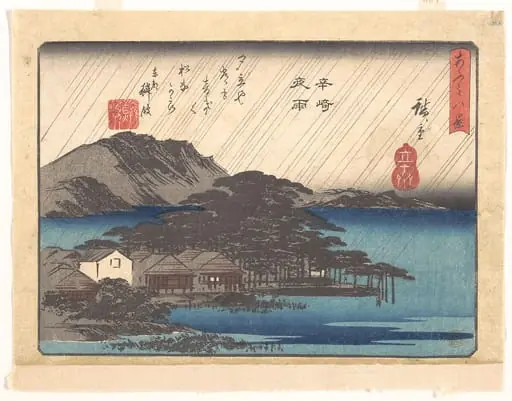 歌川広重画 「あふみ八景 辛崎夜雨」|Evening Rain at Karasaki, from the series Eight Views of Ōmi (Ōmi hakkei)
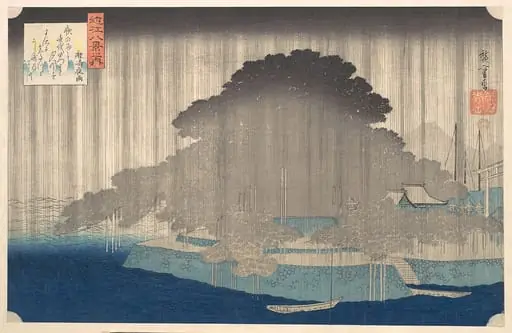 歌川広重画 「近江八景之内 唐崎夜雨」|Night Rain at Karasaki, from the series Eight Views of Ōmi (Ōmi hakkei no uchi)
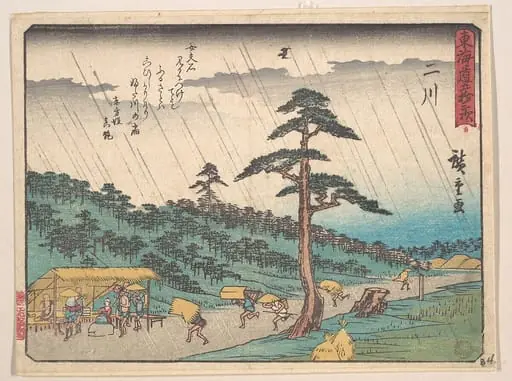 東海道五十三次 二川|Futagawa
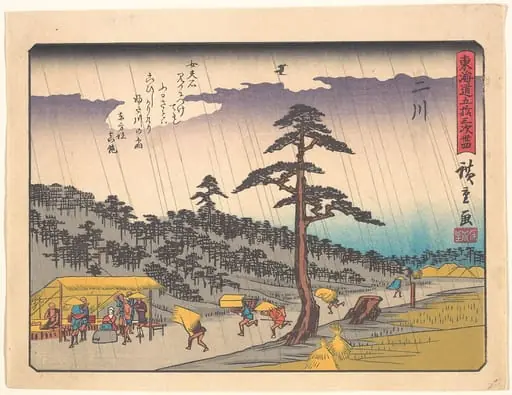 東海道五十三次 二川|Futakawa, from the series The Fifty-three Stations of the Tōkaidō Road
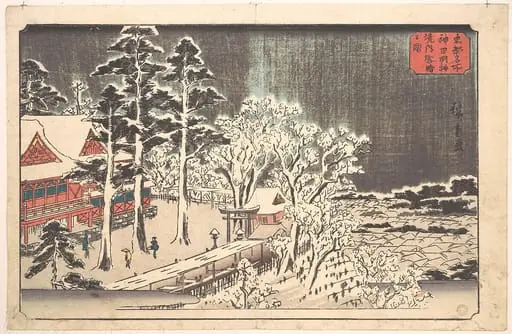 東都名所 神田明神境内雪晴之図|“Clear Weather after Snow in the Precincts of the Kanda Myōjin Shrine” (Kanda Myōjin keidai yukibare no zu), from the series Famous Places in the Eastern Capital (Tōto meisho)
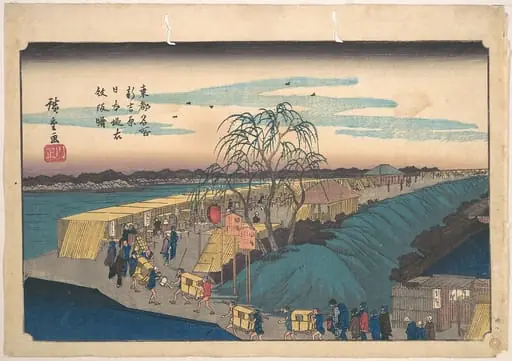 東都名所 新吉原日本堤衣紋坂曙|Shin Yoshiwara Nihon Tsutsumi Emonzaka Akatsuki
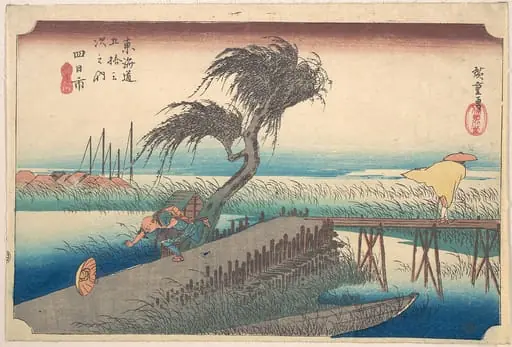 東海道五十三次之内 四日市 三重川|Yokkaichi, Sanchokawa
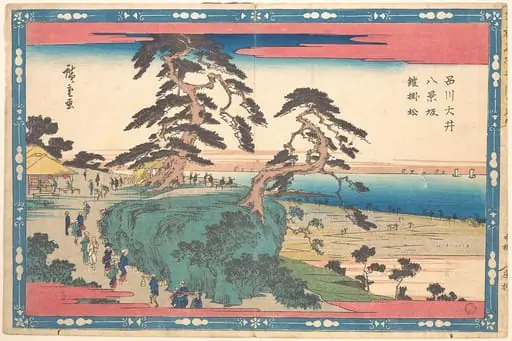 東都名所 品川大井 八景坂鎧掛松|Shinagawa Hakkei Zaka