Artwork
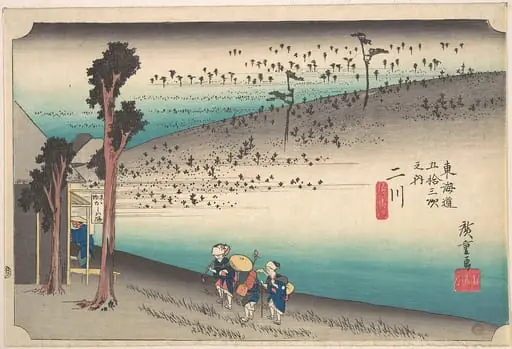
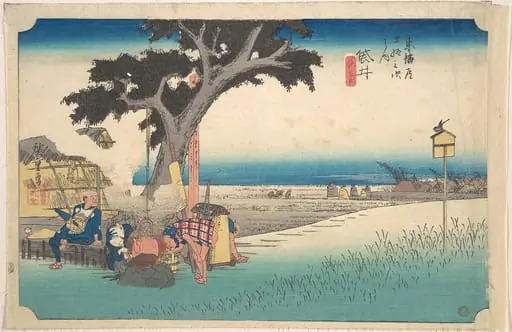
東海道五十三次 二川|Futagawa
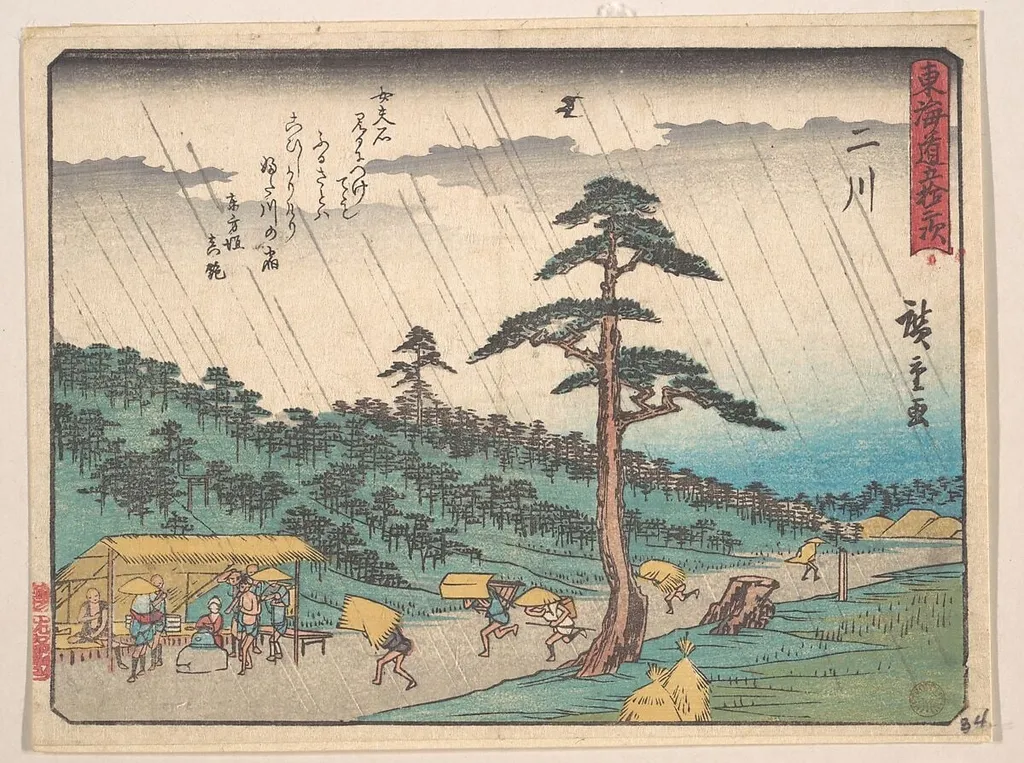
東海道五十三次 二川|Futagawa is an ink print by the Romanticist artist Utagawa Hiroshige. It dates from 1838 and is held in the collection of the Metropolitan Museum of Art.
About this work
Overview
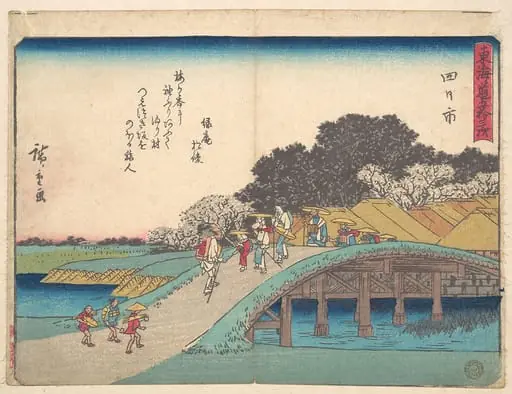
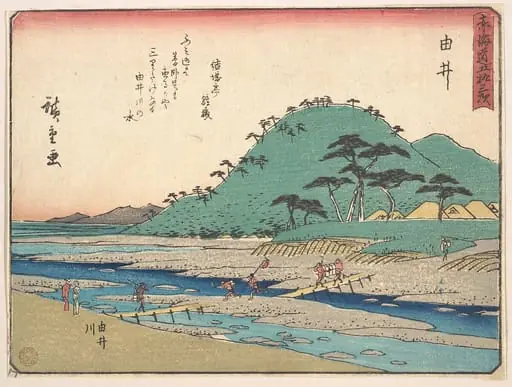
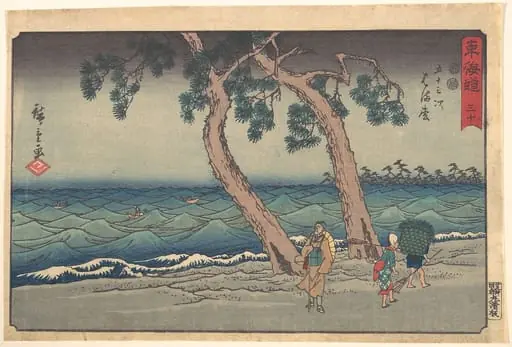
Created around 1838 by Utagawa Hiroshige, this woodblock print is one of fifty-three scenes in the series *The Fifty-three Stations of the Tōkaidō*.
Created around 1838 by Utagawa Hiroshige, this woodblock print is one of fifty-three scenes in the series *The Fifty-three Stations of the Tōkaidō*. It captures a moment along the major road connecting Edo and Kyoto, rendered in ink and color on paper. Unlike earlier ukiyo-e focused on urban entertainments, Hiroshige turned to quiet, everyday landscapes, emphasizing atmosphere over spectacle. The work is now held in The Metropolitan Museum of Art’s collection.
Subject & Meaning
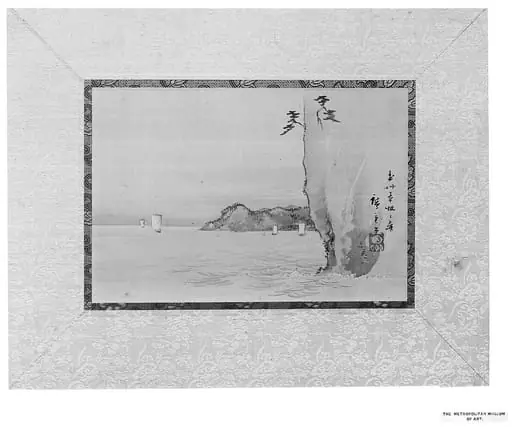
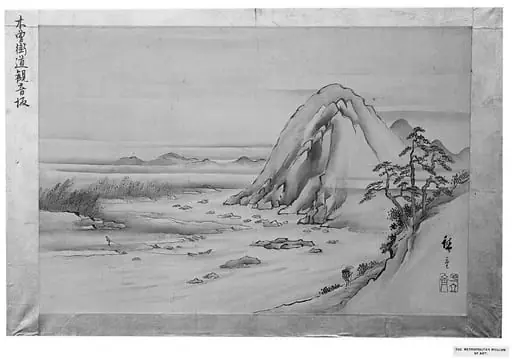
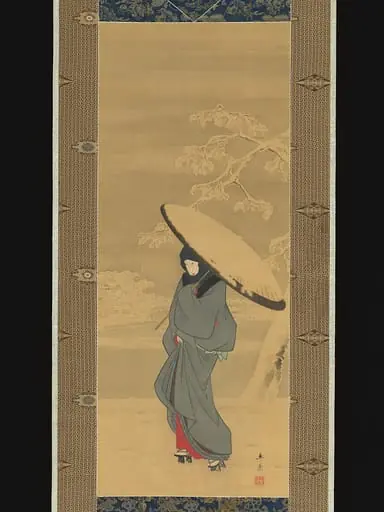
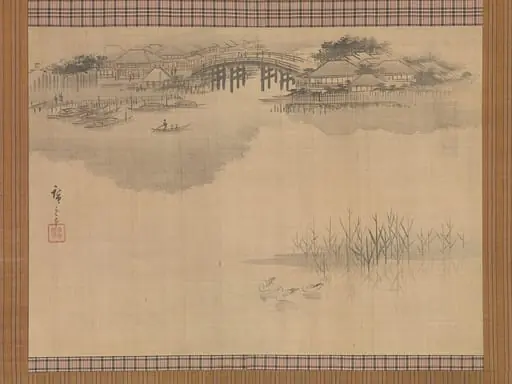
The scene depicts travelers navigating the rainy stretch at Futagawa, a post station in the Tōkaidō route. Figures move beneath umbrellas or seek shelter, while packhorses haul goods through mud. The depiction of ordinary people enduring weather suggests resilience and routine, not grandeur. The landscape itself becomes the subject — a quiet meditation on travel, nature, and the passage of time along a well-trodden path.
Technique & Style
Hiroshige employed fine, slanted lines to suggest falling rain, creating rhythm and movement without detail. Wet ground is implied through subtle washes and smudged ink, while tall pines are rendered with crisp, vertical strokes. Cross-hatching adds texture to tree bark and shelter roofs. The horizontal format enhances the sense of a continuous journey, and muted colors ground the scene in a somber, atmospheric tone.
History & Provenance
Produced during Hiroshige’s most prolific period, the print was part of a commercially successful series that popularized landscape ukiyo-e. It was likely printed in multiple editions for a broad audience, including merchants and travelers. The Metropolitan Museum of Art acquired it as part of its broader collection of Japanese prints, preserving it as a representative example of mid-Edo period printmaking.
Context
The Tōkaidō was Japan’s most important travel corridor, used by samurai, pilgrims, and merchants. While earlier prints celebrated urban life, Hiroshige’s series shifted attention to the natural and social rhythms of the road. His focus on weather, terrain, and transient moments reflected a growing cultural interest in the beauty of the everyday and the impermanence of travel.
Legacy
Hiroshige’s *Tōkaidō* series influenced later artists both in Japan and abroad, particularly 19th-century European painters drawn to its compositional simplicity and atmospheric effects. The print’s quiet realism helped redefine landscape as a legitimate subject in printmaking. Today, it remains a key reference for understanding how Japanese artists transformed daily experience into enduring visual form.
Artist & collection
Artist
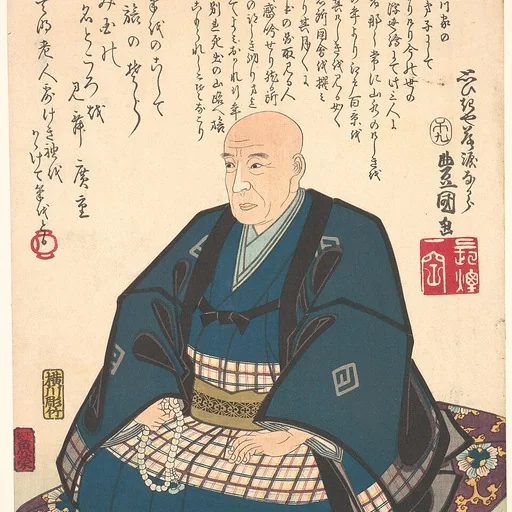
Utagawa Hiroshige (歌川 広重) or Andō Hiroshige (安藤 広重), born Andō Tokutarō (安藤 徳太郎; 1797 – 12 October 1858), was a Japanese ukiyo-e artist, considered the last great master of that tradition.