Artwork
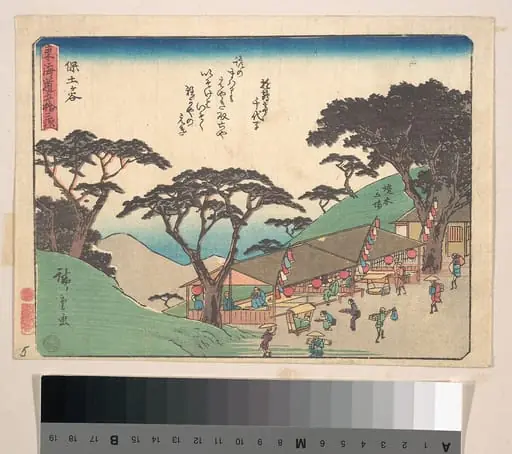
東海道五十三次 戸塚|Totsuka
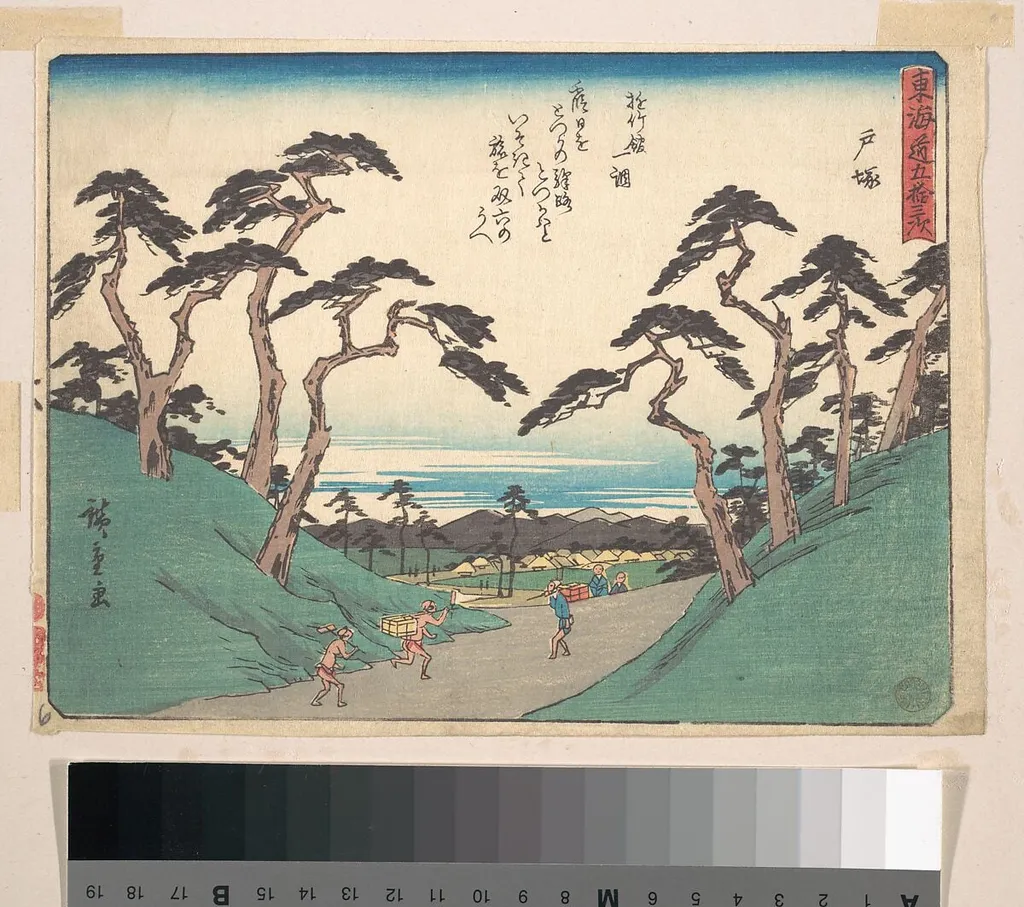
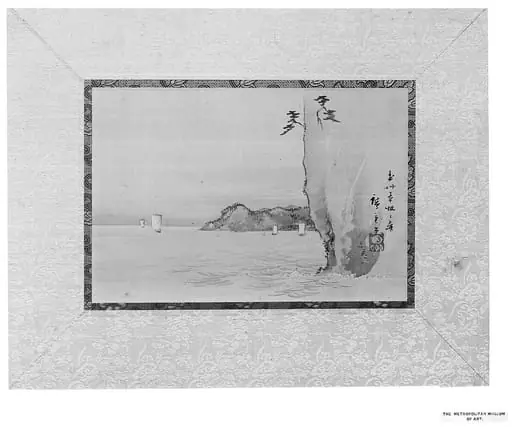
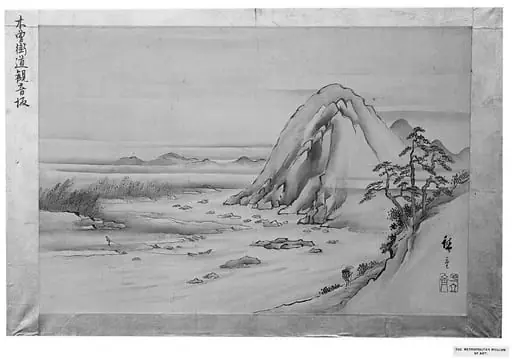
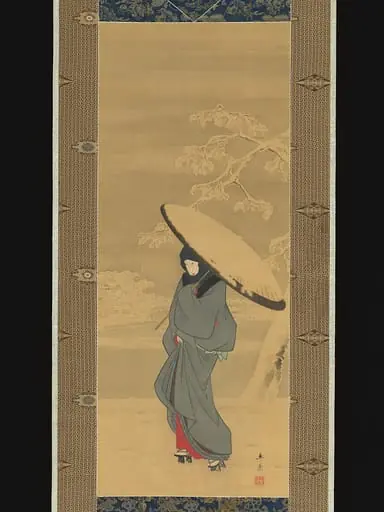
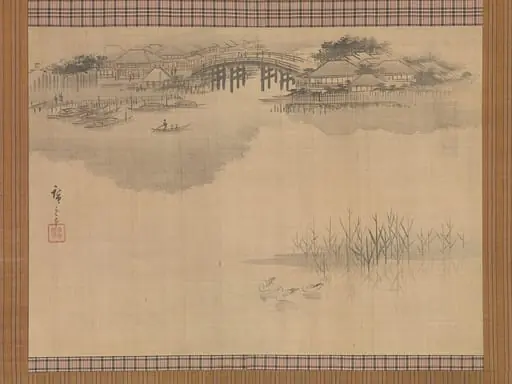
東海道五十三次 戸塚|Totsuka is an ink print by the Romanticist artist Utagawa Hiroshige. It dates from 1838 and is held in the collection of the Metropolitan Museum of Art.
About this work
Overview
Totsuka is a woodblock print from Utagawa Hiroshige's *The Fifty-three Stations of the Tōkaidō* series, created circa 1838. It captures a serene scene along the Tōkaidō road, a historic route connecting Edo (Tokyo) and Kyoto, characterized by a winding road flanked by tall, dark pine trees, with travelers, a distant river, and a village under a pale blue sky.
Subject & Meaning
The print depicts a tranquil moment on the Tōkaidō, emphasizing the harmony between travelers, nature, and the landscape. By focusing on the natural surroundings and everyday activity along the road, Hiroshige diverges from ukiyo-e's typical urban themes, instead highlighting the beauty of Japan's countryside.
Technique & Style
Executed in ink and color on paper, *Totsuka* features flat, muted colors and crisp outlines, contributing to a sense of simplicity and balance. The composition guides the viewer's eye inward through the converging pine trees, the winding road, and the curved river, creating depth.
History & Provenance
Created in the late Edo period, *Totsuka* is part of Hiroshige's renowned landscape series. The print is now part of The Metropolitan Museum of Art's collection.
Artist & collection
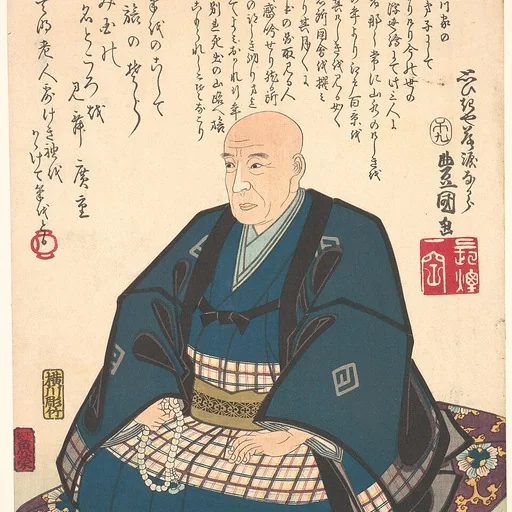
Artist
Utagawa Hiroshige (歌川 広重) or Andō Hiroshige (安藤 広重), born Andō Tokutarō (安藤 徳太郎; 1797 – 12 October 1858), was a Japanese ukiyo-e artist, considered the last great master of that tradition.