Artwork
東海道五十三次之内 日坂 佐夜の中山|Nissaka, Sayo Nakayama
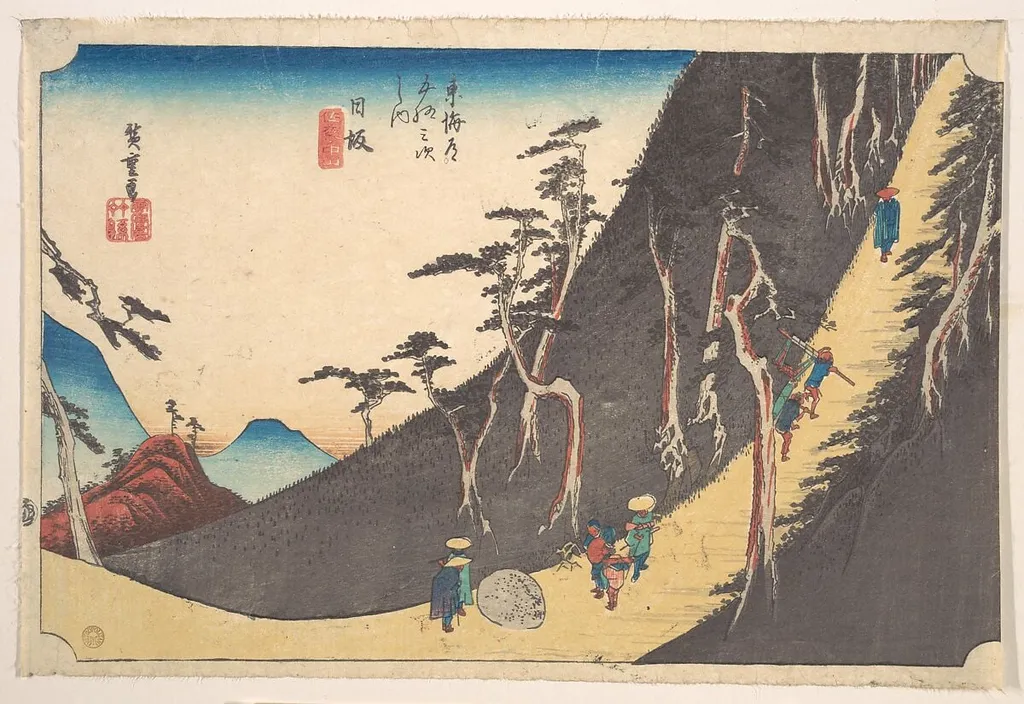
東海道五十三次之内 日坂 佐夜の中山|Nissaka, Sayo Nakayama is an ink print by the Romanticist artist Utagawa Hiroshige. It dates from 1834 and is held in the collection of the Metropolitan Museum of Art.
About this work
Overview
Utagawa Hiroshige’s woodblock print *Nissaka, Sayo Nakayama* (c. 1834) forms part of his celebrated series *The Fifty‑three Stations of the Tōkaidō*. Executed in ink and color on paper, the image records a stretch of the historic Tōkaidō highway, portraying travelers negotiating a winding mountain pass under a clear sky.
Subject & Meaning
The composition captures a moment of movement along the Nissaka segment of the route, where a steep road cuts through forested hills. Figures on foot and on horseback pause or ascend, suggesting the everyday challenges of travel in Edo‑period Japan, while the modest roadside bundle hints at the personal cargo of wayfarers.
Technique & Style
Hiroshige employs crisp line work to delineate the road’s contours, layering muted greens, blues, and earthy reds to convey atmospheric depth. Contrasting red bridges and foliage punctuate the softer palette, creating visual focal points. The print’s balanced use of perspective and color reflects the ukiyo‑e tradition of rendering landscape with both realism and poetic nuance.
History & Provenance
Created during the late Edo period, the print was produced by the collaborative woodblock system of artist, carver, printer, and publisher that defined ukiyo‑e production. It circulated as part of the *Tōkaidō* series, which enjoyed wide popularity among travelers and urban collectors, and remains in museum collections as a representative example of Hiroshige’s travel imagery.
Artist & collection
Artist
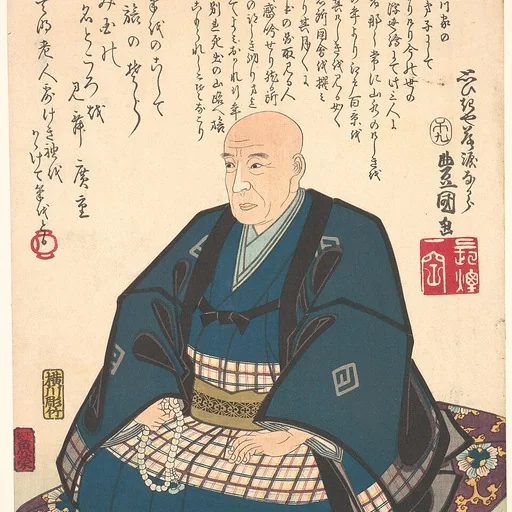
Utagawa Hiroshige (歌川 広重) or Andō Hiroshige (安藤 広重), born Andō Tokutarō (安藤 徳太郎; 1797 – 12 October 1858), was a Japanese ukiyo-e artist, considered the last great master of that tradition.

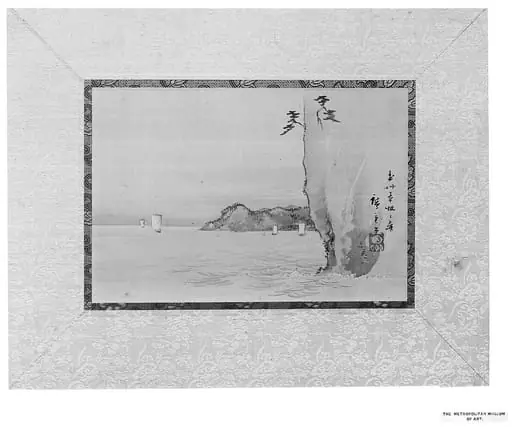
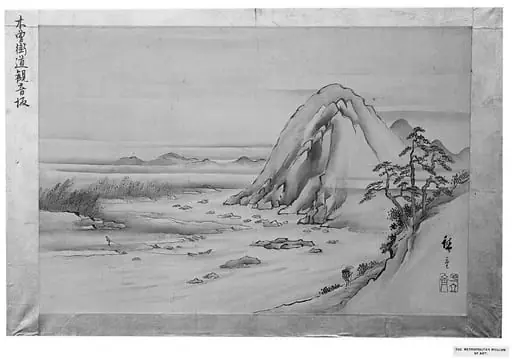
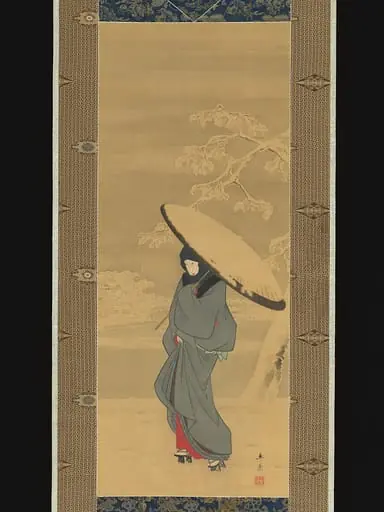
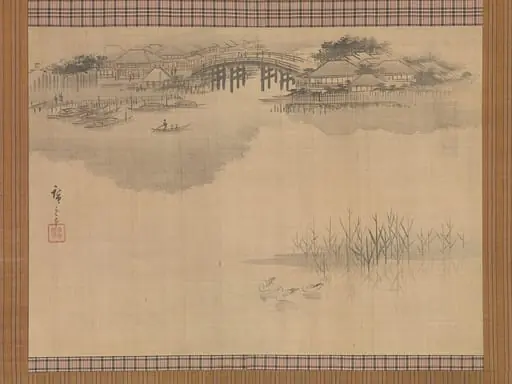
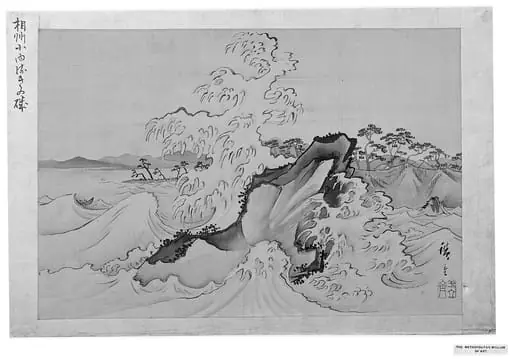
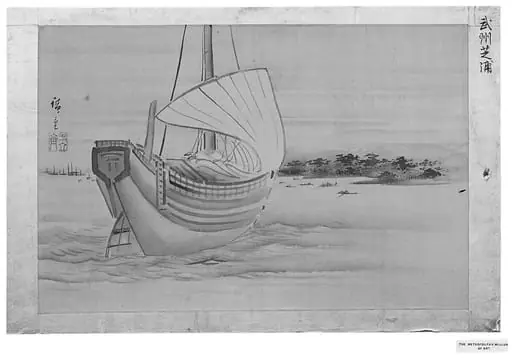

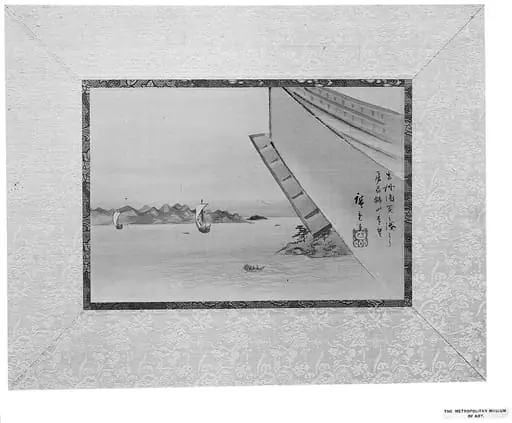
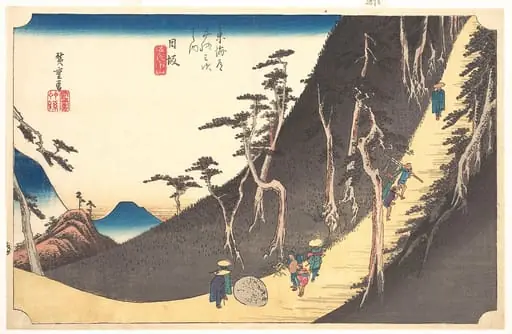 Nissaka-sayo no Naka Yama|東海道五十三次之内 日坂 佐夜の中山|Station Twenty-six: Nissaka, Sayo no Nakayama, from the Fifty-three Stations of the Tokaido
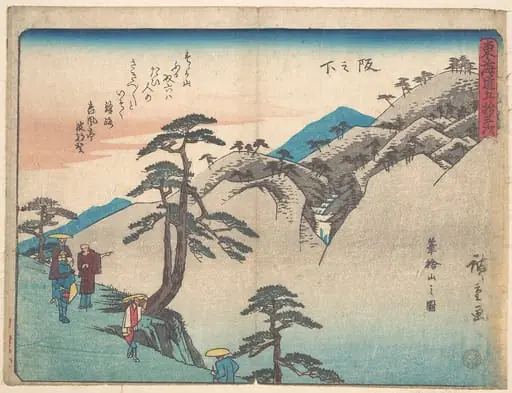 東海道五十三次 坂下|Saka-no-shita
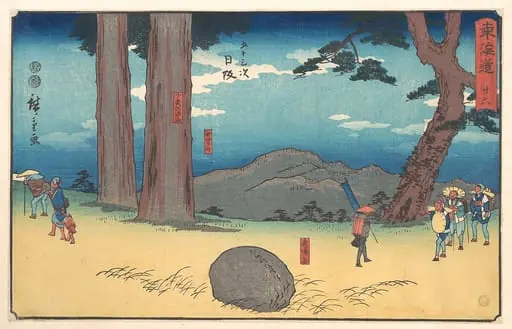 東海道五十三次 日阪 夜啼石 無間山 小夜の中山|Nissaka
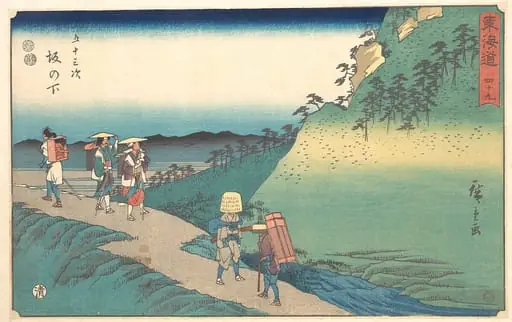 東海道五十三次 坂の下|Saka no Shita
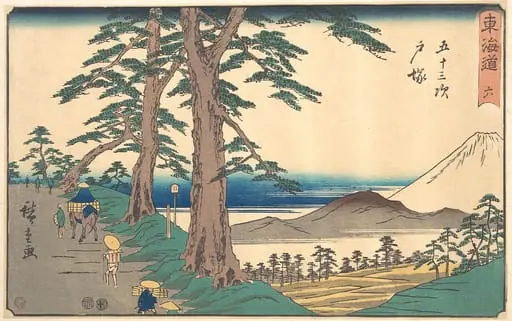 東海道五十三次 戸塚|Totsuka
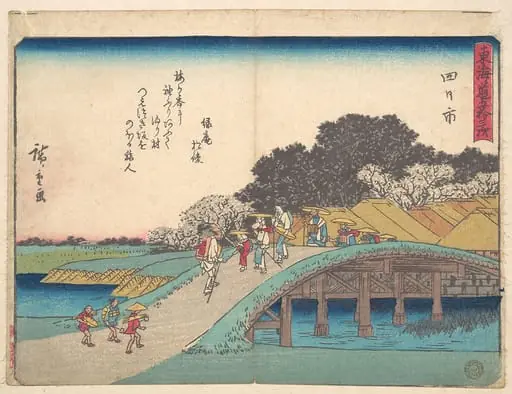 東海道五十三次 四日市|Yokkaichi
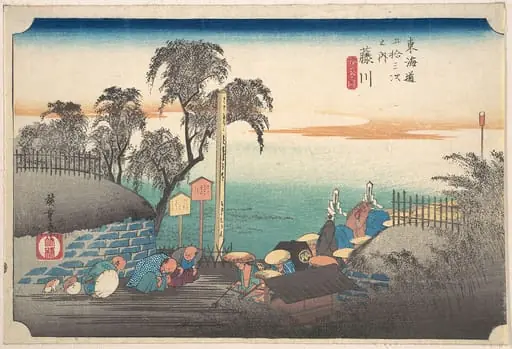 東海道五十三次之内 藤川 棒鼻の図|Fujikawa, Bo Bana
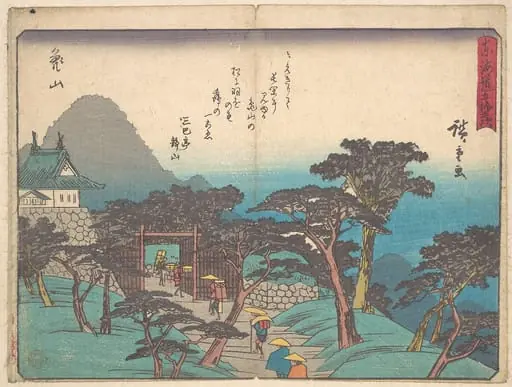 東海道五十三次 亀山|Kameyama
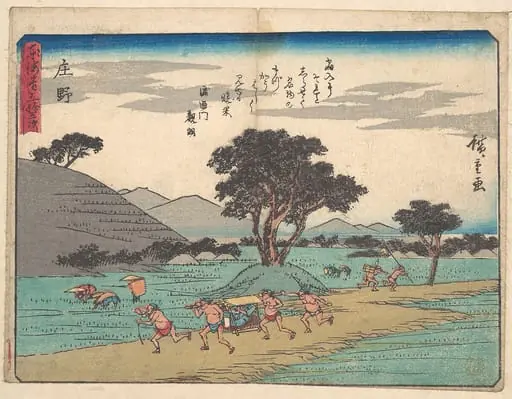 東海道五十三次 庄野|Shono
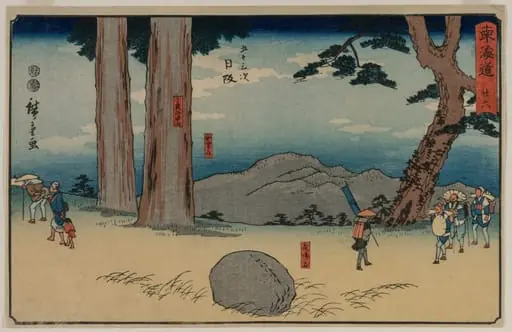 Nissaka: The Night-Weeping Stone at Sayo no Nakayama, from the series The Fifty-Three Stations of the Tōkaidō