Artwork
Untitled
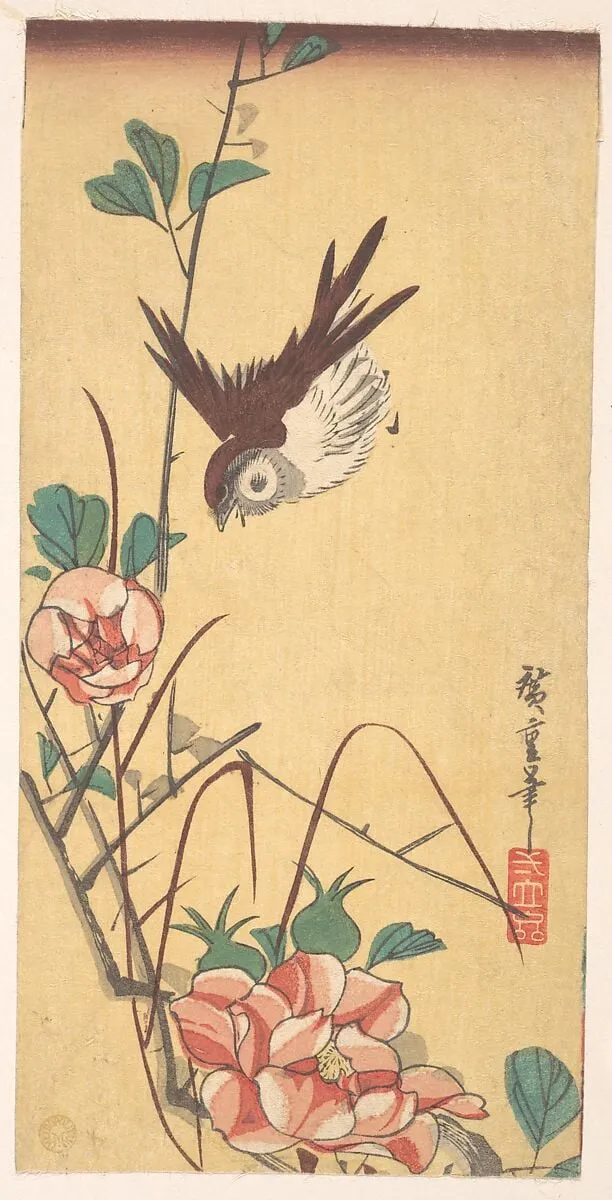
Untitled is an ink print by the Romanticist artist Utagawa Hiroshige. It dates from 1833 and is held in the collection of the Metropolitan Museum of Art.
About this work
Overview
This woodblock print, dated around 1833, is attributed to Utagawa Hiroshige, a prominent figure in the ukiyo-e tradition.
This woodblock print, dated around 1833, is attributed to Utagawa Hiroshige, a prominent figure in the ukiyo-e tradition. Executed in ink and color on paper, it exemplifies the Edo-period practice of mass-produced prints. Unlike many contemporaries who focused on actors and courtesans, Hiroshige turned to nature and landscape, capturing quiet, observational moments that resonated with a broader audience.
Subject & Meaning
The composition centers on a bird in flight, surrounded by blossoms and foliage, suggesting a transient moment in nature. The arrangement evokes seasonal change, a common theme in Japanese art. The bird, rendered in muted browns and whites, contrasts with the vibrant pinks and reds of the flowers, implying movement amid stillness. The red seal in the corner likely identifies the artist or publisher, though its exact inscription remains undeciphered.
Technique & Style
Hiroshige employed the woodblock printing method, carving separate blocks for each color and layering them with precision. The palette is restrained yet deliberate: warm beige grounds the image, while soft pinks, greens, and browns define the flora and avian form. Lines are clean and controlled, with subtle gradations achieved through bokashi shading, a hallmark of mature ukiyo-e technique.
History & Provenance
Created during Hiroshige’s early career, this print belongs to a period when he was transitioning from actor and genre scenes toward landscape subjects. Though untitled, it aligns with his later series like 'One Hundred Famous Views of Edo.' Its survival as a single print suggests it may have been part of a larger, now-lost set, common in commercial print production of the era.
Context
In early 19th-century Edo, woodblock prints were affordable and widely circulated, serving both decorative and documentary purposes. Hiroshige’s focus on natural elements reflected a growing cultural appreciation for seasonal beauty and rural tranquility, countering the urban-centric themes dominant in ukiyo-e. This shift mirrored broader societal interests in travel, poetry, and the impermanence of nature.
Legacy
Though not among Hiroshige’s most famous works, this print exemplifies his quiet innovation within ukiyo-e. His emphasis on landscape influenced later Japanese artists and, indirectly, 19th-century European painters. The integration of natural observation into commercial printmaking helped redefine the genre’s possibilities, moving it beyond entertainment toward contemplative representation.
Artist & collection
Artist
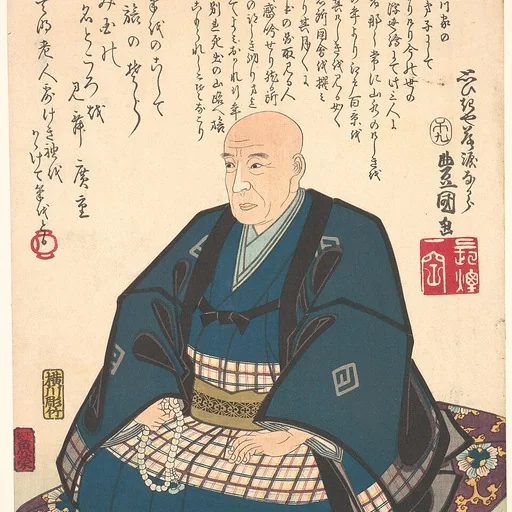
Utagawa Hiroshige (歌川 広重) or Andō Hiroshige (安藤 広重), born Andō Tokutarō (安藤 徳太郎; 1797 – 12 October 1858), was a Japanese ukiyo-e artist, considered the last great master of that tradition.

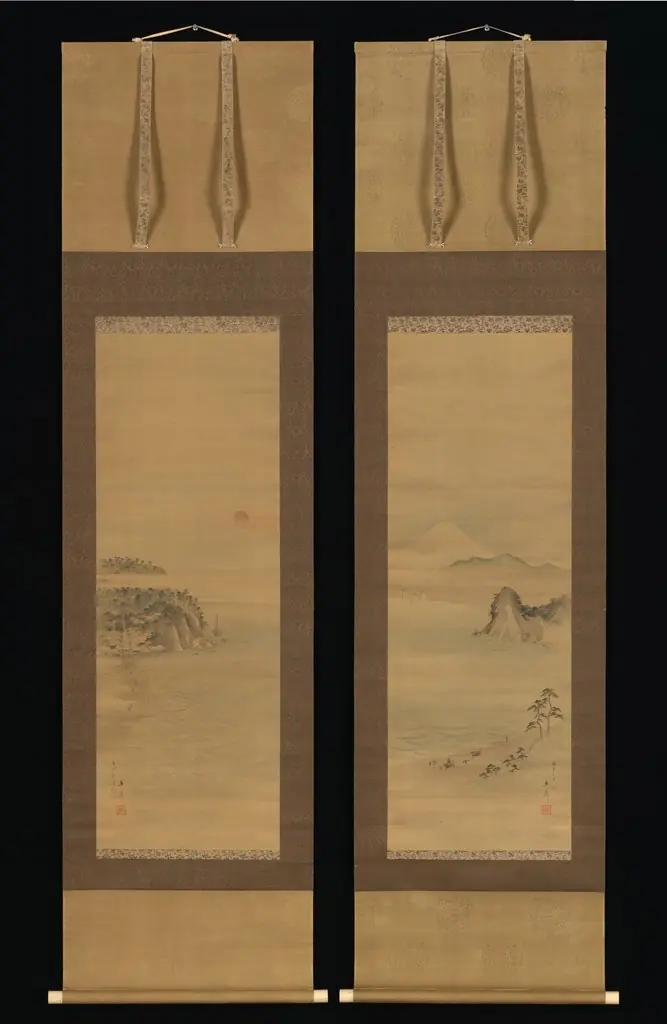
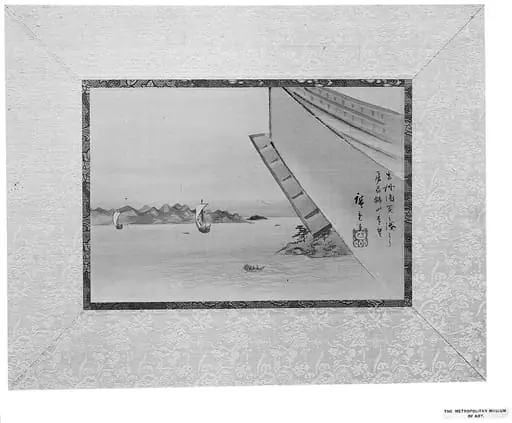
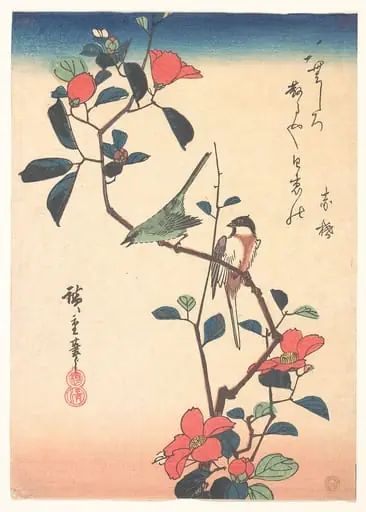 椿に目白と四十雀図|Japanese White-eye and Titmouse on a Camellia Branch
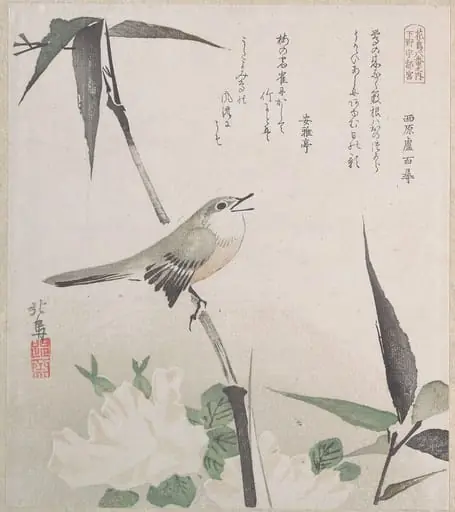 Untitled
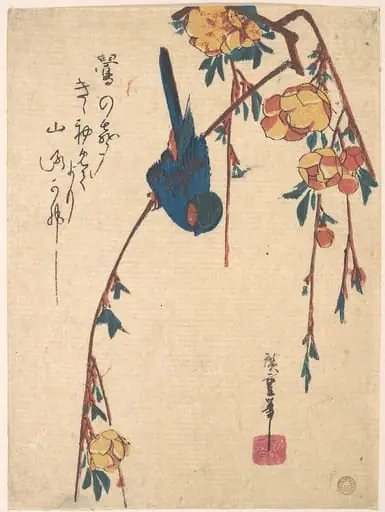 Untitled
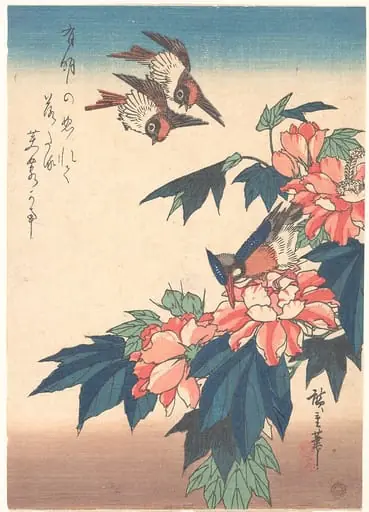 紅蜀葵に燕と川蝉図|Swallows and Kingfisher with Rose Mallows
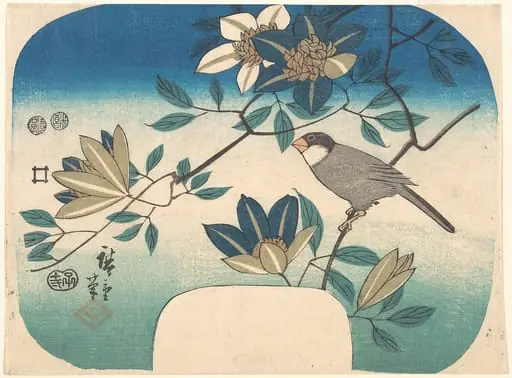 歌川広重画 鉄線花に鳥|Clematis and Bird
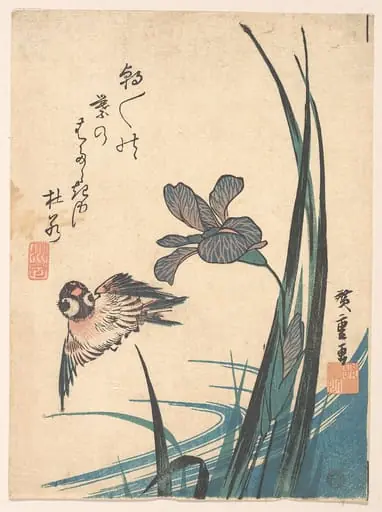 Untitled
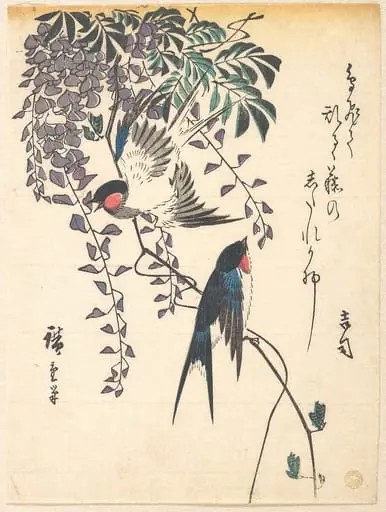 Untitled
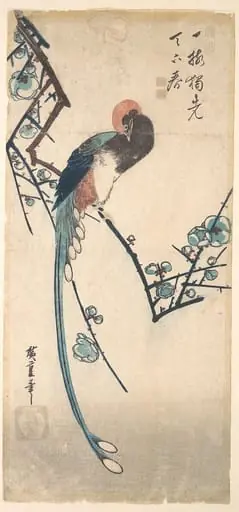 梅に三光鳥|Long Tailed Bird
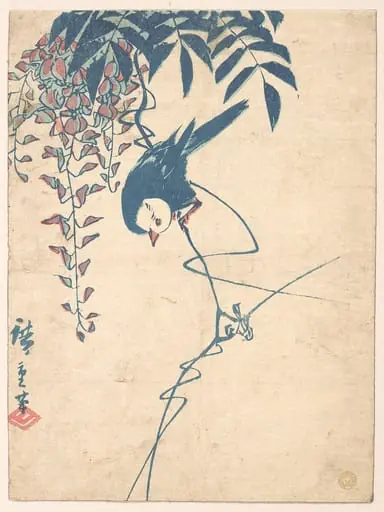 Untitled
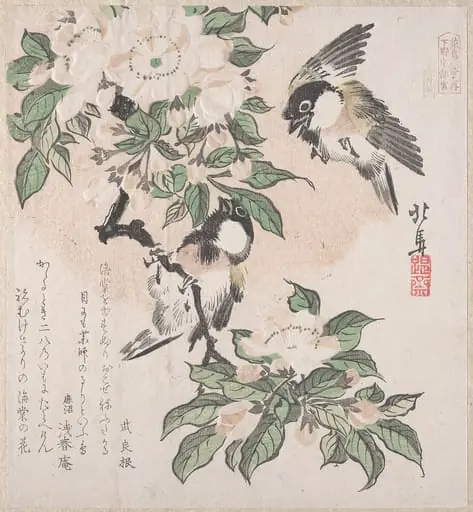 摺物帖 『春雨集』 『花鳥六番之内 下野宇都宮』 海棠に山雀|Spring Rain Collection (Harusame shū), vol. 3: Marsh-tits and Crab Apple Flowers
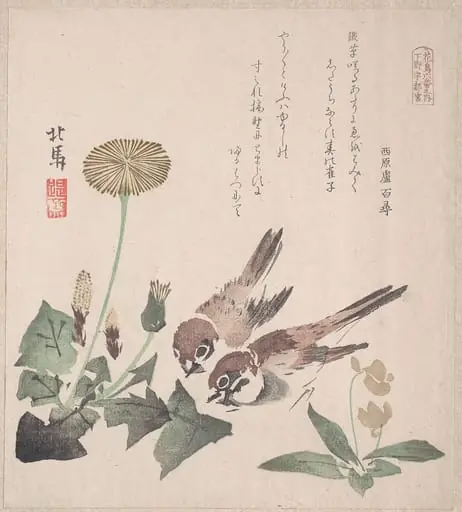 摺物帖 『春雨集』 『花鳥六番之内 下野宇都宮』 タンポポに雀|Spring Rain Collection (Harusame shū), vol. 3: Sparrows and Dandelions
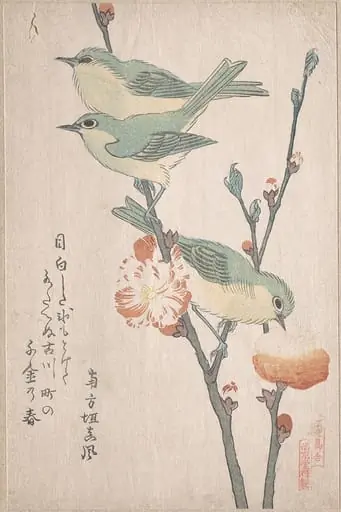 『鳥合』 桃花に目白|Japanese White-eyes on a Branch of Peach Tree,” from the Series An Array of Birds (Tori awase), from Spring Rain Surimono Album (Harusame surimono-jō, vol. 3)